

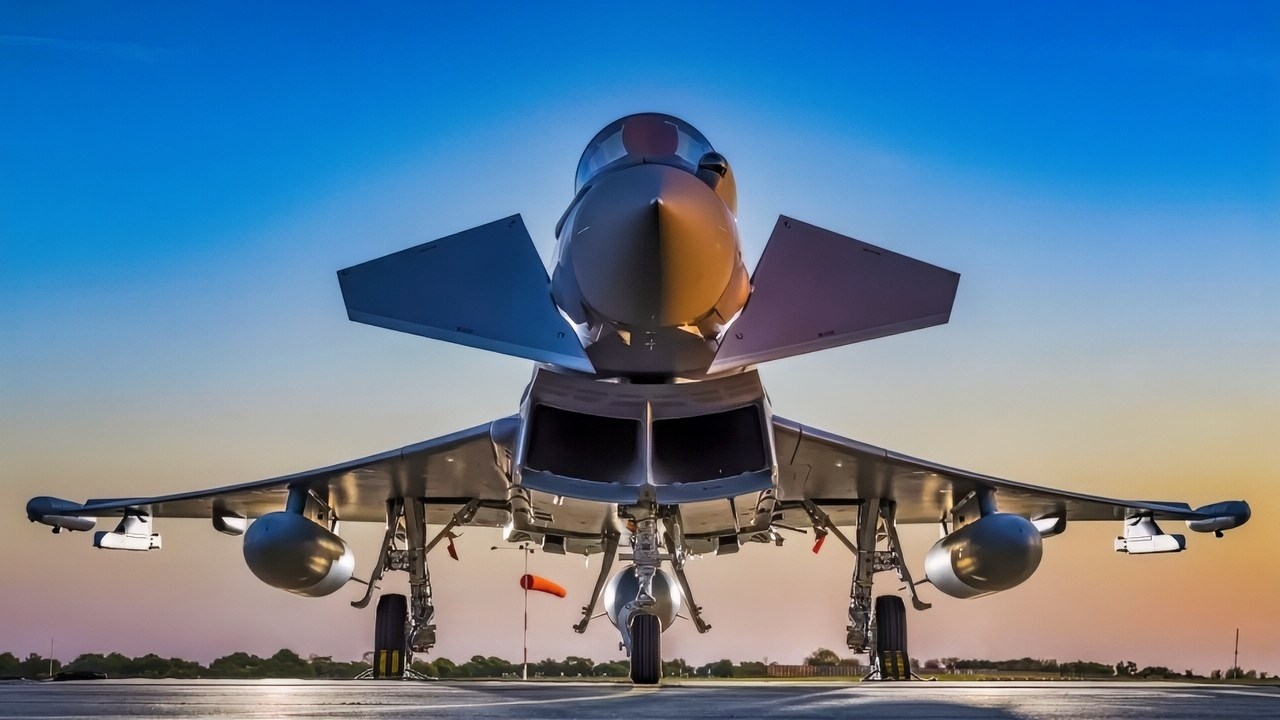
In 2012, two German Eurofighter Typhoons notionally shot down U.S. Air Force F-22 Raptors during a Red Flag exercise over Eielson Air Force Base in Alaska. The F-22s were flying with external fuel tanks that compromised their stealth, and the engagement was a close-range dogfight rather than the beyond-visual-range fight the Raptor was designed to win. Colonel Andreas Pfeiffer and Major Marco Gumbrecht of the Luftwaffe later called the F-22’s capabilities overwhelming at long range. The Typhoon’s electronic warfare suite — among Europe’s best — may have jammed the Raptor’s radar lock. Germany is now developing a dedicated electronic combat variant called the EF EK.
F-22 vs. Eurofighter Typhoon: Who Wins?

Eurofighter Typhoon Fighter Training. Image Credit: Creative Commons.
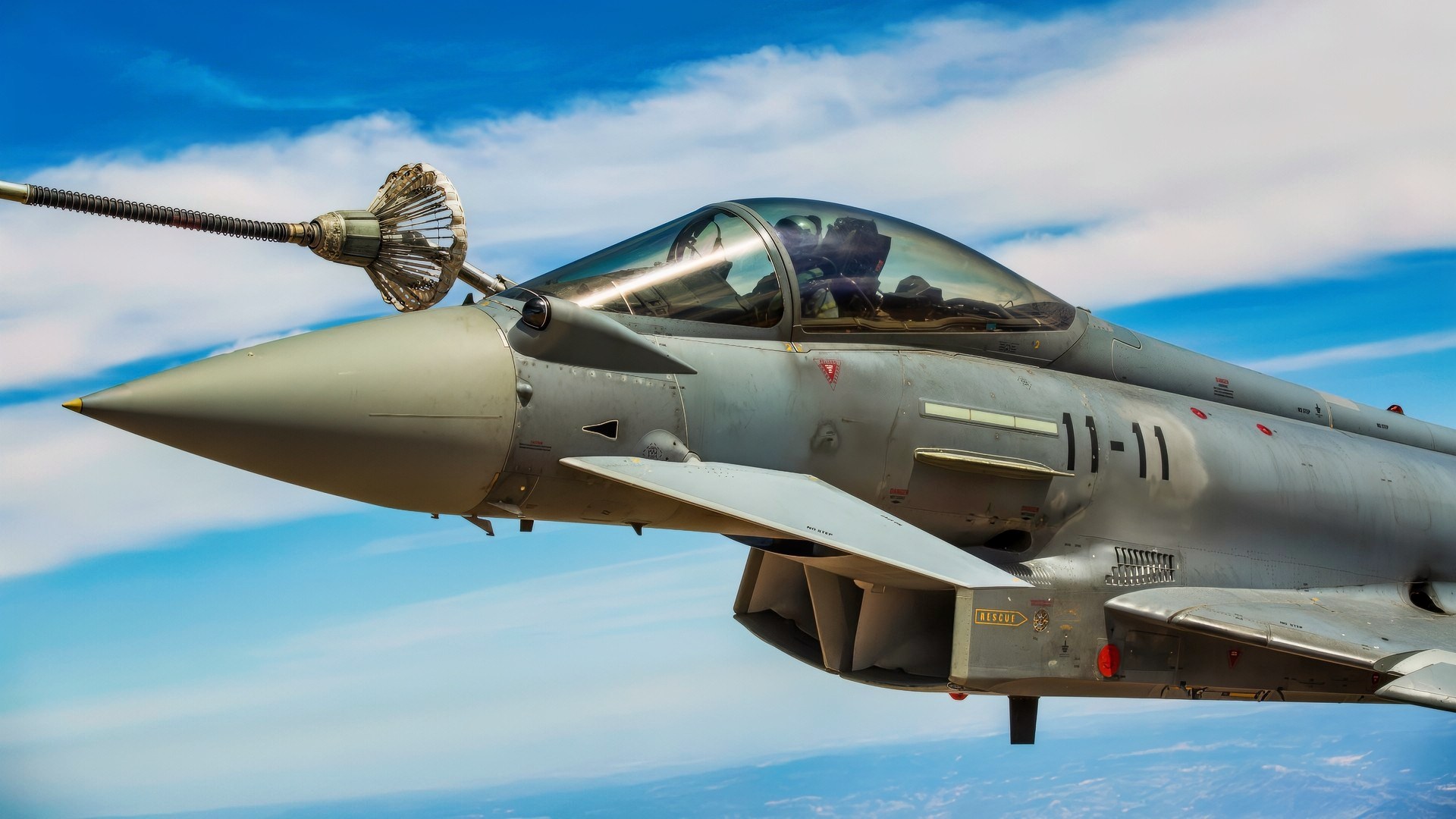
A Eurofighter Typhoon with the Spanish Air Force based out of Morón Air Base, Spain, refuels from a KC-130J Hercules, a first for the Marines from Special-Purpose Marine Air-Ground Task Force Crisis Response-Africa, Aug. 13, in Spain. The U.S. and Spain have been fostering one of the closest defense partnerships around the world for more than 60 years. (U.S. Marine Corps photo by Staff Sgt. Vitaliy Rusavskiy/Released)
The German air force, or the Luftwaffe, had a short-lived heyday in World War Two.
Stuka dive-bombers dominated the initial phase of the war and executed the Blitzkrieg strategy that left the Allies in a terrible position, making it seem as if there was no defense against the Nazis.
The Luftwaffe also lost the Battle of Britain, but not before inflicting significant damage on the Royal Air Force and English cities.
What Happened in 2012?
Fast-forward to the modern era, and the Luftwaffe has enjoyed some stunning successes.
In 2012, two German Eurofighter Typhoons notionally “shot down” U.S. Air Force F-22 Raptors during a Red Flag exercise over Eielson Air Force Base in Alaska.
Hunting and Killing F-22 Raptors
This was news that spread quickly. At the time, the F-22 was considered the best fifth-generation stealth fighter jet in the world.
How could fourth-generation fighters that did not have the same level of radar evasion “kill” F-22s?
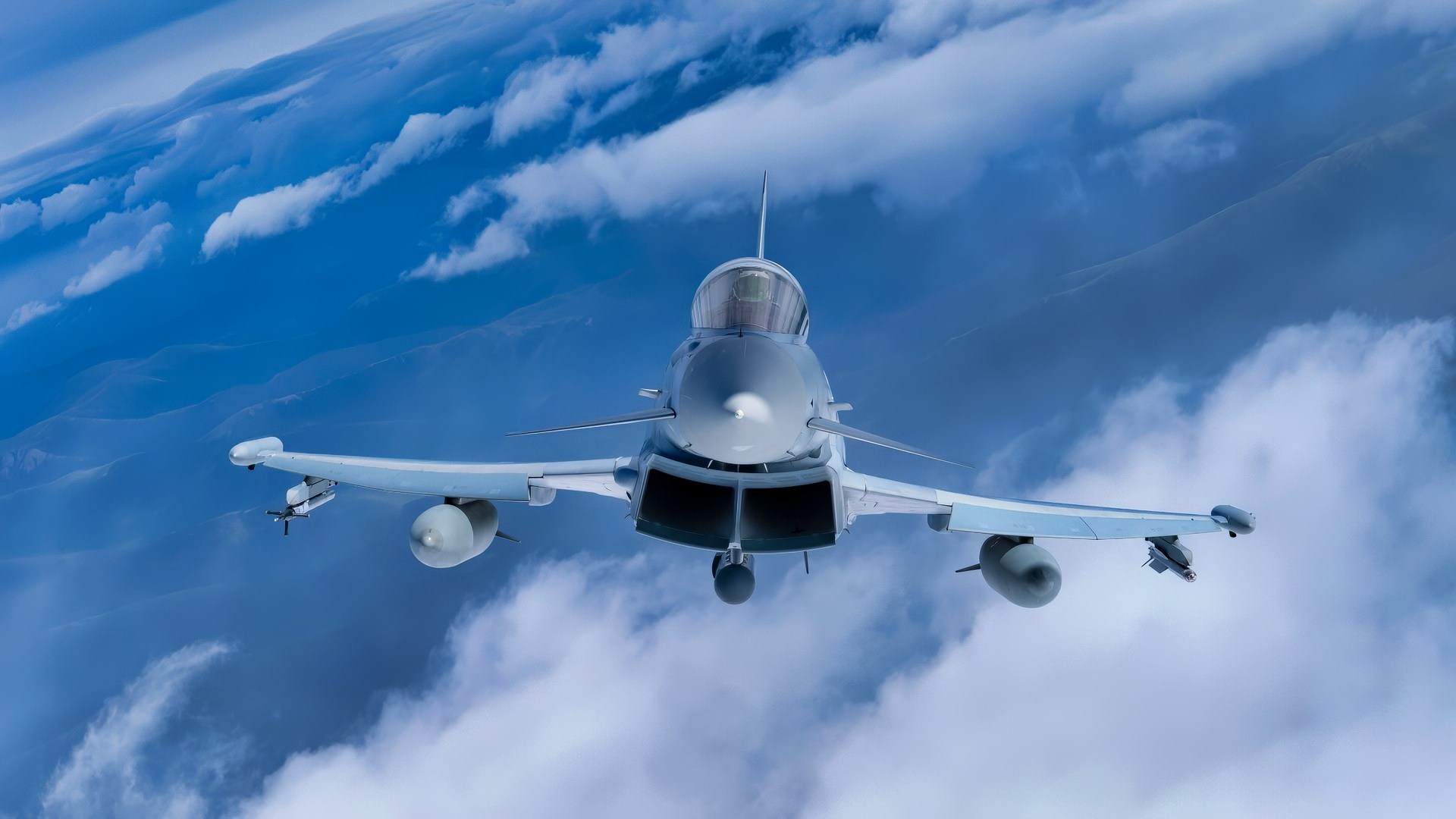
A German Air Force Eurofighter Typhoon flies over Alaska during exercise Arctic Defender 24 at Joint Base Elmendorf-Richardson, Alaska, July 8, 2024. Arctic Defender is a German Air Force-led exercise that provides a unique opportunity to integrate various forces into joint, coalition and multilateral training from simulated forward operating bases and is part of several exercises under Pacific Skies 24. Pacific Skies is a combination of several exercises in the Indo-Pacific theater in which German, French and Spanish air forces participate with U.S. forces. (U.S. Air Force photo Senior Airman Shelimar Rivera Rosado)
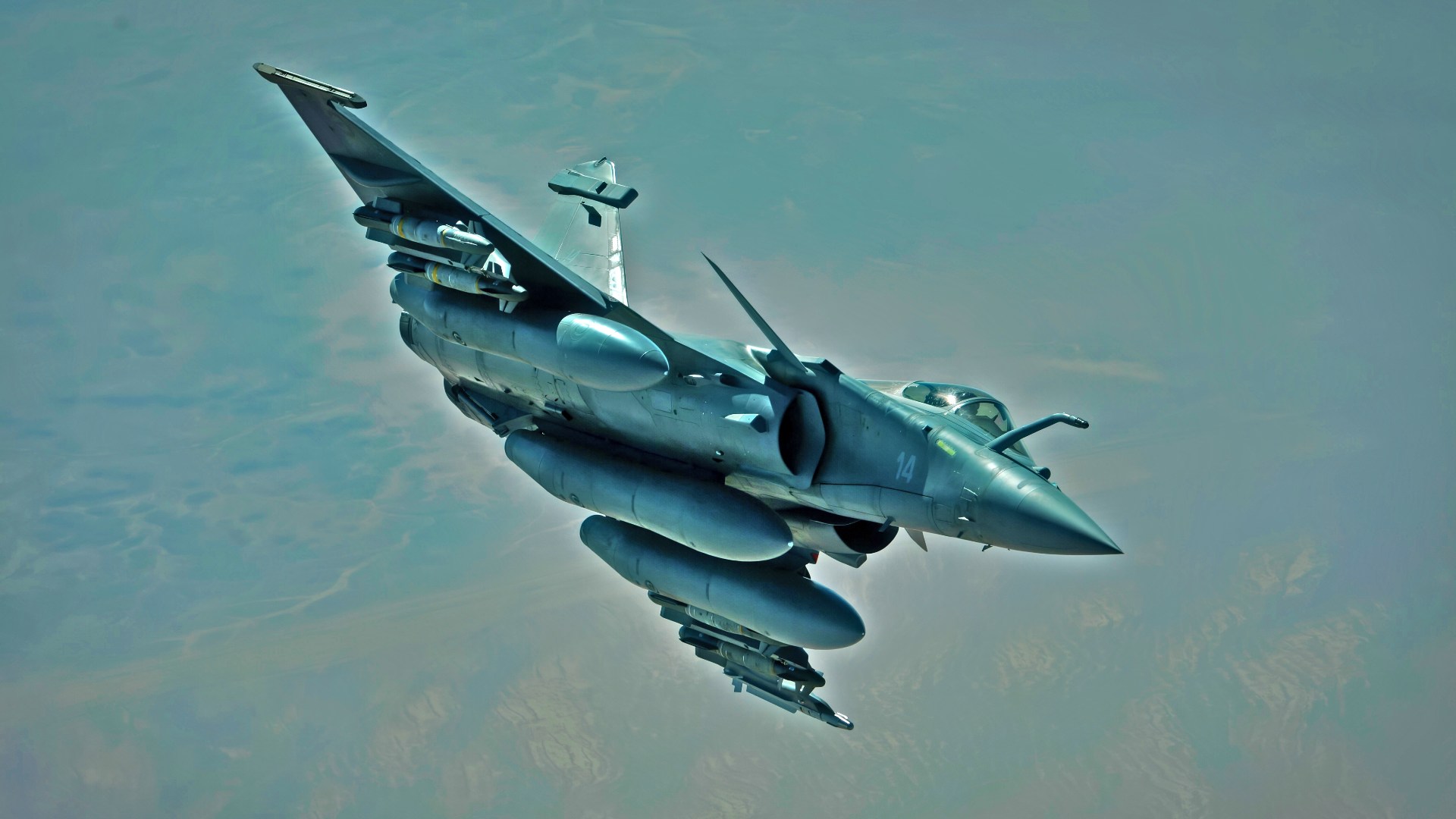
Dassault Rafale vs. JAS 39 Gripen E: Which European Fighter Jet Is Better?
Was This About the Individual Skill of the Pilots?
Were the Germans that much better at dogfighting, or did they just have a lucky day? Online wags criticized the Americans for failing in aerial combat against what appeared to be a less capable airplane.
Let’s Take a Closer Look
There is more to the story. The F-22s were flying with external fuel tanks, which reduced their stealthiness. The exercise emphasized short-range dogfighting in which the Germans had a visual lock on the adversarial jets.
The Raptors could have used beyond-visual-range AMRAAMs while in stealth mode, and the Germans would never have known what hit them.
A German pilot later revealed that the Typhoons could not get within 20 miles of the F-22s in other iterations of the exercise. Plus, the F-22s succeeded in 80 percent of the other matchups with the Eurofighter Typhoons.
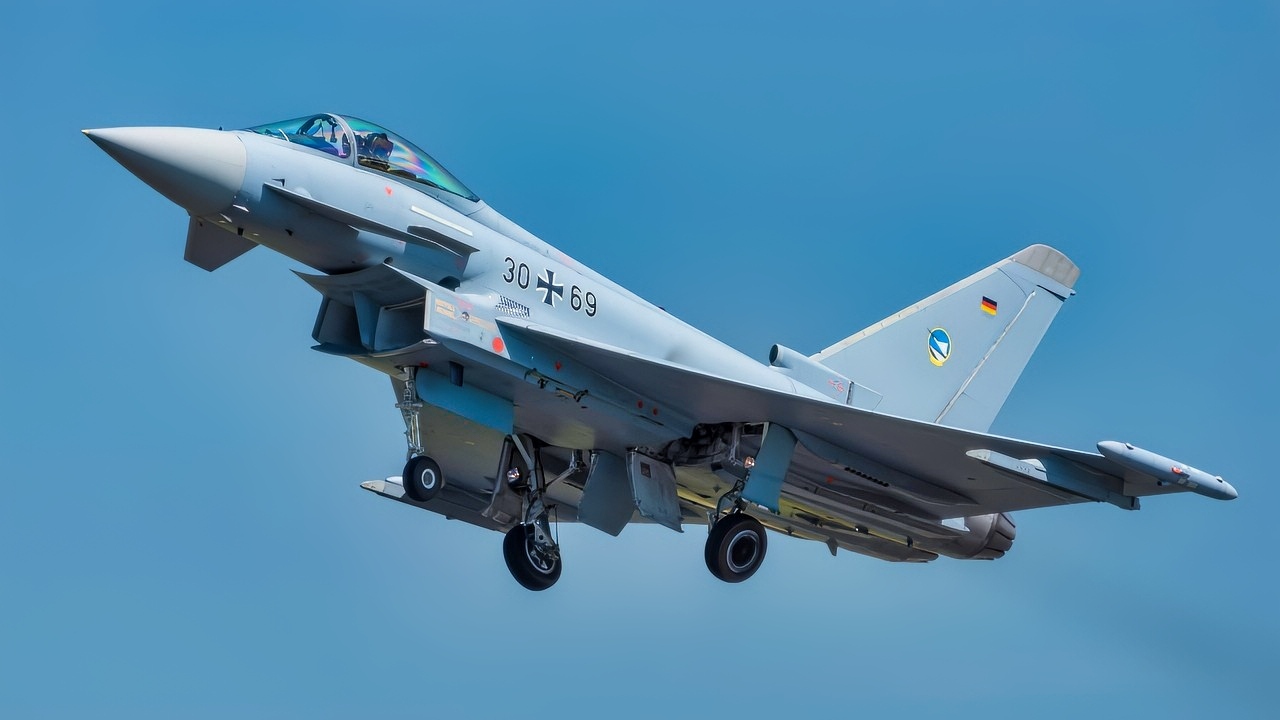
German Air Force Eurofighter Typhoon. Image Credit: Creative Commons.
The Need to Drill-Down on This ‘Battle’
Still, the Air Force wondered what allowed the Luftwaffe to score the kills in close-in aerial combat. The F-22 should have outmaneuvered the German pilots and used a short-range Sidewinder missile to shoot down the Typhoons.
It Could Have Been the Use of Electronic Warfare
However, the F-22 has demonstrated in the past that it can be a victim of adversarial electronic warfare (EW).
An EA-18G Growler EW airplane also knocked out an F-22 in a dogfighting drill in 2009. This could be a weakness for the F-22 and a strength for the Eurofighter.
“The Typhoon has excellent EW credentials in self-protection, with a suite of detection, identification, and classification systems, and a broad range of countermeasures across the spectrum. German Parliamentary budgetary approval has also recently been granted to develop a version of Typhoon specifically for Electronic Combat (the EF EK),” according to the Eurofighter home page.
The Typhoon’s EW suite could have made the difference during Red Flag in 2012. The EW might have jammed the Raptors’ radar and kept the American stealth jets from getting missile lock during close-in dogfighting.
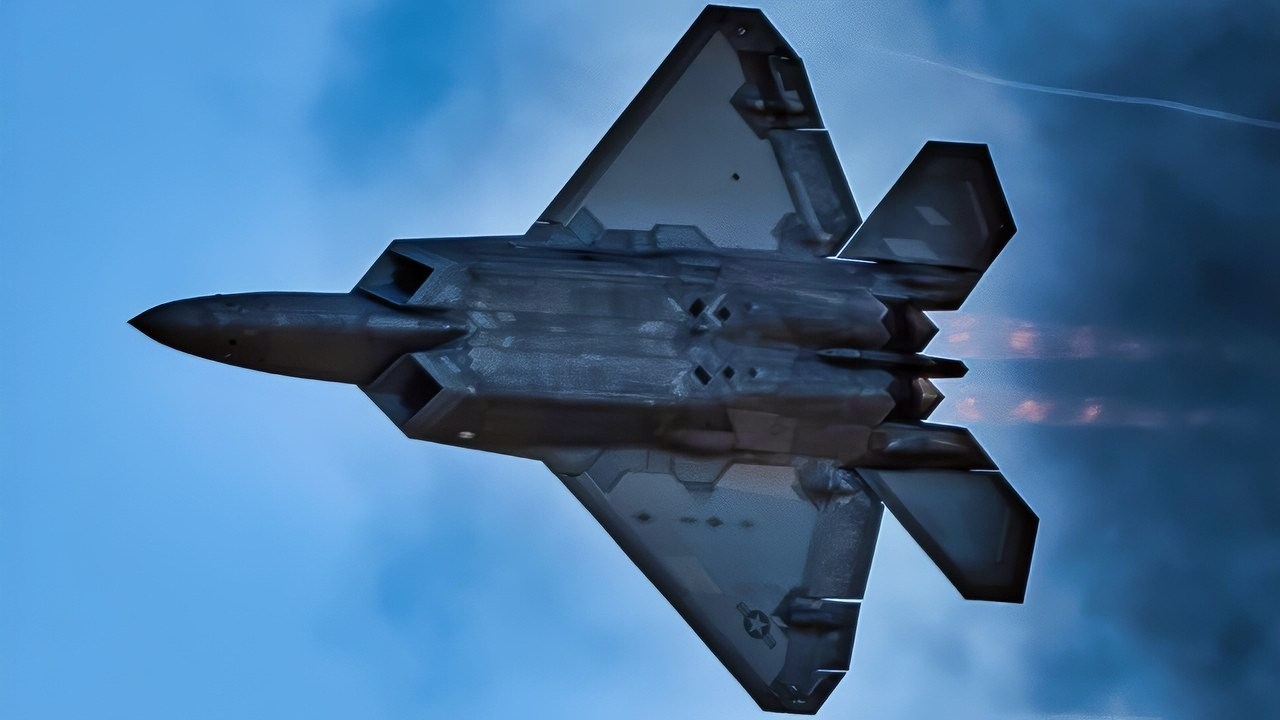
U.S. Air Force Lt. Col. Paul Lopez, F-22 Demo Team commander, flies through smoke during the Thunder over South Georgia Air Show at Moody Air Force Base, Ga., Nov. 2, 2019. Founded in 2007, the F-22 Raptor Demonstration Team showcases the unique capabilities of the world’s premier 5th-generation fighter aircraft. (U.S. Air Force photo by 2nd Lt. Sam Eckholm)

An Air Force F-22 Raptor executes a supersonic fly by over the flight deck of the aircraft carrier USS John C. Stennis. John C. Stennis is participating in Northern Edge 2009, a joint exercise focusing on detecting and tracking units at sea, in the air and on land.
If that was the case, the Germans may have found a weakness. In after-action reviews from the Red Flag incident, F-22 pilots who were victims of the Luftwaffe Typhoons may have signaled that the Raptor could have a deficiency.
Chinese and Russian Air Forces Can Play the EW Fight Too
China and Russia were likely to note this and may have added improved EW capabilities to fifth-generation fighters like the Su-57 Felon and the J-20 Mighty Dragon.
My colleague, Steve Balestrieri, reviewed the 2012 Typhoon versus Raptor matchup.
“Two German officers, Col. Andreas Pfeiffer and Maj. Marco Gumbrecht, noted in an after-action report that the F-22’s capabilities are ‘overwhelming’ when it comes to modern, long-range combat as the stealth fighter is designed to engage multiple enemies well-beyond the pilot’s natural field of vision – mostly while the F-22 is still out of the other plane’s range,” Balestrieri explained.
The Beyond Visual Range Advantage for the F-22
That sounds more like the German pilots gave the F-22s a run for their money in close-in engagements, but were no match for long-range match-ups. This means that the Raptor still has quite an advantage over fourth-generation warbirds from beyond visual range.
F-22 pilots will thus rehearse more iterations of close-range aerial combat to ensure they can still push the limits and use tactics and techniques to their advantage.
The Germans came out on top in 2012, but the Raptor aviators were aware of their shortcomings that day.
So let’s not give the F-22 a death sentence just yet. The Typhoons have great EW capabilities.
The Raptors may be vulnerable to enemy electronic countermeasures, and the F-22 could be a hair slower to react in close-range dogfights.
Give the Germans credit for having a good day in notional combat, but the Raptor remains a premier fighter jet with great capacity for long-range engagements.
About the Author: Brent M. Eastwood, PhD
Author of now over 3,500 articles on defense issues, Brent M. Eastwood, PhD, is the author of Don’t Turn Your Back On the World: A Conservative Foreign Policy and Humans, Machines, and Data: Future Trends in Warfare, plus two other books. Brent was the founder and CEO of a tech firm that predicted world events using artificial intelligence. He served as a legislative fellow for US Senator Tim Scott and advised the senator on defense and foreign policy issues. He has taught at American University, George Washington University, and George Mason University. Brent is a former US Army Infantry officer. He can be followed on X @BMEastwood.


