

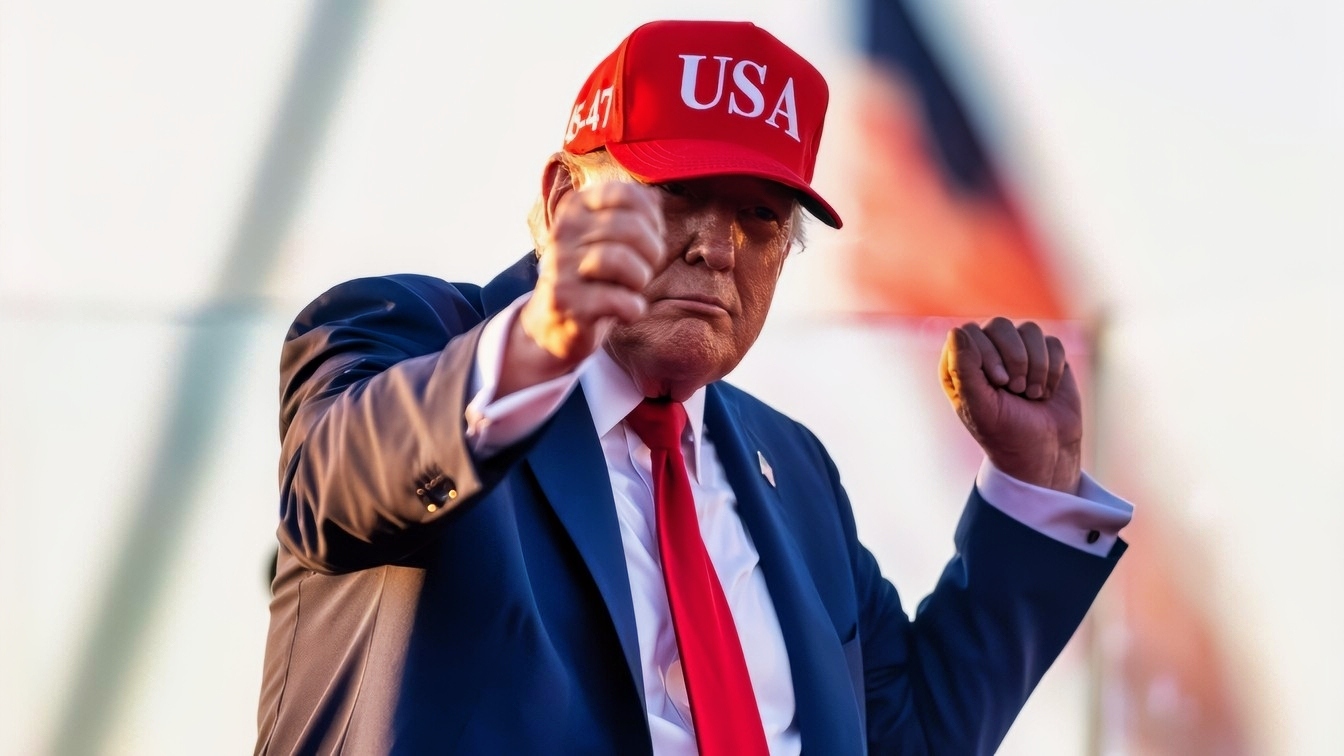
Iran is trying to find ways to intervene in the U.S. midterm elections on November 3 by hiring insiders within the electoral system, as well as creating cyber capabilities, officials have said.
The claims, revealed by The Telegraph on Thursday, come after Israel’s October 27 election and as Washington warns allies to be prepared for fresh attacks.
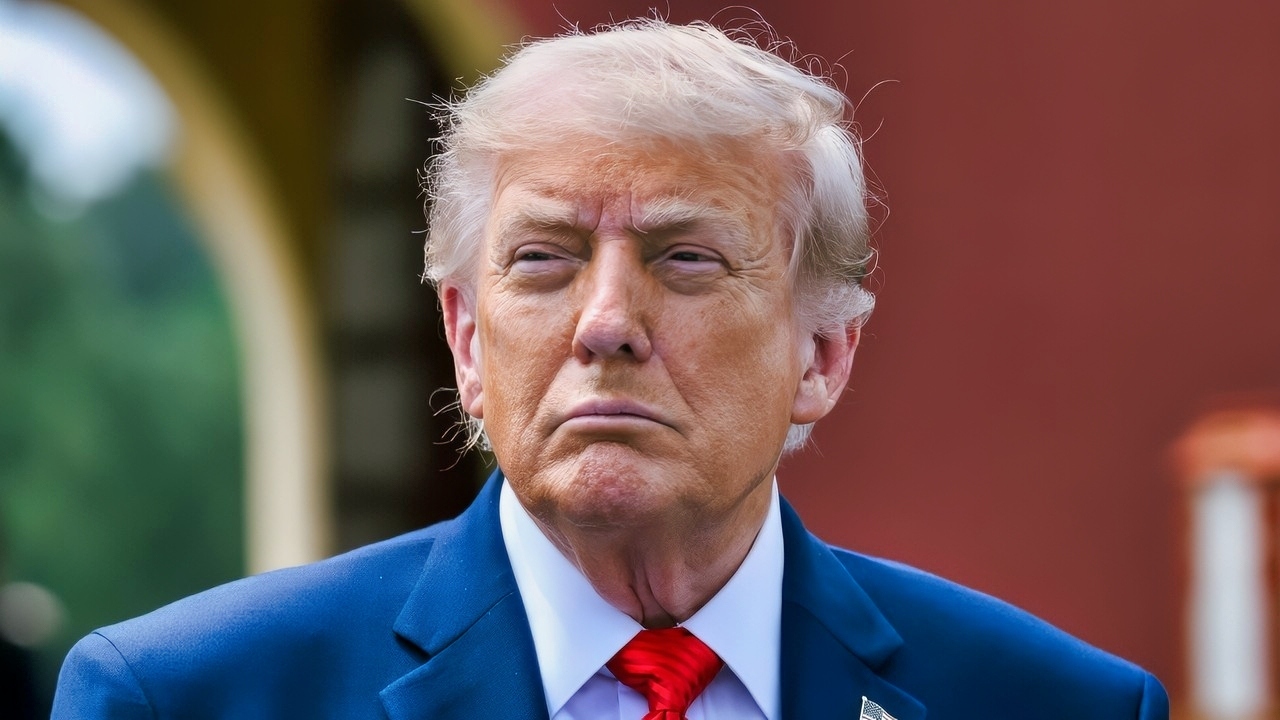
President Donald J. Trump tours the Hall of Prayer of Good Harvest with President Xi Jinping of the People’s Republic of China, Thursday, May 14, 2026, at the Temple of Heaven in Beijing. (Official White House Photo by Daniel Torok)
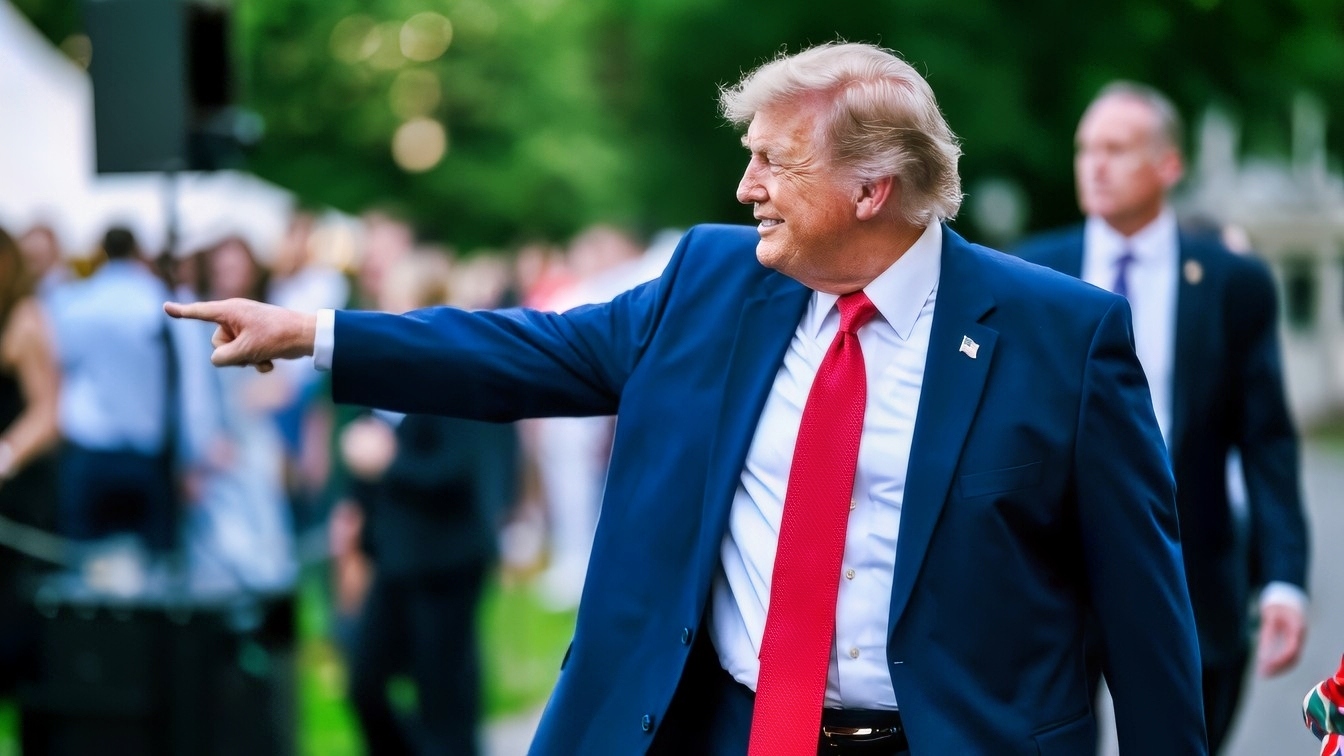
President Donald J. Trump and First Lady Melania Trump work the rope line at the Congressional Picnic on the South Lawn, Tuesday, May 19, 2026. (Official White House Photo by Daniel Torok)
In an interview with Fox News on Sunday, Trump said he could consider attacking Tehran again.
“Do I make a deal with them or do I finish them off?” he asked his host Larry Kudlow.
CNN separately reported that U.S. forces are prepared to carry out a large-scale operation within 96 hours of a presidential order.
No plans have currently been announced.
Iran’s Alleged Sabotage Plans
“We have been looking into ways to recruit agents in both the American and Israeli regimes’ election processes,” an Iranian official said in an interview with The Telegraph.
Another added that the Islamic Republic “would like to see a divided America and a divided Israel.”
In an October 20 report, Iranian officials told Reuters that they were determined to prevent Trump from winning politically.
“Iran is influencing the U.S. election without taking any unlawful action,” Iranian expert Saeed Leylaz said.
Iranian analyst Amir Ali Abolfath also told The Telegraph that if the elections resulted in a Democrat victory, it did not necessarily mean the U.S. would not launch further attacks.
“If the Congress is not friendly to the president, then there will be problems, but Trump still has a lot of power militarily,” he said.
Israeli Election Results Cause Stalemate
Israel’s general election on Tuesday did not produce a clear majority in parliament.
According to The Times of Israel, Prime Minister Benjamin Netanyahu’s bloc has around 53 seats, Gadi Eisenkot’s opposition has 48 seats, and Arab-led parties have 19 seats.
To form a ruling majority in the Knesset, a bloc needs 61 seats.
On Thursday, The Associated Press reported that Israel’s Central Elections Committee had requested the Shin Bet intelligence agency to look into claims of “improper influence on the elections — exerted through funding provided by foreign entities acting against Israeli interests.”
Eisenkot has warned politicians not to take advantage of the situation.
President Isaac Herzog has also urged officials to approach coalition talks with an “open mind”.
Israel has previously expressed concerns over foreign interference from Tehran.
In July, Shin Bet head David Zini reportedly warned Iran and other countries were trying to interfere.
Likud MP Boaz Bismuth has also warned Tehran could try to “turn the election into another front.”
U.S. Agencies Warn of Cyber Threats
On October 16, the FBI and the Cybersecurity and Infrastructure Security Agency warned that attackers could target election officials with phishing emails and fake texts.
They said that “malicious cyber actors may attempt to disrupt the 2026 U.S. midterm elections using phishing and smishing techniques to steal user data, including login credentials and sensitive information.”
However, they did not claim Iran was actively attempting to hack the vote.
Iran has previously been accused of interfering in election campaigns on U.S. soil.
In 2024, the Department of Justice accused a trio of operatives belonging to the Iranian Islamic Revolutionary Guard Corps (IRGC) of stealing campaign documents.
The IRGC is listed as a foreign terrorist group by Washington.
Trump Considers Post-Midterm Strikes
The claims come as Washington appears to be ramping up in preparation for possible further conflict.
On Wednesday, reports said U.S. officials warned regional allies about a new phase of the war after the midterm elections.
They also suggested that Iran could carry out further attacks on energy infrastructure in the Gulf.
Diplomats added that Trump had not yet made a final decision.
“We need to finish the job – either through a deal or another way – we will find out if negotiations can succeed,” Trump told Axios on Wednesday.
Iranian Foreign Minister Abbas Araghchi said Tehran was “fully prepared to defend the Homeland,” but that “Iran continues to give diplomacy a chance to succeed.”
However, one Iranian official told The Telegraph they were ready for either.
“We are more ready for war than peace, whatever happens.”
About the Author: Georgia Gilholy
Georgia Gilholy is a journalist based in the United Kingdom who has been published in Newsweek, The Times of Israel, and the Spectator. Gilholy writes about international politics, culture, and education.


