
Reports on Thursday, June 25, described how Iranian forces struck a cargo ship off the coast of Oman. The strike occurred hours after the Iranian Islamic Revolutionary Guard Corps warned ships not to use a new United Nations-backed route through the Strait of Hormuz without permission from Tehran.
According to the United Kingdom Maritime Trade Operations center, the vessel sustained damage, but no casualties occurred. Two U.S. officials also told Reuters that Iran had fired on the ship, which was struck roughly 7.5 nautical miles southeast of Dahit, Oman.

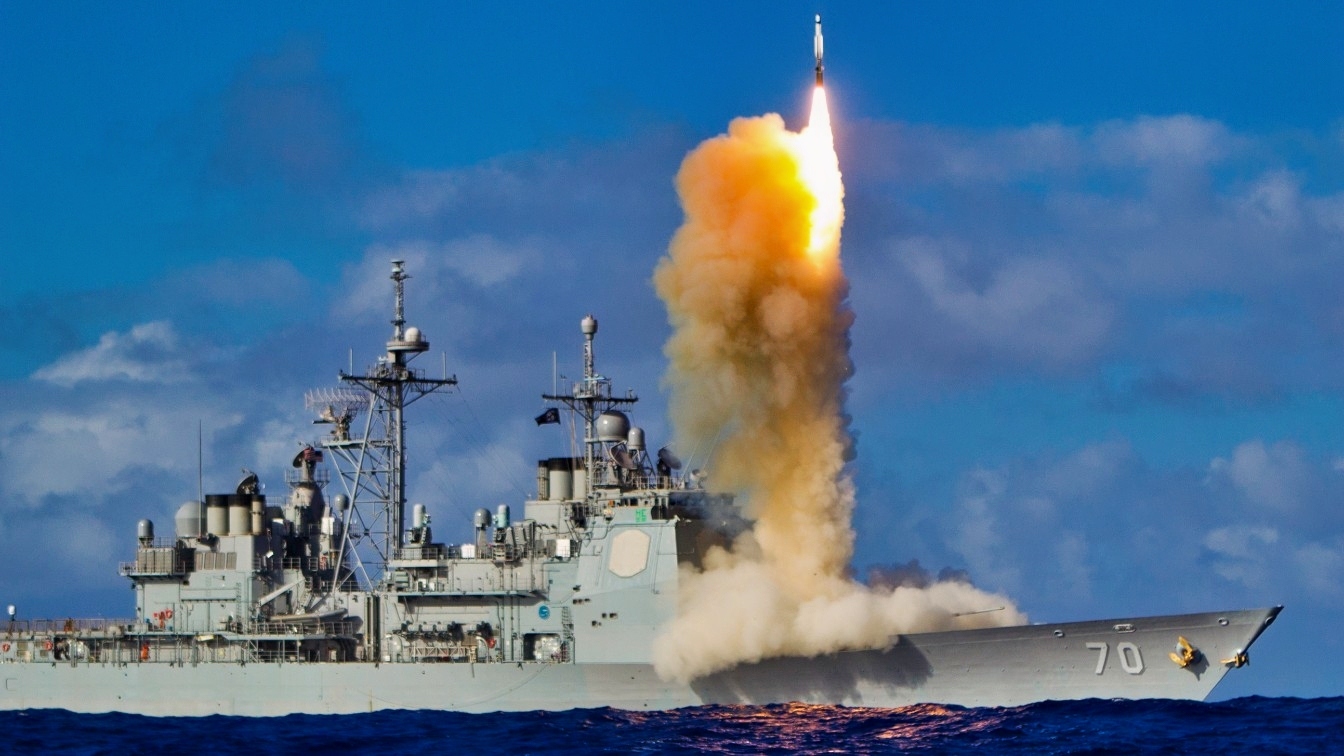
Tomahawk Launch. Image Credit: Creative Commons.
The strike comes after tankers and cargo ships began using a new maritime corridor closer to the Oman coast – a route that had been agreed by the International Maritime Organization and Oman. Vessels trapped in the Persian Gulf since the war began on February 28 were expected to pass through the strait as part of a mass evacuation mission announced in recent days.
The route effectively bypasses the corridor approved by Iran closer to its coastline – and the strike proves that Tehran is displeased to see efforts underway to undermine its leverage during negotiations with Washington.
Attempting A New Route in the Strait of Hormuz
Early on Thursday, the oil tanker Stoic Warrior led a group of vessels out of the Persian Gulf. The route avoided the Traffic Separation Scheme that had permitted the free movement of ships before the war, with one lane closer to Iran’s coastline and the other closer to Oman. Before the war, over 130 ships per day passed through the Strait of Hormuz, carrying roughly one-fifth of the world’s oil and liquefied natural gas.
Today, traffic has significantly decreased, but has begun to gradually increase again in the wake of the signing of the Memorandum of Understanding (MOU) between Washington and Tehran. Lloyd’s List Intelligence said that 125 vessels crossed the strait last week – an increase of 33 from the week prior. S&P Global also said that Wednesday saw 78 transits in total, the highest level since the war began.
Iran Issues Threats
The IRGC Navy responded angrily to the news of the new route, insisting that it had been announced without notice or coordination with the Islamic Republic of Iran.
In a statement published by Iranian state media, the IRGC Navy said that the only authorized route for passing through the Strait of Hormuz is officially declared by the Islamic Republic of Iran, and that any vessel traffic outside those routes is dangerous and prohibited. Iranian media also carried a direct threat that any violators would be “dealt with.”
The warning also followed a separate incident on Wednesday, June 24, in which the IRGC threatened a tanker by radio. According to maritime security firm Ambrey, an Iranian soldier warned the vessel that it was within range of fire.
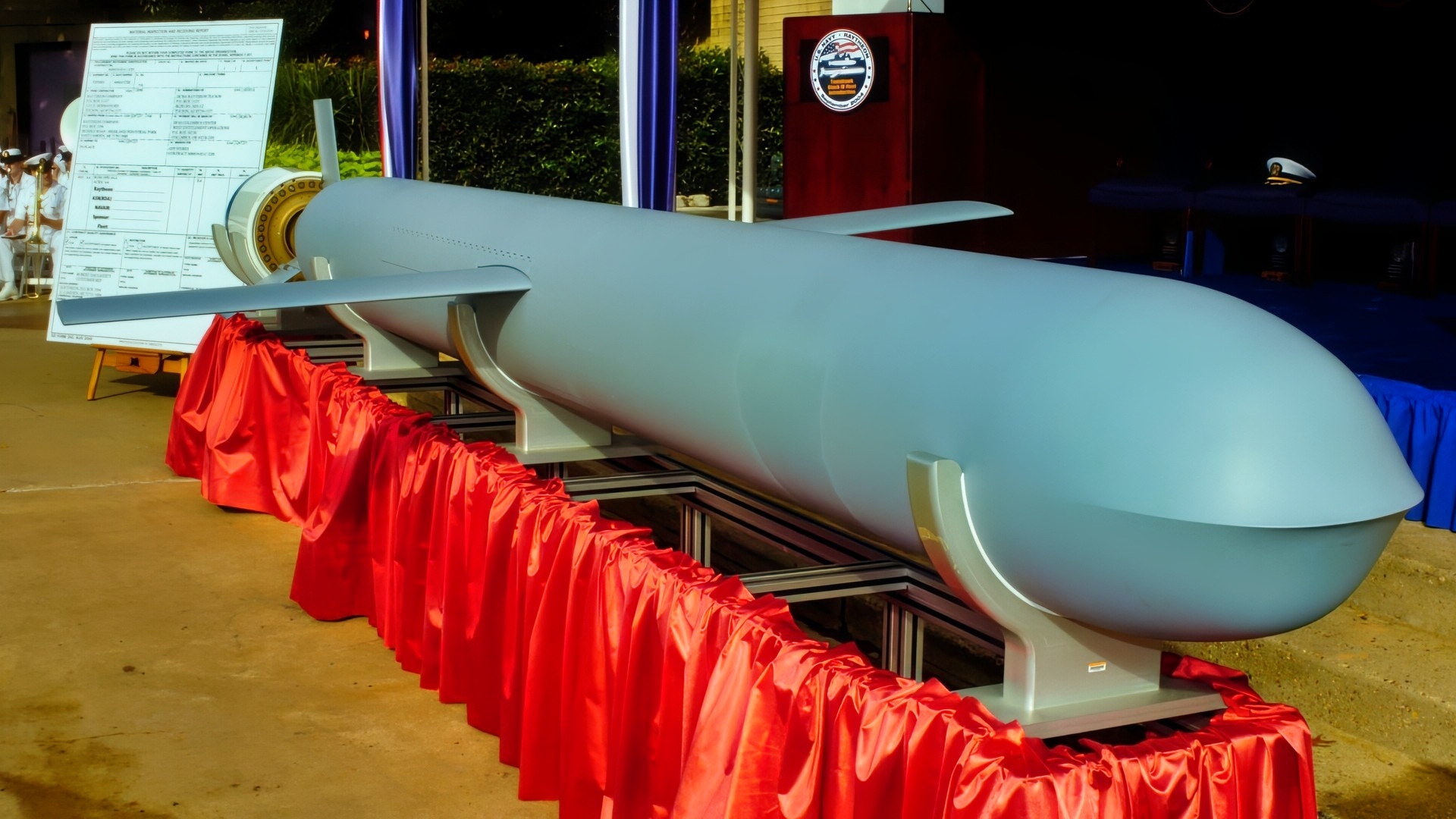
Tomahawk Block IV Missile. Image Credit: Creative Commons.
The attack on Thursday appears to show that Tehran is willing to enforce its threats despite the MOU with Washington that sought to limit or prevent continued hostilities during the 60-day negotiating window.
Rubio Draws Red Line
U.S. Secretary of State Marco Rubio, speaking between meetings in Bahrain on Thursday, expressed concern about the limits of the interim deal with Iran. Rubio was meeting with foreign ministers from the Gulf Cooperation Council – a group of six Gulf nations that all depend on the strait for energy exports.
Rubio said that members of the council have stressed the importance of “lasting regional peace and security” and that it requires “addressing the full spectrum of Iran’s threats, including its ballistic missiles, drones, and support of proxies.”
Rubio also said that while the United States wants a deal, it does not want one “at any price.”
“We want to ensure…that there is no part of this deal that’s undertaken that in any way undermines the security, the stability, or the prosperity of any of our partners in the Gulf region,” Rubio also said.
The comments seem to suggest that members of the Gulf Cooperation Council are unhappy with recent remarks by U.S. President Donald Trump suggesting that Iran may be permitted to retain some missiles so the deal is “fair.”
A Deal Under Pressure
The strike is just the latest example of how the interim agreement between Washington and Tehran cannot prevent hostilities in the region, nor can it prevent ongoing economic uncertainty if vessels do not believe passage is safe. Under the MOU, Iran and the United States have 60 days to negotiate a permanent arrangement, but a series of issues since the agreement’s signing have jeopardized any future deal.
Beyond existing disagreements about maritime routes, Washington and Tehran seemingly cannot agree on whether the permanent arrangement will permit the regime to collect tolls for passage. While President Trump insists passage will remain free, Iran continues to push for what is being called “maritime service fees” under any future agreement.
About the Author: Jack Buckby
Jack Buckby is a British researcher and analyst specializing in defense and national security, based in New York. His work focuses on military capability, procurement, and strategic competition, producing and editing analysis for policy and defense audiences. He brings extensive editorial experience, with a career output spanning over 1,000 articles at 19FortyFive and National Security Journal, and has previously authored books and papers on extremism and deradicalization.


