
Is Iran Preparing to Assassinate American Officials? – U.S. intelligence officials are warning that Iran is preparing new ways to retaliate against the U.S. and Israeli campaign to end its nuclear program, with plans on the table to assassinate American diplomats and government officials currently abroad. Officials say that some plots are also reaching advanced stages.
The warning was issued to Secretary of State Marco Rubio on Friday, October 23, in a memorandum. It comes as Washington orders diplomatic personnel to leave several countries in the Middle East over fears of Iranian attacks and the conflict widening into a broader regional war.
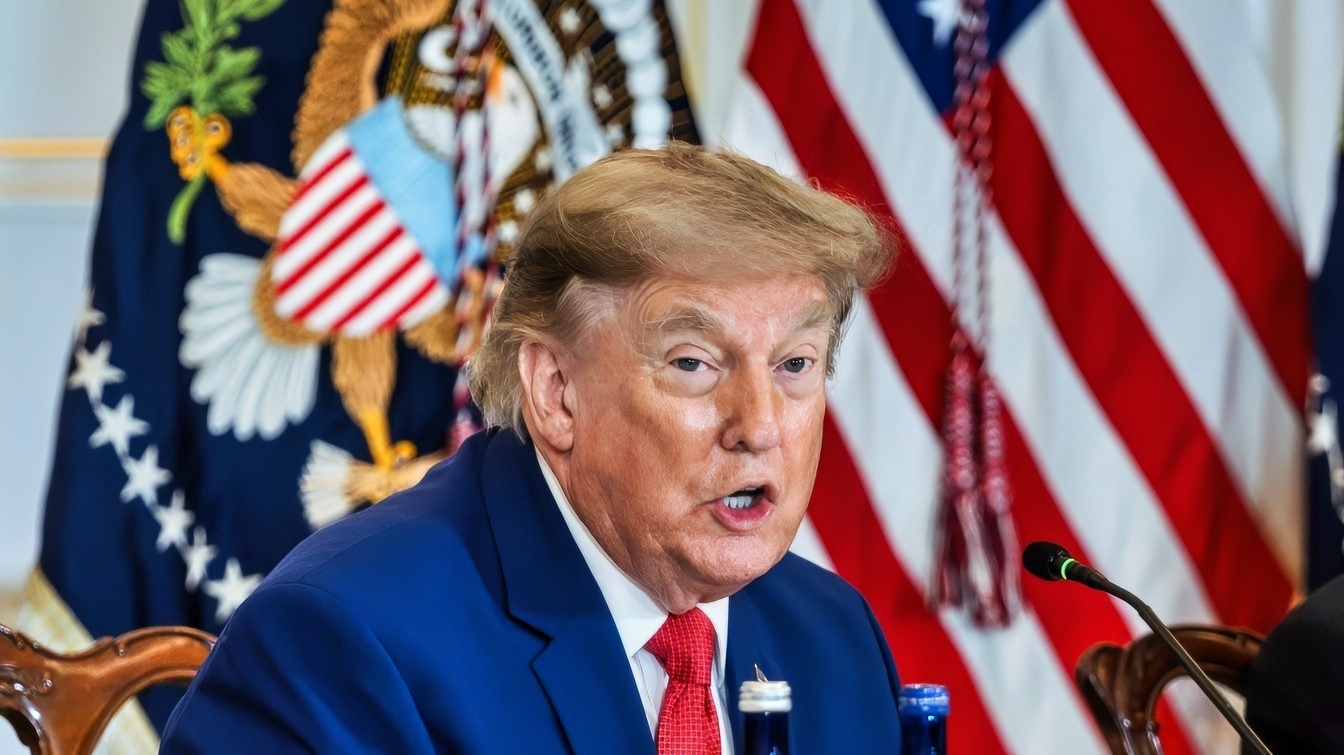
President Donald J. Trump, flanked by Secretary of State Marco Rubio and Secretary of Interior Doug Burgum, attends a roundtable for the American mining industry, Friday, August 7, 2026, at the U.S. Department of State in Washington, D.C. (Official White House Photo by Joyce N. Boghosian)
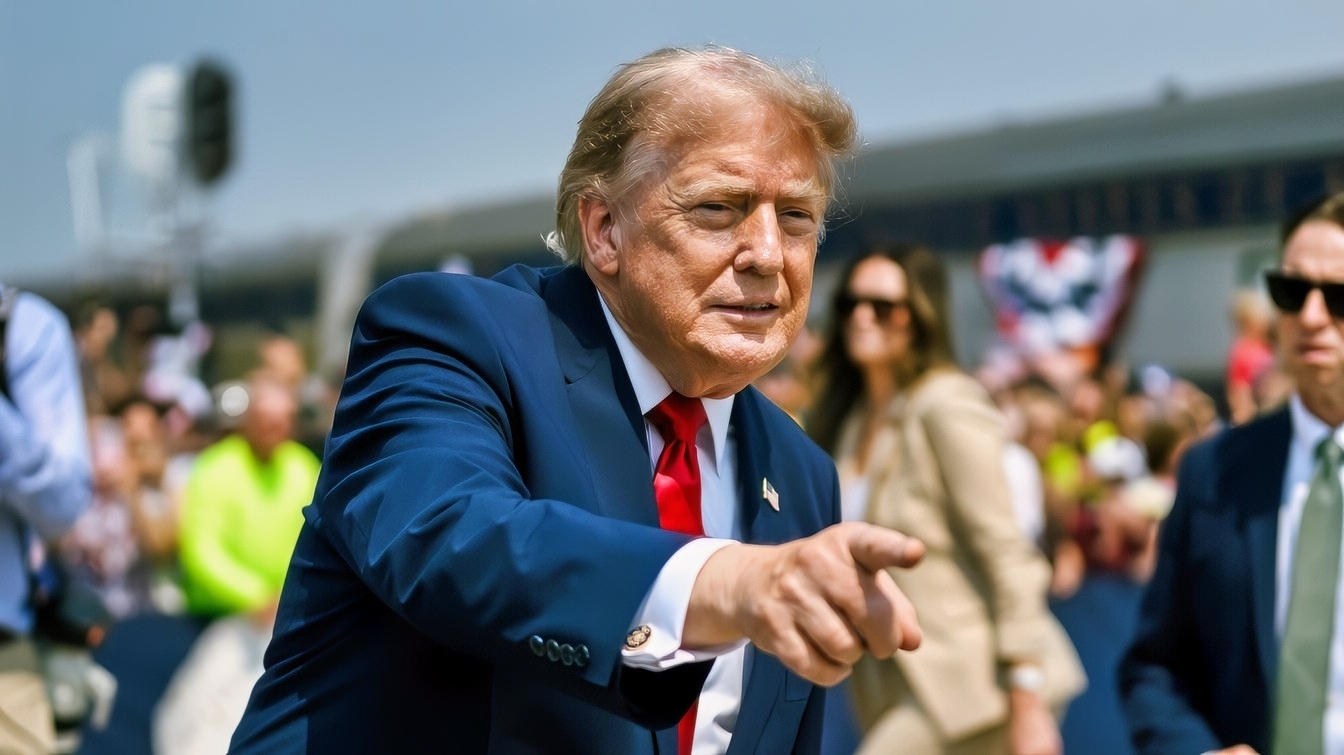
President Donald J. Trump greets the crowd in Medora, North Dakota, after arriving on the Freedom 250 Train en route to the grand opening of the Theodore Roosevelt Presidential Library, Wednesday, July 1, 2026. (Official White House Photo by Daniel Torok)
The intelligence memorandum, which was obtained by Axios and subsequently confirmed by other news organizations, describes how operatives working for Iran are preparing attacks against Americans throughout the Middle East and in other countries, although it does not identify any specific targets or explain where the plots are currently unfolding.
The news also comes as the Trump administration prepares for another round of major military strikes against Iran following the November 3 midterm elections. Iran-backed Houthis are also continuing their attacks on Saudi Arabian energy infrastructure and military installations. On October 24, the Associated Press confirmed that the U.S. State Department has begun reducing its diplomatic presence in four Middle Eastern countries in response to the threats.
What We Know
According to an Axios report, Director of National Intelligence Jay Clayton sent a one-page, unclassified memorandum to Secretary of State Marco Rubio on Friday that warned of intensifying Iranian efforts to target Americans across the Middle East. Clayton said that the U.S. intelligence agencies had received information that Iran had “substantially” increased its efforts to target U.S. personnel.
“Recognizing that the safety of U.S. government personnel abroad is a top priority for the State Department, the Intelligence Community, and the Trump Administration as a whole, it has become clear that certain intelligence and analysis regarding Iranian efforts to target U.S. government officials in the Middle East and certain other areas are relevant to more individuals than are currently cleared to receive this information,” the memorandum reads.
“Specifically, through various channels, we have received intelligence that Iran has substantially increased efforts to target U.S. personnel. The lethal plotting efforts by the Iranians against U.S. citizens have reached advanced stages in both the Middle East and certain other countries,” it continues.
The memorandum notes that the materials had been delivered to relevant senior staff and that more intelligence will be shared as it is made available.
Clayton offered to reduce the classification level of some of the underlying intelligence to allow the State Department to distribute the warnings more widely.
‘The memo did not specify which American officials are likely to be targeted, nor does it explain if the alleged operations involve agents representing the Iranian government or proxy groups working on behalf of the regime.
U.S. Orders Diplomatic Staff to Leave Middle East
The intelligence warning comes as the United States makes preparations to protect diplomatic officials throughout the Middle East, with evacuations and personnel reductions unfolding in recent weeks and days.
On Friday, October 23, the State Department confirmed that American embassies in Jordan, Lebanon, Qatar, and the United Arab Emirates would temporarily reduce their staffing levels.
An order was also issued earlier in the week that required nonessential American government personnel and their families to leave Saudi Arabia, including the U.S. Embassy in Riyadh and consulates in Dhahran and Jeddah.
On Friday, CNN reported that officials were reviewing the staffing on U.S. sites in Bahrain and Kuwait.
The State Department indicated after the reports, however, that there would be no personnel changes at those two posts.
One American diplomat spoke to the news outlet and described the latest departures as chaotic, adding that some families had only recently returned after previously being evacuated during earlier stages of the war.
A U.S. official also told ABC News that threats from both Iranian assassination operations and Houthi strikes were influencing the decisions behind the sudden evacuations.
Houthi Attacks Complicate Matters
The intelligence warning also comes as the State Department looks to protect American personnel from attacks by the Iran-backed Houthi rebels in Yemen, who have intensified their attacks against Saudi Arabia in recent weeks.
On Wednesday, October 21, an attack struck King Fahd International Airport near Dhahran in eastern Saudi Arabia, killing two people and injuring eight others. The victims included a Saudi citizen and an Indian national, both living in the kingdom.
Iran Threatens Wider Retaliation
Iran is also publicly threatening to broaden its range of targets as President Donald Trump mulls over a possible additional round of military strikes against Iran after the November 3 midterms.
Iranian officials are threatening to attack American military bases, commercial shipping, and undersea communications cables – and the latest intelligence suggests Tehran may be preparing to expand its retaliation well beyond military and economic targets to individual American citizens.
About the Author: Jack Buckby
Jack Buckby is a British researcher and analyst specializing in defense and national security, based in New York. His work focuses on military capability, procurement, and strategic competition, and he produces and edits analysis for policy and defense audiences. He brings extensive editorial experience, with a career output spanning over 1,000 articles at National Security Journal, and has previously authored books and papers on extremism and deradicalization


