


Iran Says Bushehr’s Reactor Is Still Operating. Satellite Images Show New Damage Inside the Nuclear Complex: Iran says its only operating nuclear power reactor remained online after strikes hit areas around Bushehr, yet satellite images taken days apart show new impact scars inside the nuclear complex. An Al Jazeera analysis of Sentinel-2 imagery found apparent damage that emerged between July 7 and July 12.
The imagery shows one apparent impact inside the Bushehr site and another around nearby support facilities. It cannot identify the weapon involved, establish who launched it, or confirm damage to the operating reactor, its cooling system, electrical supply, or containment structure.
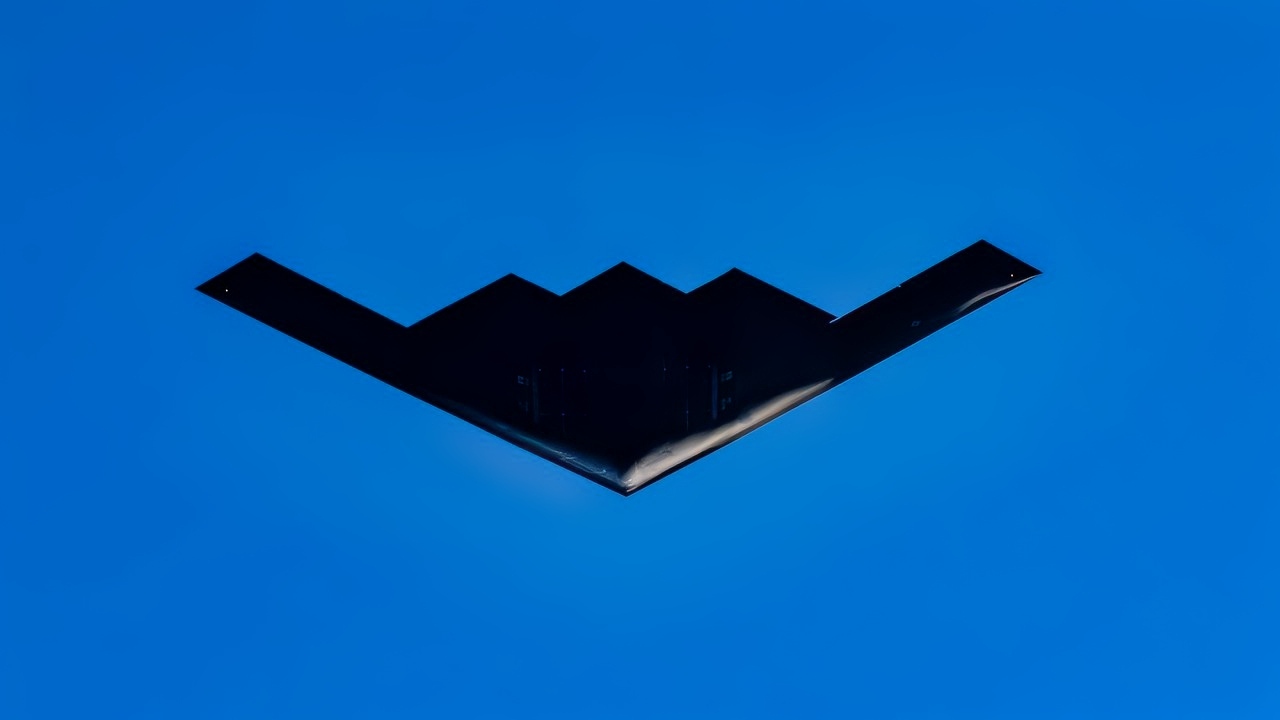
The B-2 Spirit flies over the Rose Parade at Pasadena Ca., Jan. 1, 2024. The Rose Parade is a parade of flower covered floats, marching band, and equestrian units that is produced by the Tournament of Roses. (U.S. Air Force photo by Airman 1st Class Bryce Moore)
U.S. Central Command said American forces struck approximately 90 Iranian military targets on July 8, including air-defense systems, coastal-surveillance assets, missile and drone storage sites, naval capabilities, and logistics infrastructure along Iran’s coast. The CENTCOM target statement did not identify Bushehr or any nuclear installation.
A Bushehr provincial official initially said areas surrounding the nuclear plant were among the locations struck, then said the reactor itself had not been hit and was operating normally. As of July 19, the IAEA’s public incident page listed several earlier projectile events at Bushehr in March and April, but no report covered the July imagery.
Satellite Images Complicate Iran’s Bushehr Account
The new imagery does not establish a nuclear emergency. It does narrow the gap between reports of strikes around Bushehr and physical evidence that something reached the wider plant complex. The absence of an immediate public radiological warning does not answer whether support buildings, electrical equipment, access routes, or construction areas were damaged.
Uncertainty has followed earlier attacks on Iran’s nuclear infrastructure. A National Security Journal assessment found that the condition of Iran’s nuclear program remained difficult to verify after major strikes on Fordow, Natanz, and Isfahan. Satellite imagery can reveal craters and destroyed structures, but it cannot provide the technical assessment available to inspectors inside a facility.
Bushehr also differs from Iran’s enrichment sites. It is a civilian power reactor containing operating nuclear fuel and radioactive material. An Associated Press review of the plant reported that its Russian-built reactor uses low-enriched uranium for electricity generation and produces up to about 1,000 megawatts.
Iran’s wider inspection dispute makes independent confirmation harder. A 19FortyFive analysis of the limits surrounding IAEA access in Iran explained why inspections and accurate declarations remain central to any credible nuclear agreement.
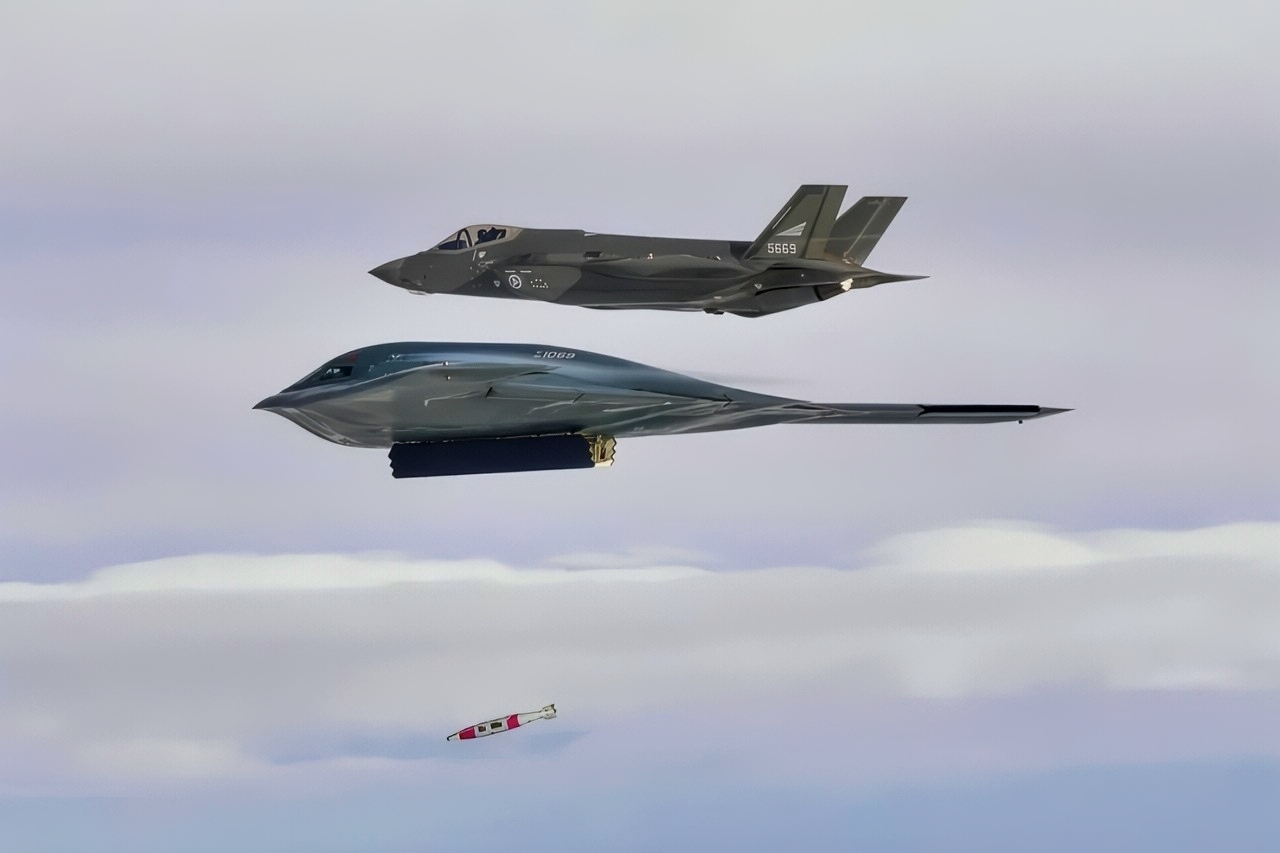
B-2 Bomber Dropping Bomb. Image Credit: DOD.
The IAEA Has Warned About a Direct Hit on Bushehr
IAEA Director General Rafael Grossi has described Bushehr as the Iranian nuclear site where an attack could have the most serious consequences. In a statement to the United Nations Security Council, he warned that a direct hit could cause a large radioactive release. He also said disabling the plant’s external power lines could create a core-melt risk.
That warning explains why the July images matter even if the reactor building remains intact. Nuclear safety depends on electricity, cooling, trained staff, communications, maintenance, and access to emergency systems. Damage elsewhere in the complex can still require a rapid technical review.
The United States previously concentrated on enrichment and fuel-cycle sites. National Security Journal documented how Operation Midnight Hammer targeted Fordow, Natanz, and Isfahan, facilities tied directly to Iran’s enrichment capacity. Bushehr presents a different risk because it is an operating power station beside the Persian Gulf.
U.S. Strikes Are Moving Closer to Iran’s Nuclear Power Sites
The July campaign has continued beyond the dates covered by the Bushehr satellite comparison. Iran’s Atomic Energy Organization said a U.S. strike also targeted the under-construction Darkhovin nuclear power plant in southwestern Iran, according to a Reuters report on renewed attacks. Tehran did not provide a damage assessment.
These incidents place nuclear installations inside an increasingly crowded strike environment. A 19FortyFive account of the path into the 2026 Iran war described how unresolved nuclear disputes and repeated military operations created the current cycle. Another 19FortyFive analysis warned that early tactical gains left difficult strategic questions about where the campaign would end.
The risk extends beyond immediate plant safety. National Security Journal argued that repeated attacks could strengthen Iran’s incentive to seek a nuclear deterrent, even as the strikes damage facilities and delay technical work.
Iran and the IAEA Need a Technical Damage Assessment
The IAEA conducted a routine inspection at Bushehr from June 1 through June 3, but access elsewhere in Iran remained sharply restricted, according to an Associated Press report on the agency’s inspection problem. That visit occurred before the apparent July impacts.
A new inspection would need to establish the condition of the reactor, cooling-water system, off-site and emergency power, safety equipment, spent-fuel arrangements, and affected support buildings. Public radiation readings would address only part of the problem because some safety failures can develop before material escapes into the environment.
Iran says the operating unit remains unaffected. The United States has not listed Bushehr among its declared targets. The satellite scars now require a detailed technical explanation from the plant operator and IAEA access before the condition of the complex can be assessed independently.
About the Author: Harry J. Kazianis
Harry J. Kazianis (@Grecianformula) was the former Senior Director of National Security Affairs at the Center for the National Interest (CFTNI), a foreign policy think tank founded by Richard Nixon based in Washington, DC. Harry has over a decade of experience in think tanks and national security publishing. His ideas have been published in the NY Times, The Washington Post, The Wall Street Journal, CNN, and many other outlets worldwide. He has held positions at CSIS, the Heritage Foundation, the University of Nottingham, and several other institutions related to national security research and studies. He is the former Executive Editor of the National Interest and the Diplomat. He holds a Master’s degree focusing on international affairs from Harvard University.


