

Shipping traffic through the Strait of Hormuz came to a near standstill after the US struck 90 targets in Iran for a second straight day, as it appears that the shaky Memorandum of Understanding (MoU) is no longer going to be addressed as a negotiating benchmark.
With fresh fighting and strikes on both sides, ships are wary of attempting to transit the Strait.
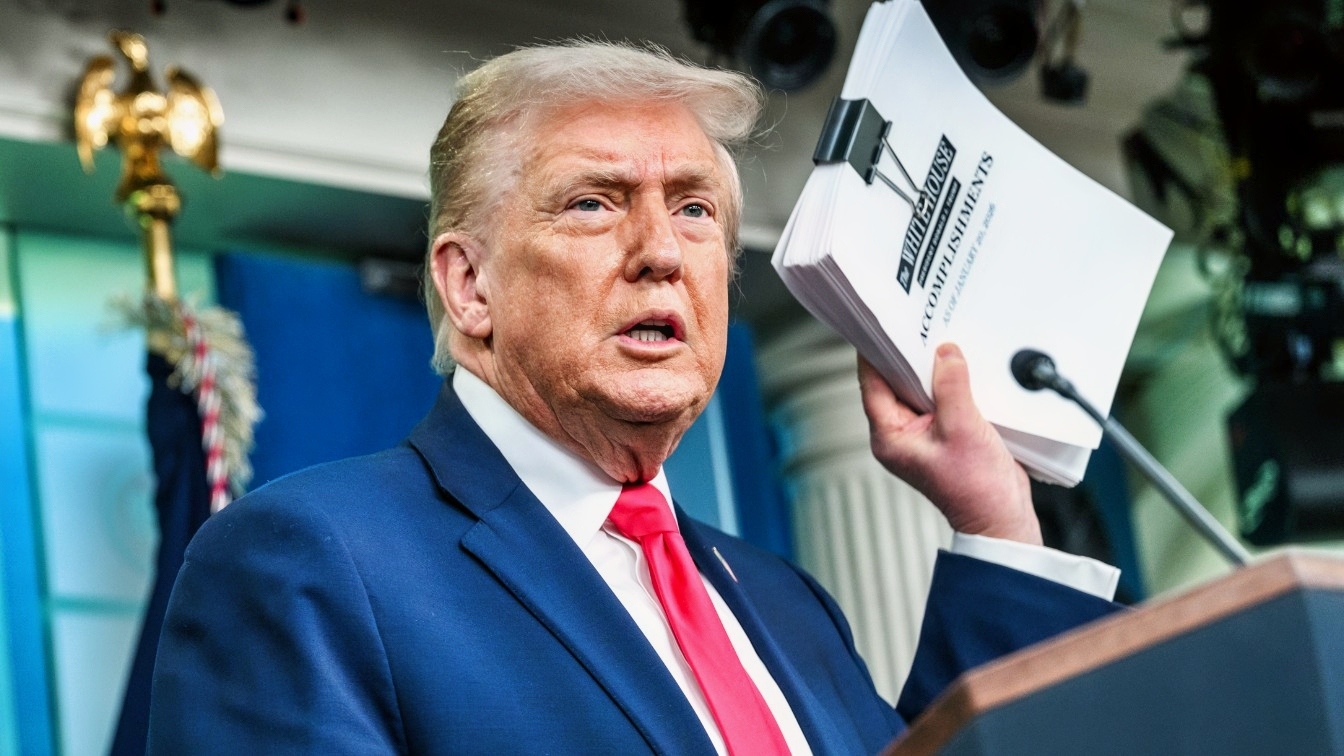
President Donald Trump addresses members of the media in the James S. Brady Press Briefing Room, Tuesday, January 20, 2026. (Official White House Photo by Joyce N. Boghosian)
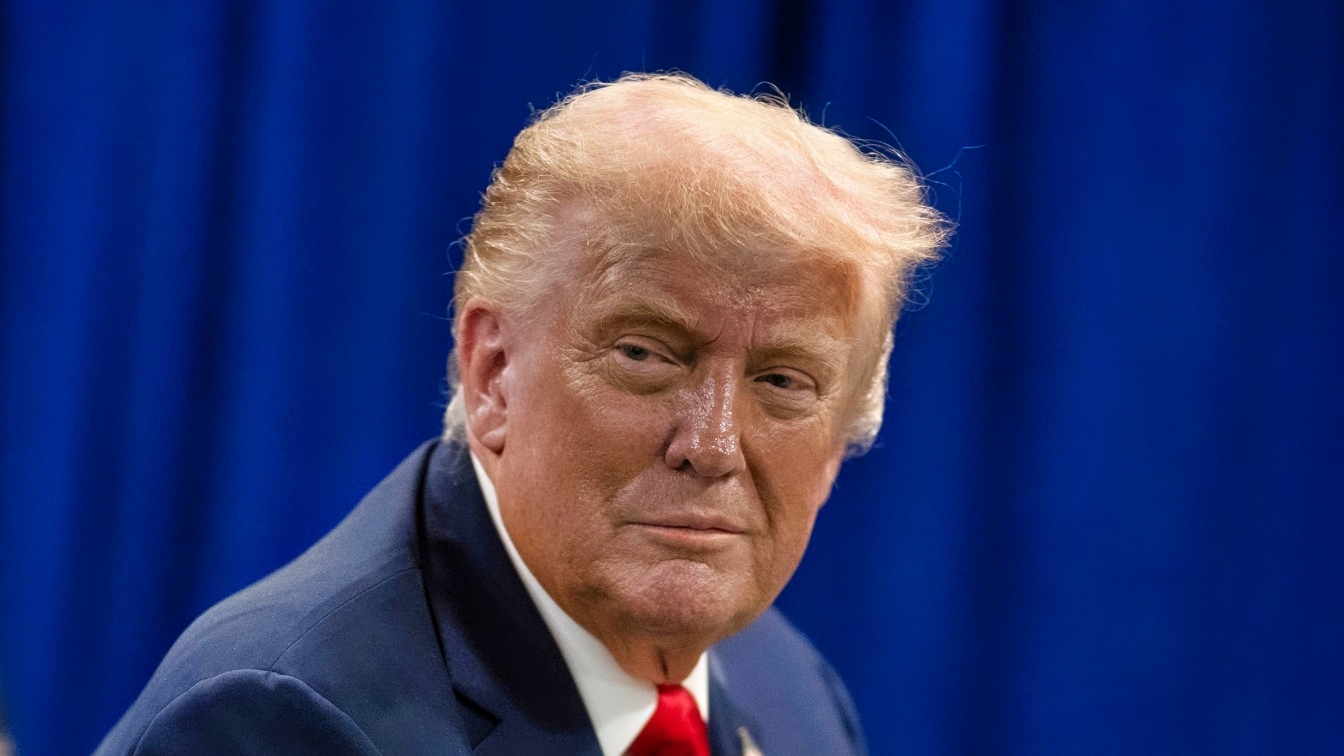
Donald Trump Meeting With French President White House Flickr Photo
And in early returns, it seems like Iran is getting ships to comply with its demands.
Ships Are Using The Iranian Corridor, None Via The Omani Side
A small number of vessels signaled their transit along the northern route controlled by Iran on Thursday, while the US-supported southern Omani corridor was empty of observable traffic, ship-tracking data showed.
However, due to Iranian threats and attacks on shipping in the Strait, especially on the Omani side, many oil tankers have been sailing through the Strait with their transponders turned off and not showing up on the radar of Iranian forces.
The Insurance Journal reported that 14 commodity carriers crossed the strait in both directions on Wednesday, the least since the interim peace deal in mid-June. This was in stark contrast to the recent uptick in traffic following the signing of the MoU in mid-June.
Until the three ship attacks by Iran earlier this week, the average number of ships transiting Hormuz was 34, with a high of 59 on June 24.
Iranian Tankers Are Streaming Out Of The Strait Fearing A Blockade
Perhaps worrying about the US potentially blockading its coast again, Iranian tankers have been transiting the Strait.
Iran shipped out 10 million barrels of crude and fuel overnight, according to a CNN report, citing maritime shipping tracker TankerTrackers.
The increase marks a significant ramp-up after Iran exported a total of 60 million barrels of oil over the past three weeks, the report added, citing Windward Intelligence.
The US naval blockade was conducted to cut off Iran’s oil exports, deter attacks on commercial shipping in the Strait of Hormuz, and pressure the regime into accepting US terms on security, nuclear issues, and freedom of navigation in the strategic waterway.
The US said the blockade specifically targeted ships entering or leaving Iranian ports, while allowing vessels trading with other Gulf states to continue operating.
The blockade was reportedly introduced to cut off Iran’s oil exports, deter attacks on commercial shipping in the Strait of Hormuz, and pressure Tehran into accepting US terms on security, nuclear issues, and freedom of navigation in the strategic waterway.
The US said the blockade specifically targeted ships entering or leaving Iranian ports, while allowing vessels trading with other Gulf states to continue operating.
The blockade reportedly prevented Iran from receiving billions of dollars from its oil and gas revenue.
Marine Insurers Advise Shipping Companies To Pause Strait Traffic
Due to the return of hostilities and the attacks on ships in the Strait, marine war-risk insurers are advising shipping companies to pause voyages through the Strait of Hormuz.
Rates have surged toward 3 percent of a vessel’s value, and underwriters are actively reviewing policies as the UN’s International Maritime Organization warns operators to avoid the area.
Bloomberg’s report stated that London marine insurers also reported seeing fewer inquiries for journeys to transit the strait.
Traffic Is Down, But Analysts Already Point To “The World Adapting”
Despite the United States and Iran trading fresh attacks on each other, and Iran targeting other countries in the Gulf, and the traffic in the Strait of Hormuz grinding to a near halt, the markets are not panicking.
“Hormuz confidence erodes again,” Kpler, a data and tracking service, wrote, noting that crude oil is still making passage. But the attacks and “a decline in forward tanker positioning have weakened confidence in the reopening.”
Oil futures saw a quick price bump this week as news of the attacks broke, but markets quickly recovered and posted small gains on Thursday. And many market analysts believe that the world has already adapted to withstand energy shocks from the Middle East.
“The broader economic damage could be smaller than feared,” Dan Alamariu of Alpine Macro, an investment research firm that is part of Oxford Economics, wrote on Thursday. “The world has adapted.”
However, market fears of an oil glut just a few days ago have been replaced by concern that, if the fighting persists for months, global oil inventories could once again be affected.
However, Hamad Hussain, a climate and commodities economist at Capital Economics, foresees a new ceasefire and renewed traffic in the Strait. “We think Brent crude prices will settle close to current levels at the end of this year.”
About the Author: Steve Balestrieri
Steve Balestrieri is a National Security Columnist. He served as a US Army Special Forces NCO and Warrant Officer. In addition to writing on defense, he covers the NFL for PatsFans.com and is a member of the Pro Football Writers of America (PFWA). His work was regularly featured in many military publications.


