

Oil prices are falling back to pre-Iran conflict levels despite ongoing geopolitical supply risks, as global demand softens and the market prices in rising exports from the Persian Gulf.
Traders are betting that diplomatic efforts—such as the recent U.S.-Iran ceasefire and increased tanker traffic through the Strait of Hormuz—will avert a severe supply crunch.
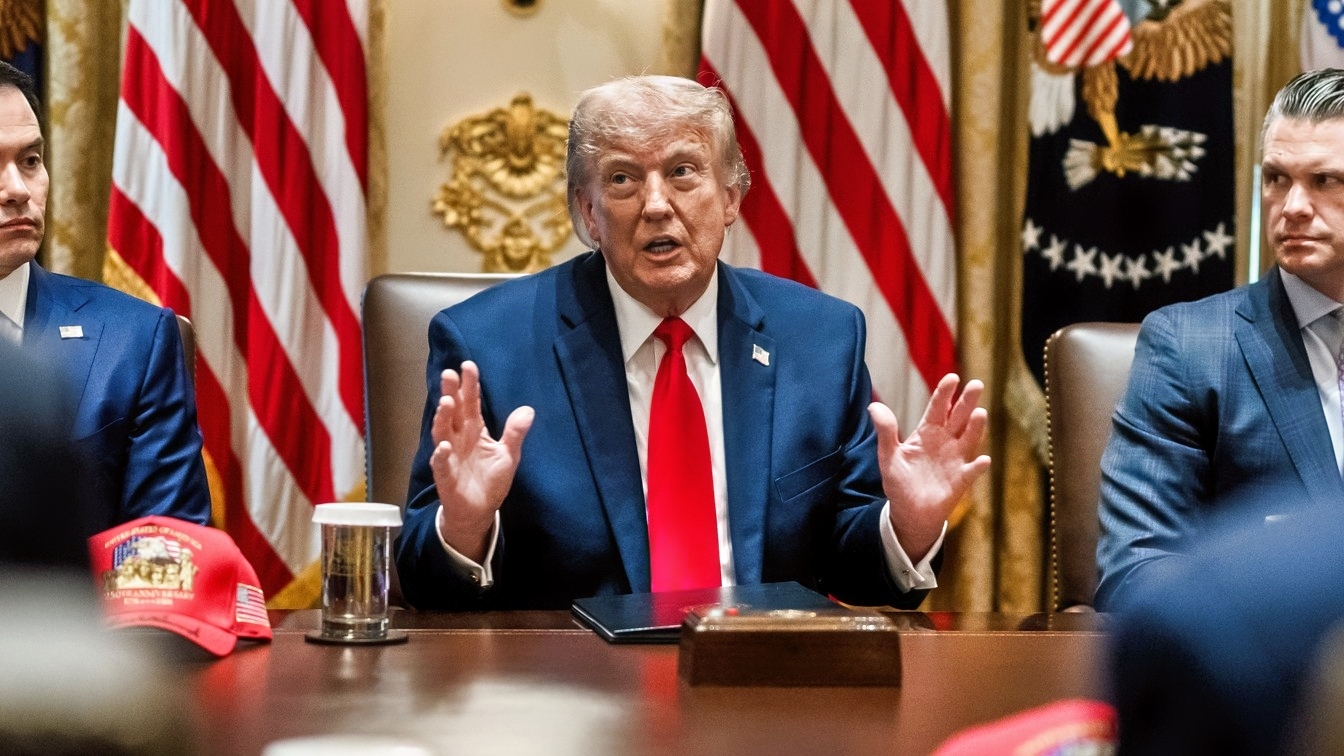
President Donald J. Trump holds a cabinet meeting in the Cabinet Room Wednesday, May 27, 2026. (Official White House Photo by Daniel Torok)
However, other analysts are concerned that an overly optimistic market isn’t taking into consideration the risk of continuing supply challenges, not least of which was the fresh fighting in the Gulf, resulting in Iran striking Bahrain and Qatar, while the US hit targets in Iran.
In addition to that, most analysts believe that the traffic in the Strait of Hormuz is unlikely to return to pre-conflict levels anytime soon, due to Iran’s insistence on asserting control over the waterway and charging tolls or fees for ships passing through the Strait.
Ships Passing Through The Strait, But Will They Return?
Nikos Petrakakos, managing director of investments at Tufton Investment Management, said that, although ships are emerging through the Strait for now, many shipping companies are unsure about sending vessels back through the waterway in the future, citing obvious concerns over whether the peace deal will hold, the dangers of remaining sea mines and elevated war-risk insurance premiums.
“Even though there is some more motion going on, in general, we’re nowhere near being back to where it was,” Petrakakos said in an interview with CNBC’s “Europe Early Edition” on Monday.
Irina Slav wrote on Oilprice.com that falling prices are tied to stranded tankers exiting the Strait, but there aren’t new tankers streaming in to refill them.
“The market is largely focused on the resumption of oil flows through the Strait of Hormuz, which continues to increase,” IMG, the Dutch bank’s commodity team, wrote today. “However, much of the increase reflects previously stranded vessels leaving the Persian Gulf. Vessel flows into the Gulf remain much more modest.”
The Wall Street Journal quoted Phillips 66’s chief executive, Mark Lashier, as estimating some 90 to 100 million barrels set to leave the strait and adding, “Then the question is: Who will be brave enough to send ships back in? Will they be able to get insurance? How does that all play out?”
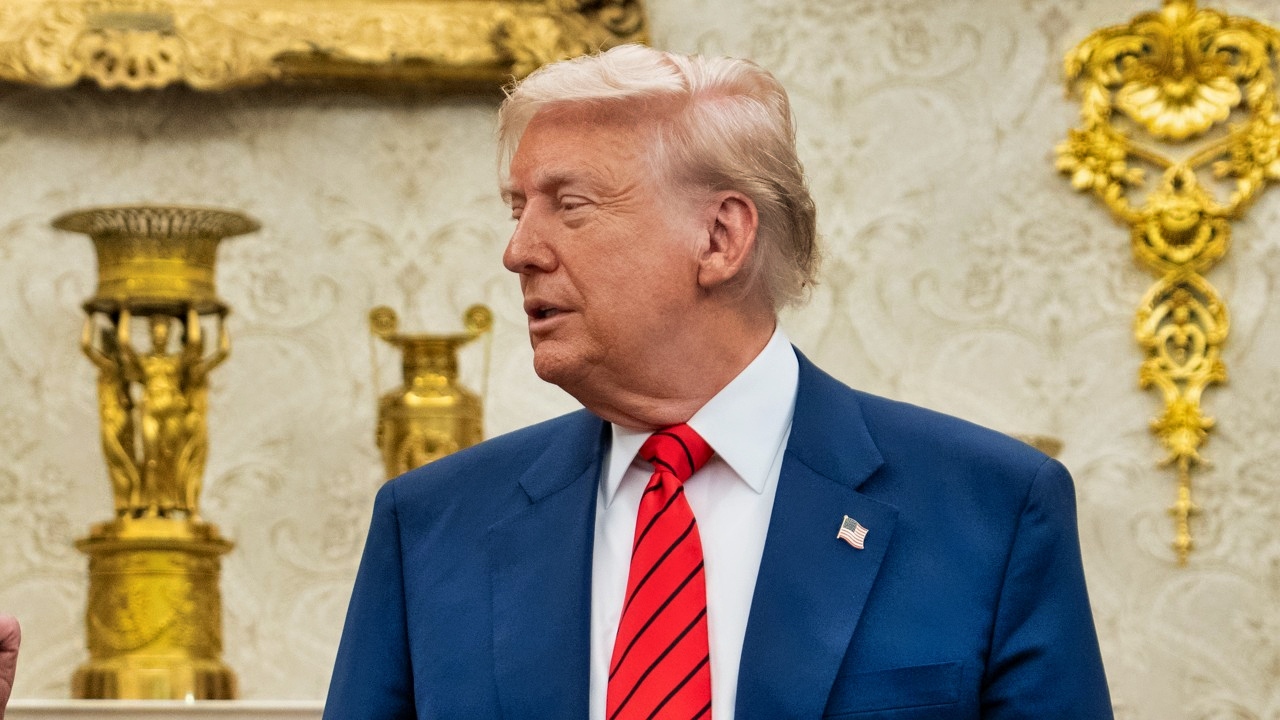
President Donald Trump meets with Canadian Prime Minister Mark Carney, Tuesday, May 6, 2025, in the Oval Office. Vice President JD Vance attends. (Official White House Photo by Emily J. Higgins)
“I think insurance will only really start moving in, I would say, in months,” Petrakakos said, adding that it takes time for insurers to become comfortable before lowering premiums, highlighting the issue with Houthi attacks in the Red Sea.
“They really will need to see that this is not just an agreement on paper,” he added. “They’ll need to see that this is being implemented and actually staying together for a while before we see full normalization of traffic and reduction of premiums.”
Alternatives To The Strait Are Being Sought
Some countries, such as Japan and South Korea, concerned about Iran cutting off shipping through the Strait in the future, are intent on bypassing oil from the Strait altogether, seeking alternative markets in the United States, Canada, Venezuela, and elsewhere.
Saudi Arabia and the UAE are moving more oil via pipelines that bypass the Strait, reducing the amount of oil that must pass through it and delivering oil to the Red Sea and the Gulf of Oman.
Renewed Fighting Along The Strait Seems To Have Stopped For Now
Iran and the United States agreed to halt renewed hostilities in the Gulf and renew talks regarding their dispute over the Strait of Hormuz, a U.S. official said on Sunday, after days of tit-for-tat strikes.
The Iranians fired three drones and hit a cargo vessel in the Strait of Hormuz on Thursday, for sailing on the Omani side of the Strait of Hormuz, stating that any shipping must be done via communication with them and on the northern (Iranian) side of the Strait.
The US then conducted airstrikes along Iran’s coastline, targeting 10 different drone and ballistic missile launch sites.
Meanwhile, fighting continued in Lebanon.
Israel said on Sunday it had struck Iran-backed armed Hezbollah militants in Lebanon, destroying underground infrastructure used by the group in a village in southern Lebanon.
“Technical talks are slated to continue on all areas of the MOU. Both sides will stand down for now, and vessels can move freely,” the official said, referring to the 14-point memorandum of understanding that was agreed on June 17, under which the strait would be re-opened for traffic.
Iran Trying To Control The Strait, Western Companies Unlikely To Pay
In the interview with CNBC, Petrakakos said that shipping companies are not coordinating with the Iranians in advance, characterizing the issue as a “slippery slope” that could expose them to penalties later. Some operators, he added, are switching off transponders to obscure vessel locations.
“Before this war, Iran really had no power or say over what goes through the Strait of Hormuz,” Petrakakos said. “That is a status quo that’s changed going forward. I don’t see Iran going back to where it was before.”
Tehran Is “Pretending” The Strait Is Like The Panama Canal
He said Iran is “pretending as if it’s some sort of canal like the Suez Canal or the Panama Canal, and trying to have some control over how the vessels pass through.”
“Iran is using its leverage aggressively to make the point that they are the ones that will control shipping, especially through that southern lane,” Amrita Sen, founder and director of research at Energy Aspects, said. “Western companies are simply not going to be allowed to pay that toll.”
So, while oil is flowing out of the Strait of Hormuz, as stranded tankers are streaming out as quickly as possible before any other disruptions occur, and prices fall because of that influx of oil to the markets, what happens after oil is sold, and will companies seek to return or find supplies elsewhere?
About the Author: Steve Balestrieri
Steve Balestrieri is a National Security Columnist. He served as a US Army Special Forces NCO and Warrant Officer. In addition to writing on defense, he covers the NFL for PatsFans.com and is a member of the Pro Football Writers of America (PFWA). His work was regularly featured in many military publications.


