


Anyone watching news from the Russia-Ukraine war with any degree of regularity is by now used to seeing the spectacular footage after a Ukrainian attack drone has impacted one of Moscow’s many oil refineries.
The inevitable immediate reaction is usually one of storage tanks exploding, volcanic-like fire plumes, and massive columns of black smoke rising high into the sky.
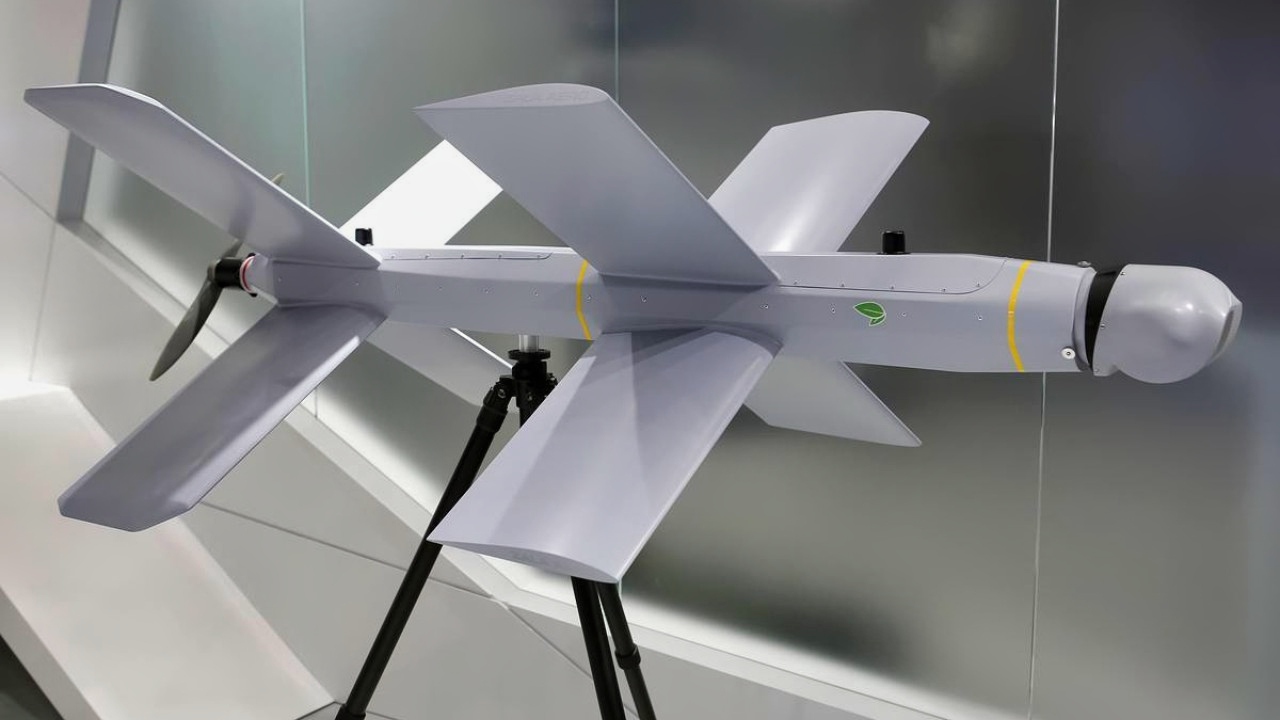
Lancet Drone. Image Credit: Russian State Media.
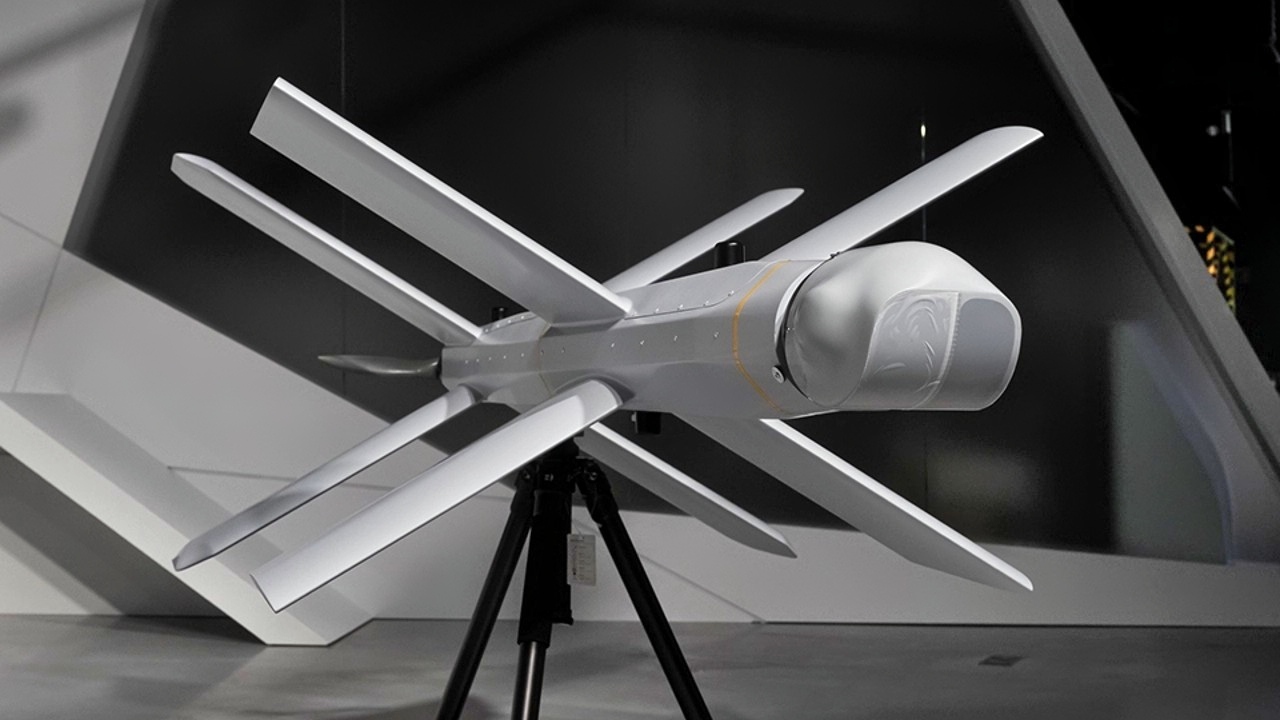
Lancet Drone from Russia. Image Credit: Creative Commons.
This war by Ukraine’s drone forces on Russia’s oil industry has had the desired effect of causing disruptions for Moscow’s military and the population in general.
Russians now queue for sometimes more than 24 hours to fill up their vehicles due to nationwide petrol shortages.
Russian President Vladimir Putin has also been forced to cut off exports of petroleum products to ease shortages – a move that costs Moscow dearly, as it means losing export earnings.
The understandable impression is that the rising woes of the major oil companies in Russia are all the doing of Ukraine’s expanding drone army.
But writing in an analysis for the Washington, DC-based Jamestown Foundation, long-time Russia analyst Paul Goble details how these drone attacks are “far from the only threat to Russia’s oil industry. Other, less dramatic threats are likely to prove more significant.”
Lack of Maintenance
Anyone who has ever stayed in a Russian hotel, eaten in a Russian restaurant, or had cause to frequent any other public places knows that maintenance is not a strong suit of this culture.
The typical pattern is for something to be built by a foreign construction firm, and then very little is done in the way of upkeep once the initial building contract is completed.
Sooner or later, things begin to fall apart. Water lines start breaking down. Electrical systems begin failing. Repairs are often along the lines of the proverbial “spit and baling wire” level of sophistication.
The Russian oil industry is no exception here.
“Much of Russia’s pipeline network and tanker capacity, dating from Soviet times, is aging and increasingly prone to leaks, reducing the flow of oil to refineries and export markets on which the Kremlin relies while fueling growing anger among Russians,” says Goble.
“As older fields are exhausted, Russia is being forced to develop new ones in the Far North, where global warming threatens infrastructure and collapse and requires money Moscow lacks or refuses to spend to prevent new disasters,” he wrote on 30 July.
This creates numerous problems, and not just in the civilian world, where people do not have the petrol they need to drive to the market.
Russia’s diesel shortage is causing disruptions across the nation and is becoming a crisis in its own right. The lack of diesel has led the Kremlin to extend the ban on the export of this product until the end of January 2027.
Concern Over Public Order
Russian officialdom has tried to tamp down panic among the public. This is not just due to petrol shortages, which have been partially relieved by changes in distribution networks.
Those Russians who understand the economic order of consequences and the domino-like impact of fuel shortages know that a chronic lack of supply in Russia’s oil sector can lead to long-term, debilitating problems.
In an effort to control public reactions, the Russian government has stopped allowing coverage of these worsening shortages and the collapse of refining capacity in the national media.
Data that could allow analysts to track and project the immediate future of the energy market is no longer being released or is being classified.
The “no bad news allowed” rule has already been in place for some weeks now.
Huge fires at warehouses belonging to Wildberries, the Moscow analog to Amazon in the US, have received minimal coverage, while Russian media endlessly report on wildfires burning near Bordeaux in France and in Spain’s capital, Madrid.
Yesterday, 3 August, the petroleum industry news site, OilPrice.com, carries the headline “Russia Is Running Out of Soldiers, Oil, and Time.” As the article recounts, “at a recent Atlantic Council Eurasia Center forum, former Russian Federation officials said increased oil sanctions could tip Russia’s economy into crisis.”
The European Union’s 21st sanctions package is also declaring war on Russia’s oil sector. Specifically, it attacks Ukraine’s shadow fleet that illegally exports oil and provides a good portion of Moscow’s export revenues.
Under the new regulations, any vessel caught refueling, towing, or conducting ship-to-ship cargo transfers with a blacklisted shadow tanker will now automatically be designated and hit with a total maritime services ban.
Another major escalation in the new regs allows EU countries to confiscate and sell oil cargoes discovered on detained shadow fleet vessels.
At the same Atlantic Council forum, the now-exiled and former Russian Prime Minister Mikhail Kasyanov stated: “Mr. Putin will face a big problem by the end of this year […] This is a good period of creating, I would say, coordinated pressure on Putin on all sides: Ukraine, the West, and of course, growing problems in Russia.”
About the Author: Reuben F. Johnson
Reuben F. Johnson has thirty-six years of experience analyzing and reporting on foreign weapons systems, defense technologies, and international arms export policy. Johnson is the Director of Research at the Casimir Pulaski Foundation. He is also a survivor of the Russian invasion of Ukraine in February 2022. He worked for years in the American defense industry as a foreign technology analyst and later as a consultant for the U.S. Department of Defense, the Departments of the Navy and Air Force, and the governments of the United Kingdom and Australia. In 2022-2023, he won two awards in a row for his defense reporting. He holds a bachelor’s degree from DePauw University and a master’s degree from Miami University in Ohio, specializing in Soviet and Russian studies. He lives in Warsaw.


