

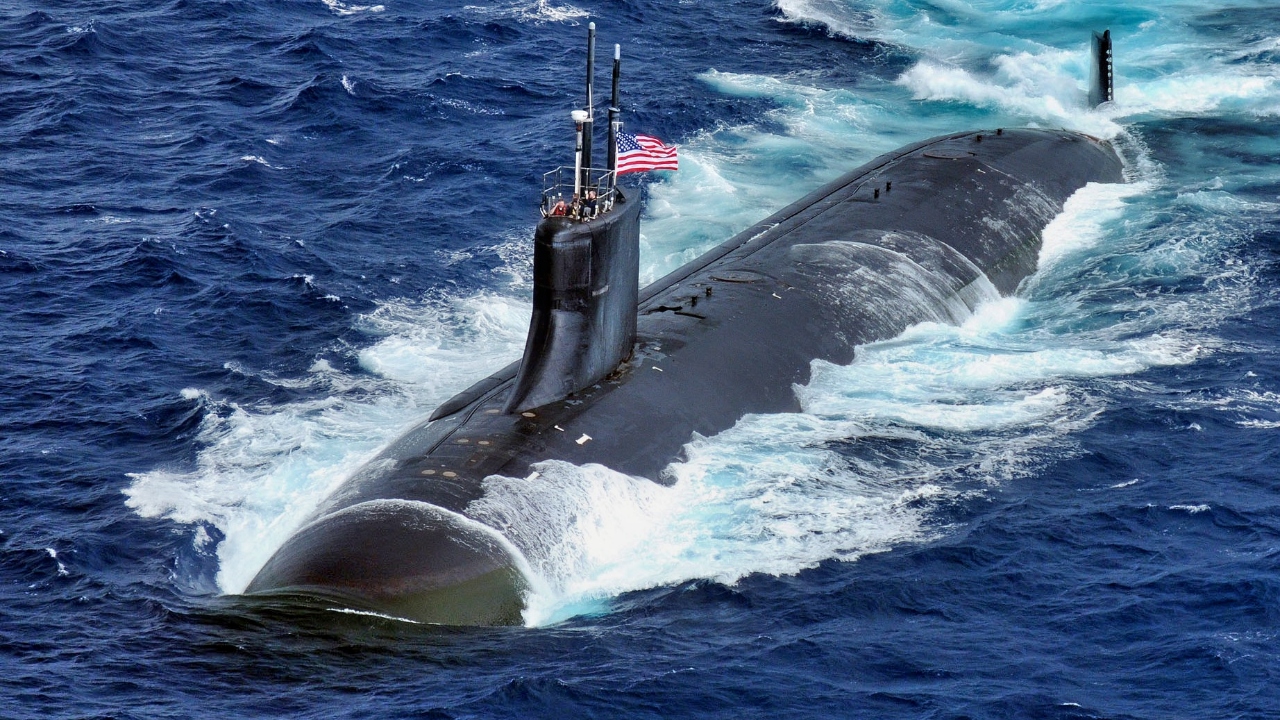
One of the greatest moments of my career was going to see a real Seawolf-class submarine, the USS Connecticut, in drydock in Groton, Connecticut, at Electric Boat back in 2004. But times change, and the wear and tear on this elite submarine is starting to mean her retirement is near, twenty-two years later. And now we have a date: 2031, but it won’t be without some drama, which seems typical of anything the U.S. Navy does these days.
USS Connecticut: The Math Problems and Retirement Dance
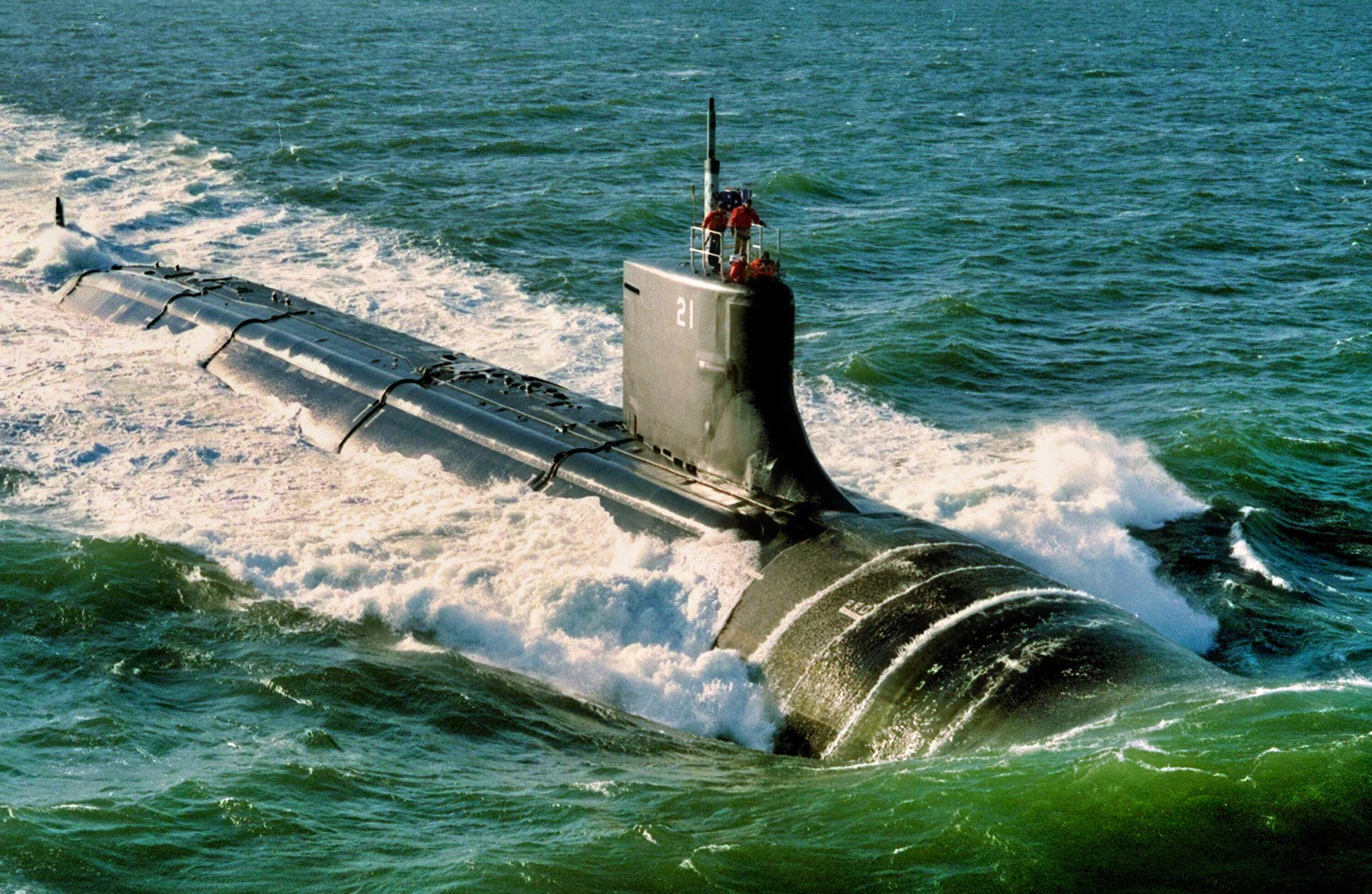
Seawolf-Class. Image Credit: Creative Commons.
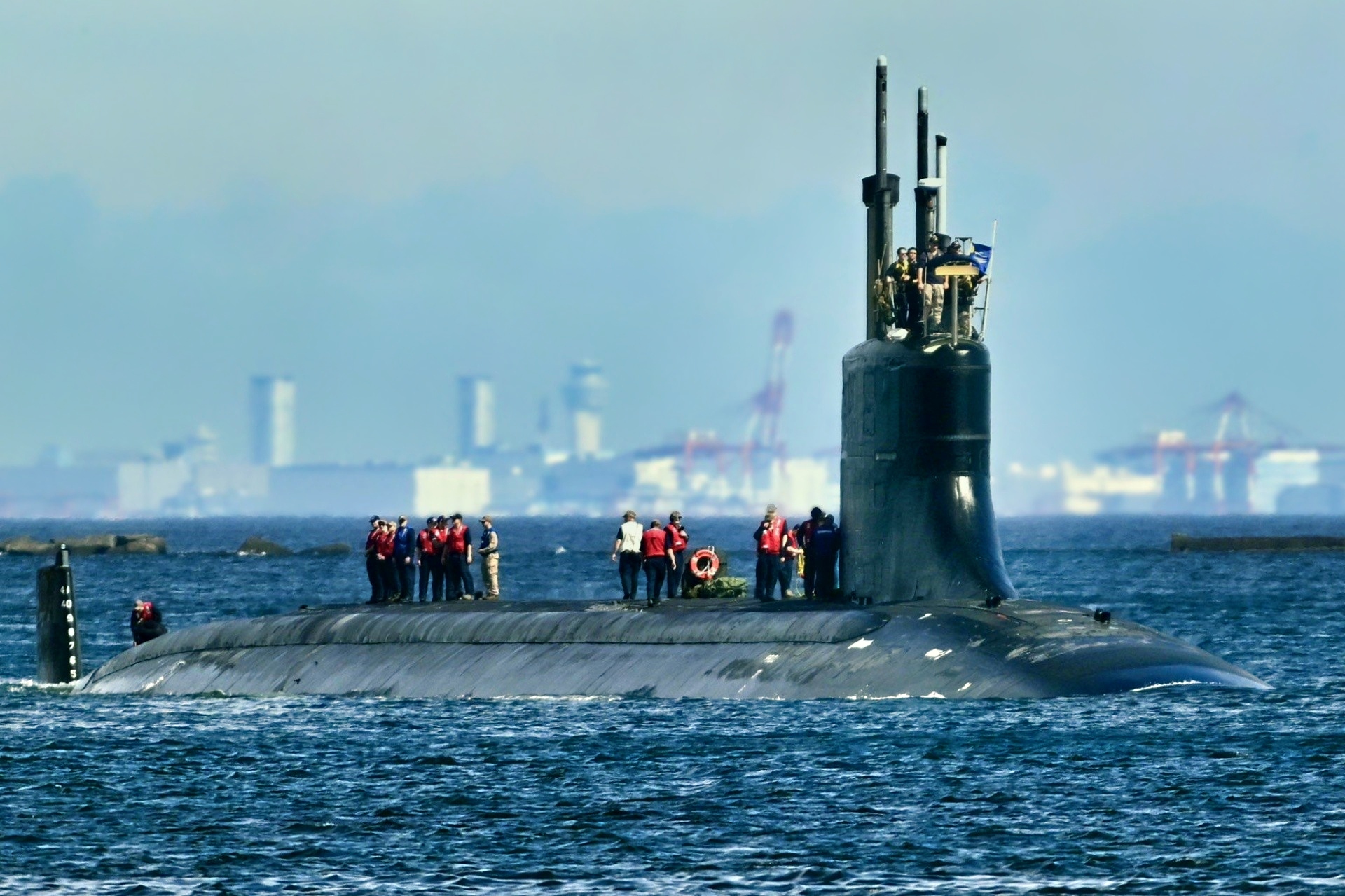
Seawolf-Class Submarine. Image Credit: Creative Commons.
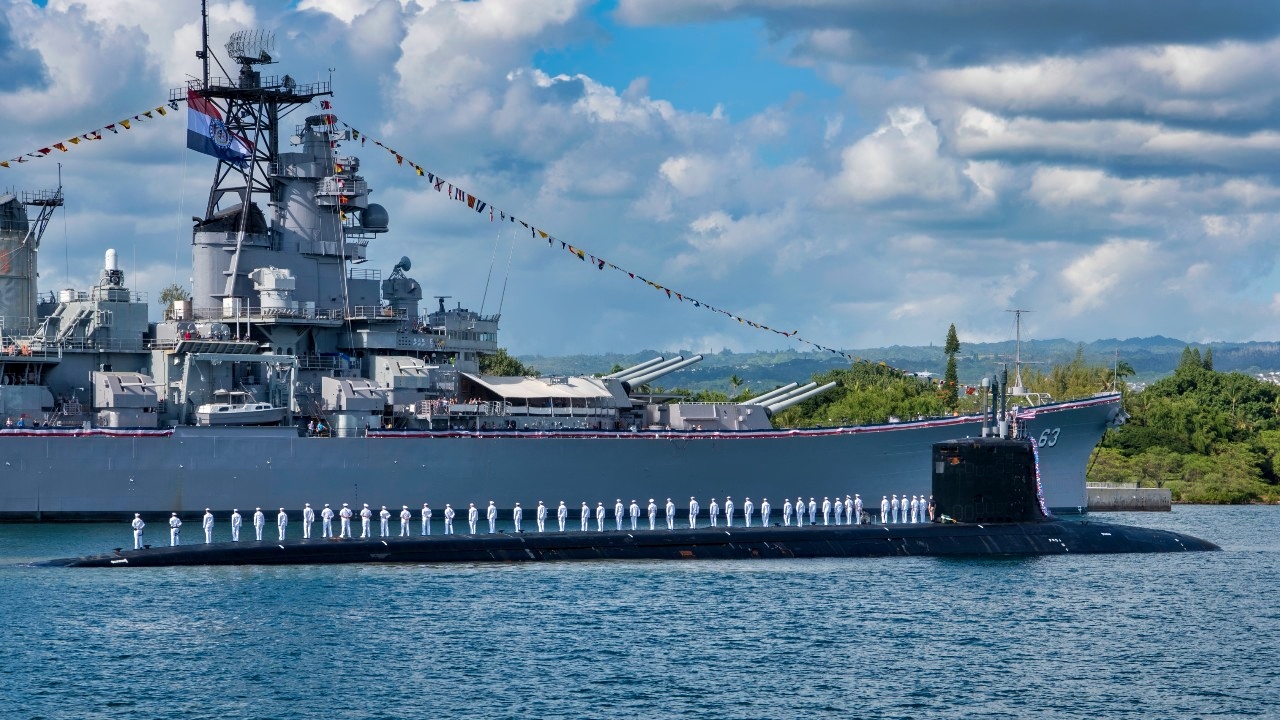
The crew of the Virginia-class fast-attack submarine USS Missouri (SSN 780) render honors to the Battleship Missouri Memorial following a homeport change from Groton, Connecticut. (U.S. Navy photo by Mass Communication Specialist 2nd Class Michael H. Lee/ Released)
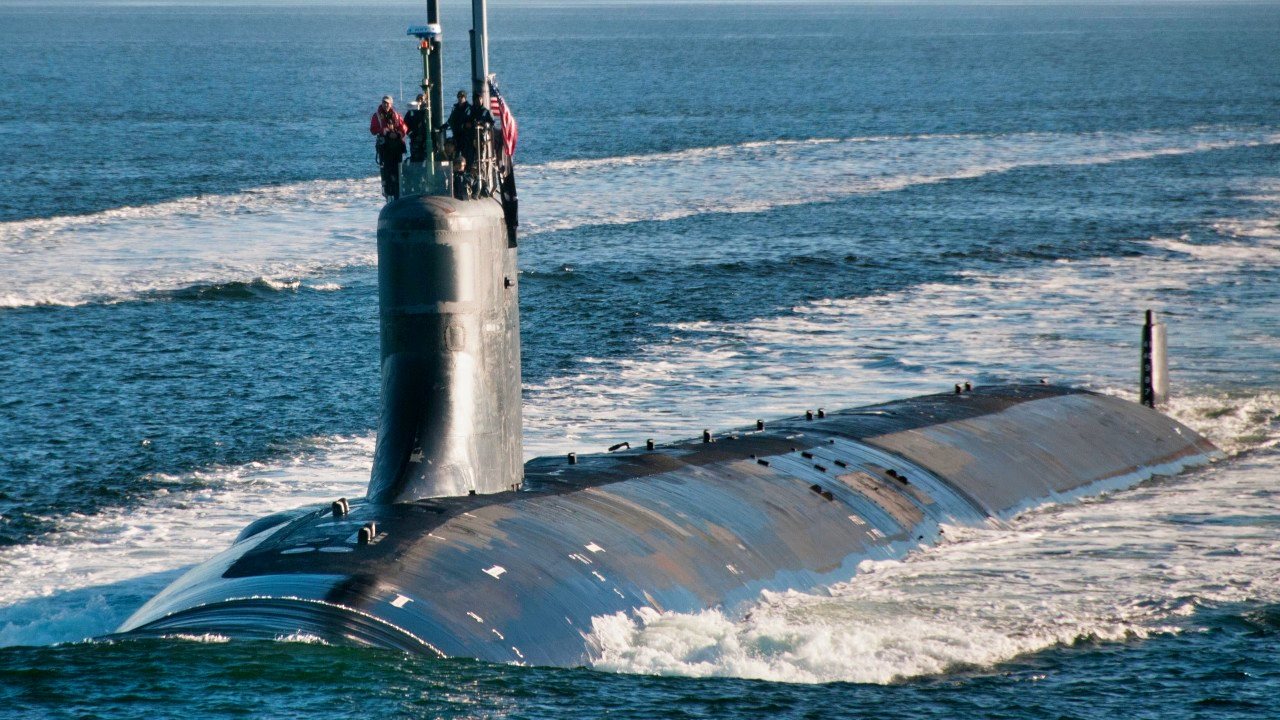
PUGET SOUND, Wash. (Sept. 11, 2017) The Seawolf-class fast-attack submarine USS Jimmy Carter (SSN 23) transits the Hood Canal as the boat returns home to Naval Base Kitsap-Bangor. Jimmy Carter is the last and most advanced of the Seawolf-class attack submarines, which are all homeported at Naval Base Kitsap. (U.S. Navy photo by Lt. Cmdr. Michael Smith/Released)
The arithmetic looks like something out of a government-waste hearing. The US Navy has spent roughly $80 million repairing the USS Connecticut, a Seawolf-class attack submarine that smashed into an underwater mountain in 2021, and when she finally returns to service this fall, she will be nearly 30 years old with a retirement date already inked for 2031.
Five years in the shipyard. Eighty million dollars and change. Five years of service left at the end of it. Any taxpayer would be forgiven for asking what kind of organization makes that trade. The uncomfortable answer is: a navy with no better options, and that is the real story hiding inside the strange math.
The Seamount Collision That Sidelined A Seawolf
Start with how one of America’s most prized submarines ended up broken in the first place. On October 2, 2021, the Connecticut was running a classified mission in the South China Sea when she struck an uncharted seamount, an underwater mountain that appeared on no chart her crew was using.
The impact sheared away her bow dome, wrecked her sonar, damaged ballast tanks, and injured sailors, forcing the boat to surface and limp to Guam and then all the way across the Pacific, on the surface the entire way, to the Puget Sound Naval Shipyard in Washington state.
The Navy’s investigation pulled no punches. It blamed poor leadership and seamanship for the grounding, citing failures in navigation planning and risk management, and the boat’s commanding officers were dismissed.
This was not an act of God; it was a preventable accident aboard one of the most sophisticated machines the United States has ever built, and the Navy said so. Congress moved quickly, approving an initial $50 million for emergency repairs, including $10 million for a new bow dome, but those tranches proved to be the down payment on a saga that would consume half a decade.
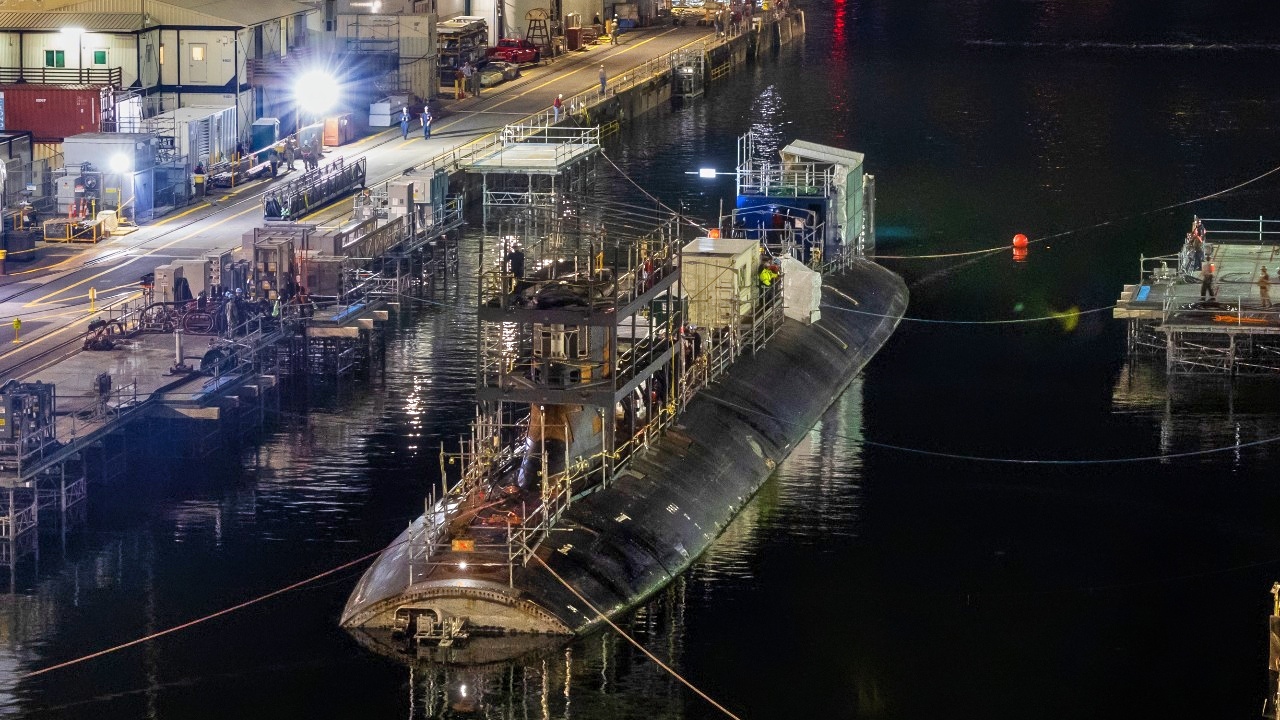
USS Connecticut (SSN 22) is docked for its Extended Docking Selected Restricted Availability July 12, 2023 at Puget Sound Naval Shipyard; Intermediate Maintenance Facility.
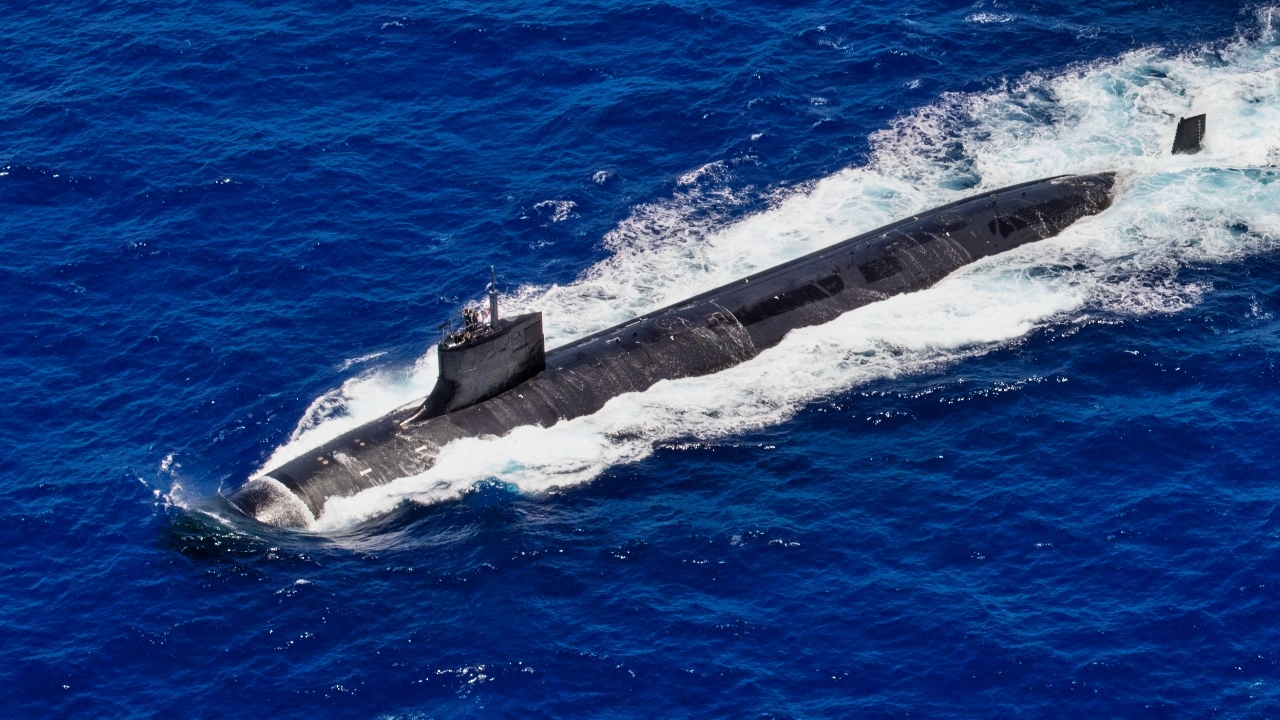
(June 22, 2021) Seawolf-class fast attack submarine USS Seawolf (SSN 21) transits the Pacific Ocean, June 22, 2021. Seawolf is currently underway conducting routine maritime operations in U.S. 3rd Fleet. (U.S. Navy photo by Mass Communication Specialist 3rd Class Olympia O. McCoy)
Five Years At Puget Sound: Why The Repairs Took So Long
Here is the first place the story gets damning. The Connecticut did not even enter dry dock until July 2023, nearly two years after the collision, and the work has stretched ever since, with a NAVSEA spokesperson putting the repair estimate around $80 million. Part of the delay is unique to the boat.
The Seawolf-class numbers exactly three submarines; the production line closed decades ago, and there is no boneyard of decommissioned sisters to strip for parts. Components that any Virginia-class boat could pull from a warehouse have to be remanufactured from scratch for a Seawolf. The Navy also folded the crash repairs into a scheduled extended overhaul, using the docking to upgrade the boat while the welders had her open.
But part of the delay is the same disease afflicting the entire fleet: public shipyards drowning in backlogged maintenance, short of skilled workers, juggling carrier and ballistic-missile-submarine work that always outranks an attack boat. The most heavily armed fast-attack submarine in the American inventory sat pierside for two years before serious work began. That is not a Connecticut problem. That is a system problem wearing a Connecticut name tag.
Why $80 Million Was Actually A Bargain
Now, to the question of whether fixing her was worth it, because the honest answer runs counter to the outrage. The Seawolf-class cost about $3.1 billion per boat in 1980s dollars, according to the Navy’s own program figures, which translates to nearly $10 billion today. Against that, $80 million to recover the ship is less than 1% of its replacement value. And replacement is not actually on the table, because the Seawolves are irreplaceable in the most literal sense: bigger, faster, quieter, and more heavily armed than anything else in the fleet, built for exactly the kind of high-end undersea fight a Pacific war would demand, and impossible to buy again at any price.
The successor makes the case even stronger. The Navy’s next-generation attack submarine, SSN(X), has repeatedly slipped to the right, with production now not expected to begin until the early 2040s, even as the service pours hundreds of millions more into its development. The attack-submarine fleet is already below the Navy’s stated requirement, Virginia-class construction runs chronically behind, and the Pentagon’s own planning treats the late 2020s as the window of maximum danger with China. In that world, five years of a healthy Seawolf is not a luxury. It has been five years since the single most lethal undersea platform America owns has been available, precisely when it might be needed most.
The Navy did the math, and the math said fix her. The math was right.
She is also, it must be said, a boat with a personality. Before the seamount, Connecticut’s service record had already collected a pier accident in San Diego, a bedbug infestation that made national news, and a run-in with a polar bear during Arctic operations. The Navy will settle for five quiet years.
The Real Scandal Is The Calendar, Not The Cost
So if the $80 million was rational, what exactly is wrong here?
The five years. Strip away the dollar figure and look at what this episode actually demonstrated: the United States Navy needed half a decade to return a damaged submarine to service.
Not a sunken wreck, not a burned-out hull, a boat that sailed home under her own power. Two years waiting for a dry dock. Three more years in it. If that is the peacetime timeline for repairing the fleet’s crown-jewel attack submarine, with no enemy action, no competing battle damage, and the full attention of Congress, then the implications for an actual war are chilling.
In a Pacific conflict, submarines would return with battle damage, and the fleet’s combat power would hinge on how quickly the yards could repair them. The Connecticut saga says the answer today is measured in years, while the war would be measured in weeks.
China, by contrast, has been expanding its shipbuilding and repair capacity at a pace the US industrial base cannot currently match, which means every damaged American hull would be a long-term loss while Beijing patches and refloats its own.
The $80 million repair bill will get the headlines, and the 2031 retirement date will get the snark. But the number that should actually frighten anyone thinking about the next war is sixty: the months it took to put America’s best attack submarine back in the water.
The Navy bought five years of the Connecticut, and at the price, it got a bargain. What the country has not bought, at any price, is a shipyard system that could do this job at the speed a real war would demand. Until that changes, every American warship is one accident or one missile away from a half-decade vacation, and the fleet that deters China is smaller than it appears on paper.
About the Author: Harry J. Kazianis
Harry J. Kazianis (@Grecianformula) was the former Senior Director of National Security Affairs at the Center for the National Interest (CFTNI), a foreign policy think tank founded by Richard Nixon based in Washington, DC. Harry has over a decade of experience in think tanks and national security publishing. His ideas have been published in the NY Times, The Washington Post, The Wall Street Journal, CNN, and many other outlets worldwide. He has held positions at CSIS, the Heritage Foundation, the University of Nottingham, and several other institutions related to national security research and studies. He is the former Executive Editor of the National Interest and the Diplomat. He holds a Master’s degree focusing on international affairs from Harvard University.


