


Key Points and Summary – Washington’s new 28-point plan to end the Russia-Ukraine war asks Kyiv to surrender all of Donbas, freeze NATO ambitions and cap its forces at 600,000, in exchange for a Russian pledge not to attack again.
-The terms triggered outrage in Kyiv and alarm in European capitals, where governments are pushing counterproposals with stronger security guarantees and no territorial concessions.
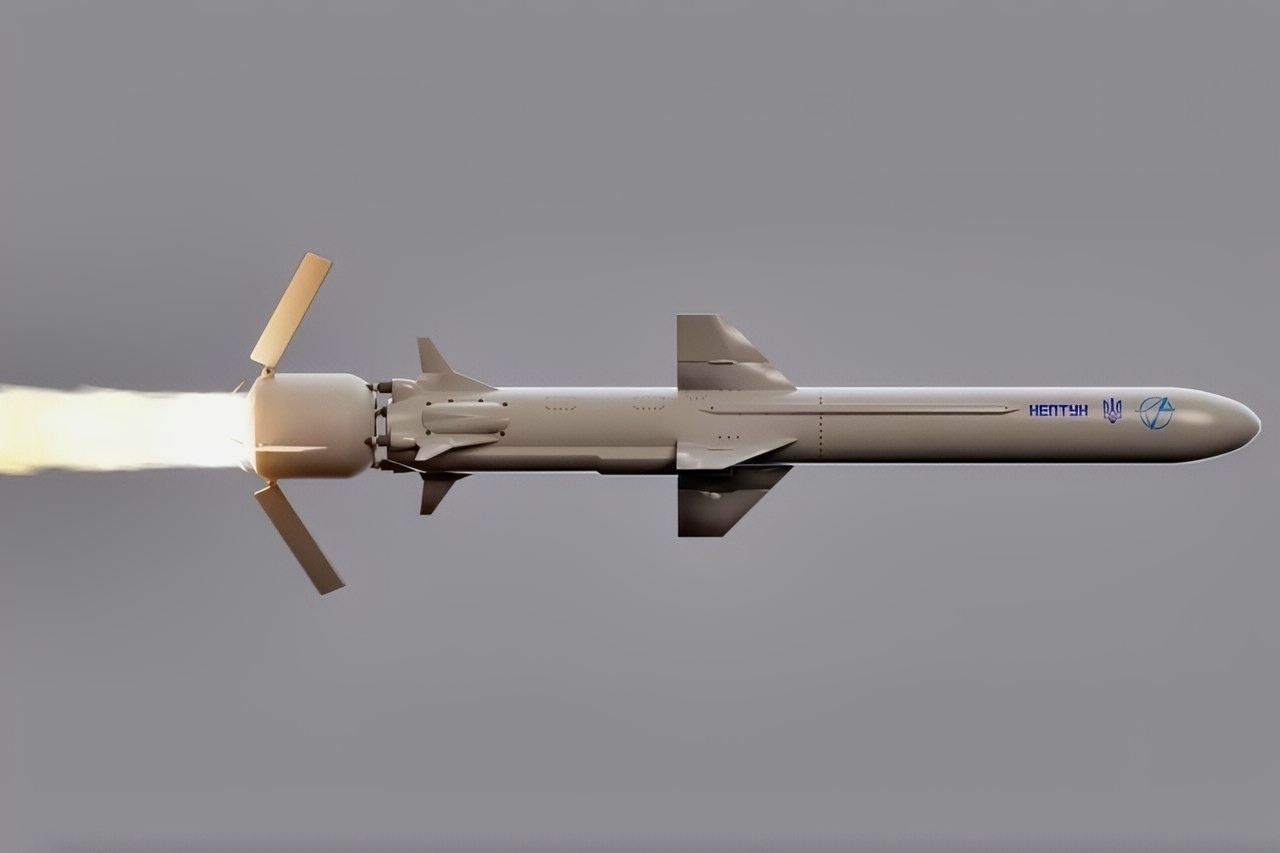
Neptune Missile. Image Credit: Government of Ukraine.
-Trump remains upbeat and is sending envoy Steve Witkoff to meet Putin, even as leaked transcripts raise worries about U.S. leverage.
-With Russian strikes continuing and sanctions biting, pressure for a ceasefire is growing—mostly on Ukraine.
-A fresh American effort to end the Russia-Ukraine war has set off a whirlwind of diplomacy across Europe, even as both sides absorb another week of deadly strikes.
-Washington’s latest plan has received cautious responses in Kyiv and Brussels over fears it is buckling to Moscow’s demands.
The Ukraine Plan: What We Know
The 28-point plan, forwarded to Ukraine last week, urges major land concessions.
Under the proposal, Kyiv would give up the entire Donbas region, including areas Russia has failed to occupy.
The framework also mandates that Ukraine cap its armed forces at 600,000 personnel and suspend any plans to join NATO.
NATO troops would be banned from Ukraine, and the plan includes no commitment to aid Ukraine, security if Russia were to encroach upon a ceasefire in the future.
In return, Moscow would pledge not to attack again, under threat of sanctions.
It is little wonder the reception in Ukraine was icy.
Kyiv warns that such proposals risk rewarding the very aggression the West vowed never to legitimize. European allies, equally alarmed, hurried to draft counterproposals that would expand Ukraine’s military options and take territorial concessions off the table for now.
Despite the backlash, President Donald Trump sounded buoyant on Tuesday.
Claiming the proposals were “fine-tuned,” he announced that envoy Steve Witkoff will travel to meet Vladimir Putin next week.
Zelenskyy seems keen to visit Washington before the end of the month, but Trump has signalled a refusal to hold talks with him or Putin until more steps toward peace have been taken.
Yet more overnight strikes on Kyiv killed at least seven people and shredded residential buildings and energy sites yesterday, while Russia continues its bloody, slow and patchy advance,
Thirty-five nations backing Kyiv convened virtually on Tuesday, with France, Germany and Britain urging Washington to make sure security guarantees are included in any peace plans.
Around twenty countries have already agreed to join a “reassurance force” for Ukraine once a ceasefire is in place — though the scheme still hinges on U.S. backing, which Trump has avoided confirming.
Complicating matters, a leaked transcript published by Bloomberg appeared to show Witkoff coaching Putin’s foreign-policy adviser on how best to win Trump’s support.
The White House has thus far failed to contradict this leak, with Trump openly brushing the episode off as a bargaining attempt. surrounding the process.
With Russia’s crucial energy sector being bitten by new sanctions and Kyiv battling to keep its morale in check, conditions for a negotiated ceasefire may be more ideal than at any time since the 2022 invasion began. Still, Moscow may simply sense Trump’s impatience for a public relations win and simply stall.
As one U.S. expert told the Associated Press, for now, “The pressure’s all on Zelenskyy”
About the Author: Georgia Gilholy
Georgia Gilholy is a journalist based in the United Kingdom who has been published in Newsweek, The Times of Israel, and the Spectator. Gilholy writes about international politics, culture, and education. You can follow her on X: @llggeorgia.
More Military
Montana-Class vs. Yamato-Class: It Would Have Been the Ultimate Battleship Battle
The Littoral Combat Ship Might Be the Navy’s Biggest Mistake Ever


