

Throughout the war in Ukraine, both sides have received immense international support, despite Russia being isolated from the West. Russia has received a lot of material and financial support from hostile nations like Iran and China, but it has received a substantial amount of military support from North Korea.
North Korea still actively manufactures ammo and artillery that is compatible with Soviet systems, making it an ideal ally for Russia.
In addition to the ammo and artillery systems, North Korea has sent its own troops to fight in Russia, making it the first time North Korean troops have seen combat since the Korean War.
But how much of an impact has North Korea had on the Ukraine war?
North Korea’s Arms for Ukraine War: From Bullets to Howitzers
One of the most substantial forms of aid North Korea has provided to Russia is military support.
Reports from the Multilateral Sanctions Monitoring Team (MSMT), indicate that Pyongyang has shipped approximately nine million rounds of artillery and multiple rocket launcher ammunition to Russia in 2024 alone.
These munitions have been critical in sustaining Russia’s artillery-heavy campaign in Ukraine. While Moscow’s own factories are capable of producing large amounts of ammunition, support from North Korea has been vital in replenishing Russia’s ammo stocks while still maintaining a strategic reserve.
Along with ammunition, North Korea has also supplied ballistic missiles and combat vehicles. These weapons have been used in active operations.
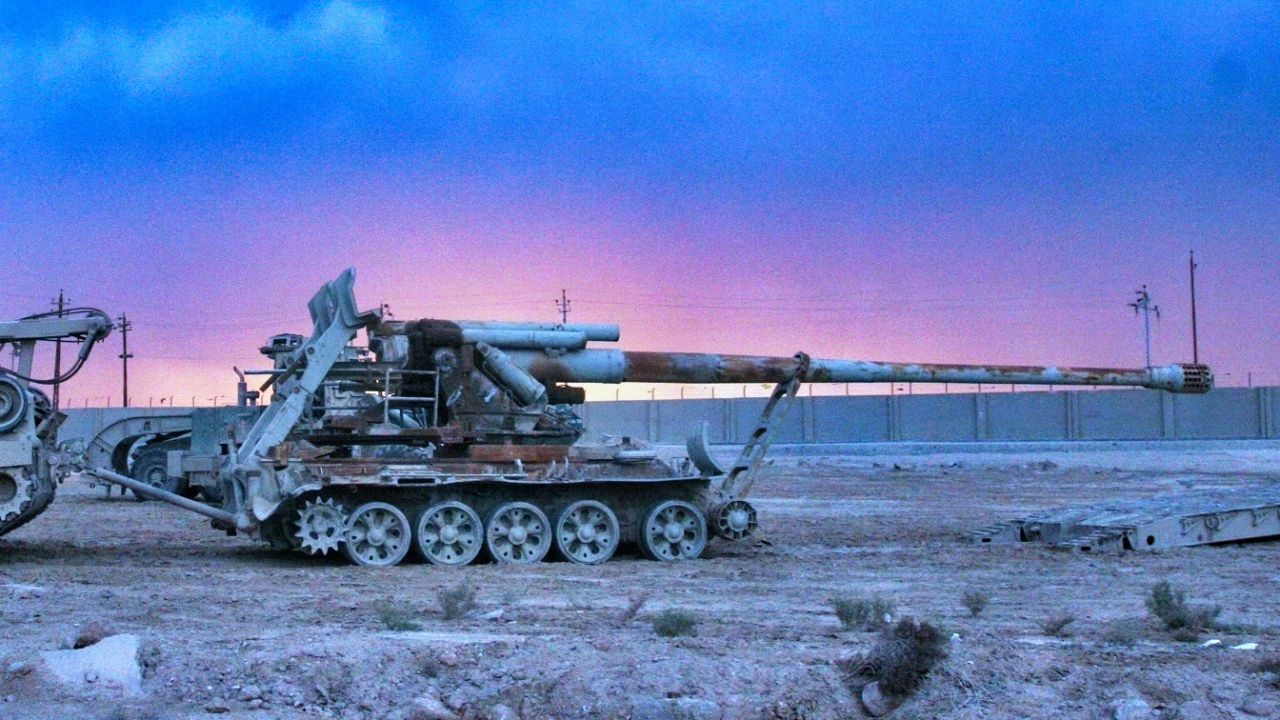
North Korea has supplied artillery tubes, MLRS, and self-propelled howitzers, all of which have been widely used by the Russians. One of these systems sent is the M1991 MLRS, an unguided rocket system that fires 240mm rockets.
Pyongyang has also delivered several hundred M-1978 Koksan self-propelled artillery pieces, which fire 170mm artillery shells. These systems can integrate easily into the Russian military who is heavily reliant on conventional and rocket artillery.
North Korea is Fighting for Russia
In addition to ammo and artillery, North Korea has gone as far as to send a detachment of its own troops. Ukraine claims that over 11,000 North Korean soldiers were sent in 2024, with an additional 3,000 deployed in early 2025.
However, these claims are extremely difficult to verify. Russia is a vast and multi-ethnic country that shares a land border with North Korea.
This means that many soldiers who serve in the Russian army are Asian in ethnicity, making it extremely difficult to determine which soldier is Korean and which soldier is from eastern Russia.
North Korean troops have reportedly participated in operations only on Russian territory to defend Russian regions like Kursk. Their presence was officially confirmed in Spring 2025 after Russia finally pushed Ukrainian troops out of the Kursk region.
Western outlets published stories of Korean battalions suffering huge losses or inflicting friendly fire on Russian units; however, these claims are nearly impossible to verify. We do know that North Koreans were heavily involved in the Kursk mop-up operation, thanks to Russian sources and Western intelligence reports.
It is currently unknown whether North Korean troops are still operating in other regions.
What Does North Korea Gain from This Alliance?
In return for this support, North Korea has received a variety of strategic and material benefits from Russia.
One of the most significant is the transfer of advanced air defense systems, which have enhanced North Korea’s ability to defend against potential airstrikes and surveillance.
Russia has also provided weapons expertise and training to North Korean troops, giving them valuable experience in modern warfare that they would not otherwise have access to. This battlefield exposure is particularly valuable to Pyongyang, which has long sought to modernize its military capabilities.
Another key aspect of the aid exchange is energy. Russia has supplied refined petroleum products to North Korea in quantities that far exceed the annual cap imposed by UN sanctions. These shipments have helped alleviate some of the chronic energy shortages that have plagued North Korea’s economy.
Additionally, Russia has maintained banking relations with North Korea, facilitating financial transactions that are otherwise restricted under international sanctions. This financial support has enabled North Korea to continue funding its weapons programs and sustain its economy despite global isolation.
The cooperation between North Korea and Russia is a clear violation of multiple UN Security Council resolutions. The MSMT has documented a wide range of unlawful activities, including unauthorized arms transfers by sea, air, and rail; excessive petroleum exports; continued financial transactions; and the deployment of military personnel in a foreign conflict. These actions not only undermine the international sanctions regime but also pose a significant challenge to global non-proliferation efforts.
Birds of a Feather Flock Together
The alliance between Russia and North Korea is shocking, but ultimately no surprising.
For Russia, the war in Ukraine has created an urgent need for ammunition, manpower, and logistical support. North Korea, with its large stockpiles of Soviet-era weaponry and willingness to defy international norms, has become a valuable partner. For North Korea, the war offers a rare opportunity to gain battlefield experience, test its weapons systems in real combat, and secure advanced military technology and energy resources from a major power.
Both Russia and North Korea share a strong hatred for the West, and both have been isolated from the international stage. Consequently, this mutually beneficial relationship is expected to continue for the foreseeable future.
The MSMT has warned that the alliance is likely to deepen, with both countries increasingly reliant on each other to achieve their strategic goals. This partnership has already had significant consequences for the war in Ukraine, enabling Russia to sustain its offensive operations and complicating efforts by Ukraine and its allies to bring the conflict to a close.
Russia and North Korea’s military cooperation has significant implications. It signals a growing alignment among authoritarian regimes that are opposed to Western influence and willing to defy international norms.
This “axis of autocracy” is reshaping global power dynamics and challenging the authority of institutions like the United Nations. In East Asia, North Korea’s enhanced military capabilities raise huge red flags, prompting countries like South Korea and Japan to bolster their defenses and reconsider their security strategies.
About the Author:
Isaac Seitz, a Defense Columnist, graduated from Patrick Henry College’s Strategic Intelligence and National Security program. He has also studied Russian at Middlebury Language Schools and has worked as an intelligence Analyst in the private sector.
Hypersonic Weapons In Depth
Russia’s Hypersonic Missiles Summed Up in 4 Words


