
Iran may be close to reopening the Strait of Hormuz within seven days in the prospect of renewed diplomacy with the United States.
Reuters reports that an unnamed senior Iranian official said the vital shipping lane, which has been closed since the start of the war at the end of February, could be reopened within a week subject to conditions.
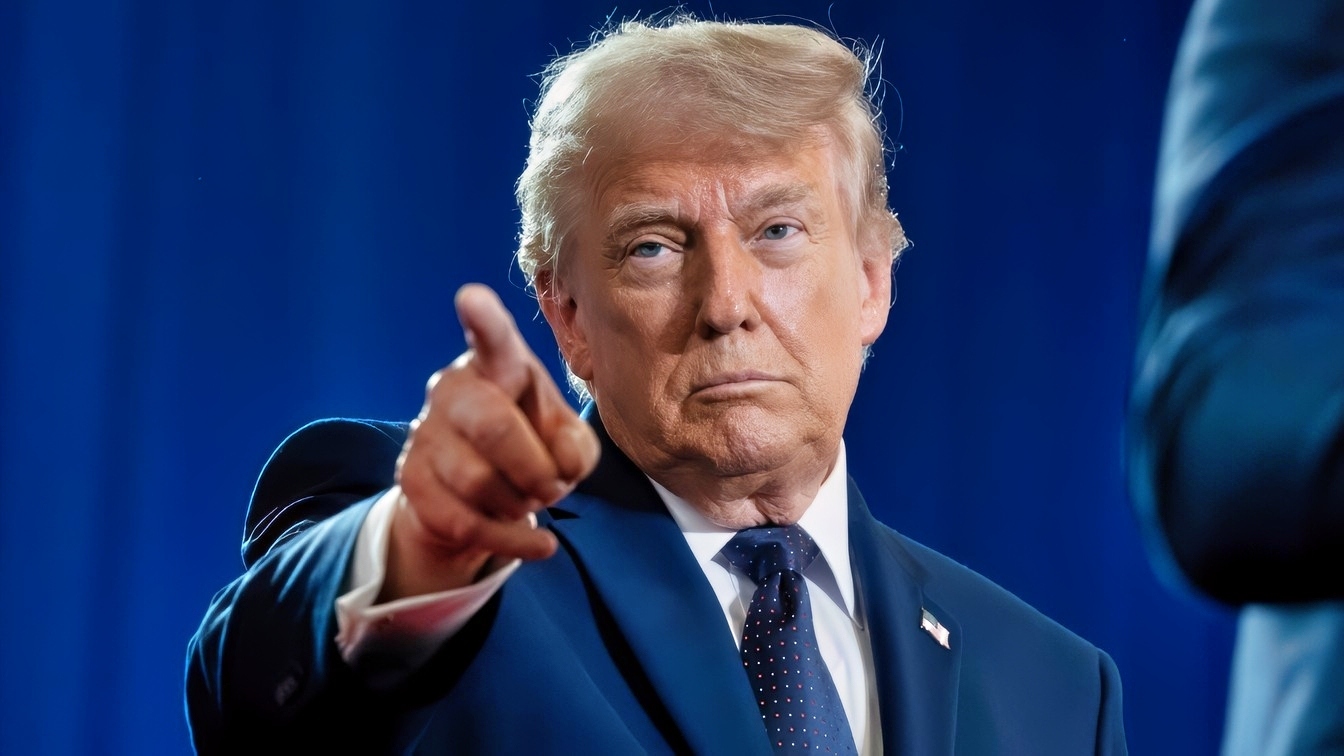
President Donald J. Trump delivers remarks on the economy at Rockland Community College in Suffern, New York on Friday, May 22, 2026.(Official White House Photo by Joyce N. Boghosian)
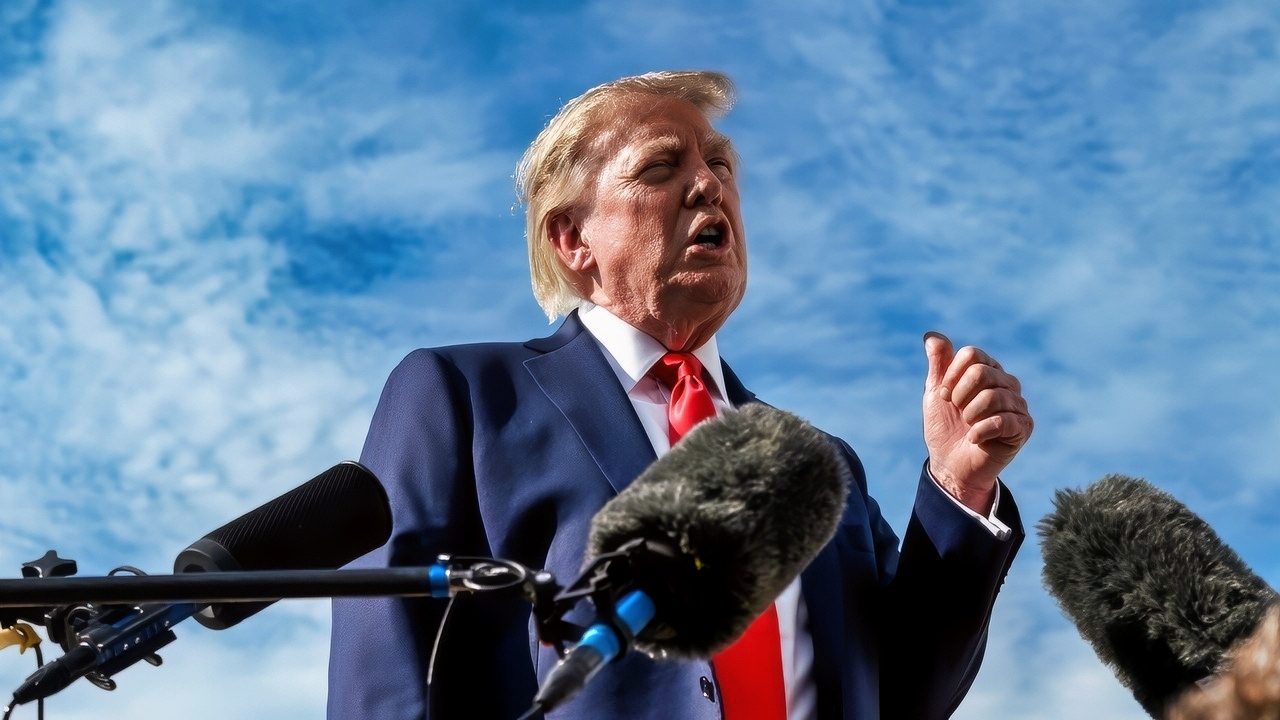
President Donald J. Trump speaks with members of the media alongside outgoing White House Press Secretary Karoline Leavitt, before boarding Air Force One at Joint Base Andrews, Maryland, Friday, August 21, 2026, en route to South Carolina. (Official White House Photo by Molly Riley)
It comes ahead of an important week for the U.S., with President Donald Trump set to meet leaders from the Gulf states as well as Chinese President Xi Jinping – a long-standing ally of Iran.
Reopening within a Week
An Iranian official told Reuters that the strait could be reopened within a week, provided the U.S. lifts its naval blockade of Iranian ports and eases military pressure.
“The U.S. needs to announce that it wants to resolve the issue diplomatically, make that official, and then agree on a timeline for how the process will move forward,” the senior official told Reuters.
Separately, Japan’s Kyodo news agency also cited a senior Iranian official, who said: “There is a possibility of moving toward an agreement,” adding that Washington must show “seriousness and commitment” towards diplomatic efforts.
Threats of Escalation
After months of stalemate, the conflict appears set to head in a new direction in the coming weeks.
In recent days, President Trump has repeatedly signaled a forthcoming decision ahead of a meeting with U.S. allies in the Middle East on the sidelines of this week’s United Nations General Assembly in New York.
On Sunday, Iran’s military headquarters, Kjatam al-Anbiya, warned Middle East nations that they’ll be “considered complicit” should the U.S. resume major operations from American bases in the Gulf.
“We warn that if the countries of the region – by continuing their dual policy toward the Islamic Republic of Iran – align with the Great Satan’s aggression against a powerful and sovereign Iran, they will all be considered complicit in this evil and can no longer expect restraint or decency from Iran’s powerful armed forces,” it said in a statement.
Conditions for Discussion
Earlier over the weekend, Tehran issued seven conditions before negotiations with Washington can resume.
“The United States, if it wants to extricate itself from the predicament it has created, must accept Iran’s rights and conditions,” said Supreme National Security Council Secretary Mohsen Rezaei on Saturday.
Rezaei did not list all seven, but speaking to Al Jazeera, he said: “Our conditions are an end to the war on all fronts, the release of our frozen funds and an end to the naval blockade.
It is in Washington’s interest to accept these conditions.
Trump’s threats will not achieve any results.
We are prepared for a decisive war,” adding that Iranian military assessments believed a new U.S. strike was “very much on the cards.”
A Pivotal Moment
The U.N. General Assembly takes place this week in New York, with the Iranian delegation including President Masoud Pezeshkian and Foreign Minister Abbas Araghchi.
There are no plans for U.S.-Iran talks; however, Iranian and U.S. officials have said they are willing to meet for the first face-to-face talks since July.
While the Iranian delegation is limited to strictly U.N. business during their stay in New York, President Trump is expected to meet leaders from the Gulf states on the sidelines of the General Assembly.
The Gulf states have borne the brunt of Iranian retaliation throughout the conflict, with Tehran launching strikes against U.S. bases across the Middle East.
Last month, Trump called off an attack at the request of Saudi Arabia, the United Arab Emirates and Qatar, and, in an interview last week, the President again expressed a desire to hear from regional allies before deciding on whether to “annihilate” Iran.
Those without alternate routes have also seen their exports suffer through Iran’s closure of the Strait of Hormuz – a vital shipping lane for oil exports from the Persian Gulf.
States like Qatar, Bahrain and Kuwait have suffered particularly because they lack of a bypass around the strait.
This is not a problem for the UAE or Saudi Arabia, which have pipelines that bypass the Strait of Hormuz.
However, concerns are growing over the latter’s ability to export oil following escalations in recent weeks.
Riyadh’s East-West pipeline has been closed following a drone attack by Iranian-backed Iraqi militias, while the Houthi rebels have advanced towards the Bab al-Mandeb Strait – the Hormuz equivalent in the Red Sea – threatening Saudi shipping.
About the Author: Shay Bottomley
Shay Bottomley is a British journalist. He has written for the Western Standard, Business Insider, Maidenhead Advertiser, Slough Express, Windsor Express, Berkshire Live and Southend Echo.