

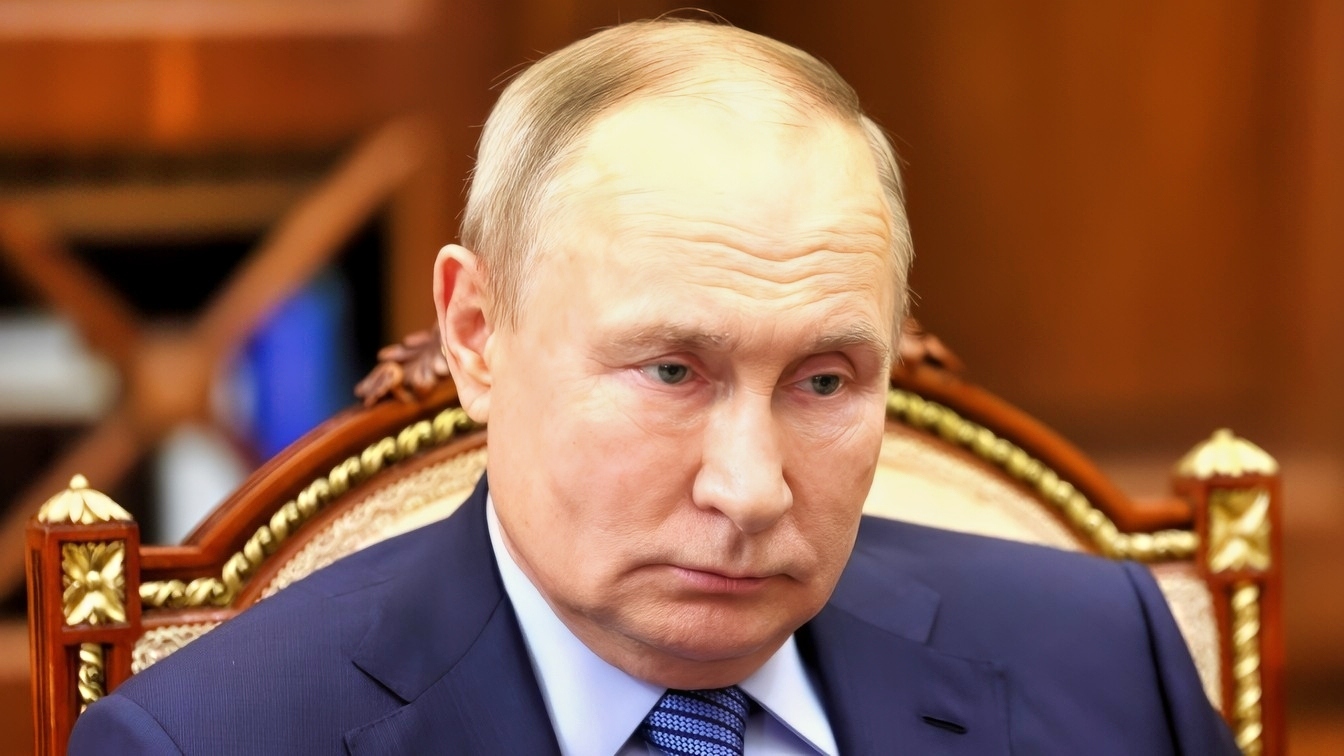
Drivers in Moscow have been forced to queue for hours, as Ukrainian attacks on Russian energy infrastructure prompted a second wave of fuel shortages.
The return to fuel rationing comes after a period of looser rules following an improvement in supplies in June.
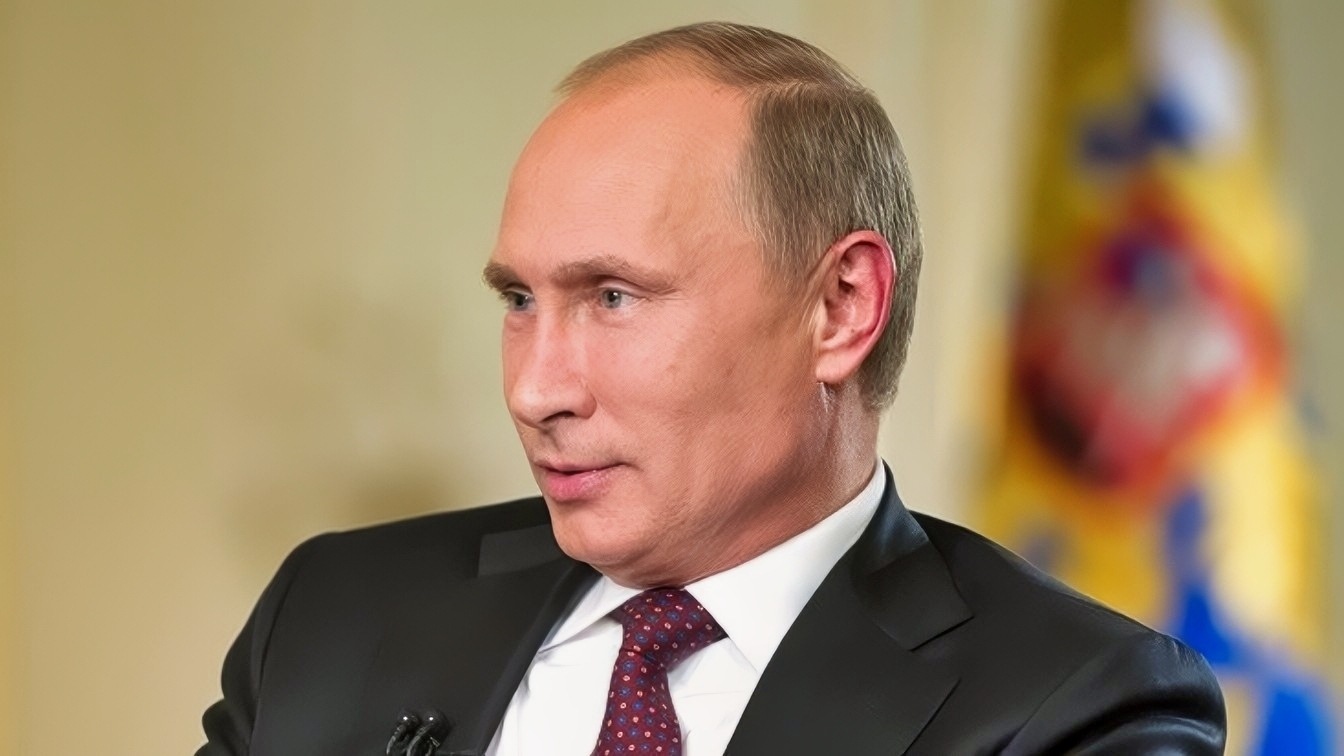
Putin Interview from Back in 2012 Image Credit Creative Commons
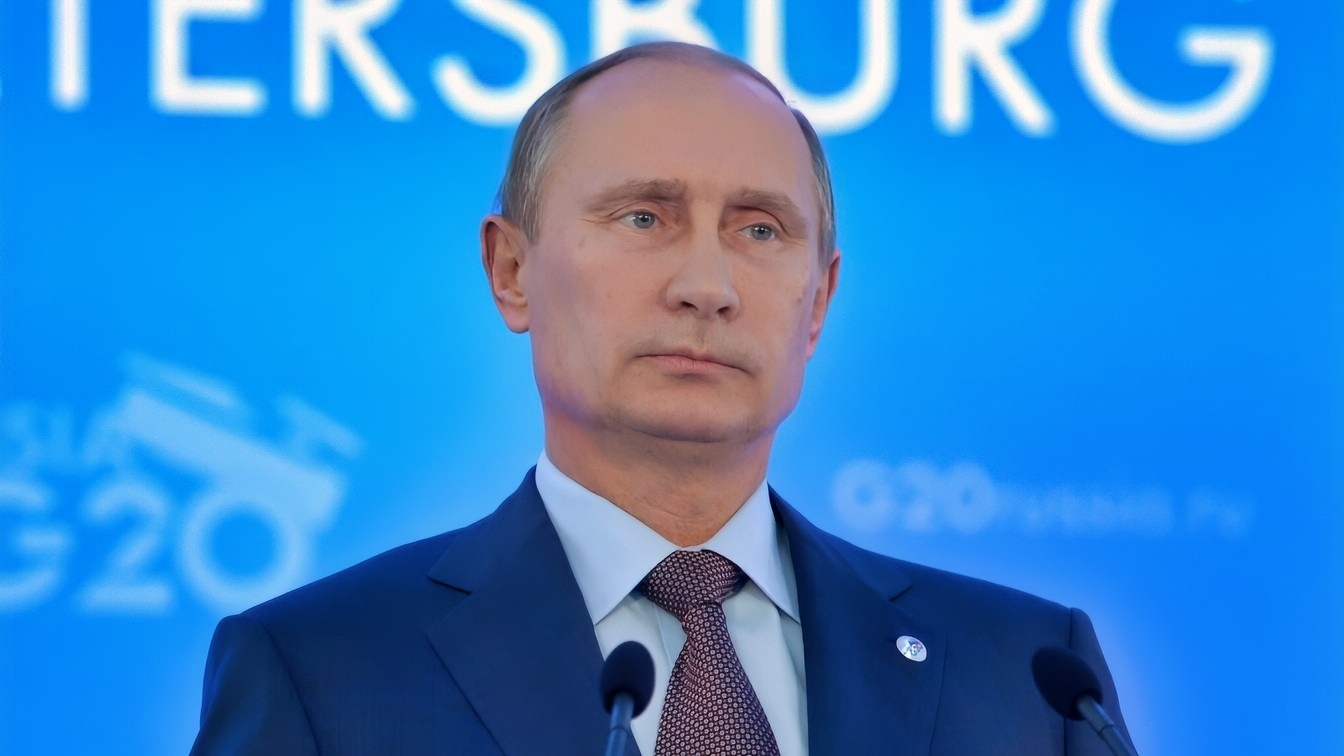
Putin Back in 2012 Creative Commons Image
Kilometer-Long Lines
Despite the impact of the war, Russia remains the third-largest oil-producing nation in the world. On Monday, Reuters said lines at some gasoline stations were a kilometer long.
Major fuel retailers have restored purchase limits. Gazprom Neft has capped gasoline at 40 liters at automated stations and 60 liters at other outlets in Moscow. Diesel remains unrestricted.
Rosneft, meanwhile, has restricted purchases to 30 liters per vehicle. Tatneft is enforcing a strict 50-liter cap on gasoline. Reuters said Lukoil has rolled out its own restrictions in the Moscow region due to “elevated demand, unscheduled refinery maintenance.”
The fuel-monitoring app Gdebenz said gasoline was available at around 28% of filling stations on Wednesday, down from 41% the previous week.
Moscow is far from the only area hit by the shortages. From Aug. 10 to Aug. 15, at least six Russian regions had reinstated restrictions. “Odd-even” systems have been introduced in several regions, meaning motorists may only fill up their vehicles on alternating days, depending on whether their license plate number begins with an odd or an even digit.
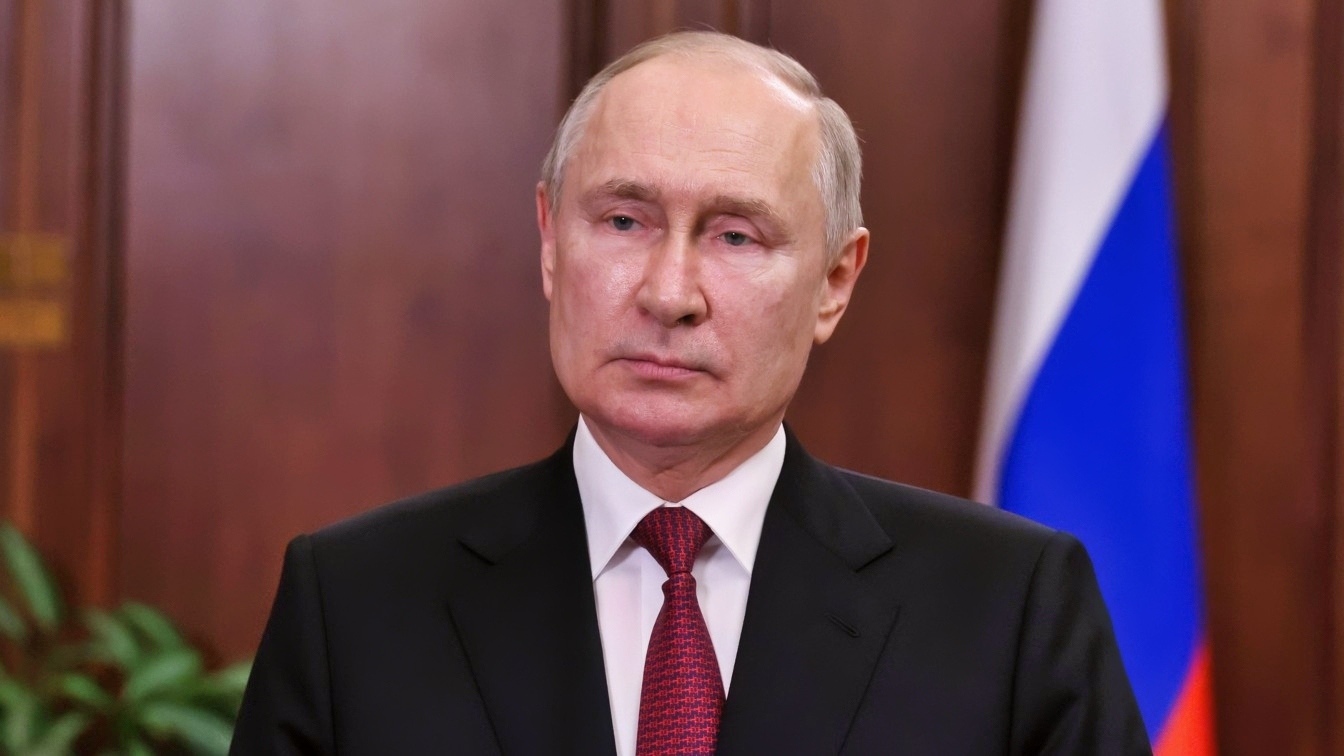
Putin in July 2023 Creative Commons Photo
Russia Importing Refined Fuel
On Wednesday, Deputy Prime Minister Alexander Novak said that Moscow, which is usually a net exporter of crude oil and fuel, had begun buying fuel from abroad.
One cargo of some 68,000 metric tons of gasoline from India has already entered Russia’s domestic market. Reuters reported that the fuel was loaded at India’s Vadinar port, transferred ship-to-ship at Port Said, and then discharged at the Arctic port of Vitino in early August. It is now being moved onward by rail.
LSEG shipping data suggests that two more Indian gasoline cargoes are scheduled to reach Russian ports within the next fortnight.
Russia has also secured gasoline purchases from Belarus and Kazakhstan, as well as fuel imports from Morocco.
Putin Downplays Damage
Ukraine is also targeting other aspects of Russian industry, which it says contribute to its invasion.
Since July, it has launched attacks on around 20 facilities belonging to one of Russia’s biggest online retailers. The Wildberries firm, often dubbed “Russian Amazon,” has been accused of selling military and dual-use equipment.
President Vladimir Putin has acknowledged that Ukraine’s strike campaign against the firm is causing problems, but he has attempted to downplay the scale. On Wednesday, he said attacks on industrial sites in the country “do inflict damage” but denied Russia had suffered any “critical consequences.”
The Kapotnya refinery in the southeast of Moscow, the largest supplier of fuel to the capital region, was hit twice in June. The facility is unlikely to resume production until 2027. The plant processed 11.6 million metric tons of oil in 2024 and produced 2.9 million tons of gasoline and 3.2 million tons of diesel.
Ukraine’s General Staff announced on Thursday that its forces had hit the TANECO refinery in Tatarstan and the Tamanneftegaz oil terminal in the Krasnodar region. Fires erupted at both facilities.
On August 5, the government temporarily authorized the production, import, and sale of Euro-2, Euro-3, and Euro-4 gasoline. Russia phased out the lower environmental standards more than a decade ago. Higher-sulfur fuels can place greater strain on modern engines and produce more air pollution.
50 Million Russians Affected
In July, the Financial Times estimated that the fuel crisis was already directly affecting about 50 million people – roughly 35% of the Russian population.
Writing for The Jamestown Foundation think tank, Mamie Powers said that Russian officials “are beginning discussions with other countries, including India, about importing oil and claim that the fuel shortages at gas stations are due to Ukrainian strikes, which have led to excessive demand and caused logistical problems.”
While movement on the front lines is minimal, Russia’s aerial attacks on Ukraine are also hitting hard.
Last week, Ukrainian President Volodymyr Zelenskyy urged the United States to permit the supply of more Patriot (Phased Array Tracking Radar to Intercept on Target) interceptors.
Global stocks of these interceptors have run low during the war in Iran.
About the Author: Georgia Gilholy
Georgia Gilholy is a journalist based in the United Kingdom who has been published in Newsweek, The Times of Israel, and the Spectator. Gilholy writes about international politics, culture, and education.


