
Moscow Publishes Civilian Shelter Maps: Russian authorities have begun publishing maps showing the locations of civilian shelters across parts of the Moscow region – a development that seems to suggest the Russian government is warning of imminent Ukrainian strikes on the nation’s capital.
The news comes as Ukraine continues to expand on its long-range strike campaign, and as Fire Point, the Ukrainian defense company, says that Ukraine could begin striking the capital city with domestically developed ballistic missiles as early as this autumn.
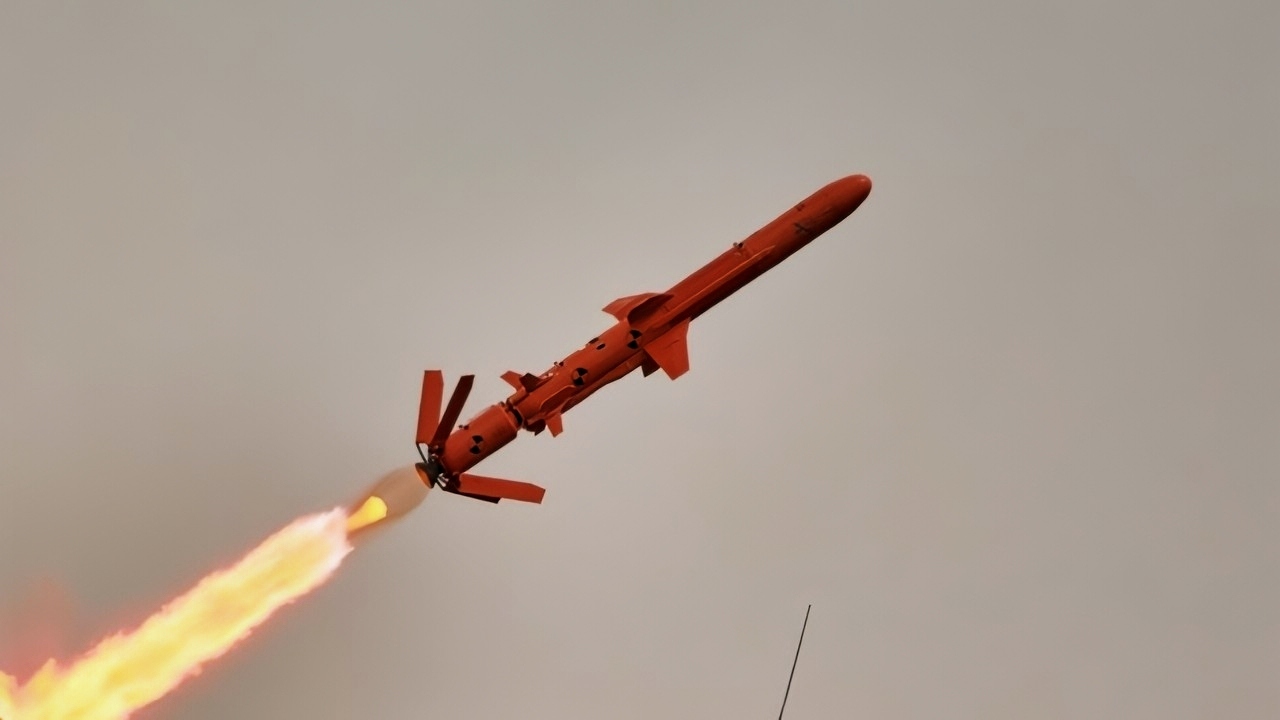
Neptune Missile from Ukraine Creative Commons Image

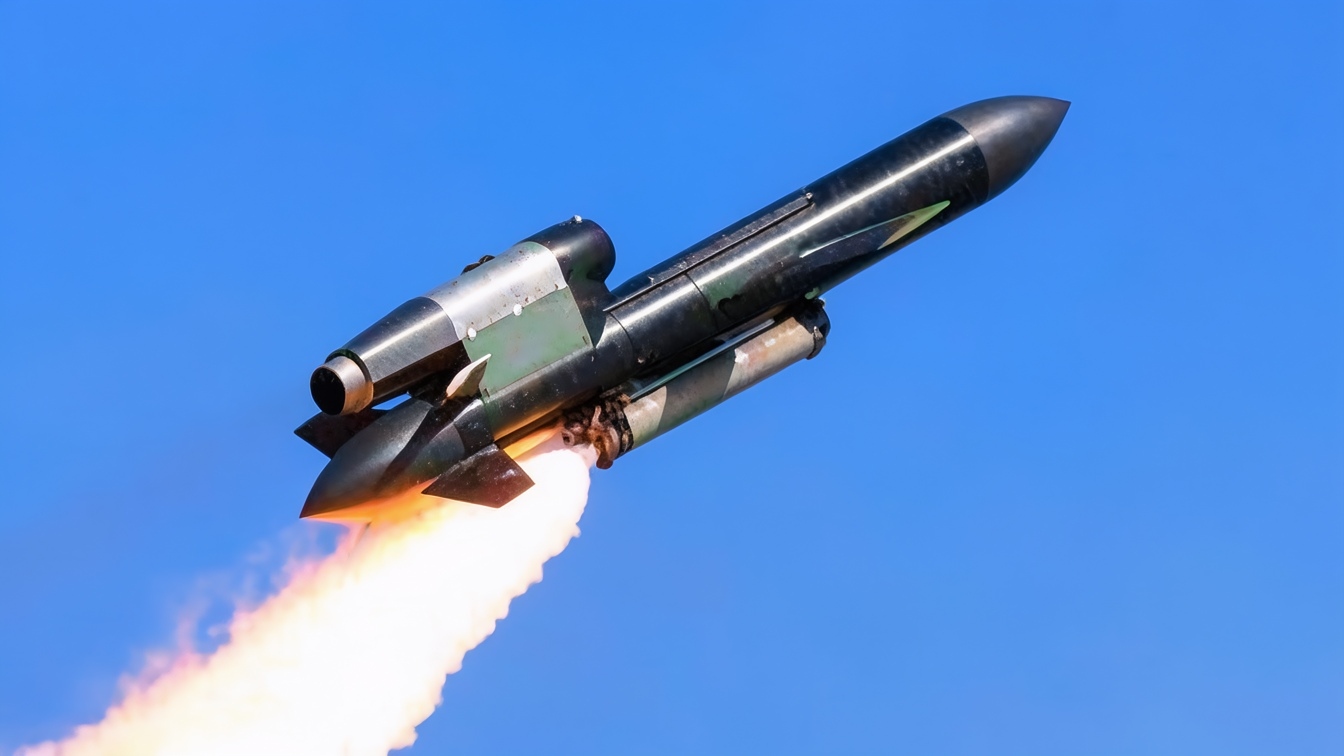
FP-5 Missile From Ukraine Creative Commons Image
Interactive shelter maps appeared this week on the websites of a number of district administrations around Moscow, including Lyubertsy and Podolsk, following months of criticism over the government’s handling of repeated Ukrainian drone attacks.
Moscow Regions Begin Publishing Shelter Locations
The locations of civilian shelters have now been published by authorities in several districts surrounding the Russian capital, providing residents with emergency shelter information that regional administrations had reportedly refused to release.
Per reports, the newly available interactive maps appeared this week on the websites of the Lyubertsy and Podolsk district administrations, while similar shelter information was also published by authorities in Odintsovo. The maps allow residents to search by address and identify the nearest designated shelter in the event of an emergency.
In Lyubertsy, the new map covers hundreds of sites across Lyubertsy, Dzerzhinsky, Oktyabrsky, and neighboring communities that sit southeast of the Russian capital.
Most shelters are not purpose-built bunkers but existing underground facilities, including the basements of apartment buildings, underground parking garages, and other below-ground structures repurposed for civilian protection during air raids.
And, as this is the first time this information has been made so easily and publicly available, it suggests that Moscow is now actively preparing for more assaults on its major cities – even as it seeks to push harder on the front lines and resist diplomatic talks.
The decision was reportedly made after residents repeatedly asked local authorities and Moscow Regional Governor Andrey Vorobyov, via his public Telegram channel, to disclose where civilians could find shelter during attacks.
When those requests were first made, officials reportedly declined to provide the information, saying that shelter locations would only be made publicly available during wartime or mobilization.
Residents Demand Better Warnings
It’s hard to say whether the decision to publish shelter maps is a signal that Moscow believes successful Ukrainian strikes are imminent or simply a response to months of criticism over how authorities have warned civilians during previous strikes.
After several large raids earlier in the summer, residents reportedly complained on local social media platforms that they received little or no advance warning before drones reached their neighborhoods.
Many residents reportedly said that they only realized an attack was underway after hearing explosions or air defense systems firing overhead. Some videos shared on social media also show shocked residents pointing to Ukrainian fixed-wing drones flying at low altitude overhead.
The criticism of Russian authorities intensified after Ukraine launched one of its largest drone attacks on the Russian capital overnight into July 28. Moscow Mayor Sergei Sobyanin wrote on Telegram on the morning of July 28 that Russian air defenses had intercepted hundreds of Ukrainian drones approaching the city overnight, while Moscow Governor Andrey Vorobyov also said that falling debris from intercepted drones had damaged apartment buildings and some civilian infrastructure in Podolsk, Domodedovo, Odintsovo, and several other municipalities.
In the wake of the strikes, residents questioned why they had received little warning before the drones reached their neighborhoods, with comments posted on Vorobyov’s Telegram channel calling for the local government to do more.
The Kotelniki municipal administration responded directly to some of the complaints and explained that the air raid sirens were only an emergency measure, not a routine one, adding that they would be activated only when there is a confirmed threat to life.
Moscow Adapts to Changing Threats
Over the past year, Ukraine’s long-range strikes have forced Russia to change its defense posture and move more resources to its major cities as advances on the front lines in Eastern Ukraine slow in pace.
Moscow has expanded its air defense deployments around the capital and erected additional Pantsir-S1 air defense positions on buildings and several purpose-built towers.
The measures implemented in Moscow and other major cities have been largely aimed at defending against long-range drones, but ballistic missiles present a fundamentally different challenge – and that threat is now very real.
Ballistic Missiles Are Coming
Ukrainian defense Fire Point has suggested that the next phase of the war could see ballistic missiles targeted at major sites on the Russian mainland. Speaking this week, the defense firm’s co-owner Denys Shtilerman said that domestically developed ballistic missiles could complete testing and enter service as early as this autumn.
Moscow could become a potential target once the new Fire Point system is operational and in regular production, potentially giving Ukraine the ability to strike the Russian capital with weapons that travel far faster than the long-range drones that are already causing chaos throughout the country – and which are far harder to intercept.
About the Author: Jack Buckby
Jack Buckby is a British researcher and analyst specializing in defense and national security, based in New York. His work focuses on military capability, procurement, and strategic competition, producing and editing analysis for policy and defense audiences. He brings extensive editorial experience, with a career output spanning over 1,000 articles at 19FortyFive and National Security Journal, and has previously authored books and papers on extremism and deradicalization.


