

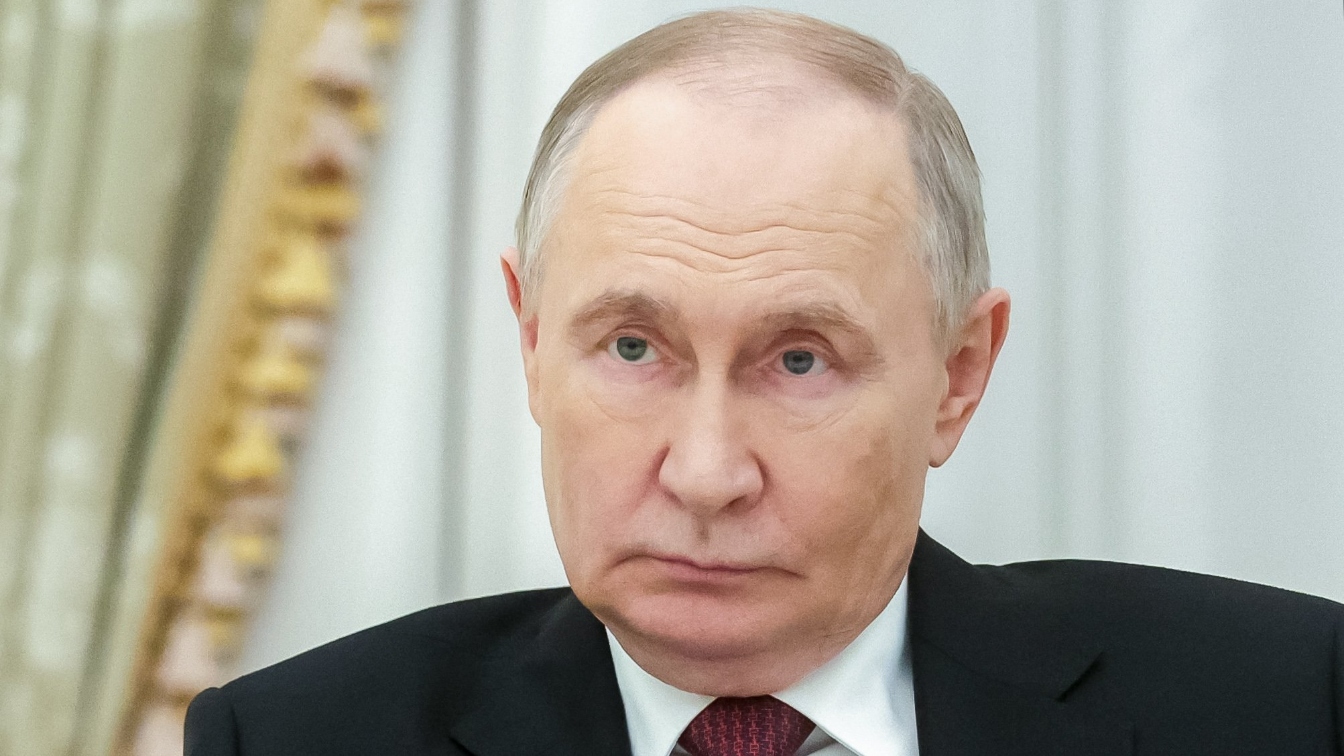
Russia has indicated that renewed peace negotiations will not interrupt its military operations against Ukraine.
On October 26, Kremlin spokesman Dmitry Peskov said Moscow would continue its offensive despite preparations for another round of US-brokered talks.
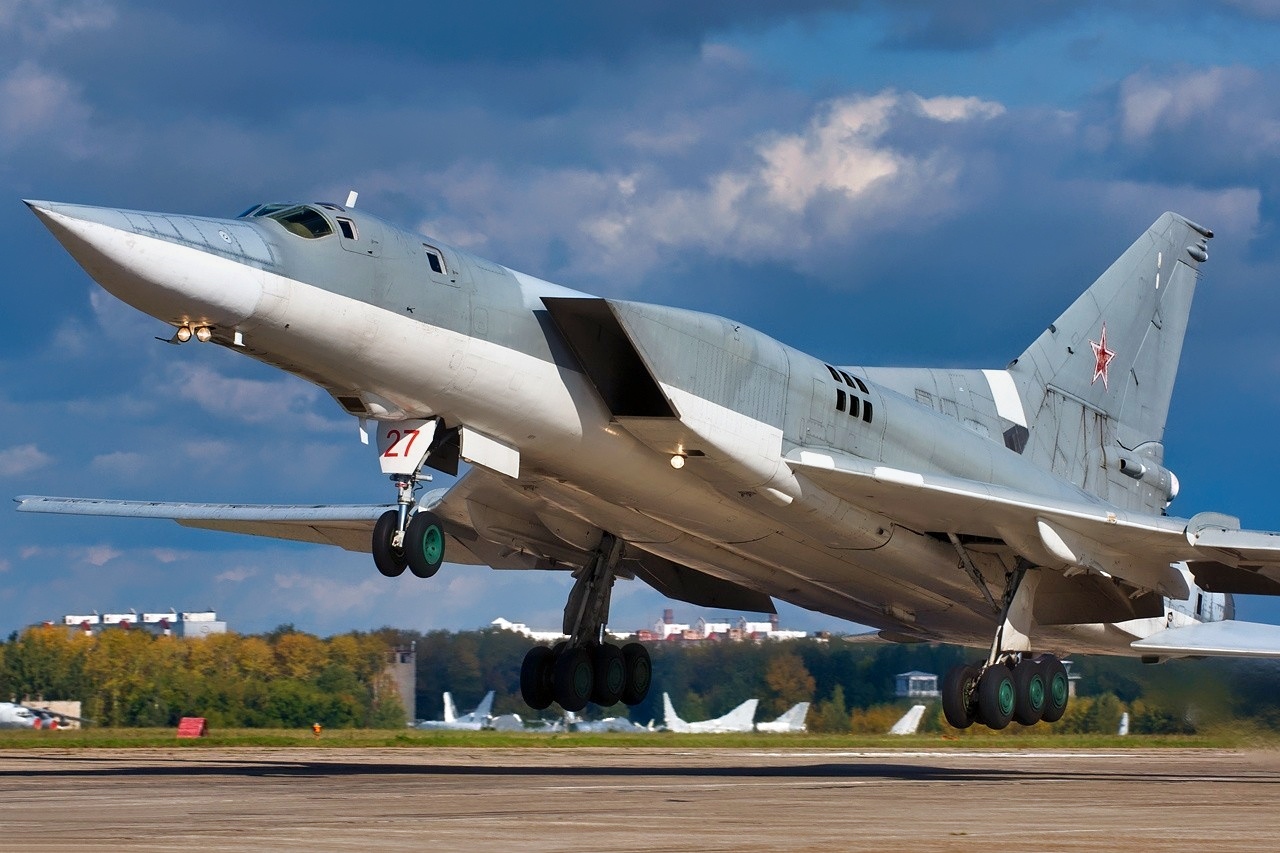
Tu-22M Backfire Bomber from Russia. Image Credit: Creative Commons.

Tu-22M3 Russian Bomber. Image Credit: Creative Commons.
According to the Kyiv Post, Peskov said, “The decision to resume trilateral talks does not imply any restrictions on combat operations.” However, Russia did signal a willingness to accept specific ceasefires for humanitarian purposes.
This distinction comes as Moscow and Kyiv prepare a temporary truce around a Russian-occupied Ukrainian city.
According to the Kremlin
Speaking to reporters on Monday, Peskov rejected the suggestion that negotiations would require Russia to reduce military activity, emphasizing that Russian forces would continue striking Ukrainian targets.
“Our armed forces continue to carry out massive strikes on Ukraine’s military-industrial complex,” Peskov said, as quoted by the Kyiv Post.
The remarks suggest that the Kremlin does not view participation in negotiations as requiring a pause to battlefield operations.
But Russia indicated it would consider temporary ceasefires along the frontline. “For humanitarian purposes, absolutely,” Peskov said.
So Moscow appears to distinguish between humanitarian truces and general ceasefires; Russia is open to the former and currently unwilling to commit to the latter.
The Oleshky Ceasefire
A localized ceasefire is scheduled to begin October 29 in Oleshky, a Russian-occupied city in Ukraine’s Kherson region.
Oleshky is located on the eastern bank of the Dnipro River, across from the Ukrainian-controlled city of Kherson.
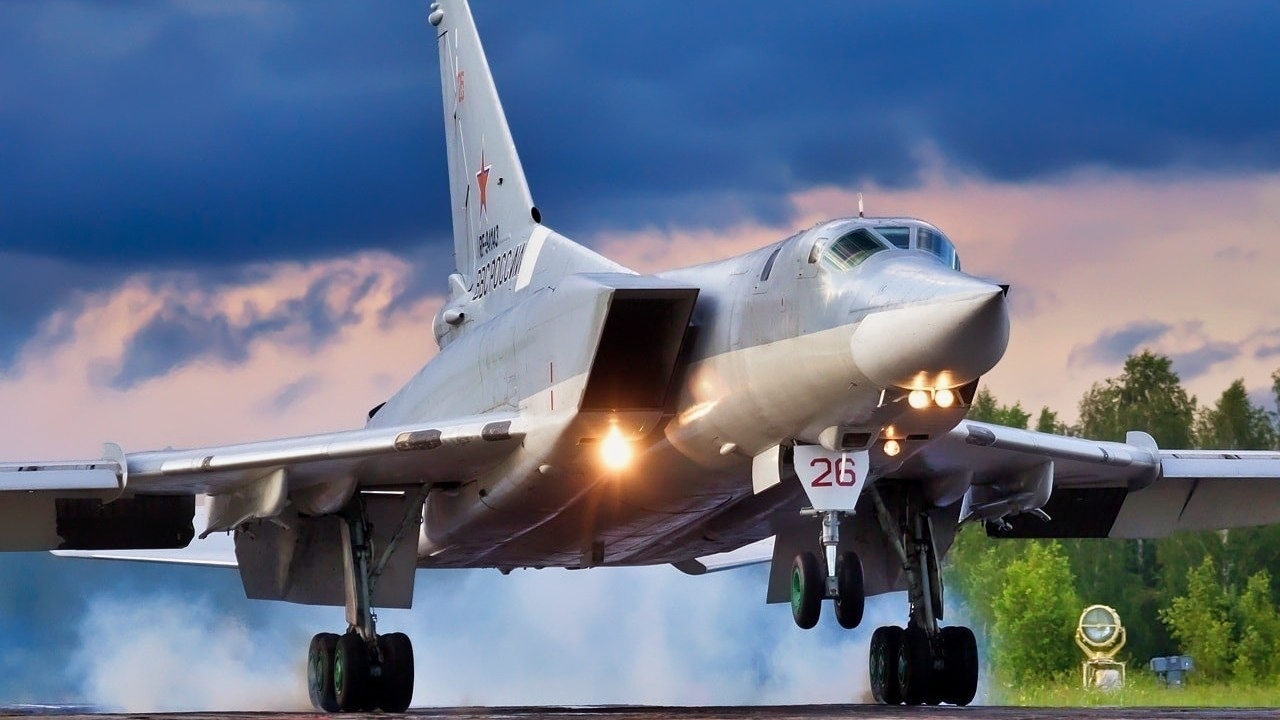
Tu-22M3 from Russian Air Force. Image Credit: Creative Commons.
According to Kyiv Post, the ceasefire arrangement was brokered with the involvement of US First Lady, Melania Trump, helped broker the ceasefire arrangement.
The White House confirmed the temporary truce, which is intended to allow deliveries of food, clean water, medicine, and other essential supplies; establish safe evacuation routes for civilians; and let residents choose whether to evacuate toward Ukraine-controlled territory or Russia.
Before the invasion, Oleshky had approximately 24,000 residents, but only about 1,700–2,000 are estimated to remain.
The ceasefire demonstrates that limited cooperation is possible, even as the war continues.
Peace Talks Resume
Russia has indicated that trilateral discussions involving Moscow, Kyiv, and Washington could resume after November 4.
The Kremlin foreign policy aide, Yuri Ushakov, reportedly said Russia would be prepared to negotiate following its National Unity Day holiday. “After that, we will be ready to resume negotiations,” Ushakov said, according to Russian state media cited by the Kyiv Post.
The latest diplomatic efforts reportedly followed consultations in Oslo on October 20 involving US representatives and Ukrainian and European officials, and meetings in St. Petersburg on October 21 between US envoys Steve Witkoff and Jared Kushner and Russian President Vladimir Putin.
Ushakov tempered expectations, however, cautioning that the next round may focus only on clarifying negotiation positions and not producing a final agreement.
Maintaining Pressure
Moscow’s position is designed to preserve military pressure while pursuing diplomatic engagement.
By negotiating while continuing offensive operations, Russia could maintain several advantages, including battlefield leverage, pressure on Ukraine, preventing a Ukrainian recovery, and maintaining domestic momentum.
This approach aligns with a broader logic of coercive diplomacy, in which combining negotiations with pressure aims to influence an adversary’s decision.
But the strategy also carries risks; continuing attacks could undermine confidence in Moscow’s willingness to negotiate and make new concessions politically harder to accept.
Kyiv might view a ceasefire as a prerequisite for establishing the conditions for credible negotiations.
Remaining Obstacles
Previous negotiations have failed to resolve the central disagreement between Ukraine and Russia.
Russia continues to demand territorial concessions and restrictions on Ukraine’s future military and political independence, while Ukraine rejects a surrender of additional territory to Russian aggression.
Key outstanding disputes include territory, security guarantees, NATO, and ceasefire enforcement.
Russia’s latest position leaves little indication of an imminent nationwide ceasefire.
But the planned Oleshky truce does offer a potential humanitarian benefit that doesn’t conflict with Moscow’s broader military strategy.
As negotiations approach, Russia appears determined to keep fighting, even as the conflict approaches its fifth anniversary. For Kyiv and Washington, the ongoing military operations will increase pressure to reach a durable settlement.
About the Author: Harrison Kass
Harrison Kass is a writer and attorney focused on national security, technology, and political culture. His work has appeared in Tablet, City Journal, The Hill, The Spectator, and The Cipher Brief. He holds a JD from the University of Oregon and a master’s in Global & Joint Program Studies from NYU—more at harrisonkass.com.


