

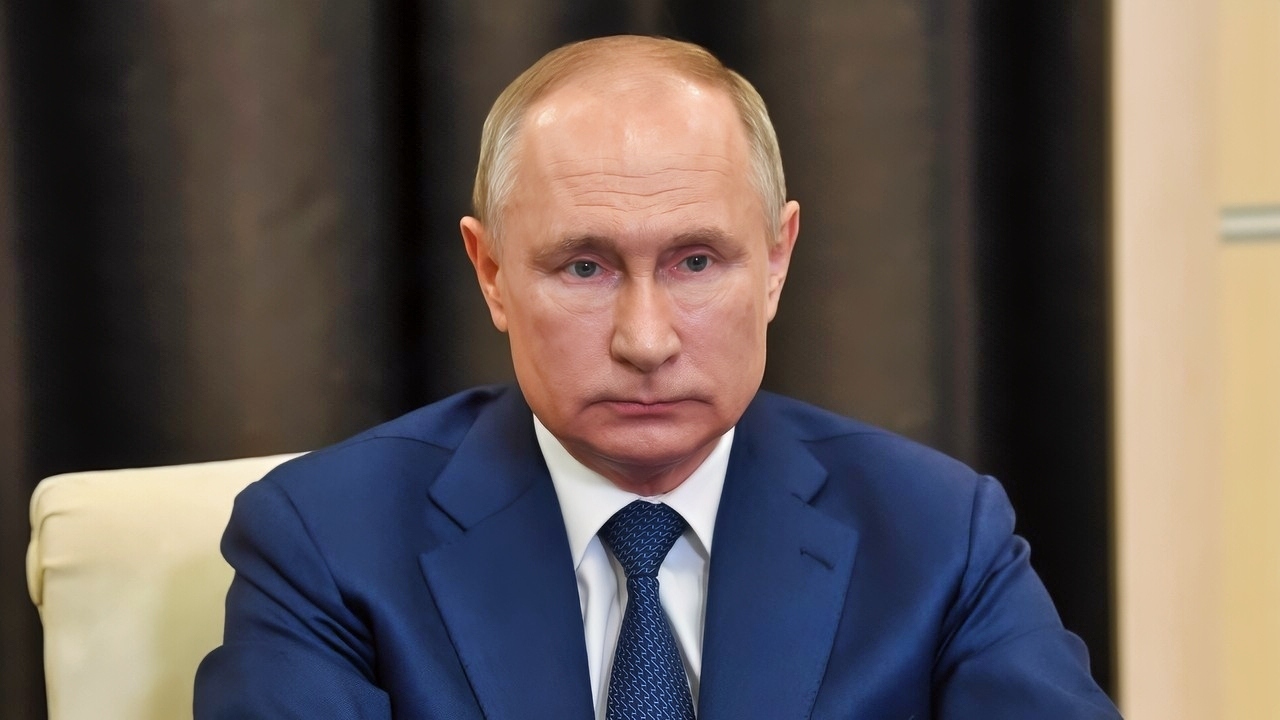
WARSAW, POLAND – Over the past weekend, I received no small number of calls from Russian-speaking friends and colleagues in Kyiv, Moscow, Warsaw, etc. The subject was the same in each instance. All were laughing hysterically at Russian President Vladimir Putin’s latest conspiracy theory about Ukraine and its western allies that are “out to get Russia.”
This time Putin’s statements were more detached from reality than his usual lectures on fabricated and fantasy-inspired versions of Russian history.
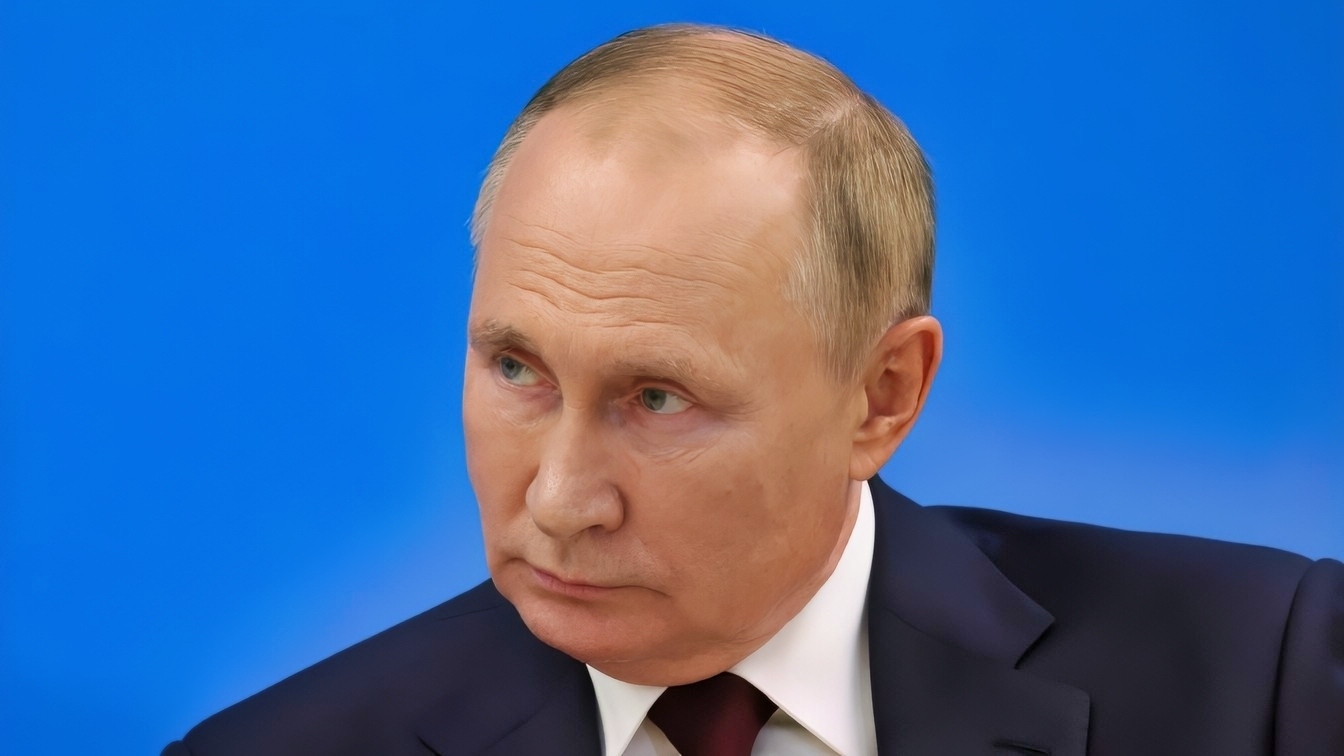
Putin In September of 2022 Creative Commons Photo
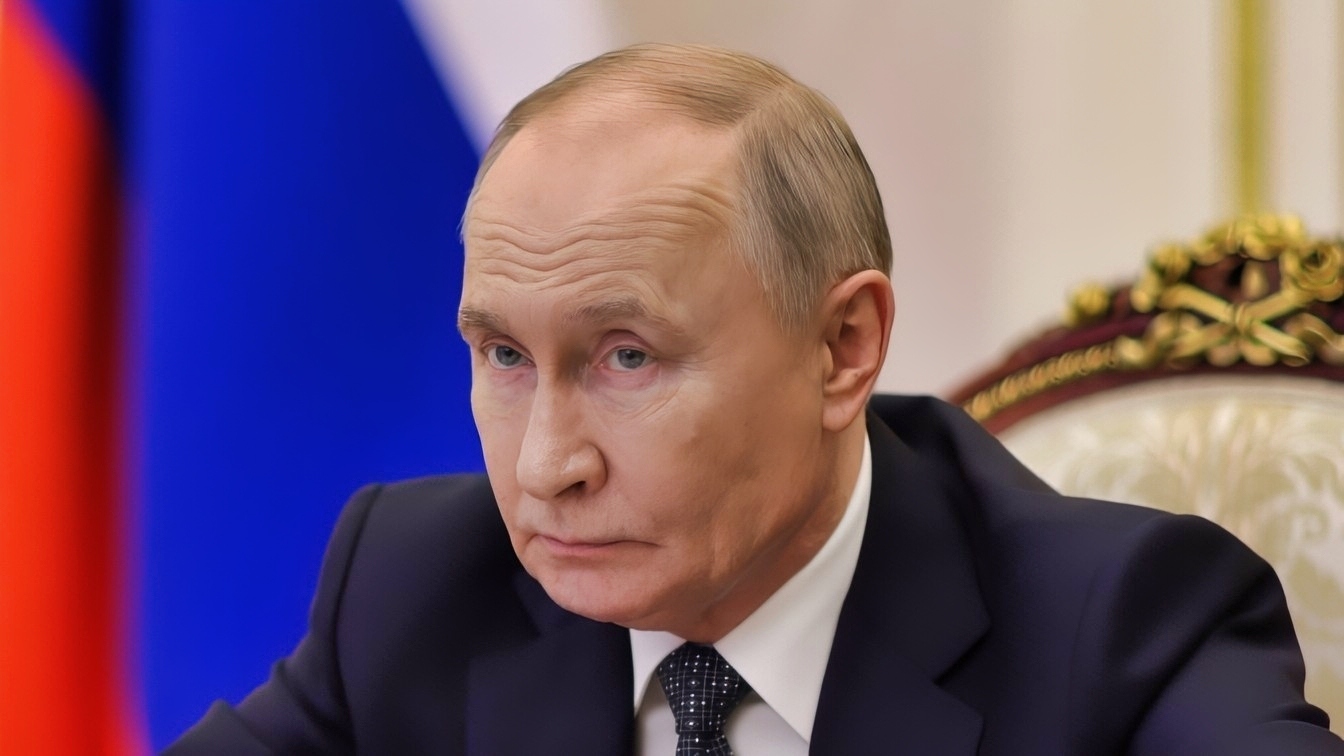
Putin Back in March of 2026 Creative Commons Photo
In a meeting on 29 August with students and teachers at Moscow State Pedagogical University, he lectured on his version of Arctic wildlife, telling them that killer whales are known for attacking and eating polar bears.
In a spectacle that adds new meaning to the label “self-parody”, the former KGB Lt. Col. began ranting about when one sees polar bears in the Arctic: “There are killer whales living nearby. They eat these bears up like small fry. Yes, they just attack as a pack – boom! – and tear them to pieces. It’s all very interesting. Yes, that’s the food chain.”
“Children need to be told about this too,” he said. “So, they understand what kind of world we’re living in and why we are carrying out the special military operation [as the Russians refer to their unprovoked war of aggression against Ukraine].”
Yes, that was his parable. That the NATO countries and other nations assisting Ukraine are like the killer whales, and the polar bear they are trying to feed on is Russia.
It is difficult to judge which claim is the more delusional: the idea that killer whales routinely attack polar bears (since there are no recorded cases of this ever happening) or that Ukraine and its allies were preparing to attack Russia – thereby making Moscow’s February 2022 invasion an act of self-defense.
What Pushes Putin Towards Escalation
What Putin’s tall tale is masking is his increasing fear of what happens to him personally, as well as to Russia as a state, if the war with Ukraine ends without him achieving any single one of the aims he laid out at the beginning of the conflict.
Instead of the string of victories and collapse of Ukraine in a matter of days as he initially promised, Russia is now being pummelled with drone strikes that are dismembering the e-commerce sector of the economy.
They are also destroying so much of the oil industry that Russia has become a land known more for fuel shortages than anything else.
This week’s Economist describes what it calls a concern by the Kremlin over “the evaporation of the public’s silent assent for the war. Deep strikes by Ukrainian drones on refineries and e-retailers, along with internet restrictions imposed by security services, have shattered the veneer of normal life. The Levada Centre, an independent pollster, says 57 percent of Russians describe the situation as ‘tense’; respondents cite the war, the death toll, mobilization, drone attacks and the lack of a sense of the future.”
Putin reportedly spent the past several weeks deliberating what course of action could reverse these trends. According to those around him, he has decided that some manner of escalation is the only answer. A visit to Moscow in the last full week of August by the Director of the US Central Intelligence Agency (CIA) was intended to have deterred Putin from taking such action.
However, it may have had the opposite effect. A source described as a longtime associate of the Russian president has told the Economist that Putin would instead see the visit as a sign of weakness and could decide to go ahead with his plans.
Outcomes Not Hopeful
No one can really know what Putin’s intentions are. His army is bogged down, and attacks on Russia’s various industries – including the oil sector – are weakening the nation from within.
But Putin says, “We will only move forward,” and discounts any possibility of withdrawing or a cessation of hostilities. But the motivation for his position is not about Russia’s chances of victory. He is instead reported to be afraid of the war ending without reaching even his minimum goal, which was taking over all of Ukraine’s eastern Donbas region.
After the horrendous losses in lives and devastation to the country, Putin is concerned the population could rise in anger if there are no concrete achievements to show from the conflict. “They will hang me,” he is reported to have told some of his inner circle at one point during the war — again, according to a source close to the inner workings of the Kremlin. This was first reported in The Economist.
The population in Russia realizes there is no soft landing in store for their future. One woman wrote to the German news service, Deutsche Welle, that all she and others face now are “fuel shortages, drone attacks… Basic trips to Turkey have become unaffordable. People plan nothing, withdraw cash and buy dollars. There are no hopes for a bright future or a change of power. Everyone lives for today. Drinking has increased significantly — even in Moscow.”
It is a rising level of frustration — and one that could easily turn to violence.
About the Author: Reuben F. Johnson
Reuben F. Johnson has thirty-six years of experience analyzing and reporting on foreign weapons systems, defense technologies, and international arms export policy. Johnson is the Director of Research at the Casimir Pulaski Foundation. He is also a survivor of the Russian invasion of Ukraine in February 2022. He worked for years in the American defense industry as a foreign technology analyst and later as a consultant for the U.S. Department of Defense, the Departments of the Navy and Air Force, and the governments of the United Kingdom and Australia. In 2022-2023, he won two awards in a row for his defense reporting. He holds a bachelor’s degree from DePauw University and a master’s degree from Miami University in Ohio, specializing in Soviet and Russian studies. He lives in Warsaw.


