
Is This How Putin Plans to Fight Back In Ukraine?: Amidst slowing gains on the front lines and an increasingly aggressive drone campaign by Ukrainian forces, Russian President Vladimir Putin is said to be planning a “Hail Mary” winter offensive that, he hopes, will turn the tide and put Ukraine back on the defensive. After more than four years of war, in what was meant to be a weeks-long “special military operation,” Moscow is now facing a growing list of challenges.
Not only are Ukrainian drone operations reaching deeper into Russian territory, but Russia’s energy economy is being hindered by those very strikes. Russian territorial gains are slowing dramatically, and a combination of fuel shortages and supply chain disruptions is making it difficult for both Russia’s export and domestic markets.

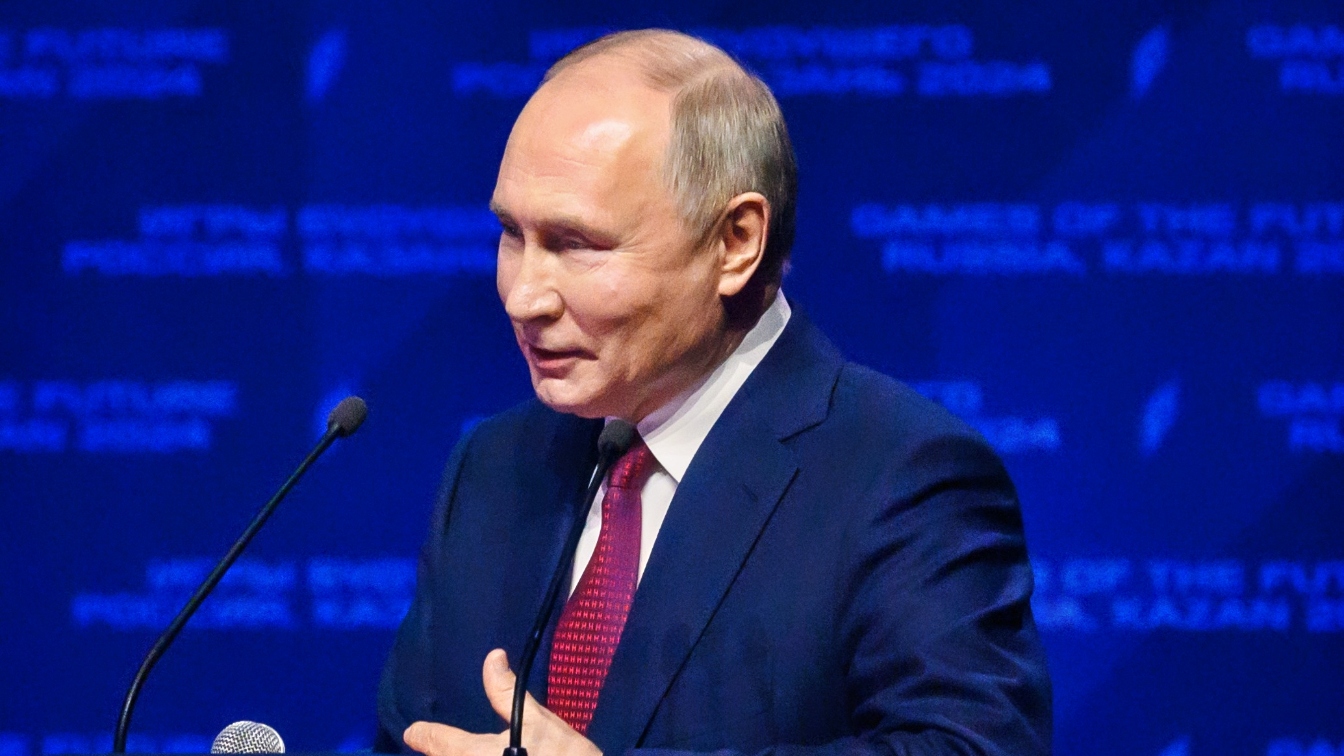
Putin on Direct Line Back in 2019. Image Credit: Creative Commons.
What Is Putin Thinking?
In recent weeks, Moscow has shown its willingness to expend high-value weapons, including anti-ship Zircon missiles, in strikes against major Ukrainian cities. Strikes across Kyiv and other urban population centers have caused massive destruction in Ukraine, in what Moscow has described as retaliatory strikes.
Moscow knows that it cannot continue on that trajectory, expending hundreds of missiles that could take years to replace. According to reporting by the New York Post, Putin may have a solution: taking a short-term hit to those missile supplies but creating a humanitarian crisis to gain concessions, rather than continuing the war for several more years.
Maria Snegovaya, a senior fellow with the Center for Strategic and International Studies, told The Post that the Kremlin is likely looking to launch a large-scale assault in the winter to inflict as much damage on Ukraine as it possibly can.
“Putin will wait for the winter again to resume the large-scale strikes and create a humanitarian crisis to get concessions in the Donbas issue,” Snegovaya said.
Snegovaya also said that Putin probably intends to tap into the concerns of the Ukrainian people about the likelihood of a brutal winter interrupted by fuel supply shortages and missile strikes.
Russia Begins Larger Strikes
The scale of Russia’s recent missile attacks could be an indication of what is still to come this winter. On the night of June 1-2, Russia launched one of the biggest aerial barrages of the war so far.
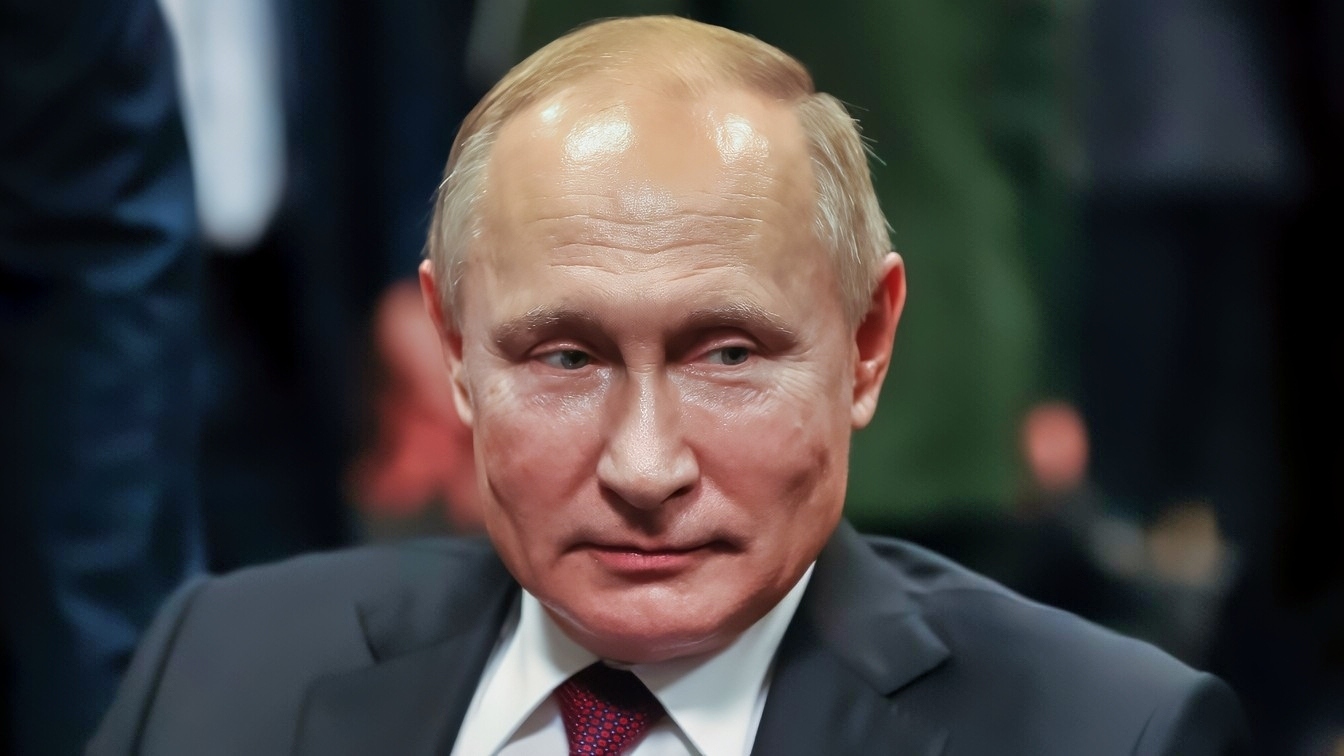
Putin back in 2019 at BRICS Summit. Image Credit: Russian Federation.
Reports described how a total of 729 missiles and drones were launched at targets across Ukraine. According to the Ukrainian Air Force, the attack included 73 missiles, including 33 Iskander-M ballistic missiles, 27 Kh-101 air-launched cruise missiles, five Kalibr sea-launched cruise missiles, and eight 3M22 Zircon hypersonic missiles. While Kyiv was the primary target of the strikes, Dnipro, Kharkiv, Zaporizhzhia, and other regions were also struck.
The strikes killed at least 22 civilians and injured more than 130 others. Kyiv saw apartment buildings struck and severely damaged, and fires broke out across the capital city. The strikes forced thousands of residents to seek shelter in metro stations in the nights before and after the attacks, after threats from Russian officials made it clear that escalation was coming.
Russian Missiles Are Expensive and Hard to Build
Russia has hit Kyiv and other Ukrainian cities before, but what made this most recent barrage particularly interesting was the use of large numbers of advanced missiles that are expensive and difficult to replace. The Zircon hypersonic missile is a good example of this. Originally designed as an anti-ship weapon, it is estimated to cost between $5 million and $210 million per missile. Kh-101 cruise missiles are also expensive, estimated to cost around $6 million apiece. Iskander-M ballistic missiles are cheaper, but still cost around $3 million each. Based on those estimates, the June 2 attack could have cost Russia several hundred million dollars in one night, or potentially more.
Russia has increased missile production through the war, of course, but even its expanded industrial capacity has limits. Russia is also still operating under sanctions. Moscow is believed to be capable of producing a few dozen Kalibr and Kh-101 missiles per month, while Iskander production remains heavily constrained by sanctions that affect the supply of specialized components.
Zircon missiles are even harder and slower to build due to their technological complexity. Replacing the missiles expended during recent strikes, therefore, will be a monumental challenge – and if Putin is planning more such strikes in the Winter, he’ll need to spend the rest of the summer and autumn preparing for it.
Ukraine Is Taking the War to Russia
Ukraine has officially taken the fight to Russia, targeting military factories and energy facilities over the last several months. Ukrainian President Volodymyr Zelenskyy has repeatedly described the recent operations as a form of “long-range sanctions” designed to weaken Russia’s ability to sustain the war. And so far, it appears to be working.
If Putin’s answer is a winter campaign built around missile strikes and creating humanitarian crises, it will reflect this new reality. Assuming Ukraine can keep up the momentum, Russia may eventually be forced to accept a compromise deal – but that won’t happen without Russian forces first using whatever tools at its disposal to force as many concessions out of Ukraine as possible.
About the Author: Jack Buckby
Jack Buckby is a British researcher and analyst specializing in defense and national security, based in New York. His work focuses on military capability, procurement, and strategic competition, producing and editing analysis for policy and defense audiences. He brings extensive editorial experience, with a career output spanning over 1,000 articles at 19FortyFive and National Security Journal, and has previously authored books and papers on extremism and deradicalization.


