


Russia Fired About 12 Missiles at Kyiv in a Rare Daytime Attack: Russia launched a rare daytime ballistic-missile attack on Kyiv shortly after 11:20 a.m. on July 24, sending residents toward shelters during a normal workday as air defenses engaged high-speed targets over the capital. A developing account from Kyiv placed the preliminary launch total at around a dozen and reported smoke over the city.
Ukraine’s Air Force warned that several missiles were approaching from the north. Kyiv Mayor Vitali Klitschko reported explosions minutes later and said rescuers were sent to the Sviatoshynskyi district. No final casualty count or complete damage assessment had been released by early afternoon in Kyiv.
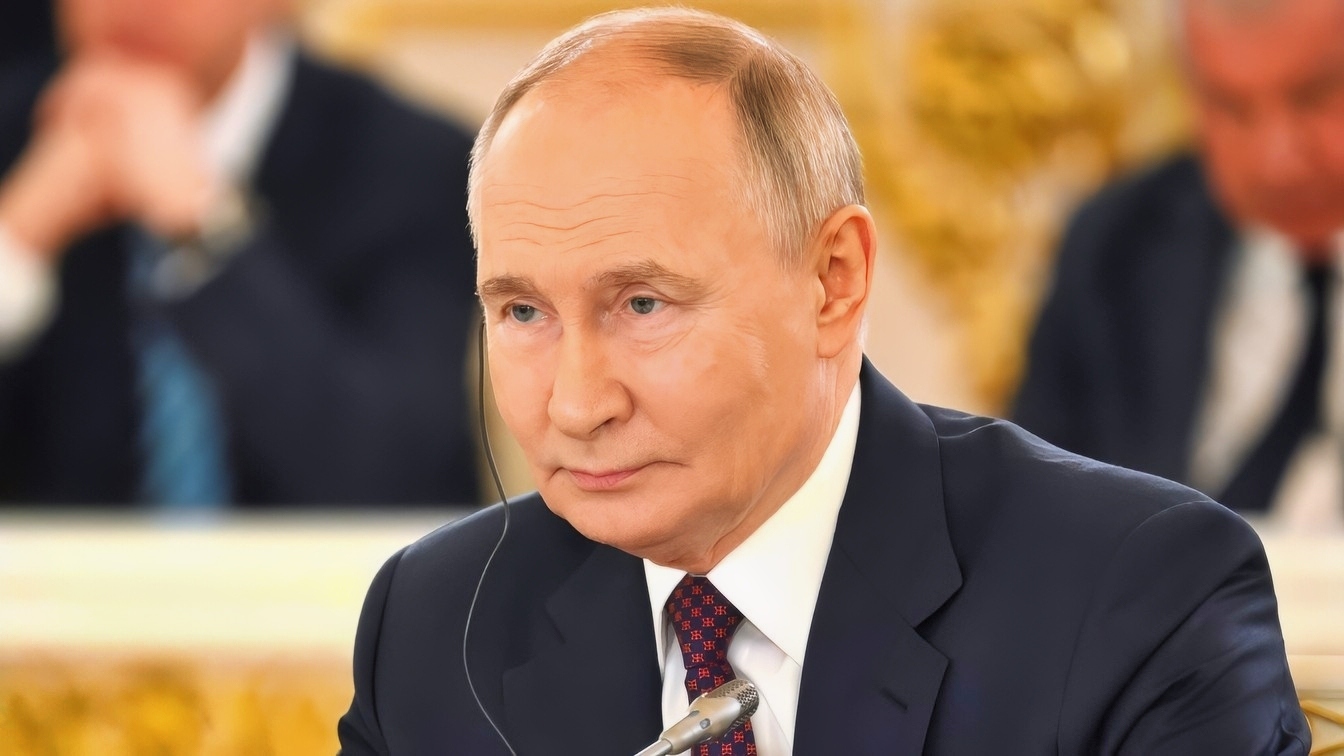
Putin in 2025 Russian State Media Image

Putin State Media Photo
The exact weapons remain unconfirmed, and Russia had not issued a detailed public account of the operation by early afternoon. Local monitoring channels suggested that Russia may have used Iskander missiles or S-300 and S-400 weapons adapted for ground attack, with possible Zircon launches also reported. A separate breaking report on the explosions said the strike results could not yet be independently established.
The timing added pressure across a city filled with workers, shoppers, public transport, and daytime traffic. A Ukrainian defense adviser recently explained that some ballistic missiles can reach Kyiv within two to four minutes. That warning window leaves residents and air-defense crews little room for delay.
Russia normally launches its largest missile and drone waves overnight, when darkness complicates visual detection and many residents are already asleep. Daytime attacks have occurred, including a major drone operation in March, but they remain less common. A previous daylight barrage showed that Moscow can shift timing to disrupt routines and test a different air-defense cycle.
Russia Is Increasing Ballistic Pressure on Kyiv
The July 24 attack follows an unusually heavy month of Russian ballistic launches. Ukrainian tallies cited in a review of the first 19 days of July counted 107 ballistic missiles and 20 Zircons. Ukrainian intelligence separately estimates that Russian industry can produce roughly 100 Iskander and repurposed S-300 or S-400 missiles per month while maintaining stockpiles, according to production figures released in June.
Russia may still hold substantial reserves, and current launch totals do not establish imminent depletion. Moscow is nevertheless drawing more heavily on stored weapons while production continues. Russia has increasingly centered major attacks on ballistic systems, and its ability to use S-400 missiles against ground targets gives commanders another source of fast weapons.
Ukraine’s Patriot Problem Is About Time and Inventory
Patriot remains the Western system in Ukrainian service with the strongest demonstrated record against Russian ballistic missiles. Its usefulness depends on launcher placement, early warning, and available interceptors. Ukraine’s current ballistic-defense problem combines a short reaction window with a limited magazine.
Five days before the latest attack, Russia fired 41 missiles and 125 drones across Ukraine, with Kyiv as the primary target. Ukraine said it intercepted 18 missiles, including 17 from the ballistic and Zircon group, while other weapons still reached multiple locations. The mixed result from the July 19 barrage showed how interception rates can change with launcher positions, available ammunition, and the size of the attack.
President Volodymyr Zelensky said on July 23 that Ukraine and Raytheon had agreed to work toward joint Patriot interceptor production. That plan still requires industrial details, investment, components, testing, and time. Ukraine is also developing domestic ballistic-missile interceptors, while current defense continues to depend on allied deliveries.
The Daytime Attack Adds to Ukraine’s Civilian Risk
United Nations monitors verified 1,396 civilian deaths and 7,978 injuries in Ukraine during the first half of 2026, a 37 percent increase from the same period in 2025. The UN linked much of the rise to long-range missiles and drones, a trend that has made urban attacks farther from the front increasingly consequential.
As of early afternoon on July 24, Ukrainian authorities had not published a final count of the missiles, interceptions, impact sites, or casualties from the daytime barrage. The official after-action report will determine how many weapons reached Kyiv and whether Patriot units engaged them. Russia struck during the workday, the warning time was measured in minutes, and emergency crews were dispatched inside the capital.
About the Author: Harry J. Kazianis
Harry J. Kazianis (@Grecianformula) was the former Senior Director of National Security Affairs at the Center for the National Interest (CFTNI), a foreign policy think tank founded by Richard Nixon based in Washington, DC. Harry has over a decade of experience in think tanks and national security publishing. His ideas have been published in the NY Times, The Washington Post, The Wall Street Journal, CNN, and many other outlets worldwide. He has held positions at CSIS, the Heritage Foundation, the University of Nottingham, and several other institutions related to national security research and studies. He is the former Executive Editor of the National Interest and the Diplomat. He holds a Master’s degree focusing on international affairs from Harvard University.


