

On Monday, as part of the commemoration of Ukraine’s Independence Day, new British Prime Minister Andy Burnham appeared with Ukrainian President Volodymyr Zelensky, in what marked the first foreign visit of Burnham’s premiership.
“This is the moment to keep up the pressure on Russia, the moment to squeeze their ability to fund this illegal war,” Burnham said in remarks on Monday. “Ukraine has been Europe’s protector — not a drain on our security, but the front line in keeping Europe safe.”
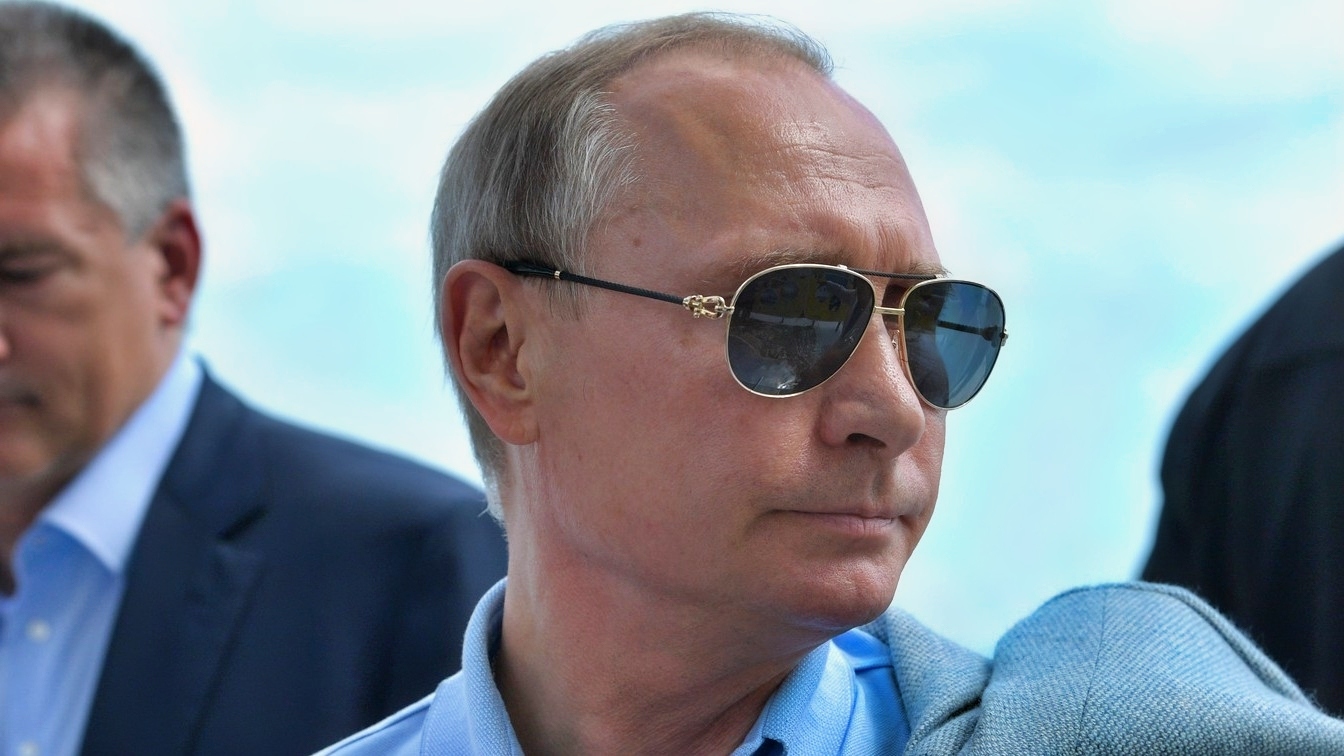
Putin in June 2016 Image Credit Russian Federation Photo
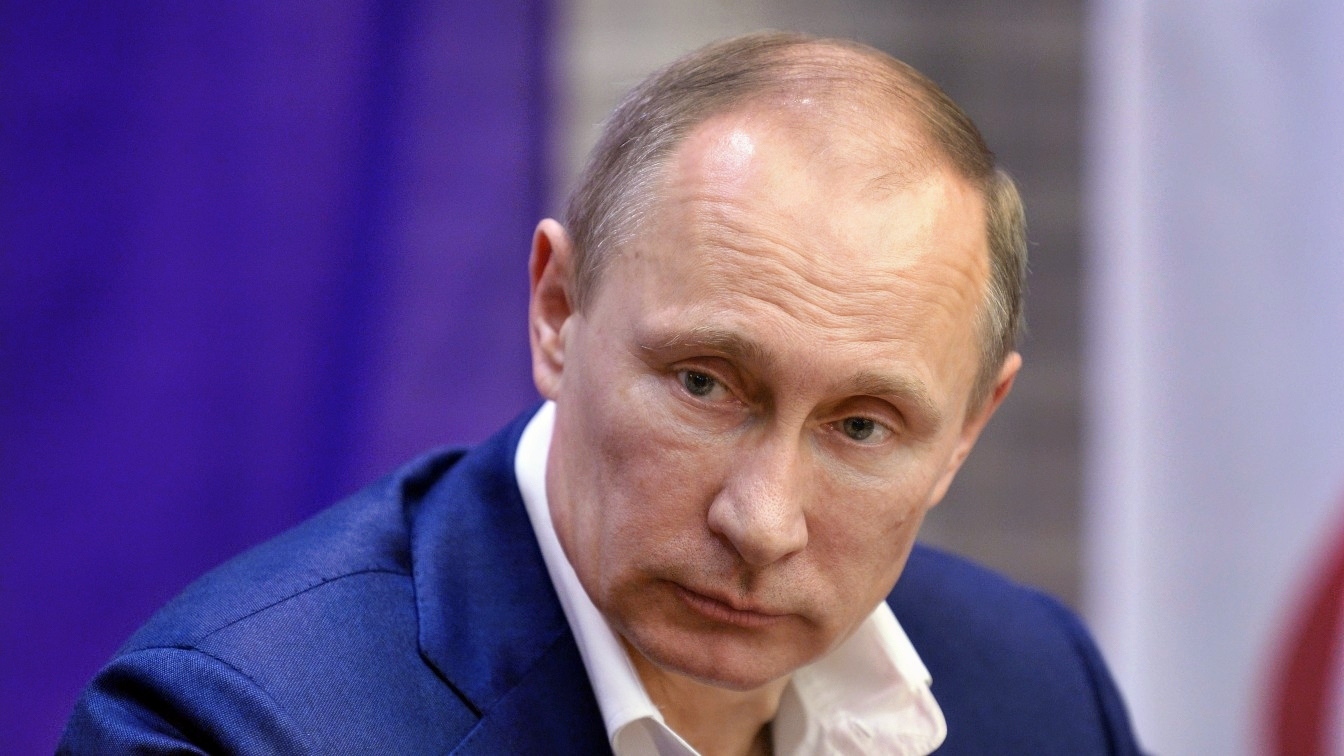
Putin Back in 2014 Image Credit Russian Federation
Britain is part of the “Coalition of the Willing,” a group of allied nations that have come together to support Ukraine. The Coalition held a meeting on Monday that included Burnham, French President Emmanuel Macron and German Chancellor Friedrich Merz.
The prime minister, Bloomberg News reported, plans to visit the U.S. next month to lobby for support for Ukraine.
As part of the visit to Kyiv, the U.K. government announced some new aid for Ukraine: Britain made Ukraine the first foreign country with access to its Avengers AI Labs, meant to “accelerate the development of AI tools to shape the battlefield.”
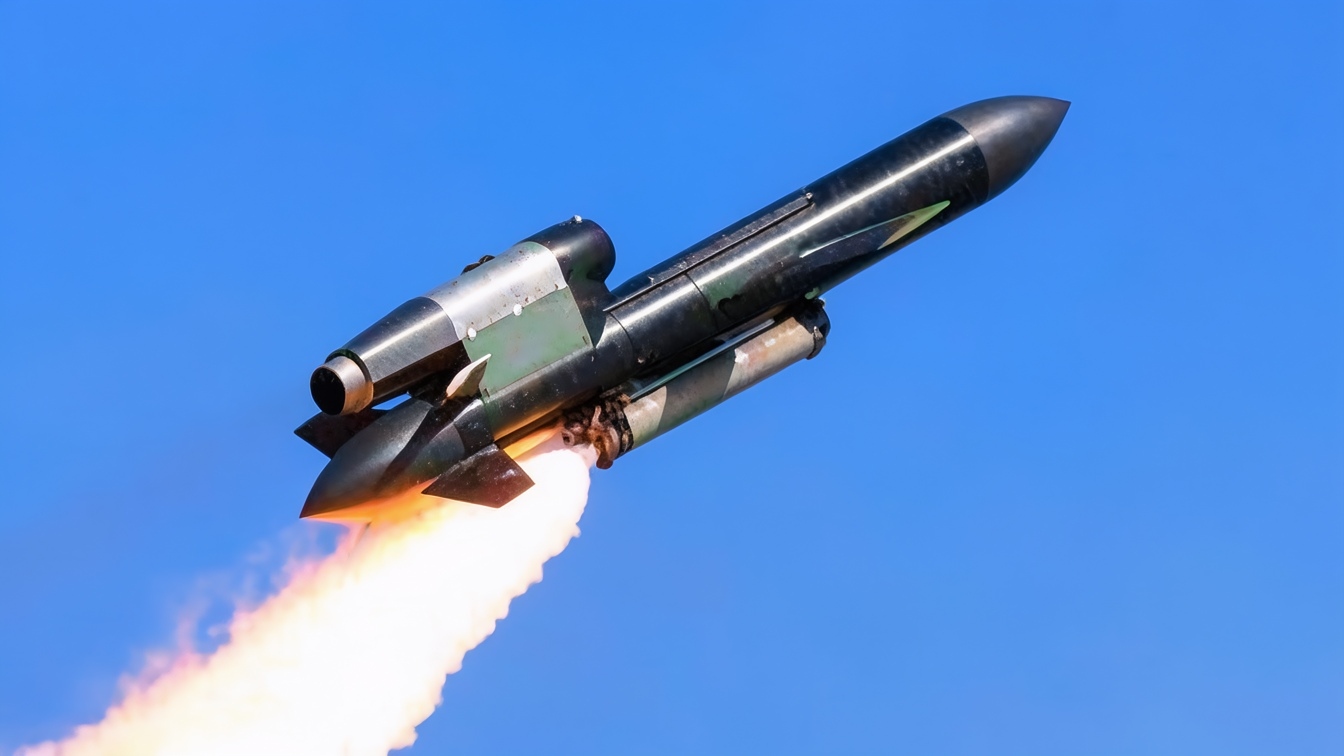
Also this week, Burnham okayed the defense firm MBDA giving Ukraine access to blueprints and secret intelligence related to the SCALP air-launched cruise missile. Per CNN, Ukraine has had access to the missile in the past, but under the new deal, it can manufacture the missiles in Ukraine.
The SCALP is described as “a conventionally armed, long-range, deep-strike weapon, of which Ukraine has used imported versions with success against hardened targets,” per CNN. France, which made a similar move, manufactures the missiles, but they include some British components. The missiles are known as “Storm Shadow” in Britain.
And Russia is not happy about this development.
“Fuel on the Fire”
According to CNN, spokesman Dmitry Peskov reacted to the SCALP announcement by stating that Britain was “participating in the war” and “pouring fuel on the fire.”
The Russian embassy in Britain, the previous week, had warned that “the deeper its involvement” and “the greater its support” for the Ukrainian side in the war, “the higher the price it will pay.”
And now, there’s been an even starker warning about what could happen if the U.K. keeps up its military assistance to Ukraine.
According to CBS News, former Russian Deputy Foreign Minister Andrei Fedorov, who still advises Russian President Vladimir Putin, went on BBC’s NewsNight and warned that Russia could target factories in Britain that produce drones for Ukraine with “semi-military” or “unknown” forces.
“Sooner or later, there might be not only verbal but maybe some visible reaction from Russia towards the UK,” Fedorov said in the BBC interview.
“Something might happen with enterprises, with factories, which are producing drones for Ukraine,” Fedorov told the BBC. “They could be attacked — not by Russia, but from unknown sources.”
Cyberattacks are one possible measure, he alluded to in the interview.
Britain is a NATO member, meaning that any Russian attack would have potential Article 5 implications.
What Ukraine Needs?
A BBC analysis published this week by defense correspondent Jonathan Beale noted that while the new missiles could help Ukraine, and certainly send a signal about Western support for Ukraine’s cause, they’re not what Ukraine needs most, and are therefore likely “won’t dramatically alter the course of the war.”
The problem is that Ukraine still needs interceptors. President Donald Trump had said at the most recent NATO meeting that he would grant Ukraine a license to produce the interceptors, although he later backed off of that promise.
“The most effective weapon to do that, by far, is the US-made Patriot interceptor. Ukraine has all but run out of them and Russian ballistic missiles now make it through Ukrainian air defences with ease,” the BBC story said. “America’s war in Iran has meant they’re in even shorter supply.”
Ukraine is also working with European allies on its own interceptor, called Project Freya, although that process will likely take a long time.
“The move to hand missile blueprints to Ukraine will be welcome, but it is not an immediate fix for Ukraine’s most pressing problems, and it will not dramatically alter Kyiv’s ability to strike Russia in new ways,” the BBC analysis said.
About the Author: Stephen Silver
Stephen Silver is an award-winning journalist, essayist, and film critic, and contributor to the Philadelphia Inquirer, the Jewish Telegraphic Agency, Broad Street Review, and Splice Today. The co-founder of the Philadelphia Film Critics Circle, Stephen lives in suburban Philadelphia with his wife and two sons. For over a decade, Stephen has authored thousands of articles that focus on politics, national security, technology, and the economy. Follow him on X (formerly Twitter) at @StephenSilver, and subscribe to his Substack newsletter.


