

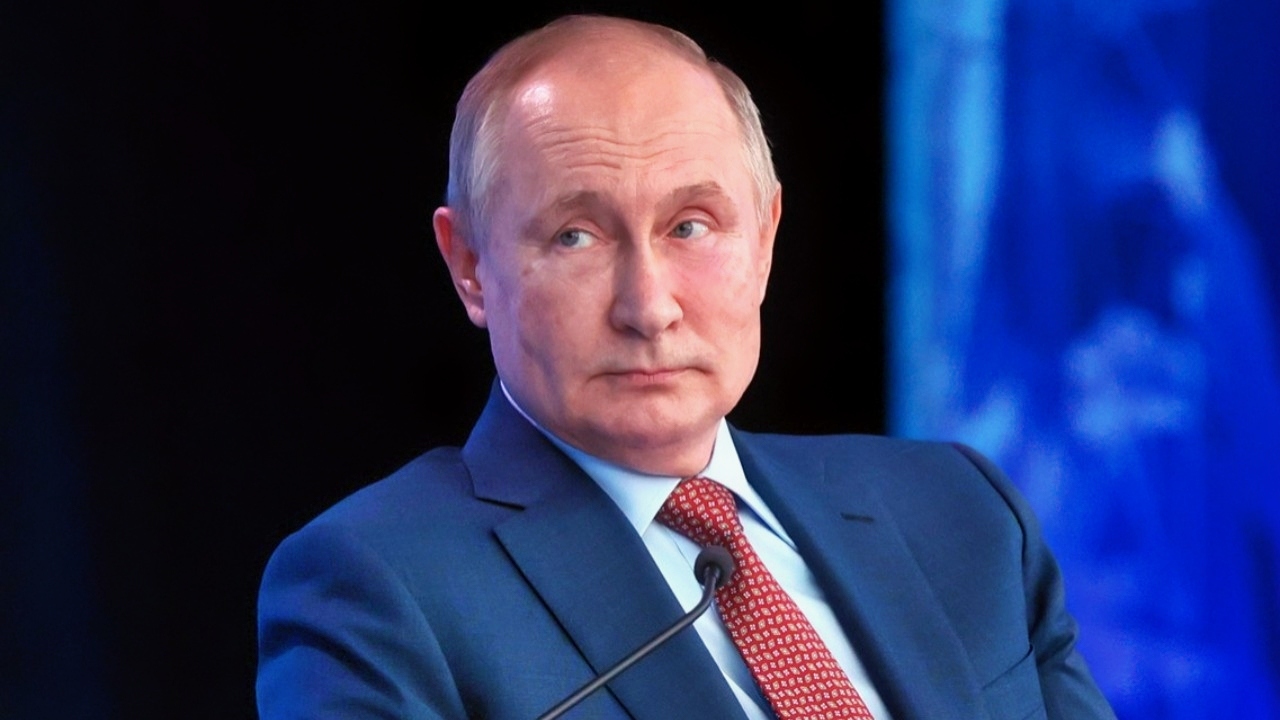
With many Russian oil refineries crippled by Ukrainian drone and missile strikes, one of the world’s largest energy-producing and exporting countries has been forced to source fuel from abroad in order to meet domestic demand.
India, which typically imports a significant portion of its fuel from Russia, has become a surprising source of oil for Russia in what is quickly becoming a bizarre reversal of roles.
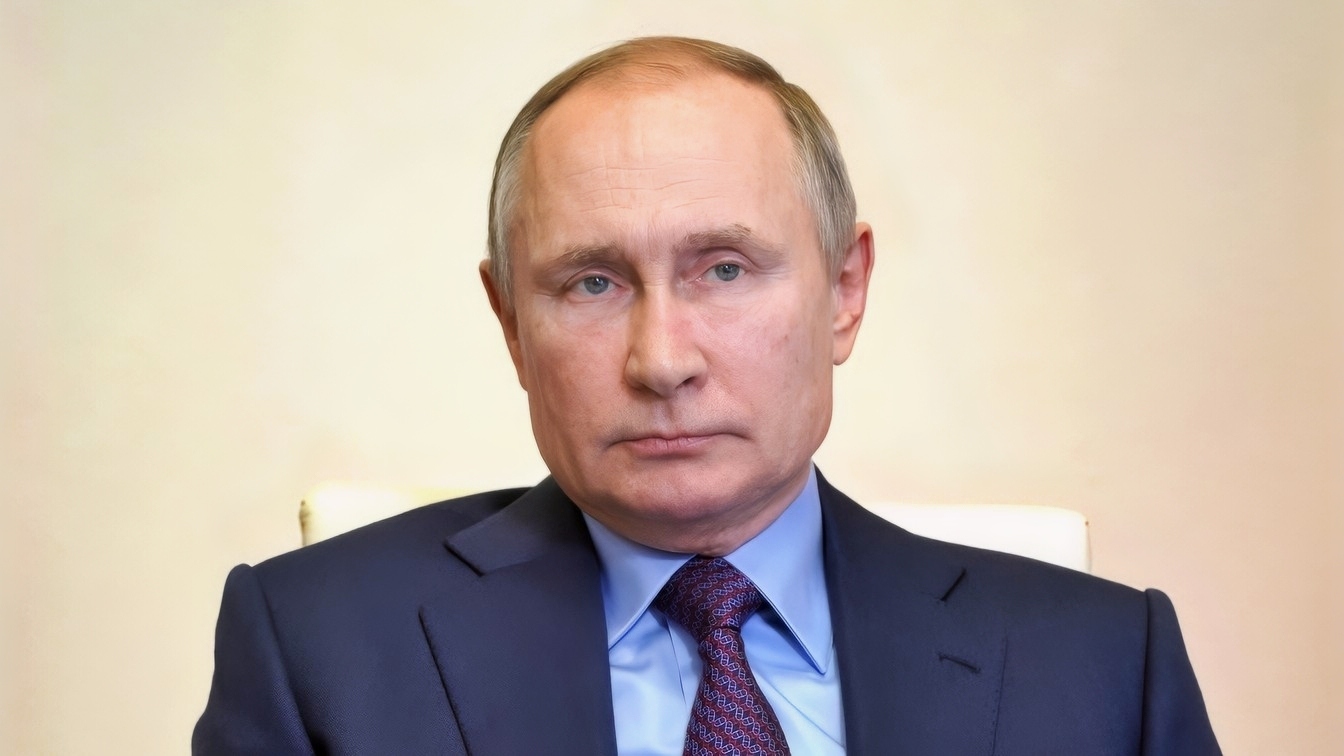
Putin in March 2022 Creative Commons Image
Oil shipments from India highlight how acute Russia’s fuel pinch is.
Ukrainian attacks on Russian oil infrastructure — what Ukrainian President Volodymyr Zelensky has dubbed his country’s “long-range sanctions” regime against Russia — have knocked out about 40 percent of Russia’s refining capacity.
Belarus, Russia’s smaller neighbor, has typically been a destination for Russian crude oil and has also emerged as a significant gasoline supplier to Russia.
It is quickly becoming the sharpest fuel crisis in Russia since the Soviet Union’s demise over three decades ago.
One report by the Financial Times estimates that up to 50 million Russians have been affected by the fuel shortage, with long lines and fuel caps a future of filling up at the pump in Russia.
Other measures intended to alleviate the fuel crunch in Russia include a prohibition on exporting diesel fuel abroad, a move by Russian authorities to prioritize domestic consumption.
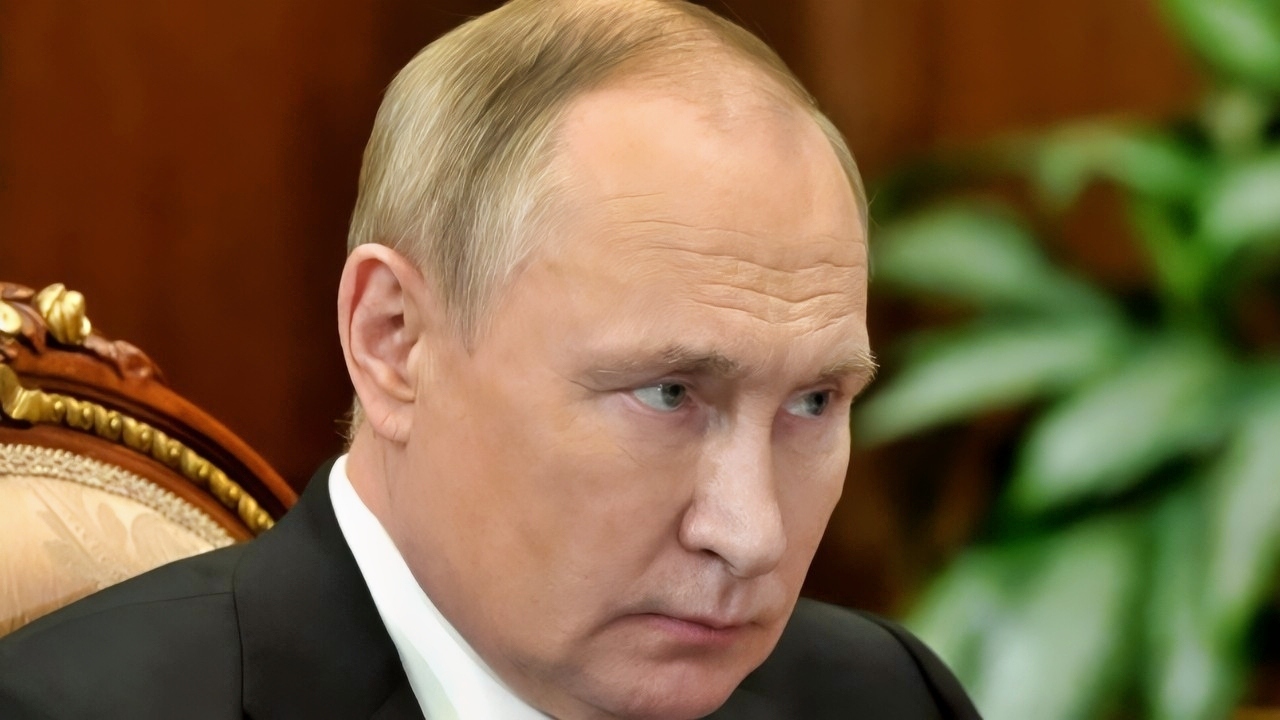
Putin in Meeting In January 2023 Creative Commons Photo
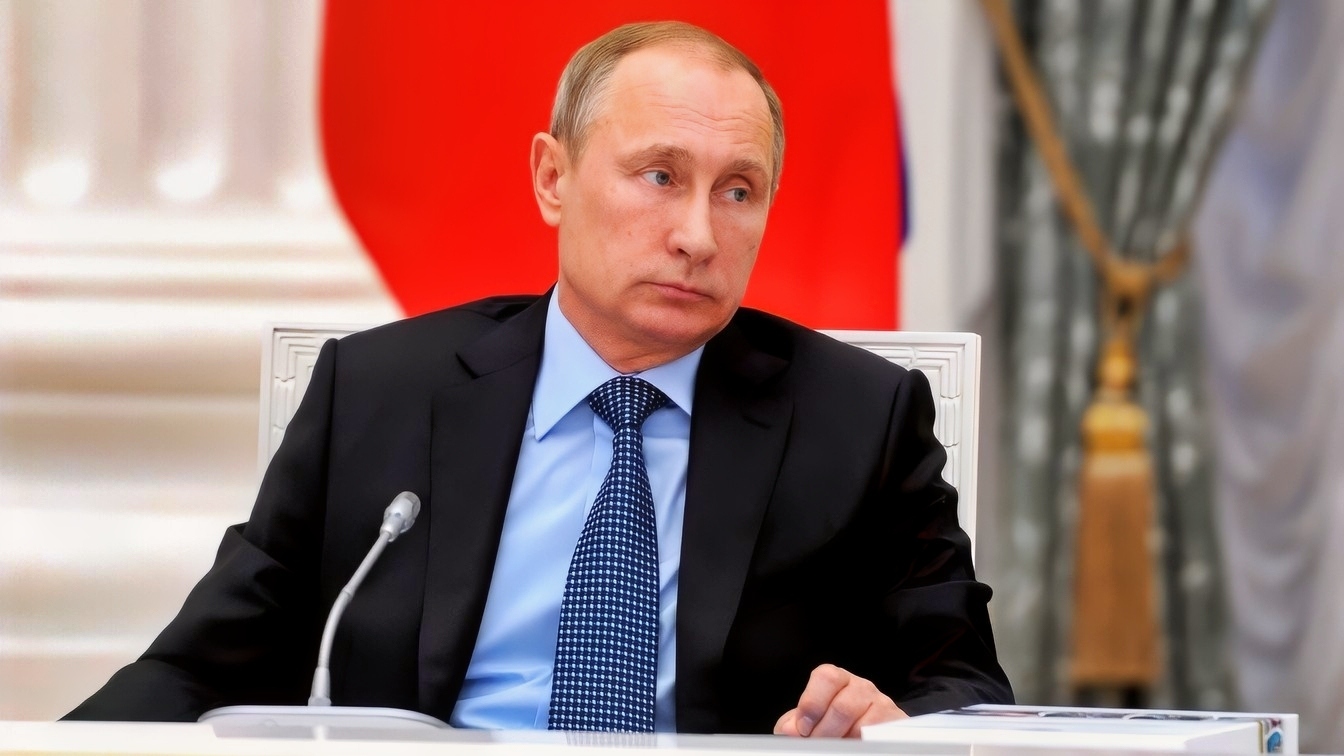
Putin Back in 2025 Creative Commons Photo
In addition, environmental standards for Russian refiners have been relaxed, a measure that simplifies and speeds up the refining of oil for fuel products but raises long-term health concerns because it includes high levels of sulfur and aromatic hydrocarbons, two substances that are typically minimized in fuel because of their carcinogenic properties.
Refineries May Be Bouncing Back
Imports and relaxed environmental standards have helped alleviate the fuel squeeze, particularly in Moscow and St. Petersburg, Russia’s two largest cities.
But long lines have been reported in other regions, particularly in more rural areas.
Some refineries are reportedly restarting production and bouncing back from halted production, according to Russian Deputy Prime Minister Alexander Novak.
“The situation is gradually stabilizing; a number of oil refineries have become operational again.
The balance is better now, and the situation at fuel stations has improved considerably.
Including when it comes to supplying agricultural producers. The Northern Delivery is fully secured,” the deputy prime minister said.
“Oil companies are providing all necessary volumes. The situation remains quite tense in some regions, especially in Siberia.
We are effectively resolving issues of fuel supply manually at the federal headquarters with regions and companies,” he said.
“The situation is temporary; the government is making all possible efforts to ensure that the situation surrounding the supply of the domestic market is fully restored,” Novak added.
Ukrainian forces have not only targeted Russian oil refineries, but also Russia’s shadow fleet, a loose collection of aged tanker ships that are used to clandestinely transport Russia’s sanctioned oil and fuel around the globe.
Attacks on the shadow fleet have been particularly acute in the Black Sea and the Sea of Azov, and over 100 Russian ships have been hit in the attacks.
One of the more remarkable strikes in Ukraine was against a Russian refinery in Omsk, Siberia.
That facility is Russia’s largest refinery, accounting for about seven percent of the country’s total refining capacity.
Remarkably, those strikes on the Omsk refinery were 2,500 kilometers, or nearly 1,600 miles, from the front lines in Ukraine.
But fuel purchase caps in Omsk have reportedly been lifted, a sign of how difficult it will be to keep Russian refineries offline for extended periods.
A Sign of the Times
While the Russian president has been rather tight-lipped about setbacks on the battlefield in Ukraine, the worsening fuel pinch forced Putin to address the shortages directly, in what amounted to a tacit admission that Ukrainian strikes have had a perceptible effect on the lives of everyday Russians.
In an interview with a Russian journalist published in English on the Kremlin website, the Russian president explained his view of the situation.
“As for the attacks on critical infrastructure in general, and energy infrastructure in particular, they are, of course, creating problems.
That is obvious,” Putin acknowledged. “We are currently seeing certain shortages, although they are not critical,” he added, seemingly downplaying the severity of the fuel situation.
But as other reporting has shown, while there is certainly enough fuel available in Russia to keep the lights of the Kremlin turned on, Russians living in towns and villages across Russia are feeling the fuel pinch acutely.
About the Author: Caleb Larson
Caleb Larson is an American multiformat journalist based in Berlin, Germany. His work covers the intersection of conflict and society, focusing on American foreign policy and European security. He has reported from Germany, Russia, and the United States. Most recently, he covered the war in Ukraine, reporting extensively on shifting battle lines in Donbas and writing about its civilian and humanitarian toll. Previously, he worked as a Defense Reporter for POLITICO Europe. You can follow his latest work on X.


