

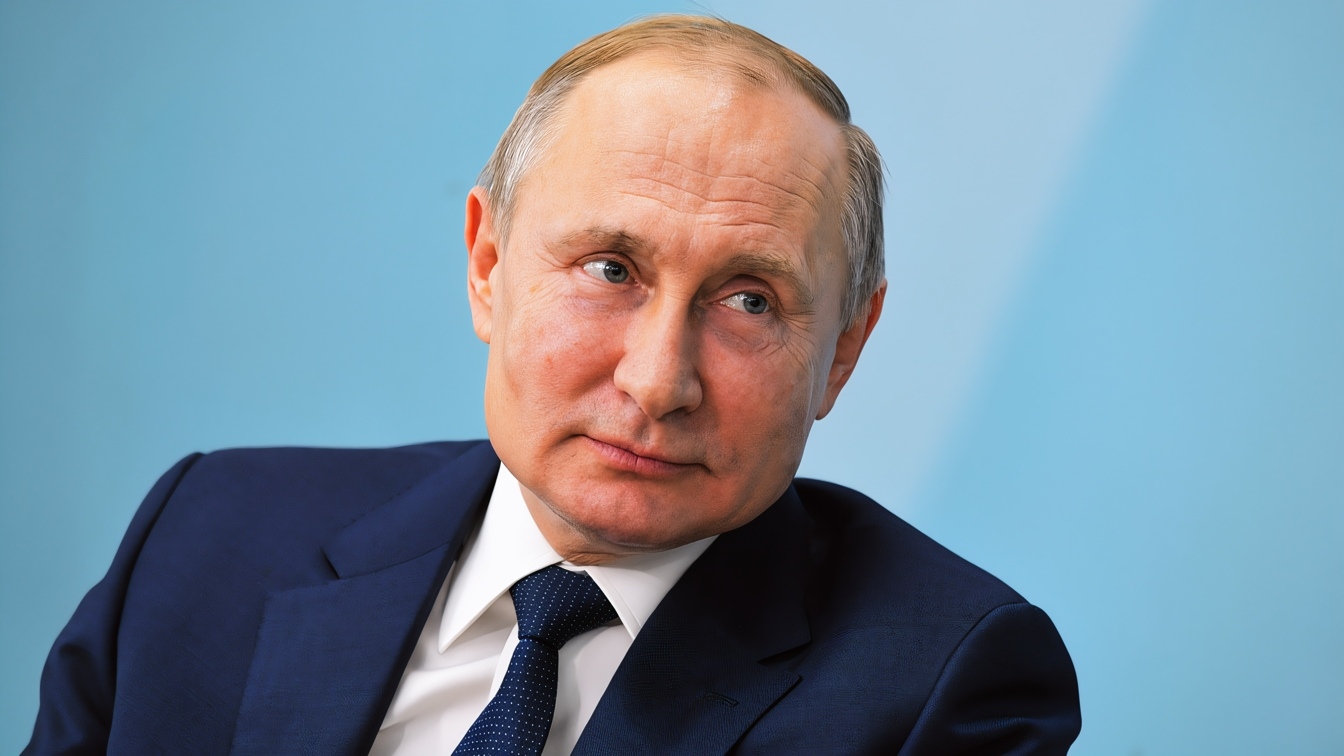
Russia Added $20 Billion in Cash as Internet Blackouts Hit Card Payments: Russia’s stock of physical cash has increased by 1.56 trillion rubles, about $20 billion, since the start of 2026 as mobile internet shutdowns disrupt card payments and businesses face greater pressure to keep sales outside the tax system. A BBC analysis of Bank of Russia data said the increase was the largest for the period outside the pandemic.
Russian authorities have repeatedly restricted mobile internet service during Ukrainian drone alerts, rendering card terminals, banking applications, and QR code payments unreliable in affected areas. Consumers have responded by carrying more banknotes, while small businesses have gained another reason to request cash at the register.
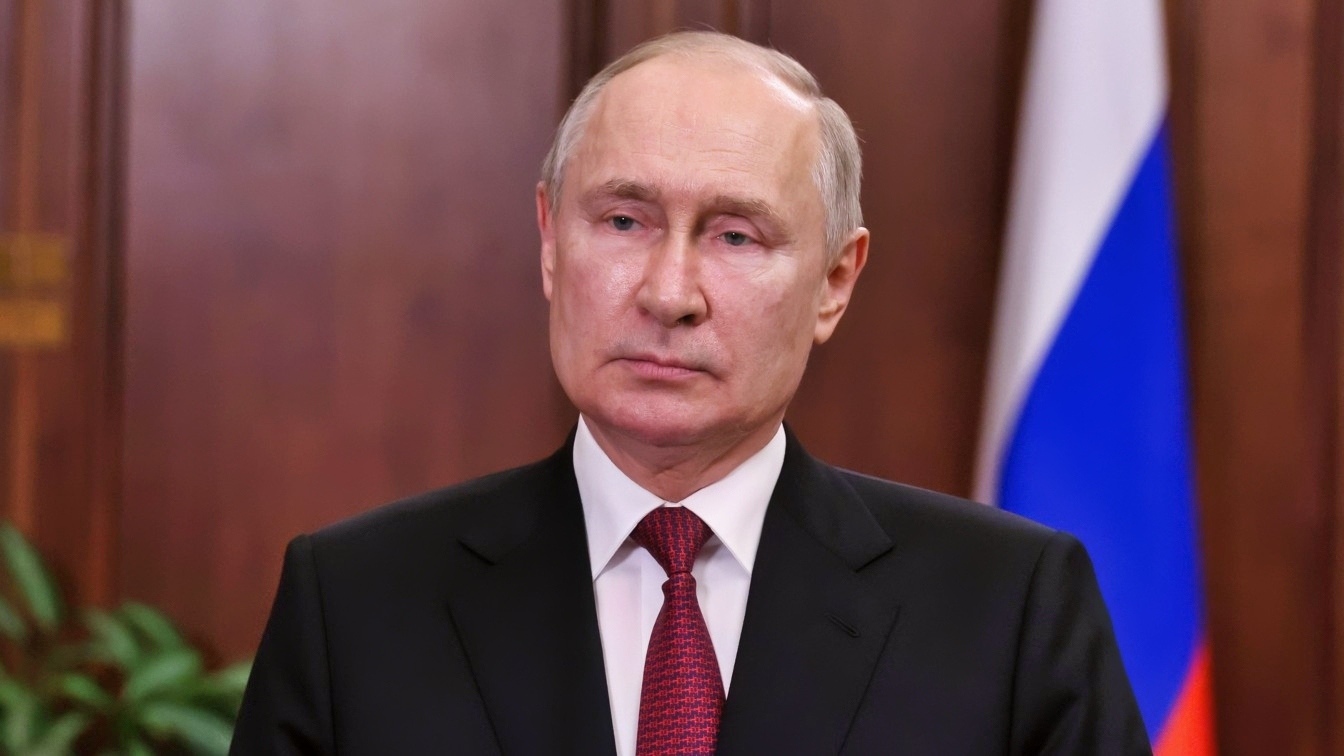
Putin in July 2023 Creative Commons Photo
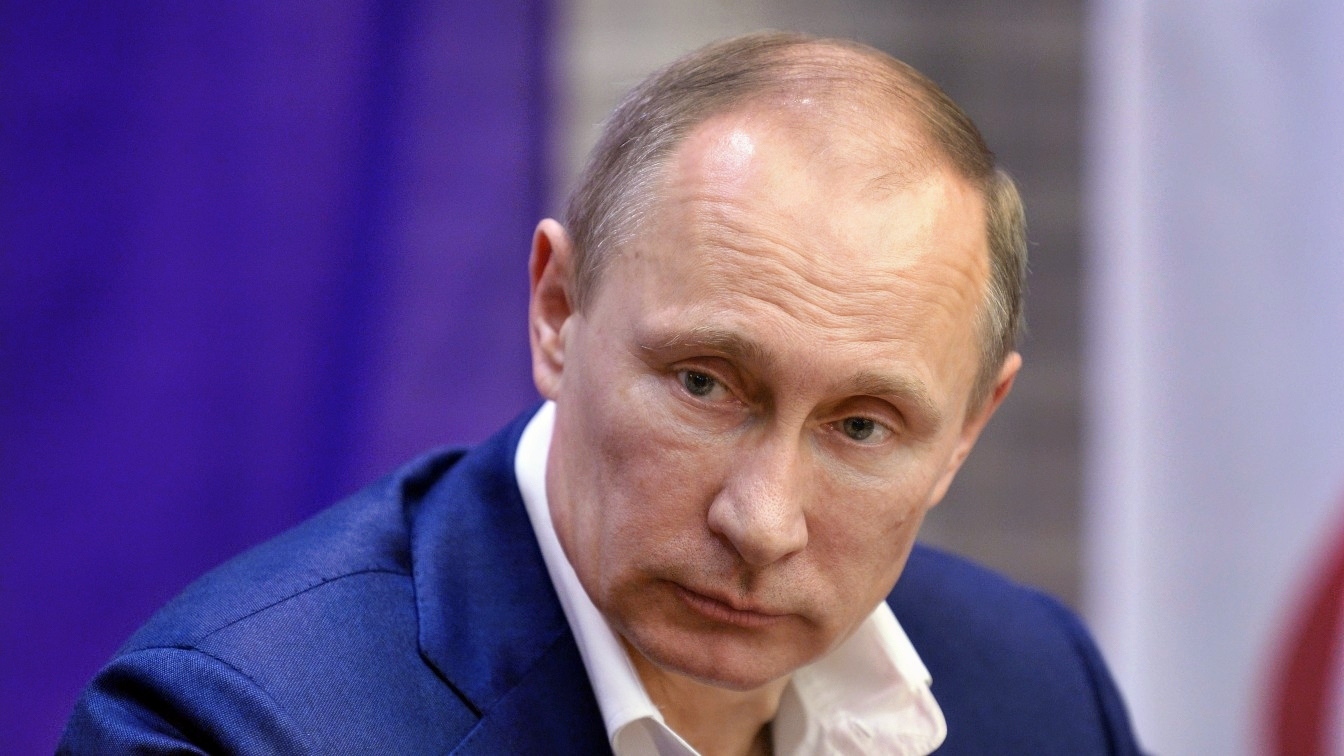
Putin Back in 2014 Image Credit Russian Federation
Reuters reported in June that cash held outside Russian banks had risen 17.5 percent from a year earlier to more than 19 trillion rubles. The shift helped create a 2 trillion-ruble liquidity deficit in the banking sector, although the Bank of Russia said it was supplying enough funds to keep the system stable.
The central bank’s position remains that the pressure is manageable. The wider economic effect comes from the combination of disrupted payments, slower lending, higher taxes, and more commercial activity moving beyond the banking system.
Russia’s Internet Blackouts Are Disrupting Card Payments
Russia has expanded mobile shutdowns as Ukrainian drones reach deeper into the country. Reuters reported in May that the restrictions were already creating serious problems for small companies, particularly firms dependent on digital sales, delivery platforms, messaging services, and mobile payment systems.
The security rationale is direct. Russian officials say reduced mobile connectivity can interfere with drone navigation and targeting. Ukraine’s expanding strike range has made that response more frequent, with recent attacks reaching industrial facilities roughly 1,500 miles from the border. A July 19FortyFive report examined how Ukraine’s longest-range drone strikes pushed the threat into Siberia.
The payment disruption also intersects with tax policy. The BBC reported that Russia raised value-added tax to 22 percent in January and lowered the threshold that brings smaller firms into the VAT system. A survey by the business association Opora Russia found that about 6 percent of entrepreneurs had adopted practices such as avoiding receipts, the report said.
Russia’s Banks Are Losing a Cheap Source of Funding
Cash kept in wallets, safes, and business tills is money that banks cannot use as a stable deposit base. The Bank of Russia can replace part of that liquidity, but the banking system becomes more dependent on central bank operations as withdrawals continue.
The pressure arrives while borrowing costs remain high. The Bank of Russia lists its key interest rate at 14.25 percent. Russia’s largest lender, Sberbank, also said it expected to reduce its forecast for corporate lending growth because borrowers’ financial positions were deteriorating, according to a July 1 Reuters report.
Those strains extend beyond commercial banking. A recent 19FortyFive analysis noted that Russia’s wartime economy now depends on spending commitments that will be difficult to unwind, including defense production, regional payments, subsidized credit, and benefits tied to military service.
Russia’s Slowing Economy Makes the Cash Shift More Costly
Russia’s economy contracted by 0.2 percent in the first quarter, while officials acknowledged a sharp slowdown from earlier growth rates recorded during the war. Reuters reported in June that high interest rates, sanctions, and a strong ruble had contributed to weaker activity.
The federal budget is also under pressure. Government data showed a deficit of 5.73 trillion rubles in the first half of 2026 as spending continued to exceed earlier plans. The deficit could exceed the official full-year target by more than 1 trillion rubles due to additional spending, according to a Reuters analysis of Russia’s budget.
A larger cash economy adds another complication. Tax authorities collect less when firms conceal sales or pay workers informally. Banks have fewer deposits available for lending. The central bank has to provide more liquidity while keeping interest rates high enough to restrain inflation.
Physical cash also provides households with a practical backup when communications fail, so demand may remain elevated as long as internet shutdowns persist. The Bank of Russia’s next rate decision is scheduled for July 24. It will make that decision with cash outside banks above 19 trillion rubles, and the government is seeking growth from an economy still carrying the cost of war.
About the Author: Harry J. Kazianis
Harry J. Kazianis (@Grecianformula) was the former Senior Director of National Security Affairs at the Center for the National Interest (CFTNI), a foreign policy think tank founded by Richard Nixon based in Washington, DC. Harry has over a decade of experience in think tanks and national security publishing. His ideas have been published in the NY Times, The Washington Post, The Wall Street Journal, CNN, and many other outlets worldwide. He has held positions at CSIS, the Heritage Foundation, the University of Nottingham, and several other institutions related to national security research and studies. He is the former Executive Editor of the National Interest and the Diplomat. He holds a Master’s degree focusing on international affairs from Harvard University.


