


A growing chunk of Saudi oil is now being rerouted amid tensions in the Red Sea and the Strait of Hormuz.
Riyadh Looks North
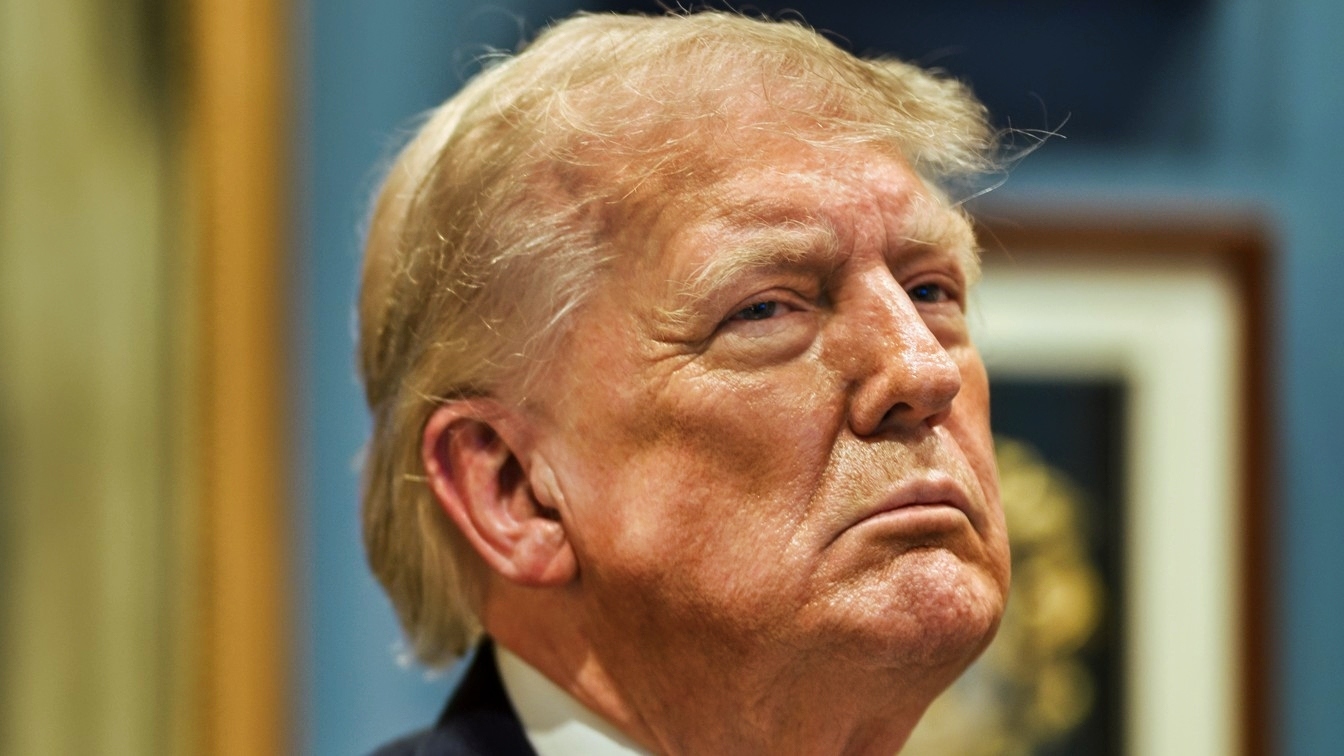
President Donald J. Trump watches the liftoff of Artemis II in the Outer Oval Office, Wednesday, April 1, 2026. (Official White House Photo by Daniel Torok)

President Donald J. Trump holds a cabinet meeting in the Cabinet Room Wednesday, May 27, 2026. (Official White House Photo by Daniel Torok)
On Wednesday, The New York Times said Saudi Arabia was hastily moving to transport a growing share of its crude via the Red Sea and across Egypt, instead of sending ships south via the Bab al-Mandab Strait.
For fuel headed to East Asia, the switch-up is adding weeks to the delivery times buyers initially expected.
Matt Smith of the maritime data firm Kpler told the newspaper that this was “add[ing] another layer of complexity to supply disruptions.”
He also noted that transporting Saudi crude to China, Japan, or South Korea via South Africa’s Cape of Good Hope could add two to four weeks of travel time and around $5 per barrel in additional expenses.
Strait of Hormuz Still at Near Standstill
Prior to the outbreak of U.S. and Israeli strikes on Iran on February 28 this year, approximately one-fifth of the world’s oil and liquefied natural gas (LNG) supplies passed through Hormuz.
Saudi crude was pumped away via its East-West pipeline to Yanbu on the Red Sea. Tankers then sailed south via Bab al-Mandab before turning east.
In April, Yanbu’s crude export throughput soared to 4.18 million barrels a day. For comparison, it had averaged a mere 750,000 barrels in 2025.
On July 20, the Houthis, an Iran-backed terror proxy based in Yemen, announced a blockade on vessels serving Saudi ports, plunging Riyadh’s backup route into chaos.
Many Saudi tankers are now sailing north and unloading their crude at Egypt’s Ain Sokhna port. This means it can enter the Sumed pipeline, which carries oil to the Mediterranean Sea.
Kpler data show that more than 1.9 million barrels of oil per day (mostly Saudi) have moved via this route so far this month. In June, the average was just 650,000 barrels a day.
Houthi Attacks Far from Yemen
On Monday, a tanker was struck by an unidentified projectile approximately 63 nautical miles west of Yanbu, according to the United Kingdom Maritime Trade Operations agency.
Saudi national shipping company Bahri subsequently confirmed that its tanker Amzan had been involved in a maritime incident.
It said all crew members were safe and no injuries had been reported. The Houthis later claimed responsibility for attacking a vessel off Yanbu, over 900 miles from Yemen.
The group has also expanded its attacks beyond shipping.
The Houthi terror group’s military spokesman Yahya Saree said last week that drones targeted a “sensitive” site at Najran Airport and an Aramco facility in southern Saudi Arabia. Riyadh is yet to officially confirm whether these attacks took place.
The Houthis have also threatened to broaden their maritime campaign against Saudi-linked commerce.
Reuters reported Wednesday that Saudi Arabia’s Aramco company is offering additional crude for September loading through ship-to-ship transfers off Fujairah in the United Arab Emirates and Sohar in Oman, both outside Hormuz.
Aramco has already sold at least 4 million barrels to China this month through such transfers. Shipping data also indicates that some Saudi tankers have moved through Hormuz with their tracking systems switched off in an apparent effort to reduce their exposure to attacks.
Aramco CEO Amin Nasser said this month that the company was “actively increasing” the flexibility of its export routes.
No Peace Talks Ongoing
As it stands, the hostilities with Iran are no closer to abating.
Both Washington and Tehran have stressed that no direct talks are currently ongoing.
However, Pakistan’s army chief, Asim Munir, touched down in Tehran on Monday following talks with Trump last week.
Earlier this year, Pakistan served as an intermediary to help broach the now-expired ‘Memorandum of Understanding’ between the U.S. and Iran.
Some form of temporary deal could soon be in place between Iran and Oman.
On Wednesday, the government released a joint statement announcing that they had discussed a framework including the “establishment of a joint temporary maritime corridor.” The statement did not outline the specifics of such a deal. Washington has stressed that the Strait is an international waterway and that no tolls should be imposed on ships passing through it.
About the Author: Georgia Gilholy
Georgia Gilholy is a journalist based in the United Kingdom who has been published in Newsweek, The Times of Israel, and the Spectator. Gilholy writes about international politics, culture, and education.


