
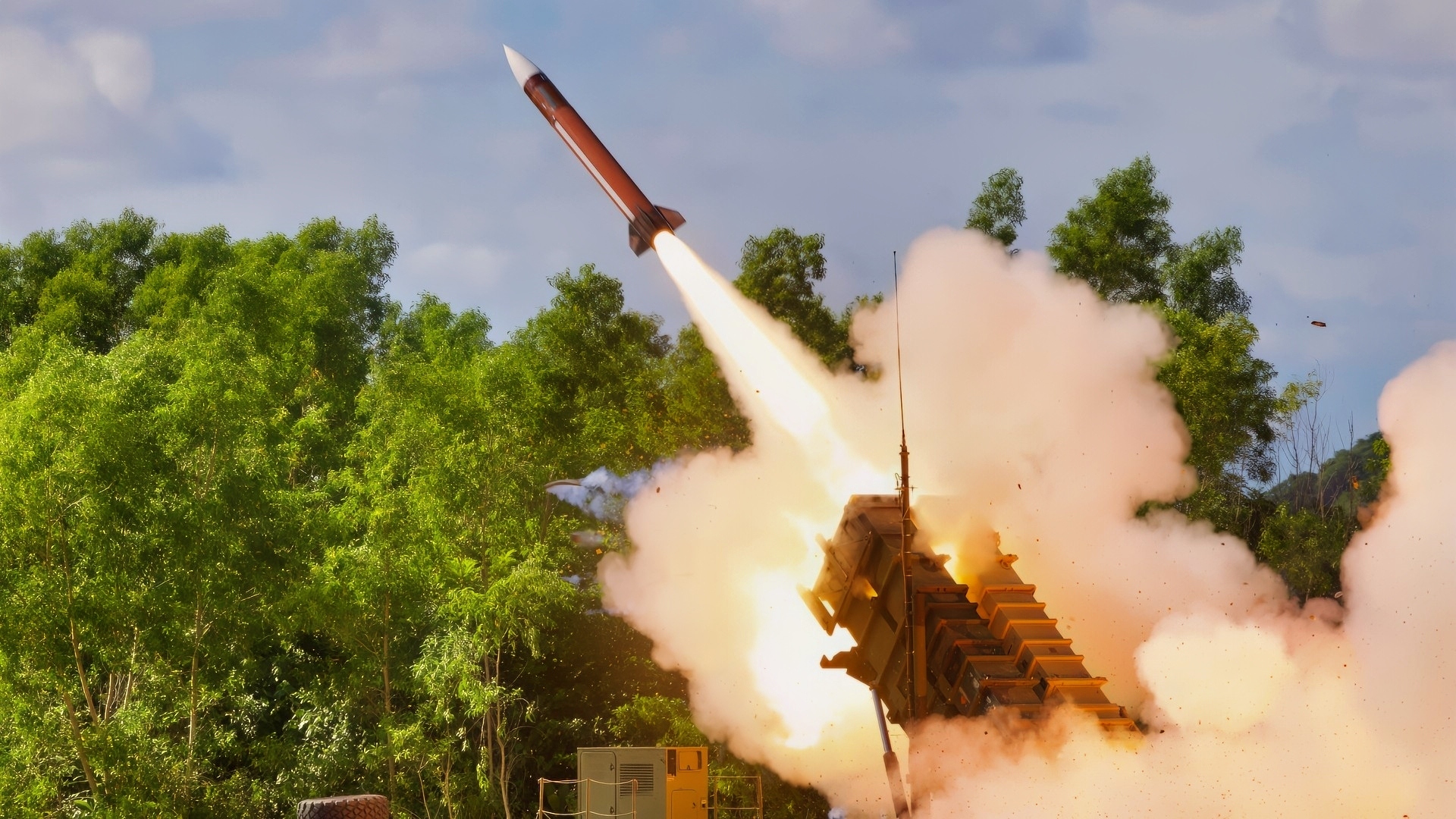
Is This How Ukraine Will Overcome Its Patriot Shortage? – Ukraine’s Patriot interceptor shortage is becoming impossible to ignore following another enormous Russian missile attack that killed 17 people in Kyiv and the surrounding region overnight. The strikes are becoming so devastating that Ukraine is now looking for entirely different ways to stop the attacks, with Patriot deliveries not expected to arrive in time to fend off Russian attacks over the coming winter.
The attack overnight into August 20 constituted one of the deadliest overnight assaults on the Ukrainian capital this year. As usual, Russia combined ballistic and cruise missiles with large numbers of attack drones in an assault lasting for hours, overwhelming Ukrainian defenses and damaging apartment buildings, a school, a children’s hospital, warehouses, and other infrastructure. More than 40 people were injured.
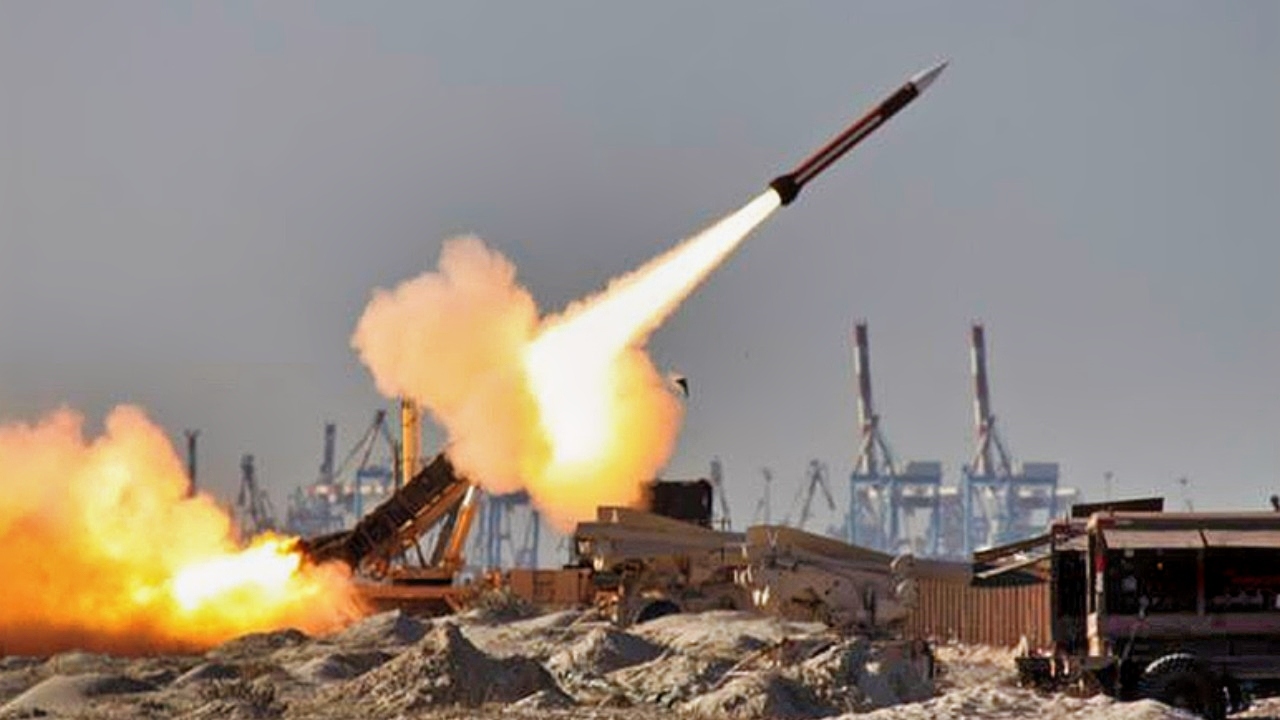
Patriot Missile Interceptor Test. Image Credit: Creative Commons.
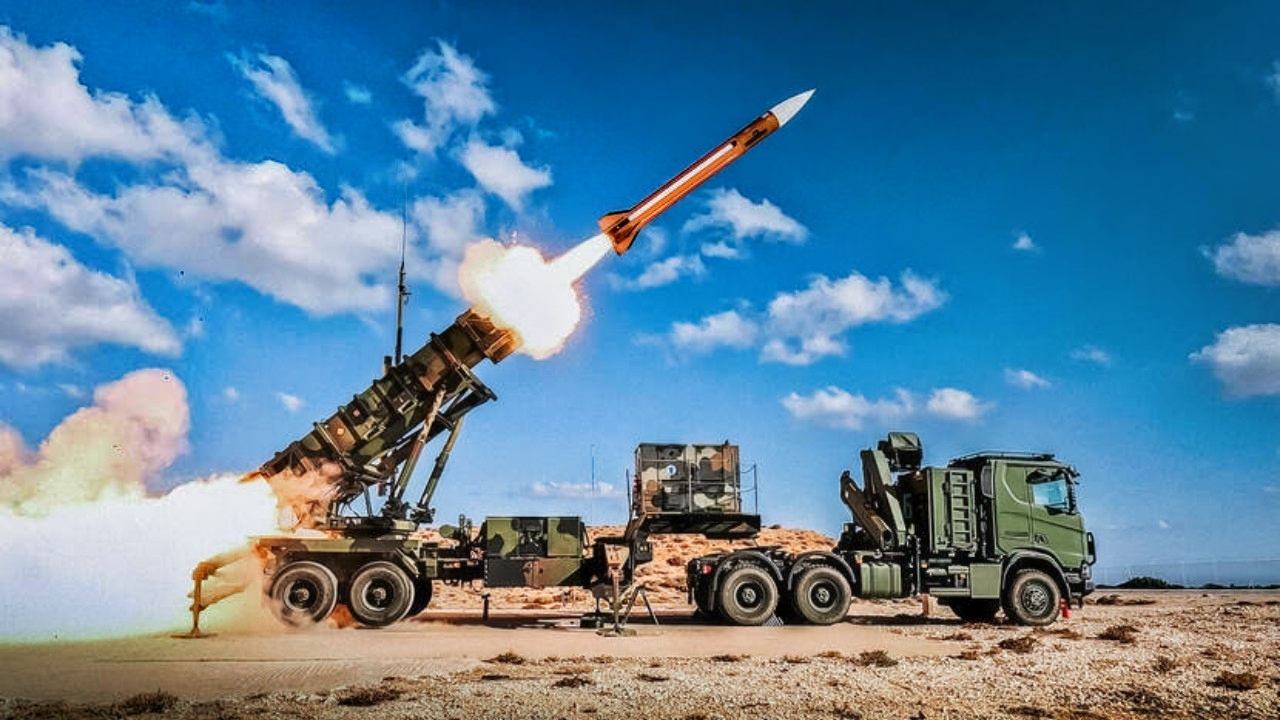
Patriot Missile Launch. Image Credit: Creative Commons.
Ukraine did successfully intercept most of the slower weapons involved in the attack, but Ukrainian President Volodymyr Zelenskyy said around 90% of the cruise missiles were destroyed, and ballistic missile interception was markedly worse. It comes as Kyiv pleads with international partners to send new deliveries of precision-guided missiles that are also in short supply among Western countries.
And Ukraine doesn’t have an immediate solution to the problem.
Patriot Shortage Is Costing Lives
As Zelenskyy has pushed for more Patriot deliveries in recent months, he has stressed that a failure to provide Ukraine with interceptors will cost lives – and that assessment is proving accurate with every new Russian strike.
At present, Patriot is Ukraine’s most important defense against Russian ballistic missiles and the only battle-proven means of intercepting those high-speed projectiles. But Kyiv doesn’t have enough to protect its cities. After Thursday’s attack, the Ukrainian president took to social media to once again call for more, stating, “we need missiles for Patriots, and only our partners can provide them.”
“At all levels, we convey to them both what we need and the fact that we know our partners are capable of meeting this need. We ain’t talking about gifts. Ukraine is ready to buy the weapons. What matters is that decisions be made – appropriate political decisions by our partners, first and foremost in the U.S,” he continued.
In another statement, Zelenskyy also tied the ballistic missile threat to the likelihood of peace negotiations, claiming that Russia would not seriously consider a negotiated end to the war unless Ukraine was capable of defending itself.
“As long as Ukraine does not have enough anti-ballistic defense, Russia will not consider peace seriously,” he said.
Ukraine’s New Strategy?
With no immediate solution to the Patriot shortage, Ukraine is now looking at new options to prevent Russian ballistic missile strikes: targeting ballistic missiles and their launchers before strikes begin.
Reports resurfaced this week that Kyiv is seeking Elon Musk’s permission to use Starlink-enabled drones to target Russian ballistic missile launchers up to 200 kilometers, or roughly 125 miles, inside Russian territory. The drones, should Musk provide Starlink services, would also be capable of targeting command posts and other infrastructure supporting Moscow’s missile campaign.
The proposal is Kyiv’s next-best option after intercepting missiles before they land, and arguably, if permission to use Starlink satellite services is granted, it could be even more effective overall. But for it to work, Musk would need to change his current position that Starlink cannot be used for direct military purposes and firmly put his private company on Ukraine’s side, potentially putting it in the crosshairs of the Russian military.
Zelenskyy previously asked U.S. President Donald Trump to persuade the tech leader to loosen those restrictions, but the president was reportedly unwilling to support the proposal.
If Kyiv could pull it off, the impact would be huge. Ukrainian intelligence estimates that Russia is now producing more than 200 cruise and ballistic missiles per month and that its stockpile of both is growing, with more than 1,100 cruise missiles available and around 130 Iskander-M ballistic missiles – with additional North Korean ballistic missiles also on the way.
Russia’s Strikes Aren’t Slowing Down
Moscow knows it is a race against time to inflict devastating damage on Ukrainian infrastructure before interceptors arrive or Kyiv becomes competent at striking missile launchers inside Russia. That’s why its missile campaign is accelerating.
Just one day after the devastating strikes on Kyiv, Russia launched another deadly strike overnight into August 21, this time hitting a shopping center in Zelenskyy’s hometown of Kryvyi Rih. At least six people were killed and around 90 injured, including six children, according to local authorities. 21 of those who were wounded are reported to be in serious condition.
But Ukraine continues its own long-range strike, degrading Russia’s ability to sustain the war from inside Russian territory. Ukrainian forces struck the TANECO refinery in Tatarstan and the Tamanneftegaz oil terminal in Krasnodar this week, causing fires at both facilities.
About the Author: Jack Buckby
Jack Buckby is a British researcher and analyst specializing in defense and national security, based in New York. His work focuses on military capability, procurement, and strategic competition, producing and editing analysis for policy and defense audiences. He brings extensive editorial experience, with a career output spanning over 1,000 articles at 19FortyFive and National Security Journal, and has previously authored books and papers on extremism and deradicalization.


