


On March 27, 1999, during NATO’s Operation Allied Force, Serbian air defenses shot down a U.S. Air Force F-117 Nighthawk stealth fighter over Yugoslavia. The aircraft was piloted by Lt. Col. Dale Zelko. Zelko ejected, evaded capture, and was rescued hours later by a U.S. combat search-and-rescue team. The missile system that brought him down was a Soviet S-125 Neva (NATO designation SA-3 Goa) — designed in the 1960s. It was the first confirmed combat loss of a stealth aircraft in history. Colonel Zoltán Dani, commander of the 3rd Battery, 250th Missile Brigade, achieved the kill by exploiting predictable NATO flight paths. He operated his targeting radar in 20-second bursts to avoid retaliation from anti-radiation missiles.
How the F-117 Nighthawk Stealth Fighter Was Taken Down
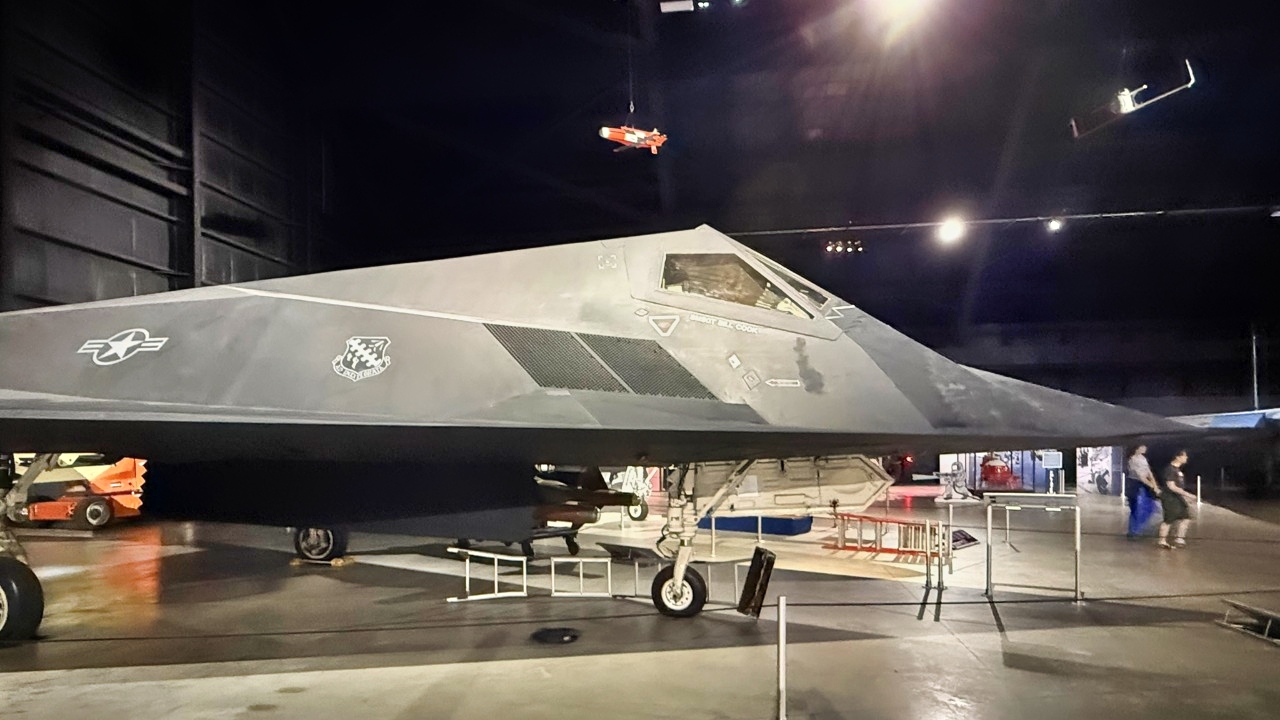
F-117 Stealth Fighter Original National Security Journal Photo.
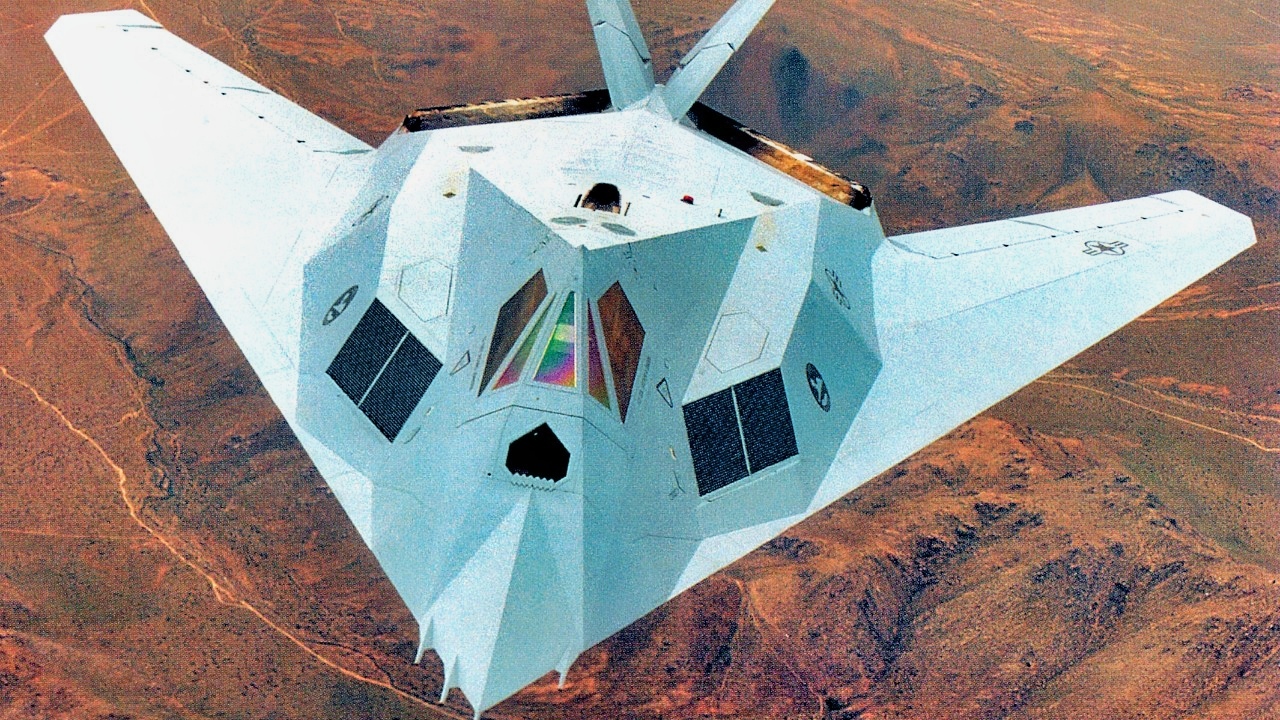
F-117 Nighthawk Stealth Fighter. Image Credit: Creative Commons.
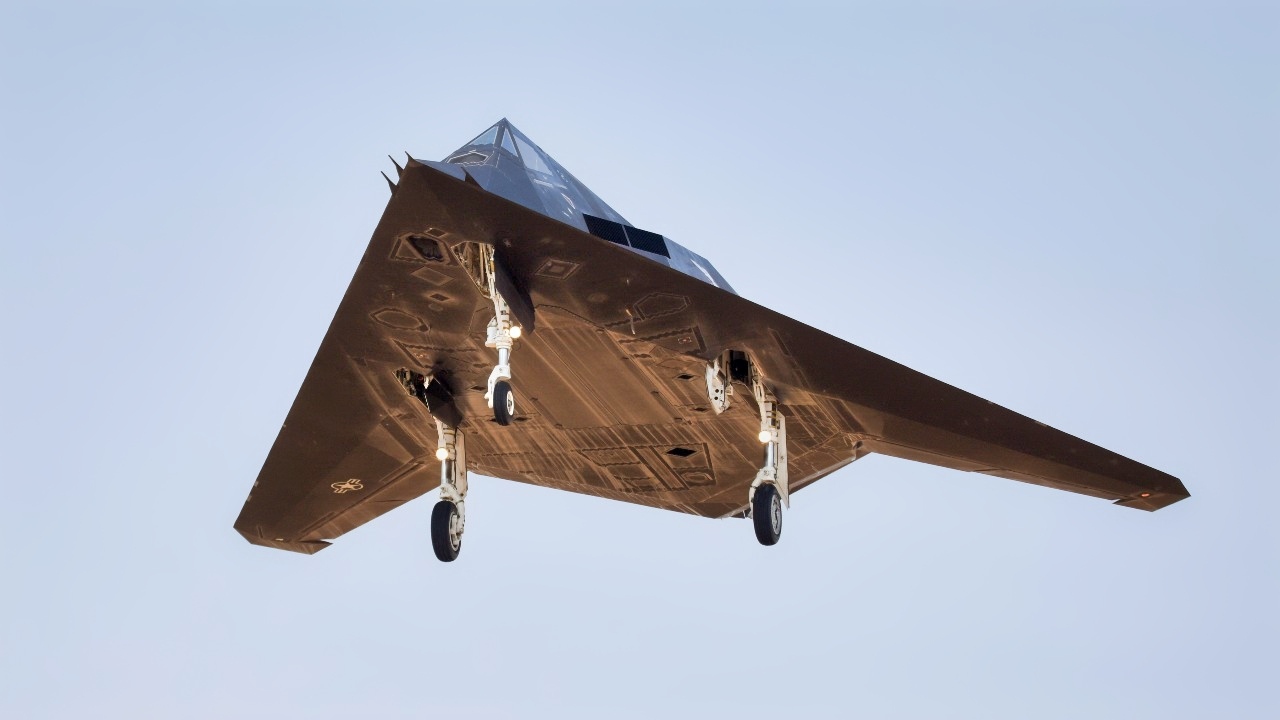
An F-117 Nighthawk lands at the Fresno Yosemite International Airport, Sept. 15, 2021, after conducting a training mission with the local Air National Guard unit. Two F-117 Nighthawks are participating in dissimilar air combat training missions this week along with F-15 pilots from the 144th Fighter Wing in Fresno, Calif. (U.S. Air National Guard photo by Capt. Jason Sanchez)
On March 27, 1999, during the NATO bombing campaign against Yugoslavia, Serbian air defenses achieved what may at one point seem unlikely if not impossible: they shot down an American F-117 Nighthawk stealth aircraft.
The destruction of the aircraft, officially designated “Vega 31,” became one of the most famous events of the Kosovo War and marked the first confirmed combat loss of a stealth aircraft in history.
Although the incident did not fundamentally change the outcome of the conflict, it demonstrated that advanced military technology is never invulnerable and that careful planning, adaptability, and tactical ingenuity can sometimes rival technological superiority.
The F-117 Nighthawk was designed during the Cold War as a revolutionary aircraft capable of evading enemy radar detection.
Developed by Lockheed and introduced in the 1980s, the jet used a combination of angular surfaces, radar-absorbent materials, and internal weapons bays to minimize its radar signature.
During the 1991 Gulf War, the F-117 gained a reputation as an almost untouchable weapon because it successfully struck heavily defended targets in Iraq without suffering combat losses.
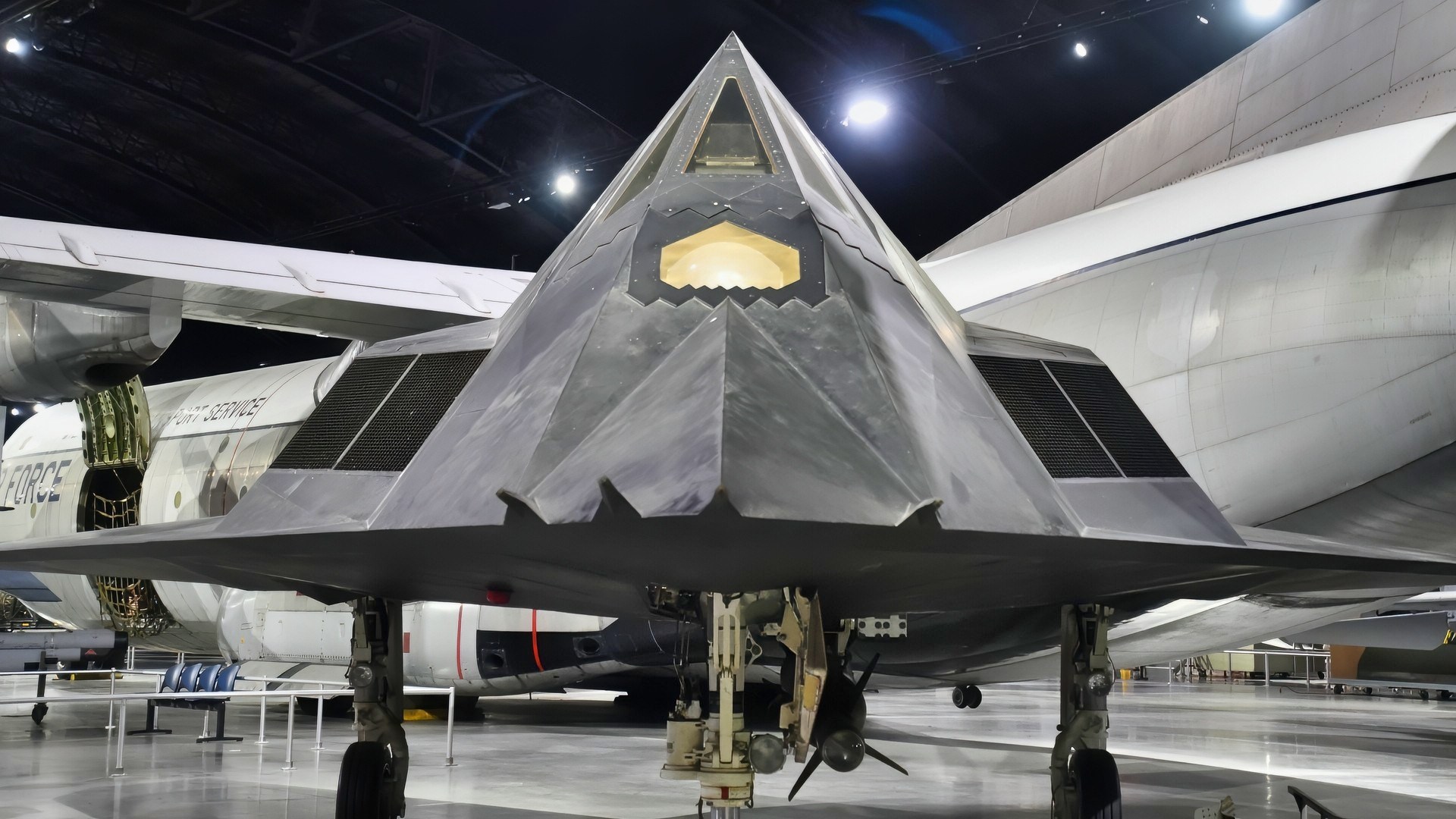
F-117A Nighthawk Stealth Fighter in Museum. Image Credit: Creative Commons.
NATO’s Allied Force
When NATO launched Operation Allied Force in March 1999 to pressure Yugoslav President Slobodan Milošević over the conflict in Kosovo, the alliance relied heavily on air power.
The F-117 played a major role in striking strategic targets in Serbia because it was considered capable of penetrating dense air defenses with little risk.
However, Serbian military commanders understood that they could not compete directly with NATO’s overwhelming technological and numerical superiority.
Instead, they focused on mobility, deception, discipline, and the exploitation of predictable NATO operating patterns.
The Serbian air defense force responsible for the shootdown was commanded by Colonel Zoltán Dani, leader of the 3rd Battery of the 250th Missile Brigade.
Dani’s unit operated the Soviet-designed S-125 Neva missile system, known in NATO terminology as the SA-3 Goa.
Although the system dated back to the 1960s and was considered outdated compared to modern Western aircraft, Serbian crews modified their tactics to improve survivability and effectiveness.
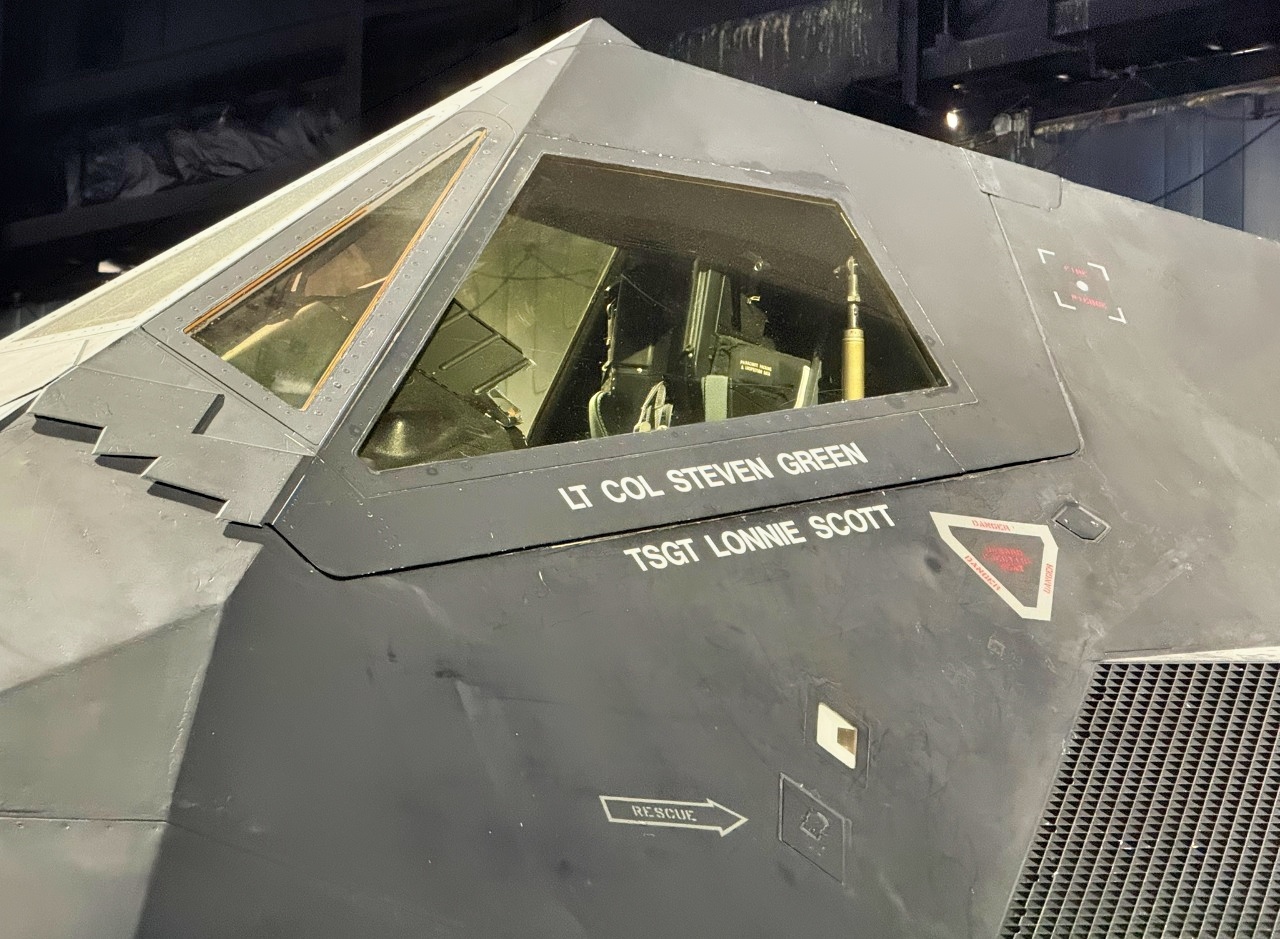
F-117 Up Close at USAF Museum. Image Credit: National Security Journal.
They frequently moved their missile batteries to avoid NATO strikes and limited radar use to very short intervals, often less than twenty seconds, reducing the likelihood that anti-radiation missiles would target them.
Become Less Predictable
One of the most important factors in the shootdown was predictability. NATO aircraft often followed similar flight paths and schedules during bombing missions.
Serbian forces carefully observed these patterns and used intelligence from visual spotters and radar operators to estimate where aircraft would appear.
In addition, weather conditions on the night of March 27 favored the defenders. Cloud cover forced NATO aircraft to fly in ways that made them somewhat easier to detect.
Although the F-117 was difficult to track with conventional radar, it was not completely invisible. Stealth technology works by reducing radar reflections rather than eliminating them entirely.
Serbian operators reportedly used lower-frequency radar systems, which could sometimes detect vague indications of stealth aircraft at certain distances.
Once they suspected the location of the incoming F-117, Dani’s battery briefly activated its targeting radar and launched two missiles.
F-117 Pilot Rescued
Lieutenant Colonel Dale Zelko, the American pilot flying the F-117, realized the danger almost immediately.
He attempted evasive maneuvers, but one of the missiles exploded near the aircraft, severely damaging it. The F-117 became uncontrollable, forcing Zelko to eject.
He landed safely and avoided capture while Serbian forces searched the area. Several hours later, a U.S. combat search and rescue team successfully recovered him.
Images of the wreckage quickly spread around the world. Serbian civilians and soldiers examined pieces of the supposedly invisible aircraft, while international media portrayed the event as a symbolic victory against American military dominance.
Some fragments of the F-117 were later displayed in museums in Belgrade, becoming enduring reminders of the incident.
At the same time, the overall strategic impact of the loss was limited. NATO maintained air superiority throughout the Kosovo War, and Serbian air defenses remained under intense pressure throughout the conflict. Only one F-117 was shot down during the campaign, despite hundreds of sorties flown by stealth aircraft.
About the Author: Kris Osborn
Kris Osborn is the Military Technology Editor of 19FortyFive. Osborn is also President of Warrior Maven – Center for Military Modernization. Osborn previously served at the Pentagon as a highly qualified expert in the Office of the Assistant Secretary of the Army—Acquisition, Logistics & Technology. Osborn has also worked as an anchor and on-air military specialist at national TV networks. He has appeared as a guest military expert on Fox News, MSNBC, The Military Channel, and The History Channel. He also has a Master’s Degree in Comparative Literature from Columbia University.


