

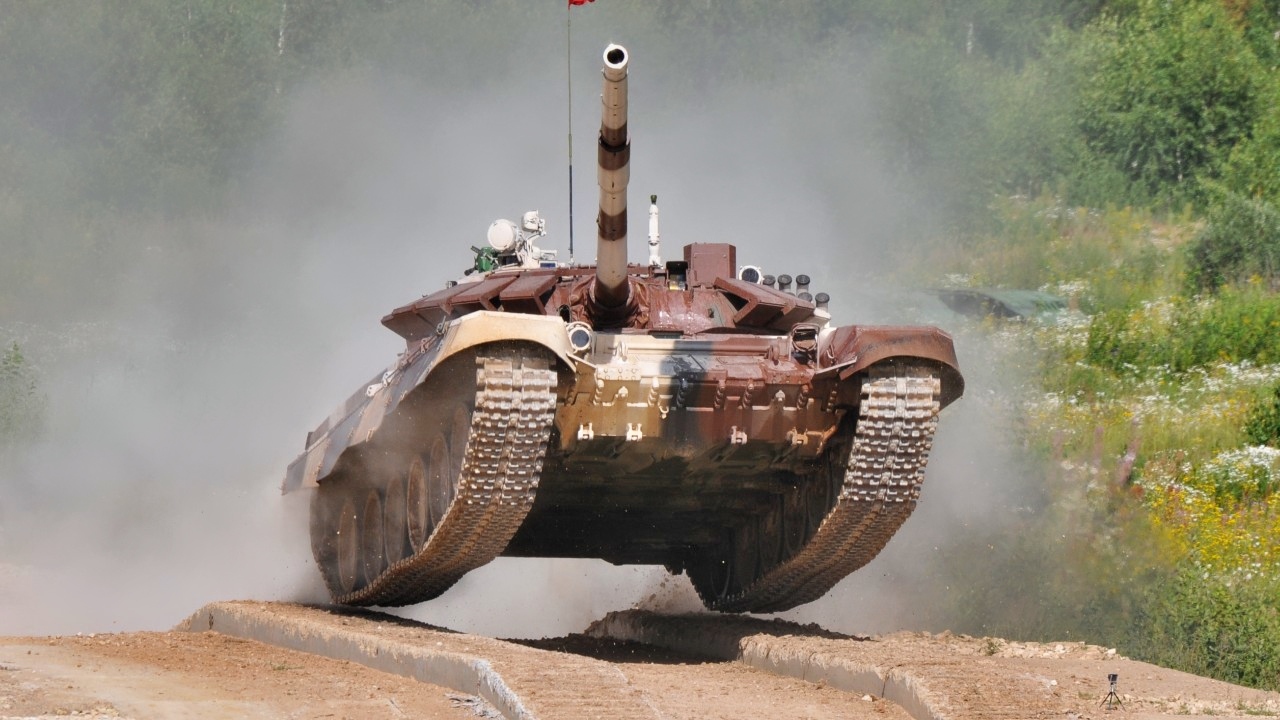
Ukraine’s former Defense Minister, Mykhailo Fedorov, envisions a future in which AI-powered robots take center stage on the battlefield.
During an interview, he said that Ukraine is currently in no position to worry about the moral or ethical risks of AI, due to its ongoing existential war against Russia.
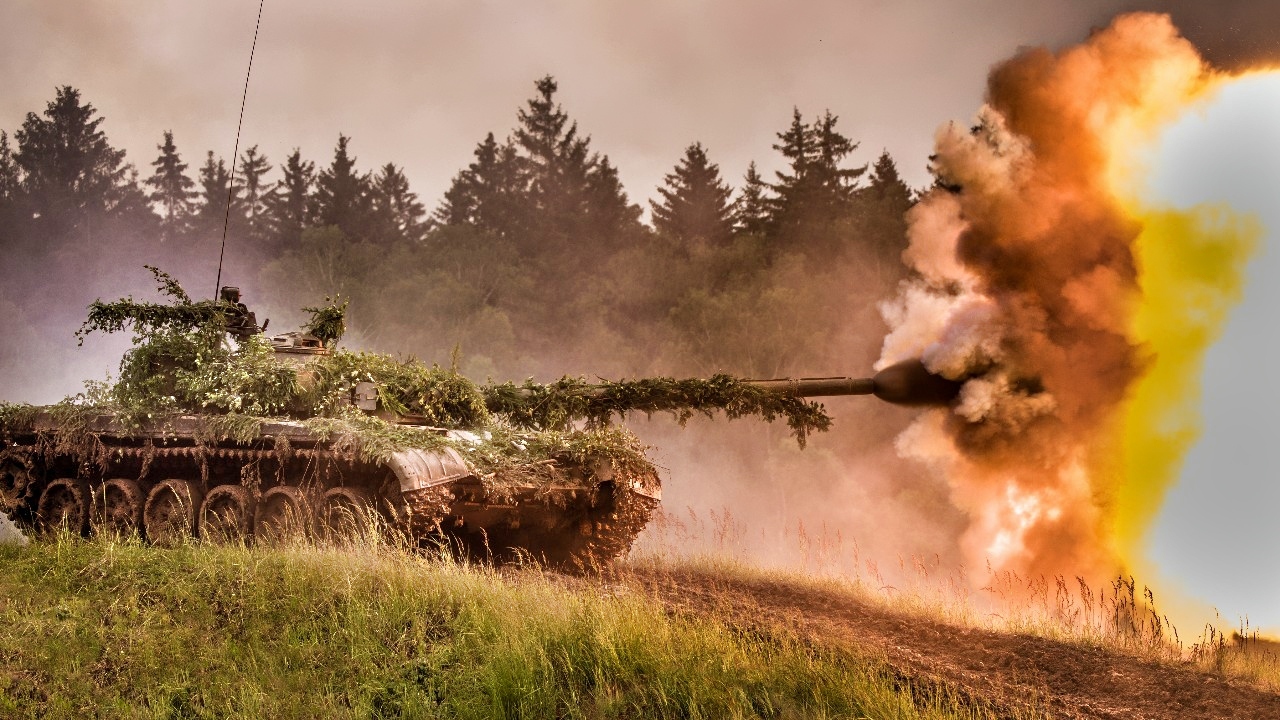
T-72 Like Those Fighting in Ukraine.
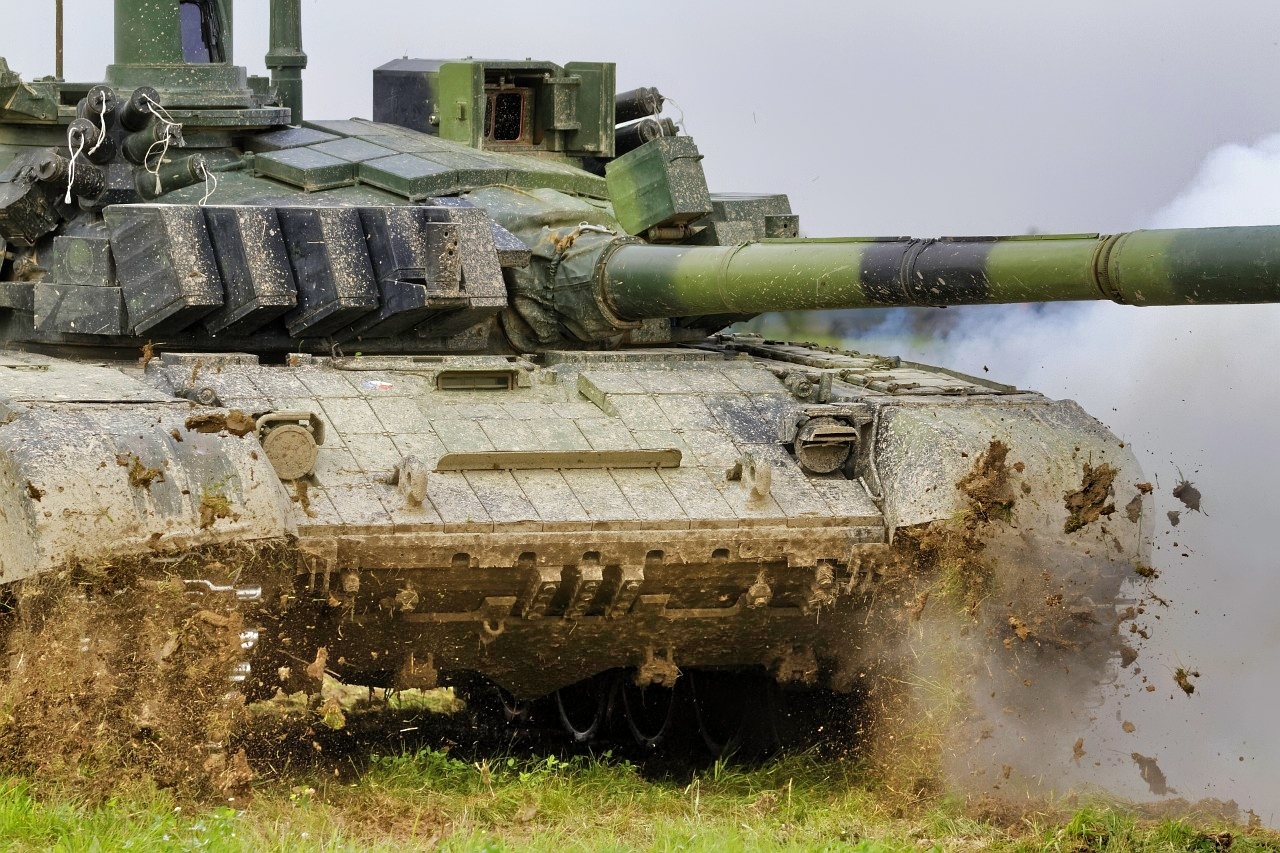
T-72 Tank. Image Credit: Creative Commons.
According to him, the longer the Ukrainian military waits to implement AI-powered robots, the more time it gives Russia, which is also experimenting with its own unmanned forces.
Once a rising star in Ukrainian politics, Fedorov’s career changed drastically when President Zelenskyy suddenly dismissed him earlier this year after he served as Defense Minister for only six months.
The Role of AI and Robots in Ukraine’s Future
In an interview with The Washington Post, Fedorov spoke about the need to implement new, AI-powered robotic systems in the Ukrainian Armed Forces (UAF) to fight the invading Russians. “The main thing for Ukraine is to survive and preserve our independence,” he said. “And we need technology to defeat the Russians.
Widely regarded as the architect of Ukraine’s unmanned systems forces, Fedorov has long advocated AI and robotic systems for military purposes.
Before becoming Minister of Defense, he led Ukraine’s digital transformation.
Since 2022, while still Minister of Digital Transformation, he has been instrumental in securing support for Ukraine from Western companies like Palantir.
Now, despite his ousting, Fedorov continues to invest in Ukraine’s defense efforts.
AI in defense is a controversial topic in Western intellectual circles.
Many officials in both the public and private sectors fear the moral and ethical implications of introducing AI-powered military systems.
With memories of the many targeting mistakes made during the War on Terror, many fear that automated robotic systems could accidentally mistake civilians or friendly units for enemy combatants.
However, according to Fedorov, Ukraine has no time for these concerns.
As Russia begins its winter campaign against the country’s energy infrastructure, Kyiv is fighting an existential war.
Despite the risks, he argues that Russia ultimately poses a greater threat than any potential risks from AI-powered robots.
Moreover, the longer Ukraine waits to implement these new systems, the longer Russia and its allies have to experiment with new unmanned systems.
No Time for Delays
“Our biggest concern is that our enemy, Russia, together with its allies, will move faster toward AI robots; they will build drones without communication links, fully autonomous ones,” Fedorov said. Russia has recently made strides in developing unmanned systems.
During its recent Tsenter 2026 exercises, Moscow unveiled the TShRK Shturm robotic assault complex: a completely unmanned tank, available in both assault tank and tank support configurations.
These systems aren’t fully automated and rely on a separate command-and-control vehicle, but they mark a significant step toward future tank automation.
Additionally, Russia is constantly improving the automated guidance systems on its one-way strike drones.
According to the Ukrainian Ministry of Defense, Russian Gerbera drones were acting as drone motherships, guiding and directing other strike drones to their targets without any input from human pilots.
“The question,” Fedorov continues, “is who will be the first to start using this, who will regulate its use, and how.” According to him, once automated robots are introduced, there will be no going back, or the technology will be severely regulated.
However, the technology has to exist first.
The main priority, Fedorov says, is to “get there first, and the advantage, and dictate the rules of the game.” Ukraine has been at the forefront of technological defense innovation. Thanks to Fedorov and other key players, Ukraine has pioneered drone technology and served as a proving ground for many new systems.
However, he says, Ukraine must go even further if it wants to win the war against Moscow.
Ukraine Needs Men, Not Machines
At 35, Fedorov is a young, reform-minded individual, which has garnered him great support from the Ukrainian populace.
Unfortunately, these traits also landed him in hot water with more rigid, pragmatic military hardliners, who viewed his reforms as overly idealistic and ultimately impractical. Some military higher-ups criticized Fedorov for essentially running the MoD like a Silicon Valley tech startup, rather than an organization at war with Russia.
Fedorov’s leadership style was especially unpopular with the former Commander-in-Chief, General Oleksandr Syrskyi, who accused the former Defense Minister of ignoring practical battlefield needs. “To prepare the battlefield for effective operations of drones, you need artillery, mortars, engineering means, air defense, electronic warfare, and dozens of other items,” Syrskyi wrote. “The General Staff submits to the ministry a complete list of what is needed for the war. You need to buy everything, not just what is currently in trend.”
As a result, Zelensky sided with the military hardliners and dismissed Fedorov as Defense Minister as part of a broader government shakeup.
The decision was unpopular among the Ukrainian population and sparked protests in Kyiv, afterwhich, Zelenskyy promptly dismissed Syrskyi as well. Formerly a longtime supporter of Zelenskyy, Fedorov now finds himself at odds with the Ukrainian President.
Tensions between the two were further exacerbated by Fedorov’s calls for a new presidential election and his new role as a freelance adviser to the Italian Ministry of Defense.
Despite the recent dismissal and uneasy relationship with the government, Fedorov remains committed to supporting Ukraine’s war against Russia.
Now, with support from Palantir CEO Alex Karp, he has started a new company that seeks to develop robotic systems to replace soldiers on the battlefield.
About the Author: Isaac Seitz
Isaac Seitz, a Defense Columnist, graduated from Patrick Henry College’s Strategic Intelligence and National Security program. He has also studied Russian at Middlebury Language Schools and has worked as an intelligence Analyst in the private sector.


