


Key Points and Summary – The Air Force plans to keep 76 B-52s flying into the 2050s and buy 100 B-21 Raiders, but the B-52J upgrade path—new F130 engines, AESA radar, and LRSO integration—has slipped and breached Nunn-McCurdy.
-That fuels a sharper debate: pour more money into sustaining a 70-year-old bomber, or shift resources to accelerate B-21 production and expand buys beyond the current “minimum” of 100.

A B-52H Stratofortress taxis down the runway at Minot Air Force Base, N.D., Sept. 16, 2021. The bomber is capable of flying at high subsonic speeds at altitudes up to 50,000 feet. (U.S. Air Force photo by Airman 1st Class Zachary Wright)
-With China’s A2/AD tightening and the bomber inventory aging, senior leaders warn of a “hollowed-out sword” unless the Raider ramps.
-Bottom line: if B-52J costs/schedules keep eroding, the smartest hedge is more B-21s, faster.
The Air Force Needs B-52J Upgrades Or More B-21s
The U.S. Air Force has a problem with its bomber fleet. The service’s long-term plan is to keep 76 B-52s flying into the 2050s, at which time the venerable bomber will be approaching a century of flight.
The Air Force also plans to build 100 B-21 Raider stealth bombers to round out its fleet, although many Air Force officials believe that number should double.
However, the upgrades needed to keep the B-52 fleet flying—it will fly as the B-52J variant—are experiencing delays, and cost overruns have raised questions about the B-52J’s future viability. Problems incorporating new Rolls-Royce F130 engines, active electronically scanned array (AESA) radar, and Long-Range Standoff (LRSO) missiles have pushed initial operational capability back to 2033.

B-52H Stratofortress at Air Base. Image Credit: Creative Commons.
Choice Of The B-52J Or The B-21?
A dilemma about whether to upgrade to the B-52J or acquire more B-21s is part of a debate within the Air Force about the future shape of its bomber fleet. Some argue that the B-52 upgrade’s high costs and delays demonstrate that additional funds should be shifted instead to purchase more B-21s.
The choice is complex. Some military leaders have advocated for increasing the number of B-21s as a way to accelerate the Raider’s production timeline, arguing that the B-21 will be the backbone of the future bomber fleet even with the modernized B-52.
The B-52J upgrade is intended to keep the Stratofortress flying until the 2050s, but the B-21 is a new, stealthy, next-generation bomber.
Can The Air Force Keep The B-52 Flying?
The B-52J upgrade includes the Commercial Engine Replacement program (CERP) and Radar Modernization Program (RMP), both now underway. The process seeks to replace the engines and pylons of the entire 76-airplane B-52H fleet, along with its radar, some communications equipment, and other improvements—all to be delivered starting at the end of this decade.
The RMP will replace the legacy APQ-166 radar with the modified APG-79 Bomber Modernized Radar System. Replacement of the aging legacy radar is intended to increase system reliability and reduce sustainment costs.
However, this upgrade has resulted in a Nunn-McCurdy Act breach, as it has exceeded projected costs. This requires the Air Force to assess and possibly reconfigure the program. The breach is considered “significant,” meaning there’s a 15 percent or greater deviation from the base cost or schedule.
More B-21 Raiders Means More Modern Strike Capability
If the B-52 modernization program “goes worse than we hope, then we would need more money for B-21s,” Air Force Chief of Staff David Allvin told Sen. Mike Rounds (R-S.D.).
When the senator asked if the Air Force’s plan for B-21s was “anywhere close” to what the service actually needed, Allvin replied that he would “take all I can get with the funding,” though he didn’t give an exact number of Raiders.
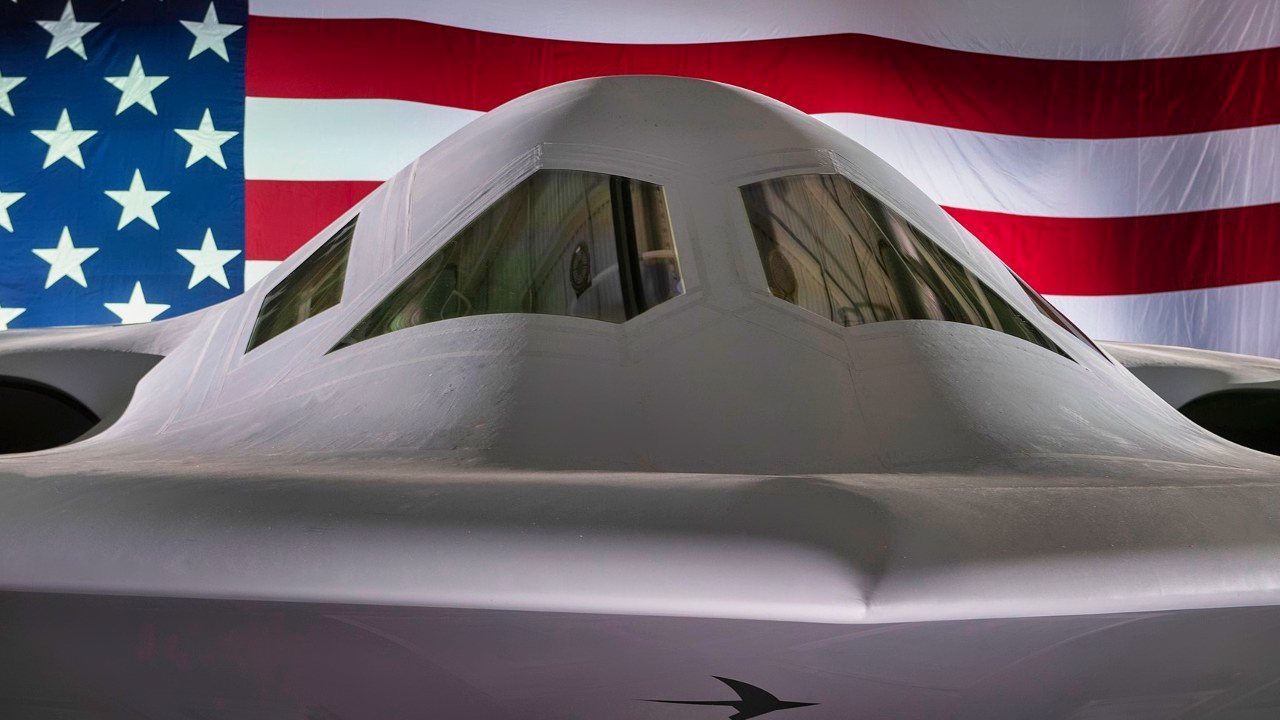
The B-21 Raider was unveiled to the public at a ceremony December 2, 2022 in..Palmdale, Calif. Designed to operate in tomorrow’s high-end threat environment, the B-21 will play a critical role in ensuring America’s enduring airpower capability. (U.S. Air Force photo)
U.S. Strategic Command Chief, Air Force Gen. Anthony Cotton, said 100 B-21 Raiders is the absolute minimum the service must buy, and that he would be more comfortable with an accelerated rate of production.
The current rate is classified, but it is believed to be only seven or eight per year. That rate was “set when the geopolitical environment was a little bit different than what we face today,” due to China’s rapid military growth and bellicosity.
Air Force commanders at U.S. Strategic Command and Air Force Global Strike Command have called for 145 B-21s as a new target.
The influx of more modern bombers, such as the B-21 Raider, is needed as the bomber fleet ages. It risks becoming a “hollowed-out sword,” dangerously antiquated and too small for modern great-power competition.
Put The Money On The Raider
The B-52 is an outstanding aircraft. The fact that it is still a viable bomber more than 70 years into its service life speaks volumes. However, Father Time is undefeated, and the B-52 will not be able to survive a modern air war for very much longer.
U.S. adversaries noted the results of the country’s airpower dominance over the past several decades and knew they must respond. China has developed sophisticated anti-access/area denial (A2/AD) networks designed to defeat the United States by keeping its aerial and naval assets away from China’s near-abroad.
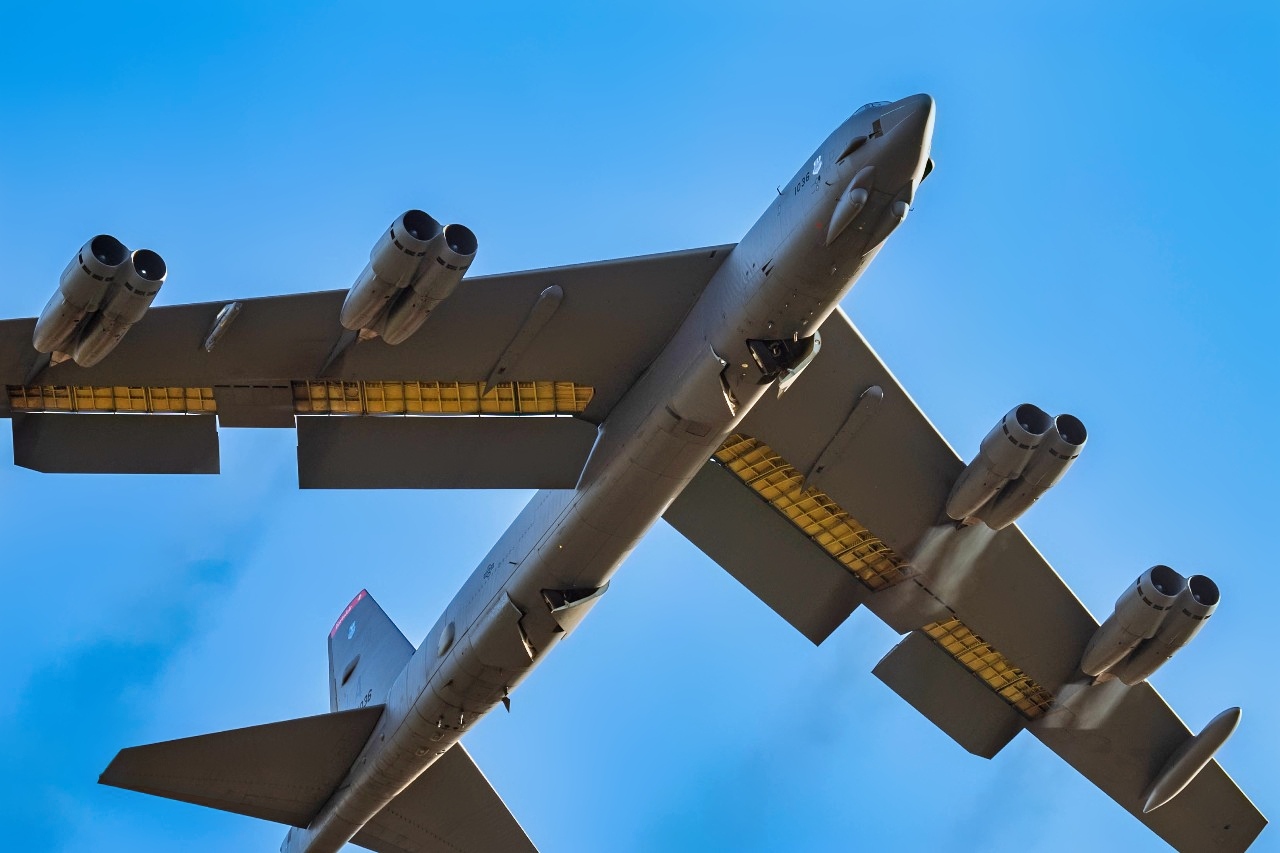
A B-52H Stratofortress assigned to the 20th Expeditionary Bomb Squadron takes off from RAF Fairford, England, for a training mission with the Royal Moroccan Air Force during Bomber Task Force 25-1, Nov. 22, 2024. The U.S. and Morocco’s strategic partnership is based on mutual interests in regional peace, security and prosperity, and we remain dedicated to working together on shared concerns. (U.S. Air Force photo by Senior Airman Mary Bowers)
As with everything else, money will determine the size of the bomber fleet. But as the United States learned from its mistakes at the end of the Cold War, deterrence is not something that can be turned on and off at will.
Adversaries have grown belligerent because the U.S. let its capabilities shrink. The modern B-21 Raider is designed to penetrate enemy A2/AD networks unseen. That’s the deterrence needed, not just today but in the future.
The choice is clear. The U.S. Air Force needs more B-21 Raiders.
About the Author: Steve Balestrieri
Steve Balestrieri is a National Security Columnist. He served as a US Army Special Forces NCO and Warrant Officer. In addition to writing on defense, he covers the NFL for PatsFans.com and is a member of the Pro Football Writers of America (PFWA). His work was regularly featured in many military publications.
More Military
Canada’s F-35 Fighter Debate Summed Up in 3 Words
The U.S. Air Force’s B-52J Bomber Crisis
Mach 5.1 X-51 Waverider ‘Hypersonic Scramjet’ Has a Message for the Air Force
Beast Mode: How the F-35 Stealth Fighter Bolts on 22,000 Pounds of Bombs


Brian Herberger
November 7, 2025 at 10:30 pm
The fact this article exist shows they have already messed up. After reading the first paragraph, decision made in a split second, cut bait and let’s go. It’s not difficult, it’s not a new problem or a unique problem at all. Matter of fact, how it got this far is ridiculous. Advanced radar and missiles on B-52s sounds like someone got played. I was in the Air Force and there are certain things I read all the time that don’t align with my experience. I was a nobody, working in the same building as the big shots, right or wrong, time is not wasted on making decisions big or small. The military is NOT a democracy. I did not see many group decisions and the only thing majority rules is where to get lunch from.