


Key Points and Summary – An internal Air Force memo from the outgoing commander of Global Strike Command, Gen. Thomas Bussiere, recommends the B-21 Raider be crewed by one pilot and one Weapon Systems Officer (WSO).
-This is a “significant departure” from the B-2 (which uses two pilots) and suggests a “startling” level of AI-driven automation.
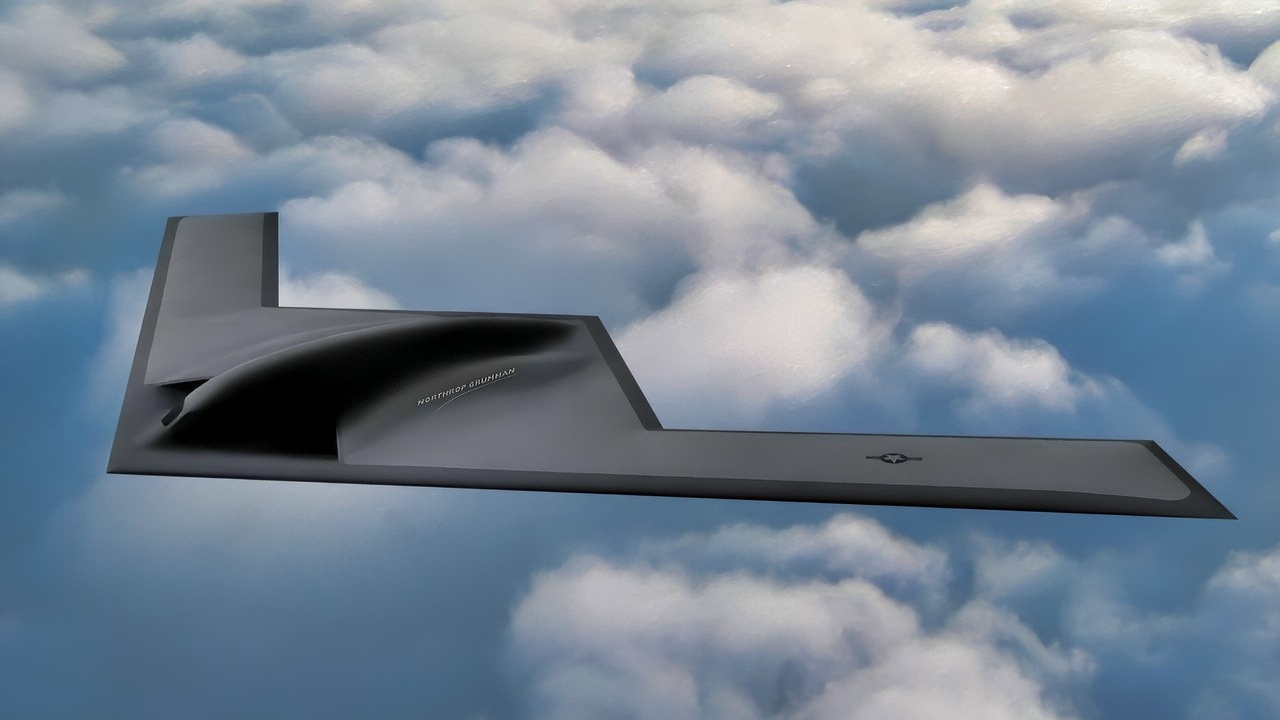
B-21 Raider Bomber Photo. Image Credit: Northrop Grumman.
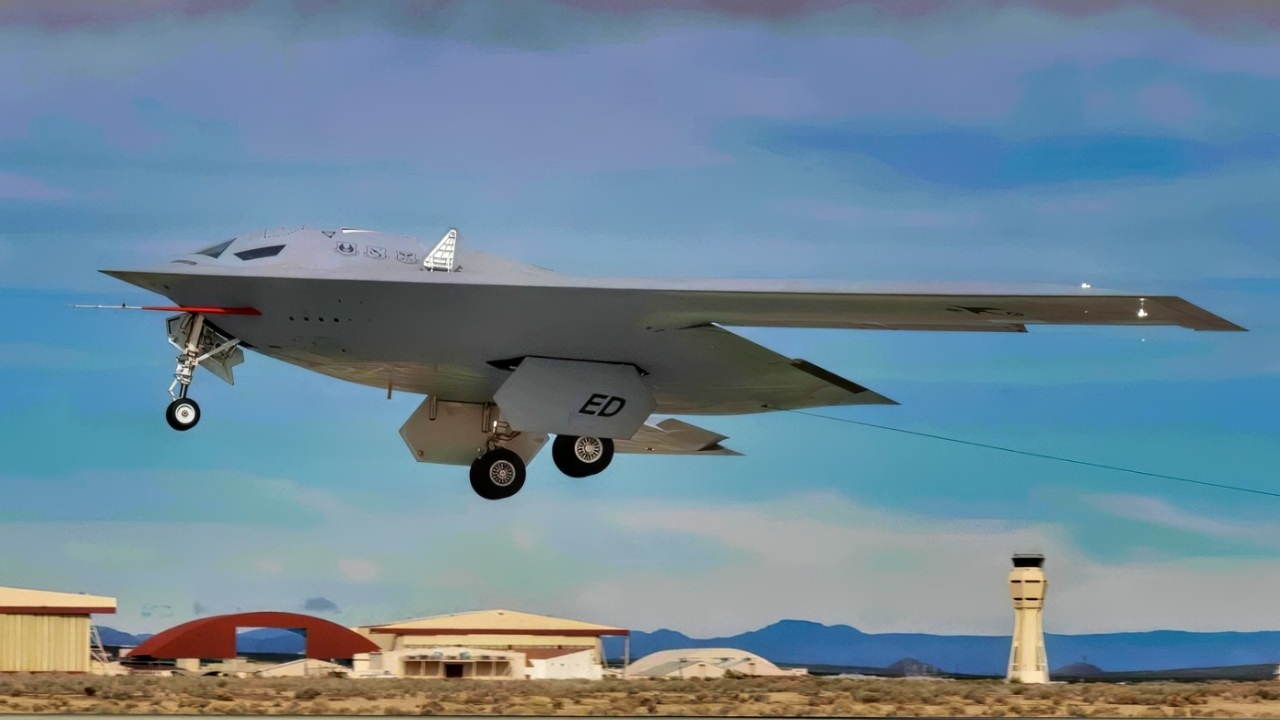
A B-21 Raider conducts flight tests, which includes ground testing, taxiing, and flying operations, at Edwards Air Force Base, California, where it continues to make progress toward becoming the backbone of the U.S. Air Force bomber fleet. The B-21 will possess the range, access, and payload to penetrate the most highly-contested threat environments and hold any target around the globe at risk. The B-21 program is on track to deliver aircraft in the mid-2020s to Ellsworth Air Force Base, South Dakota, which will be the first B-21 main operating base and location for the B-21 formal training unit. (Courtesy photo)
-The memo argues a WSO is needed to manage the B-21’s complex 6th-gen tasks (sensors, EW, battle management) while a single pilot handles the aircraft, presumably with AI-copilot assistance.
-The Air Force has publicly stated the memo is “pre-decisional” and no final decision has been made.
The B-21 Raider’s Secret Weapon: AI?
The United States Air Force may opt to fly the upcoming B-21 Raider stealth bomber with a single pilot, marking a significant departure from the Air Force’s traditional approach to manning its bomber platforms.
Argument for a Paired Crew
The information, gleaned by Aviation Week, an aerospace publication, from an internal US Air Force memo dated August 15th, recommended that a Weapon System Officer fly alongside a B-21 pilot in the cockpit.
While that could alleviate some of the load on the pilot in a combat scenario, the crew composition would be an unusual choice for a bomber whose long-range missions can span several days or longer.
The decision could, in theory, place additional strain on a pilot during normal flight operations en route to or returning from a target.
“Unleashing the Raider’s full potential demands a complex blend of skills: airmanship, weaponeering, electromagnetic spectrum operations, sensor management, real-time battle management and agile replanning in combat,” the Air Force memo reads, which was addressed to the offices of the Air Force secretary, chief of staff, and the commander of US Strategic Command, according to Aviation Week.
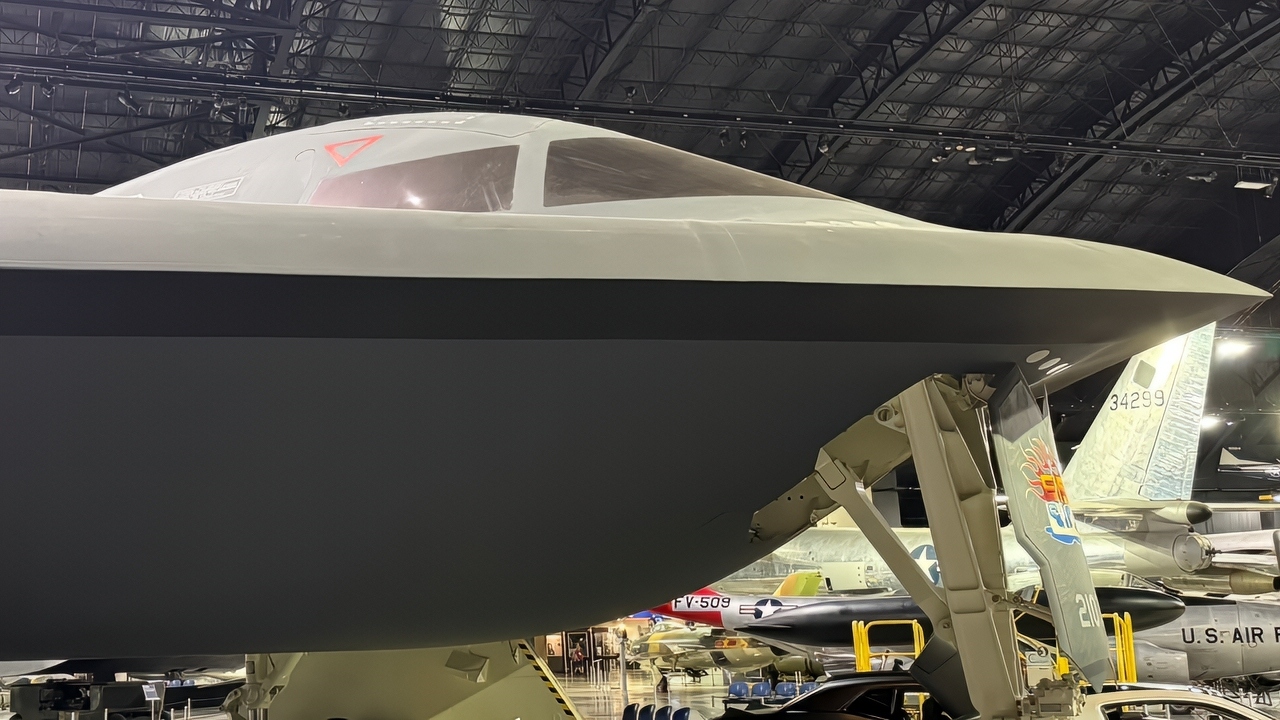
B-2 Bomber Really Close Up National Security Journal Photo
“For this reason, the B-21 will be crewed by one pilot and one weapon systems officer,” General Bussiere wrote.
Though a reading of the carefully-worded document seemed to express finality, the document’s author, General Thomas Bussiere, stepped down from his role as Commander of Air Force Global Strike Command earlier this week, opening the door to a reexamination of the pilot-WSO combination.
Speaking on behalf of the US Air Force, Lieutenant General Scott Pleus noted that “Air Force Global Strike Command has provided their recommendation regarding the B-21 crew composition to the Headquarters.” But, the general added, “that document is pre-decisional. A decision has not been made.”
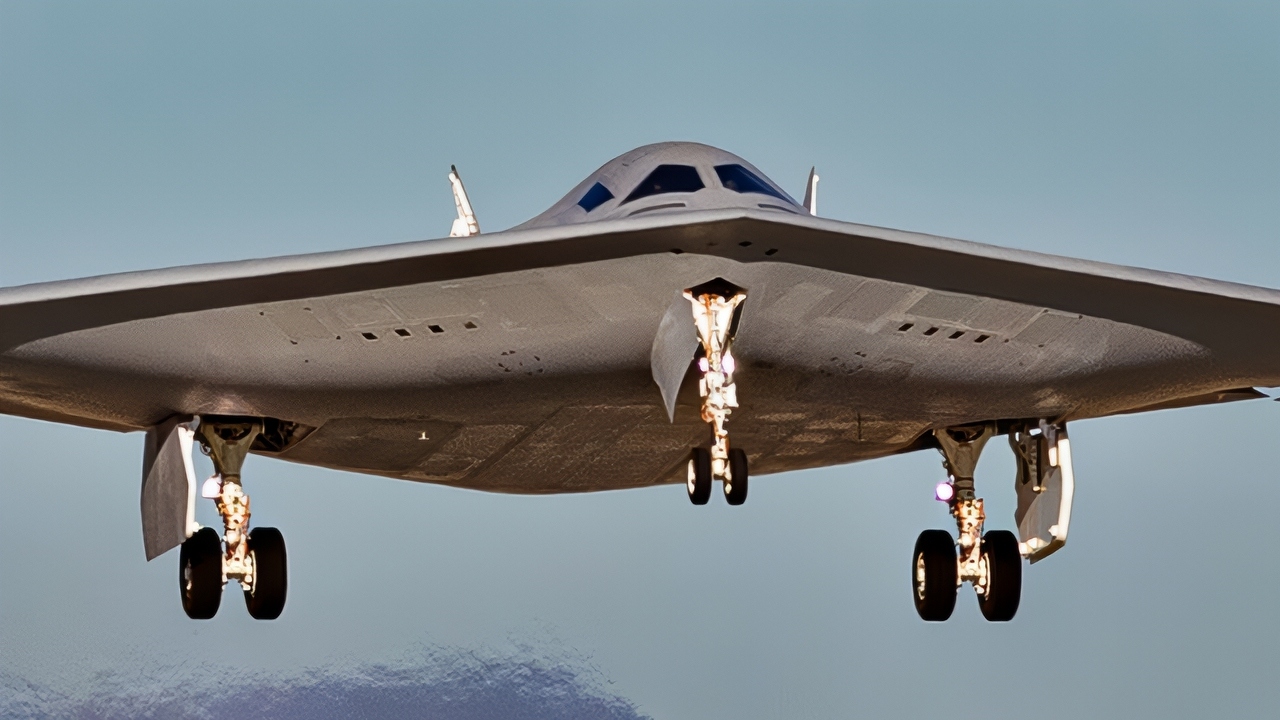
A second B-21 Raider test aircraft takes off, Sept. 11, from Palmdale, Calif., to join the Air Force’s flight test campaign at Edwards Air Force Base, Calif. The addition of the second test aircraft expands mission systems and weapons integration testing, advancing the program toward operational readiness. (Courtesy photo)

U.S. Air Force Airmen with the 912th Aircraft Maintenance Squadron prepare to recover the second B-21 Raider to arrive for test and evaluation at Edwards AFB, Calif., Sept. 11, 2025. The arrival of a second test aircraft provides maintainers valuable hands-on experience with tools, data and processes that will support future operational squadrons. (U.S Air Force photo by Kyle Brasier)
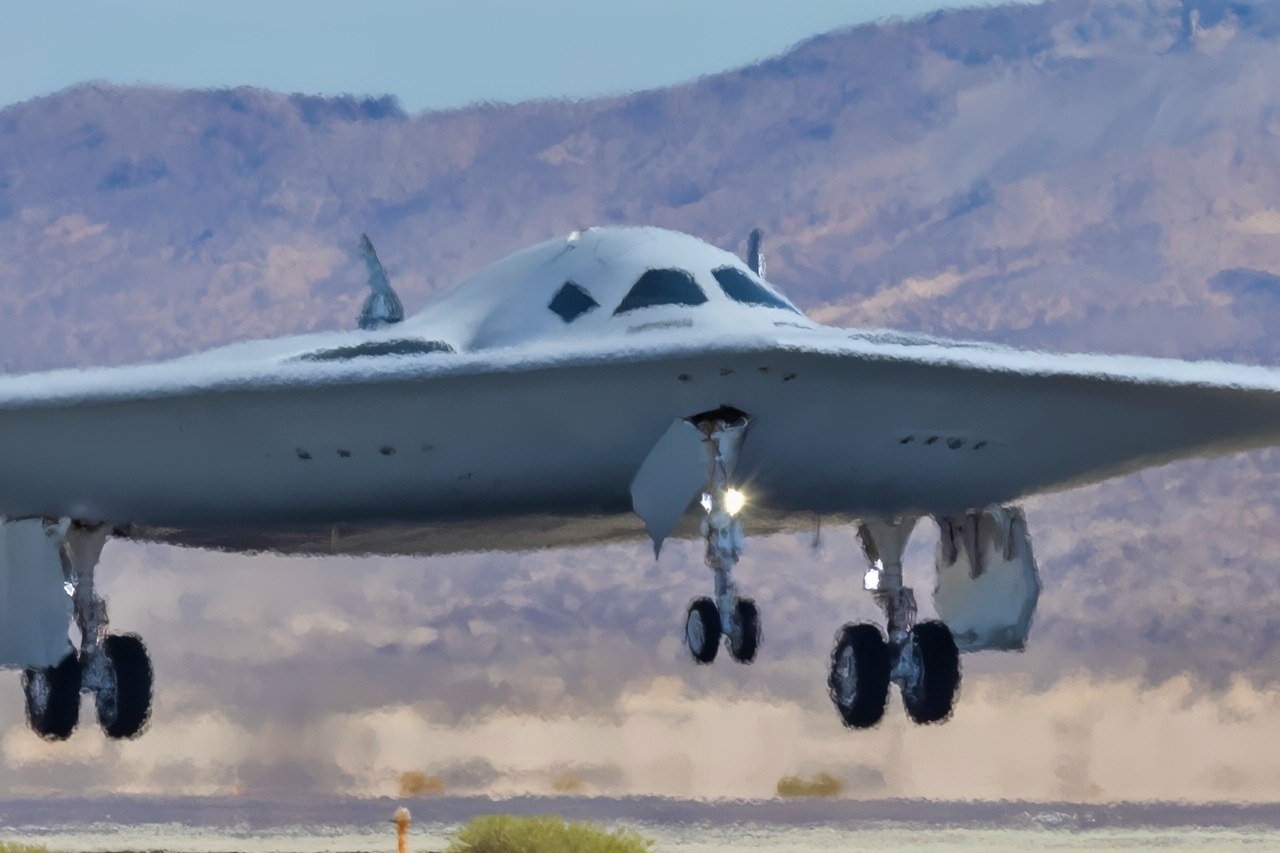
A B-21 Raider test aircraft lands at Edwards Air Force Base, Calif., during ongoing developmental flight testing, Sept. 11, 2025. The B-21 will be the backbone of the bomber fleet; it will incrementally replace the B-1 Lancer and B-2 Spirit bombers. (U.S Air Force photo by Todd Schannuth)
Named after the Doolittle Raiders, led by Lieutenant Colonel Jimmy H. Doolittle of Second World War fame, the B-21 Raider is touted by the US Air Force as the world’s first sixth-generation bomber. Though outwardly reminiscent of the Cold War-era B-2 Spirit, another stealth bomber, the Raider is thought to have enhanced stealth capabilities.
If General Bussiere’s pilot-Weapon Systems Officer combination is realized, the decision would fly in the face of how the Air Force has structured their bomber crews in the past. Take, for example, the B-52 Stratofortress or the newer B-1B Lancer bomber, both of which fly with two pilots as well as Weapon Systems Officers.
The B-2 Spirit bomber, on the other hand, which the Raider will replace, opts for two pilots to handle long flights and does not have a Weapon Systems Officer.
Some other tactical aircraft, however, such as the F-15E, include a Weapon Systems Officer, a division of labor that allows the pilot to focus on flying and the WSO to concentrate on the threats in the battlespace and the appropriate responses to them. In the event of an F-15 pilot’s incapacitation, the rear-seated WSO can fly the aircraft as well.
Exact details about the B-21 are, understandably, shrouded in secrecy.
However, the information in the Air Force memo suggests that the bomber’s routine operations are highly automated — and may indicate an increasing reliance on artificial intelligence.
A hypothetical AI copilot could ease the burden placed on the B-21’s projected single pilot by taking control of the aircraft during part of the bomber’s flight time.
If a single pilot ultimately heads the Raider crew, computer-assisted flight would be a significant boon.
However, the prospect of fully unmanned B-21 Raider operations, at least at the current stage of the still fledgling program’s timeline (Northrop Grumman, the Raider’s builder, received low-rate initial production B-21 contracts earlier this year), may be unlikely.
Though the Air Force has previously indicated it would purchase at least 100 Raider bombers, that figure may be a floor rather than a ceiling.
In any event, the Air Force has not yet finalized the crew makeup for the B-21 Raider. But regardless of what the Raider aircrew ultimately looks like, it appears that the stealth bomber’s high degree of automation and potential integration with an artificial intelligence component — with or without a Weapon Systems Officer — will bring novel capabilities to the US Air Force.
What Happens Now?
In the memo, General Bussiere, himself a qualified B-1B Lancer and B-2 Spirit pilot, wrote that “the future of airpower will be defined by the ability to project power into the most heavily defended airspace on Earth.” Doing so without risking pilots’ lives would have a significant effect on risk analysis calculus and could open the door to previously closed possibilities.
About the Author: Caleb Larson
Caleb Larson is an American multiformat journalist based in Berlin, Germany. His work covers the intersection of conflict and society, focusing on American foreign policy and European security. He has reported from Germany, Russia, and the United States. Most recently, he covered the war in Ukraine, reporting extensively on the war’s shifting battle lines from Donbas and writing on the war’s civilian and humanitarian toll. Previously, he worked as a Defense Reporter for POLITICO Europe. You can follow his latest work on X.
More Military
A ‘Small War’ Against Venezuela Is a Really Big Mistake
The Air Force’s Mach 2 F-15C/D Fighter Isn’t Going Anywhere
The United Kingdom Has a Message for the F-35 Stealth Fighter


