

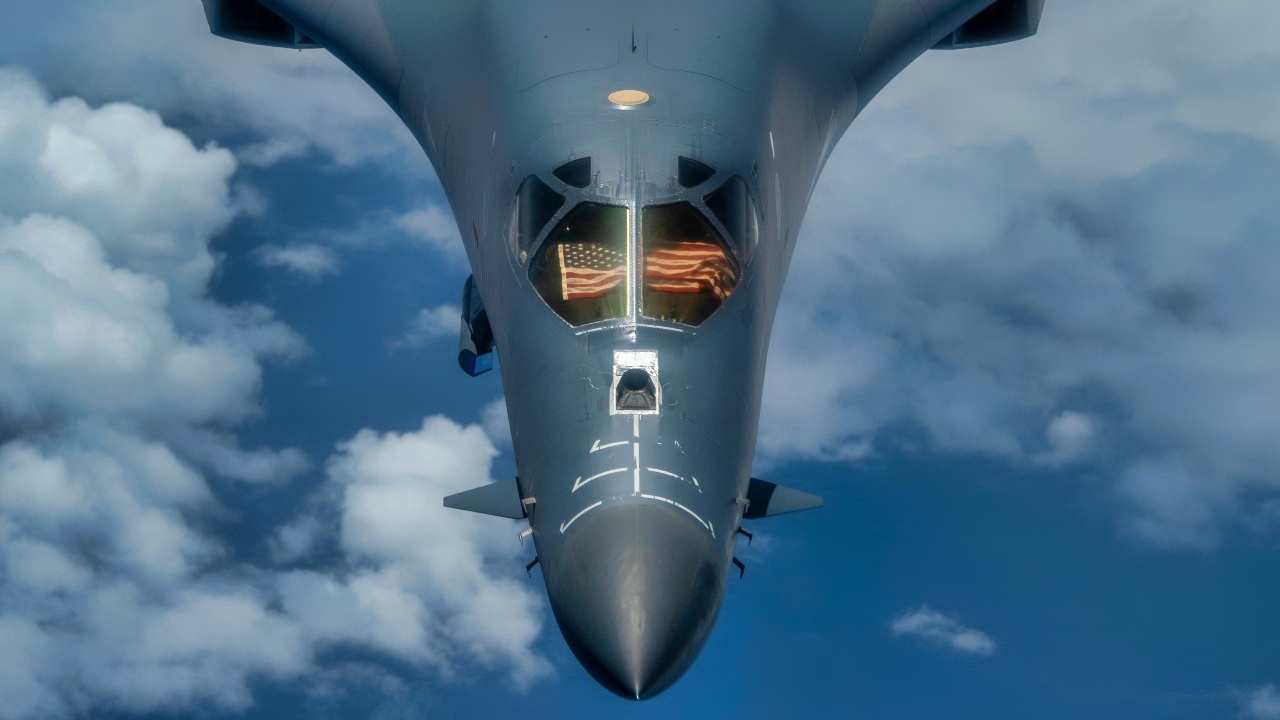
The ‘Math’ Doesn’t Work for the B-1B Lancer (As in Too Old): Key Ideas – The U.S. Air Force faces a strategic nightmare with its B-1B Lancer bomber fleet.
-The aging but still capable supersonic bomber is becoming increasingly obsolete, yet its replacement, the B-21 Raider, is still years from being operational.
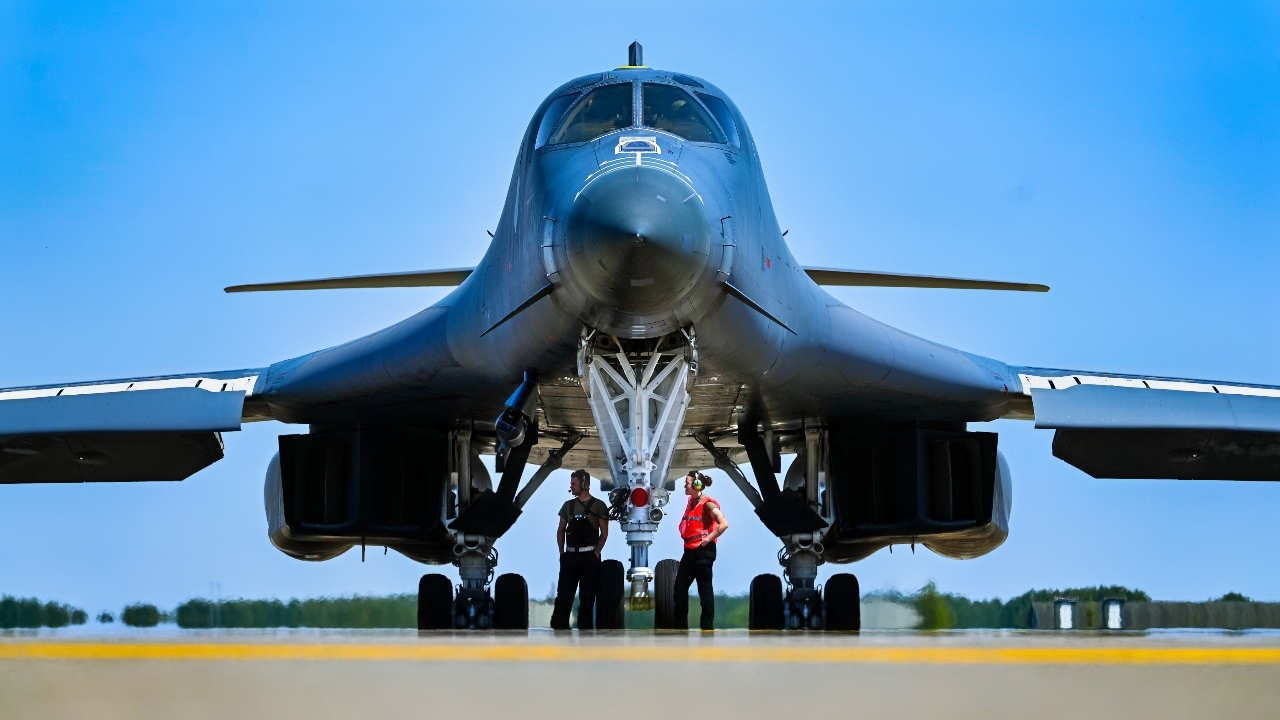
U.S. Air Force Senior Airman Colby Delia, 9th Expeditionary Bomb Squadron crew chief, and Airman 1st Class Olivia Ward, 9th Expeditionary Bomb Squadron crew chief, prepare for a B-1B Lancer to take off for a mission at Misawa Air Base, May 9, 2025. BTF missions provide opportunities to train and work with our allies and partners in joint and combined operations and exercises. (U.S. Air Force photo by Airman 1st Class Mattison Cole)
-This creates a dangerous capability gap.
-The Pentagon is weighing difficult options: a costly modernization of the B-1B, which may not be enough; relying on other platforms like the B-52, which can’t match the B-1B’s speed and payload; or accelerating the B-21 program, which risks delays and technical setbacks.
-For now, the B-1B remains a necessary but imperfect bridge to the future.
The B-1B Lancer Problem
As the U.S. military contemplates the future of its strategic bomber fleet, the B-1B Lancer finds itself in a challenging position.
With the B-21 Raider still years away from operational status, a pressing question arises: Can the B-1B remain relevant a bit longer?
The B-1B Lancer Bomber Question
The answer is not straightforward, but the reality is that the U.S. has limited alternatives. Despite its age and certain limitations, the B-1B still offers capabilities that are difficult to replace in the near term. To address this situation effectively, we must explore practical options, weighing their advantages and disadvantages.
First, let’s acknowledge the B-1B’s significant contributions to U.S. military operations. This aircraft has proven itself as a versatile long-range strike platform in various conflicts, particularly in Iraq and Afghanistan, where its speed and payload capacity enabled rapid responses and effective target engagement.
However, it’s crucial to recognize the B-1B’s shortcomings. Aging systems, maintenance challenges, and outdated avionics raise concerns about its long-term viability. As the B-21 Raider approaches its entry into service, the B-1B’s limitations become increasingly apparent. Yet, the B-21 won’t be ready to assume the B-1B’s role for several years, creating a substantial gap in the U.S. bomber fleet.
One potential solution is to extend the B-1B’s service life through upgrades and modernization. This would involve investing in new avionics, improved sensors, and enhanced weapons systems to keep the aircraft relevant in a rapidly evolving threat landscape. The benefits are clear: this approach allows the U.S. to maintain a capable long-range strike platform while the B-21 is developed and tested. Additionally, it could be more cost-effective than fast-tracking the B-21 program.
By equipping the B-1B with advanced targeting systems and new munitions, we could enhance its effectiveness against modern threats. However, this strategy has its downsides. The costs of modernization can escalate quickly, and there’s no guarantee that upgrades will fully address the B-1B’s inherent limitations. Moreover, extending the life of an aging platform might divert resources from developing next-generation systems crucial for future conflicts, risking investment in a platform that may ultimately be outdated.

A U.S. Air Force B-1B Lancer assigned to the 37th Bomb Squadron receives maintenance during Red Flag 24-3 at Nellis Air Force Base, Nev., July 24, 2024. Red Flag is an exercise that provides Airmen and Guardians with the opportunity to work alongside allied air forces in a realistic combat training environment. (U.S. Air Force Photo by Senior Airman Yendi Borjas)
More B-52 and F-35 Missions?
Another option is to rely more heavily on existing platforms, such as the B-52 Stratofortress or the F-35 Lightning II, to fill the void left by the B-1B.
The B-52, with its long history and proven capabilities, can undertake more conventional bombing missions, while the F-35 offers precision strike capabilities in a stealthier package. This approach has merit, especially given the B-52’s ongoing upgrades and the F-35’s versatility.
However, it also has significant drawbacks. The B-52, although still effective, is aging and faces its own set of challenges. Over-relying on the F-35 for strategic bombing could strain its capabilities, primarily since it’s already tasked with numerous roles across various theaters. Furthermore, neither platform can fully replicate the unique capabilities of the B-1B, particularly in terms of payload capacity and speed.
A third potential path is to accelerate the development and procurement of the B-21 Raider. Although this option may seem straightforward, it presents its own challenges.
The B-21 program is already under scrutiny for its costs and timelines, and pushing for an accelerated schedule could lead to rushed decisions that compromise the aircraft’s capabilities. The benefits of this approach are clear: a quicker transition to a next-generation bomber would ultimately provide the U.S. with a more capable and survivable platform.

B-21 Raider. Image Credit: Creative Commons.
However, the risks are equally significant. An accelerated timeline could result in technical issues, budget overruns, and delays that might leave the U.S. without a viable long-range strike option for an extended period. The military must strike a balance between the urgency of replacing the B-1B and the need to ensure that the B-21 meets the rigorous standards required for modern warfare.
In weighing these options, it becomes evident that the U.S. faces a complex dilemma. The B-1B Lancer, while not the ideal choice for future battlefields, still provides critical capabilities that cannot be easily replaced. Extending its service life through modernization may offer a temporary fix, but it risks diverting resources from more pressing needs. Relying on existing platforms could fill some gaps, but it wouldn’t fully address the unique capabilities the B-1B brings to the table.
Accelerating the B-21 program may seem like the best long-term solution, but it carries significant risks that could jeopardize the entire bomber fleet.
What Will the Air Force Do?
Ultimately, the U.S. military must navigate these challenges with a clear understanding of the strategic landscape. The B-1B may not be the perfect solution for the future, but it remains a necessary component of the U.S. bomber fleet in the interim. As the military considers its next steps, it must prioritize a balanced approach that accounts for both immediate needs and long-term goals. The stakes are high, and the decisions made today will have lasting implications for U.S. national security.
MORE: The Navy’s Attack Submarine Crisis
In a world where adversaries are rapidly advancing their capabilities, the U.S. cannot afford to be caught off guard. The B-1B may not be the future, but for now, it serves as a bridge to that future—a bridge that must not be burned before the next generation of bombers is ready to take flight.
In conclusion, while the B-1B Lancer may not be the optimal choice for the future of U.S. strategic bombing, its continued presence in the fleet is essential given the current circumstances. The military must carefully consider its options, weighing the benefits and drawbacks of each path forward. Whether through modernization, reliance on existing platforms, or accelerating the B-21 program, the U.S. must ensure it maintains a robust and capable long-range strike capability.
The future of U.S. national security depends on it.
About the Author: Dr. Andrew Latham
Andrew Latham is a non-resident fellow at Defense Priorities and a professor of international relations and political theory at Macalester College in Saint Paul, MN. You can follow him on X: @aakatham.
Russia’s Bomber Forces
Tu-22M3: The Bomber Ukraine Hit With Drones


