


Is the Kuwait Airport Attack a Turning Point in the Iran War?: The purported ceasefire crafted between President Donald Trump and the Islamic Republic of Iran has entered a new, bizarre place. On the one hand, Trump continues waxing eloquent about his beautiful deal with the Iranians. Meanwhile, the other two parties in the war, the US ally of Israel and Iran, keep shadow boxing.
You see, Iran has insisted that the ceasefire include Israel and Lebanon. Concurrently with the Iran War, the Israelis opened another front to their north in Southern Lebanon, ostensibly against perceived threats emanating from the Iranian-backed Lebanese Shiite terrorist group, Hezbollah.
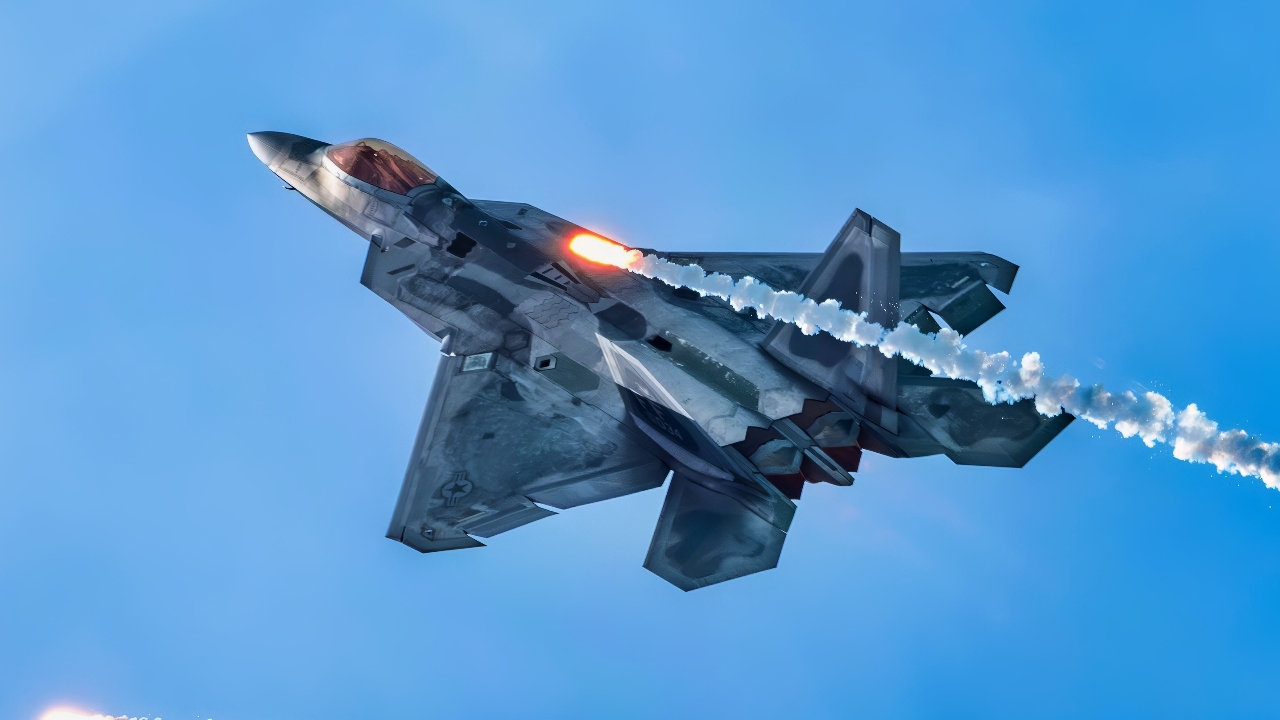
U.S. Air Force Capt. Nick “Laz” Le Tourneau, F-22 Raptor Aerial Demonstration Team commander, performs an aerial maneuver during the Cocoa Beach air show in Florida, July 12, 2025. The team joined the community in celebrating Cocoa Beach’s 100th anniversary, marking a century of coastal heritage and patriotic spirit, while showcasing the unmatched power, agility, and precision of America’s fifth-generation fighter and reinforcing public trust in the Air Force’s mission to fly, fight, and win. (U.S. Air Force photo by Staff Sgt. Lauren Cobin)
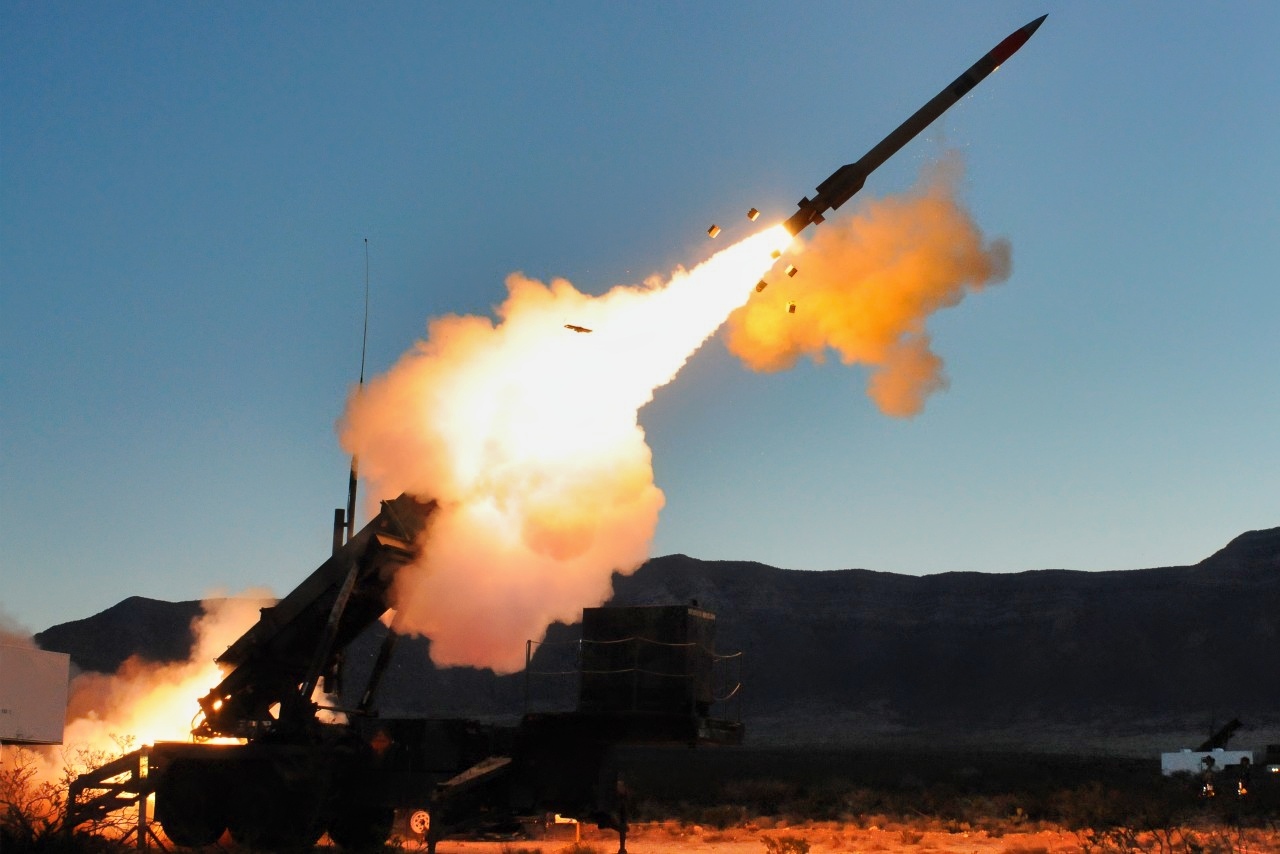
The PAC-3 MSE is a highly sought-after air defense munition due to its advanced capabilities and versatility. As a next-generation interceptor, it offers improved range, speed, and maneuverability, making it an effective counter to a wide range of threats, including tactical ballistic missiles, cruise missiles, and aircraft. (Official U.S. Army photo)
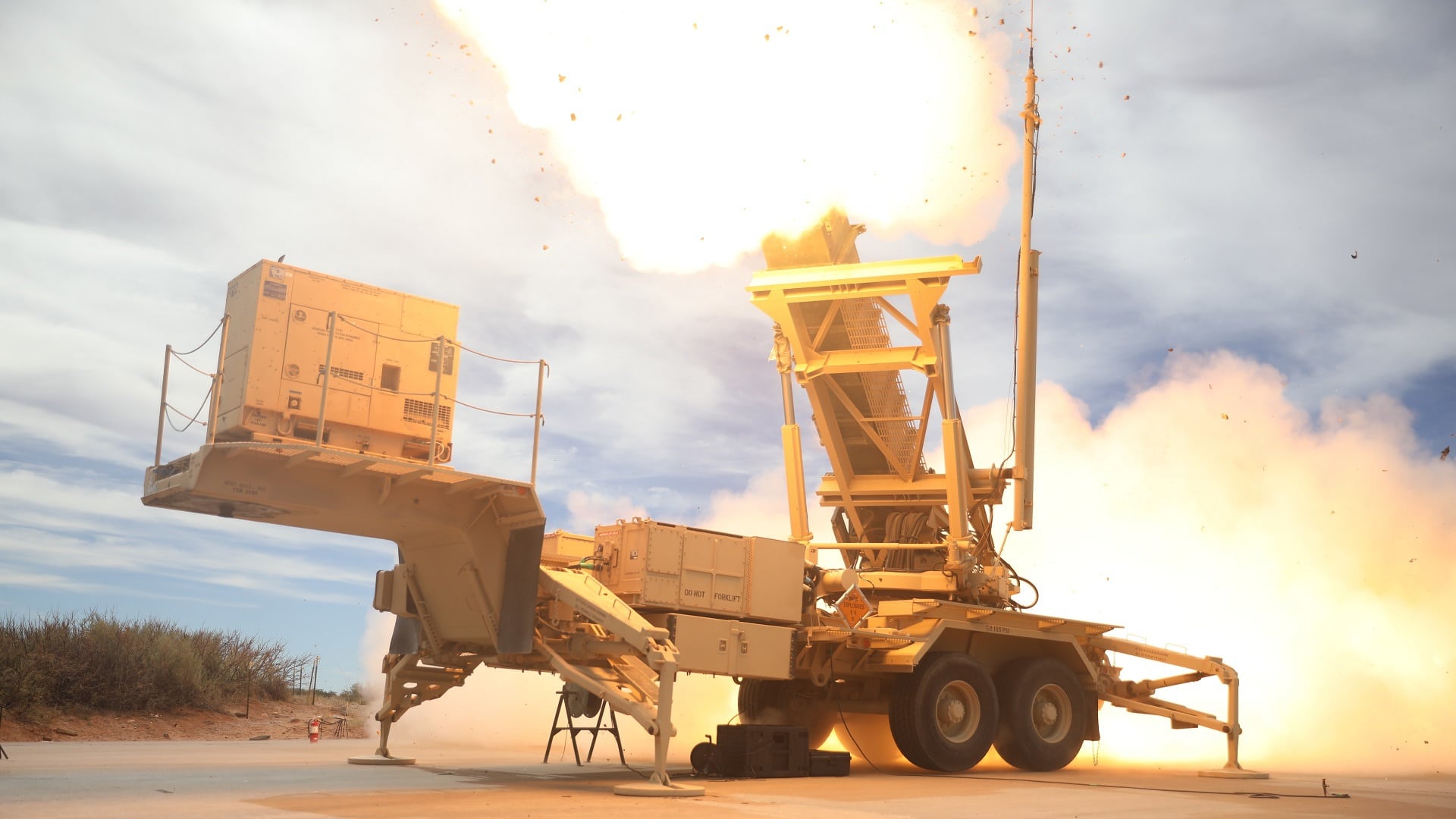
Patriot Missile. Image Credit: Creative Commons.
Israel has repeatedly ignored the ceasefire. Iran finally snapped and started firing missiles at America’s Gulf Arab allies in retaliation for what Tehran perceived as violations of the ceasefire. In the course of the Iranian attack, international news highlighted how an Iranian missile allegedly hit the Kuwait International Airport, destroying one of its terminals.
The world has guffawed about this development, as many suspect it was part of a wider escalation by Tehran against civilian infrastructure.
If that is the case, then the ceasefire is truly dead. Once civilian targets start getting slammed by missiles due to the actions of third-party belligerents in other parts of the region, then the entire concept of a ceasefire is lost.
Interestingly, though, Iran denies that their missile struck the airport terminal. Before anyone says that Iran is just lying for propaganda purposes, and they certainly do put out their share of propaganda, for sure, remember that Iran has consistently taken credit for its strikes throughout the war.
Tehran Blames US Patriot Missiles for Airport Attack
Tehran countered that the destruction of the airport terminal in Kuwait resulted from a misfired US Patriot PAC-3 air defense interceptor launched against the incoming Iranian missile fusillade. Naturally, US Central Command (CENTCOM) denies this. And the Americans claim that the Iranians are just deflecting from the fact that they clearly targeted very sensitive civilian infrastructure in Kuwait.
Frankly, both sides might have believable claims on this one. One must keep in mind, though, that the US Patriot PAC-3 has a high misfire rate. That is why no one should totally discount what the Iranians are saying, irrespective of one’s opinions about the terrible regime in Tehran.
A Non-Ceasefire-Ceasefire
In classic Trump fashion, when asked by the press at a recent gaggle in the Oval Office, Trump explained that a ceasefire in the Middle East “does not mean we cease firing.” So, we’re basically at the non-ceasefire-fire of the non-war-war with Iran.
But the greater question remains as to why the United States did not retaliate for the Iranian attacks on Kuwait. It could be that the Trump administration doesn’t want to abandon hope of a lasting peace deal completely. Or, it could be that the Americans don’t want to highlight the fact that the Iranians did not hit the Kuwait airport with a missile, that it was one of America’s vaunted interceptors that misfired.
Credibility Crisis for Uncle Sam
Another problem the United States faces in the Gulf region today is one of credibility. Whereas the region once viewed American military power as beyond reproach, today it views US military power with skepticism and, possibly, even disdain.
After all, the Arab states that hosted US military facilities for years believed that they were purchasing a higher degree of military protection from a growing Shiite Islamic Republic of Iran. Instead, the Gulf states became target priorities in Iran’s vast retaliation in the region following US-Israeli attacks on Iran on February 28.
The Gulf states are questioning why Washington won’t escalate after an attack on a major civilian airport inside one of America’s most important Arab partners. Remember, in 1991, the United States went to war with Saddam Hussein’s Iraq to liberate Kuwait.
Now, Iranian missiles freely blast critical infrastructure in the country, and the Americans are silent? Kuwaiti and regional Arab leaders are today wondering if the Americans are willing–or even capable–to engage in stronger military actions against Iran?
If not, the Arab states will undoubtedly seek new arrangements for themselves, as the current course is simply untenable, whether or not the ceasefire holds.
Tehran Probing US Defenses
There is some fear, too, that the recent strikes might be more than just retaliation for perceived Israeli violations of the tenuous US-Iran ceasefire. Tehran might be probing the US right now, seeing how much they can get away with now that it is obvious the US military cannot defeat Iran under current conditions.
From that perspective, the Trump administration’s decision not to retaliate immediately is itself de-escalatory. It denies Tehran the escalation ladder it wants.
But that possibility seems low because it doesn’t appear that President Trump wants to abandon his previous stances on Iranian denuclearization or on reopening the Strait of Hormuz.
And it is unlikely that Iran will now willingly part with the nuclear material it has or that it will restore the Strait of Hormuz to the way it was before the war began. One can hope. And one can always be happy to be wrong on that.
Ceasefire Breaking Down
Right now, though, it looks as though the ceasefire is breaking down, and President Trump will either climb the escalation ladder with Iran–no matter how reluctant he may be to do so–and walk away from the region entirely, leaving Iran stronger than when he found it.
The Kuwait airport strike is the turning point in the war: the moment when Iran realized it could keep raising the costs without automatically triggering a major American escalation. It is certainly a turning point in how leaders of the Gulf Arab states perceive the US military. This turning point will have profound strategic implications for how US power behaves in the region for the remainder of this century.
About the Author: Brandon J. Weichert
Brandon J. Weichert is Senior National Security Editor. He also manages The Weichert Brief on Substack. Weichert hosts “National Security Talk” on Rumble, too. He is the author of four bestselling national security books, the most recent of which is A Disaster of Our Own Making: How the West Lost Ukraine (Encounter Books). Follow him via Twitter/X @WeTheBrandon. The opinions expressed in this opinion/op-ed piece are the author’s own.


