
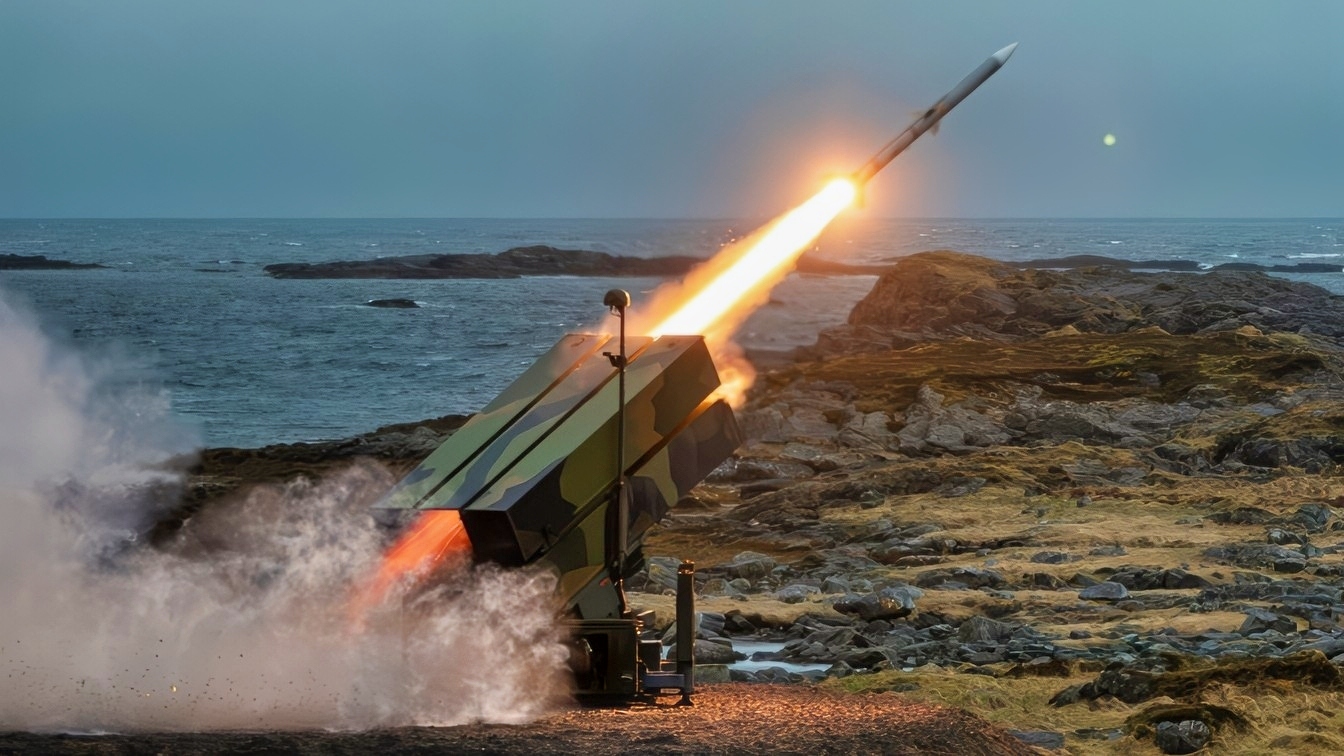
Ukrainian air defenses intercepted five ballistic missiles during another Russian bombardment overnight into Tuesday, July 14.
It was one of Ukraine’s most significant and successful series of interceptions in recent weeks and follows calls from Ukrainian President Volodymyr Zelenskyy for more air defense interceptors from his Western allies.

Finnish artillery units fire Howitzers At Rovajärvi exercise area In northern Finland. Image Credit: NATO.

NATO Artillery Test. Image Credit: NATO.
Russian forces were responding to Ukraine’s ongoing long-range strike campaign that is now striking grain export vessels and infrastructure, risking Russia’s fragile wartime economy.
The attacks also coincided with Zelenskyy’s announcement of a new European initiative to strengthen the country’s ballistic missile defenses and followed a deal with the United States to begin manufacturing Patriot interceptors in Ukraine.
While Russia can still inflict significant damage to Ukraine using its ballistic missile systems, Kyiv says it is running short on interceptors; the fact that Moscow is changing its tactics now is significant.
After more than four years of war, Russia is finally on the defensive – and it could prove decisive in this war.
Ukraine Intercepts Five Ballistic Missiles
Ukraine’s Air Force says that its defenses intercepted five Russian ballistic missiles during an overnight attack on Kyiv.
It is the first time in almost two weeks that Ukraine has reported successfully destroying ballistic missiles fired by Moscow, though, given its ongoing shortage of interceptors, it may not be a sign that all future attacks will be intercepted.
Russia also launched other missiles and attack drones during the overnight barrage, some of which successfully penetrated Ukrainian air defenses and struck the capital city.
Kyiv Mayor Vitali Klitschko said in a statement that the attack ignited fires at two warehouses and damaged a school in the city.
Later, Ukraine’s State Emergency Service reported fires and damage in two Kyiv districts, including at a boarding school, as firefighters and rescue teams worked at the affected sites the following morning.
While the Ukrainian Air Force did not identify the system used to destroy the five missiles, it stands to reason that they were likely U.S.-made Patriots – the most effective form of defense against Russian ballistic missiles.
Patriot batteries are designed to work with specialized interceptor missiles that track and destroy incoming ballistic weapons during the final stage of their flight.
Those interceptors, Zelenskyy said, are in dangerously short supply – a problem that recently led to President Donald Trump’s decision to approve a licensing deal that will see interceptors made in Ukraine with U.S. support.
A Change of Pace
While it’s perfectly likely the next round of ballistic missile strikes could strike their intended targets, the news from overnight on July 13 is a welcome change for Kyiv and Ukraine.
During Russia’s much larger overnight assault into July 6, Moscow launched 351 drones and 68 missiles, including 29 ballistic missiles, primarily against Kyiv.
Ukraine’s Air Force said all 29 ballistic missiles reached their targets. The attack killed at least 22 people and injured more than 70 in Kyiv and surrounding areas.
It also made international news and sparked discussion among allies about how best to support Ukraine as it continues its long-range strike campaign designed to increase the pressure on Russia to end the war.
At the time of those attacks, Ukrainian Air Force spokesman Yurii Ihnat attributed the failure to intercept the missiles to a shortage of suitable interceptors. Speaking on national television, Ihnat said that “to intercept ballistics, we need the means for interception.”
“Russians are certainly using the fact that there is a serious deficit of interceptor missiles now in Ukraine and the world,” he continued.
Europe Is Expanding Ukraine’s Air Defenses
The successful interceptions also came as France announced one of its biggest ever military commitments to Ukraine, paving the way for yet more NATO support for Ukraine as it attempts to force Moscow to come back to the negotiating table via its “long-range sanctions” missile strike campaign.
During Bastille Day events in Paris, French President Emmanuel Macron announced that Ukraine would receive advanced SAMP/T-NG air and missile defense systems, along with Rafale fighter jets, under a newly agreed-upon defense deal.
The agreement would also allow Ukraine to begin the domestic production of a number of Western weapons, much like the recent agreement with Washington.
But unlike the U.S. deal, which would permit the production of Patriot interceptors, the French deal will allow Ukraine to leverage its burgeoning drone and missile manufacturing industries to produce Aster 30 surface-to-air missiles, SCALP cruise missiles, and AASM precision-guided bombs.
With Russia finally feeling the pressure, Western governments are growing increasingly confident in their support for Ukraine.
Instead of focusing exclusively on supplying artillery and weapons systems designed to defend Ukraine against Russian forces, NATO member states are now willing to allow Ukraine to manufacture weapons that support it during its long-range operations against Russia – a far cry from the early days of the war when the United States and other allies were afraid of supplying long-range weapons or approving of Ukrainian strikes across the border.
About the Author: Jack Buckby
Jack Buckby is a British researcher and analyst specializing in defense and national security, based in New York. His work focuses on military capability, procurement, and strategic competition, producing and editing analysis for policy and defense audiences. He brings extensive editorial experience, with a career output spanning over 1,000 articles at 19FortyFive and National Security Journal, and has previously authored books and papers on extremism and deradicalization.


