

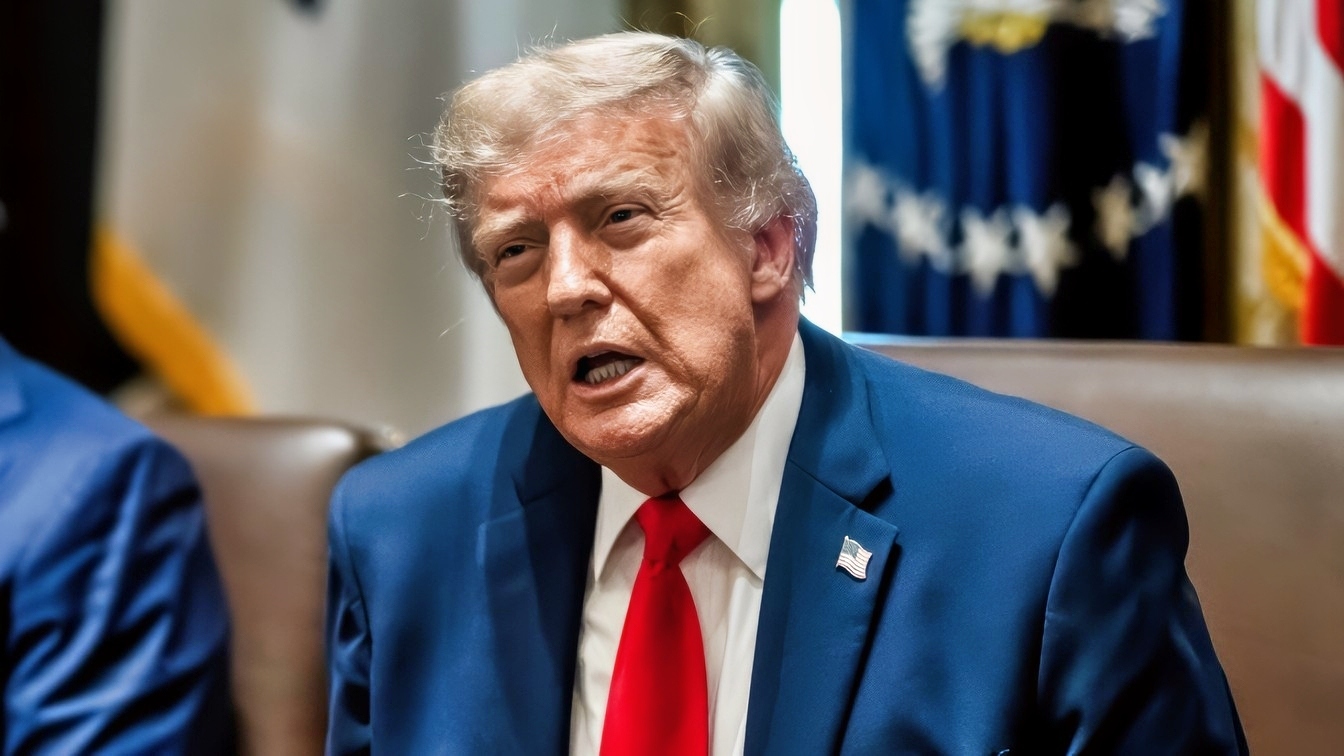
President Donald J. Trump is once again declaring that he has secured an agreement with Iran to reopen the Strait of Hormuz and extend the ceasefire for another 60 days. This Memorandum of Understanding (MOU) is intended to serve as a basis for future, more comprehensive agreements to bring lasting peace to the region. The deal has reportedly already been signed by the U.S. and will take effect on Friday, after both parties formally sign the agreement in person in Switzerland. While Trump does his victory laps, the conflict in Lebanon between Israel and Hezbollah continues to rage and could potentially hinder negotiation efforts once again.
A New Ceasefire Deal?

B-2 Stealth Bomber July 2025 National Security Journal Photo.
On Sunday, June 14th, Trump announced that he had reached an agreement with Iran on a settlement to reopen the Strait of Hormuz and extend the ceasefire for another 60 days.
The President shared the details with French President Emanual Macron ahead of the G7 summit in Evian-les-Bains.
According to Trump, Iran agreed to give up its aspirations of a nuclear weapon and agreed to reopen the Strait and allow for civilian transport in coordination with Oman.
As a measure of good faith, President Trump declared the U.S. will lift its blockade on the Strait, allowing Iranian-bound vessels to navigate to Iranian ports, but this was delayed until Friday.
This is not the first time Trump has made such statements; in fact, he has said the same thing on several occasions. However, this time, Trump’s claims were supported by both Pakistani and Iranian officials.
Iran, for its part, stated that the deal would be very beneficial to the country.
According to some officials, the deal would release frozen Iranian assets and lift some of the sanctions that have been hampering the Iranian economy.
As some observers have also noted, Trump made no mention of Iran’s ballistic missile program, which likely means that the U.S. has dropped the issue as a point of contention. According to officials from the Iranian Army, the extended ceasefire would also give the country time to rebuild its defensive infrastructure, which had been damaged or destroyed after American and Israeli airstrikes.
Both sides seem to be feeling good about the deal, which is a good sign for things to come, but there is still a long way to go until the deal is enacted on Friday.

Airman 1st Class Tommy Day (left), Senior Airman Phillip Ruiz (center) and Tech. Sgt. Dwayne Bolles prepare to load a BDU-56 bomb on a B-2 Spirit bomber at Andersen Air Force Base, Guam, on April 11, 2005. The airmen are Air Force weapons specialists deployed from the 509th Aircraft Maintenance Squadron, Whiteman Air Force Base, Mo.
(DoD photo by Master Sgt. Val Gempis, U.S. Air Force. (Released))
A Ceasefire Does Not Mean Peace
Even after the deal is enacted, there is still a long and uncertain road ahead.
The deal itself does not guarantee a long-lasting peace agreement; it only lays the groundwork for future agreements.
Furthermore, reopening the Strait of Hormuz will take considerable time and effort after Iran spent months laying mines throughout the region. According to some economists, it will take months for traffic through the Strait to reach pre-war levels. “We probably won’t return to normal in two weeks, but we will see a significant increase in strait traffic,” said one U.S. official. Additionally, there is the matter of transit fares, which has been the subject of ongoing debate between Iran and Oman for years.
American Congressmen from the Democratic Party have criticized the deal for conceding to Iranian demands and enabling future Iranian demands. “If they’re spinning the Iran deal without showing any text, pretty good sign it’s worse than Obama’s Iran Nuclear Deal,” said Rhode Island Senator Sheldon Whitehouse.
There is still lingering distrust between the two sides and a multitude of unresolved issues that could undermine any potential long-term deals. The MOU also hinges on Iran meeting U.S. demands on its nuclear program and other demands on its internal security policies, which the regime may not be so enthusiastic about meeting.
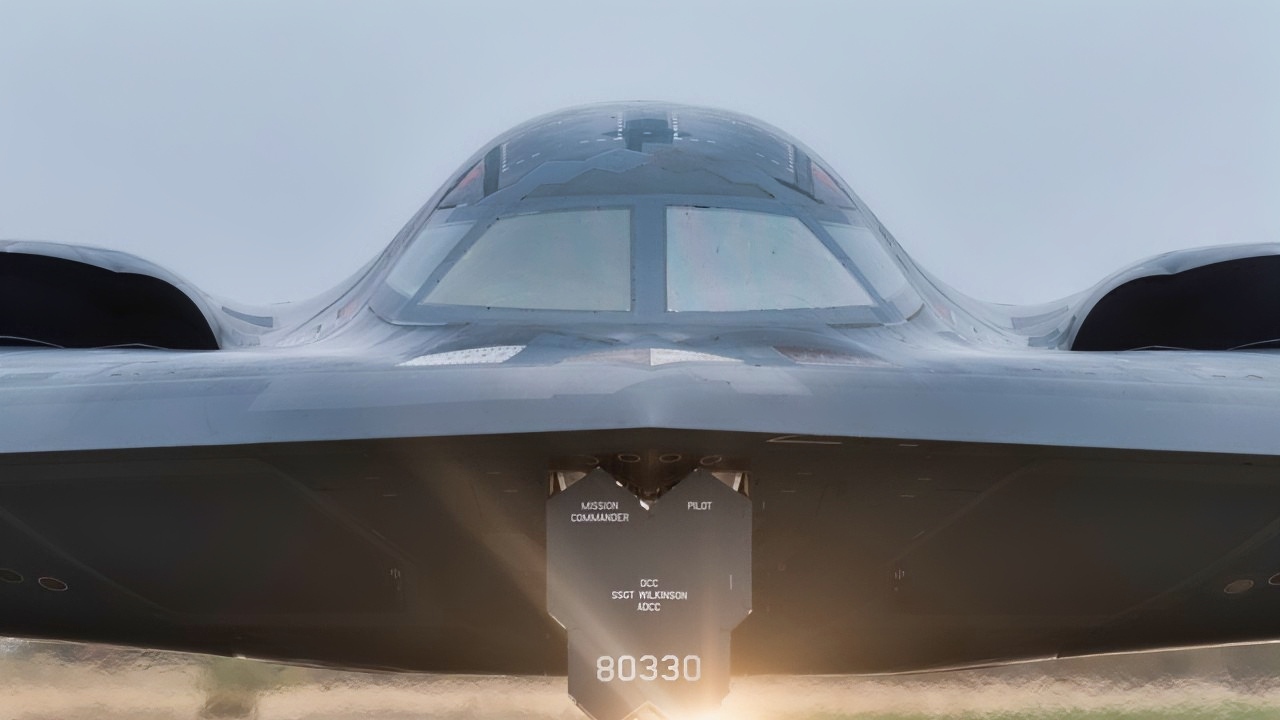
A B-2 Spirit Stealth Bomber, assigned to the 509th Bomb Wing, Whiteman Air Force Base, Missouri, taxis down a flight line, Oct 24, 2019. Total Force Airmen at Whiteman AFB are ready to execute the mission anytime, anywhere. (U.S. Air Force photo by Senior Airman Thomas Barley)
Overall, it is still too early to say whether the agreement will really yield any long-term results.
Fighting in Lebanon is Still Ongoing
Lebanon is the giant elephant in the room that refuses to go away.
According to Trump, Israel’s withdrawal from Lebanon is not part of the MOU, but Iran continues to insist that Lebanon, Hezbollah in particular, is of enormous importance to Iran’s interests and that Israel must cease its attacks on Lebanese territory for any lasting peace agreement. While talks about the agreement were moving forward on Sunday, Israel and Hezbollah continued to trade back and forth attacks against each other, with no sign that either party is ready to compromise yet.
Israel has explicitly stated that it does not intend to withdraw from Lebanon, even if the MOU is enacted. “We are not a party to the agreement, and from our perspective, we will continue until we achieve the goal of disarming Hezbollah,” said Gila Gamliel, a member of Israel’s political-security cabinet and science minister.
Prime Minister Netanyahu also declared that Israel would not withdraw from its positions in Southern Lebanon until Hezbollah is disarmed. The issue of Lebanon remains the greatest roadblock to lasting peace in the region, and the MOU apparently makes no mention of it. The main thing to watch for leading up to Friday is whether the fighting in Lebanon will impede the agreement’s enactment.
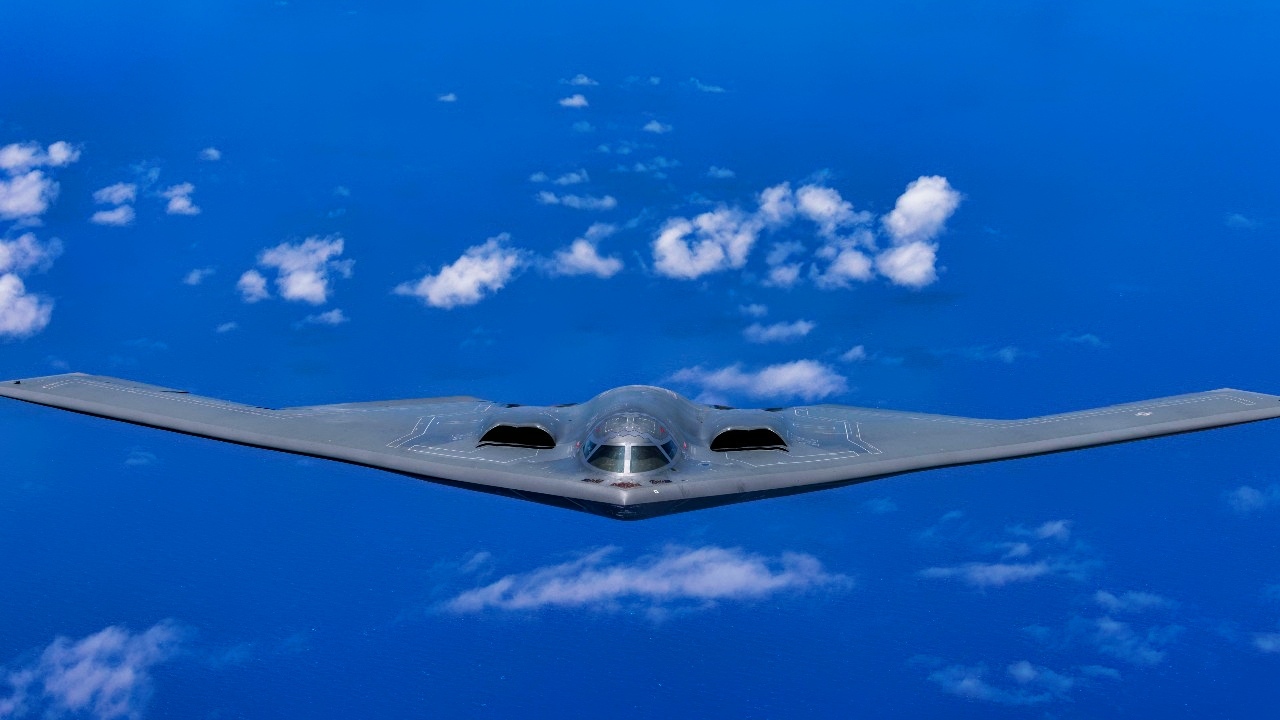
A U.S. Air Force B-2 Spirit bomber flies over the North Pacific Ocean, June 13, 2024. The speed, flexibility, and readiness of the Air Force’s strategic bombers plays a critical role in deterring potential adversaries and signaling unwavering support to allies and partners. Counter-maritime missions provide valuable training opportunities to improve interoperability and demonstrate that Air Force forces are capable of operating anywhere, anytime, to meet any challenge decisively. (U.S. Marine Corps photo by Sgt. Jose Angeles)
Despite Trump’s efforts to stop Israel’s push, Netanyahu and Trump seem to be at an impasse on the issue, and no progress seems to have been made.
About the Author: Isaac Seitz
Isaac Seitz, a Defense Columnist, graduated from Patrick Henry College’s Strategic Intelligence and National Security program. He has also studied Russian at Middlebury Language Schools and has worked as an intelligence Analyst in the private sector.


