
U.S. President Donald Trump again expressed optimism about the prospects of a peace deal with Iran on Tuesday, June 23, going as far as claiming that the regime had “fully and completely agreed” to nuclear inspections.
The president’s optimism contradicted denials from Tehran that it had made any such concession, and came as the Iranian president insisted the country’s missile program was untouchable.

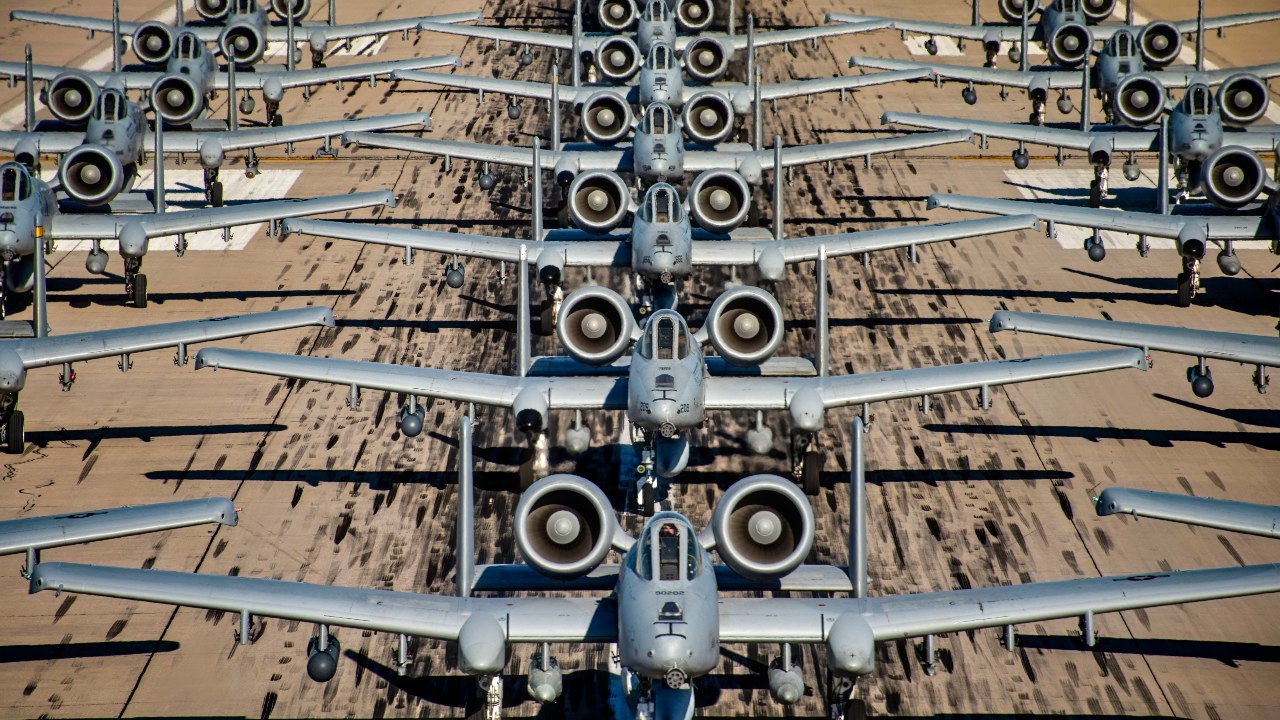
U.S. Air Force B-52H Stratofortress aircraft fly by the 81st Liberation Day Parade, leveraging a training sortie during the U.S. Air Force’s 2025 Department-Level Exercise series in Guam, July 21, 2025. The flights consisted of 13 waves of aircraft from the U.S. Air Force, Royal New Zealand Air Force, Japan Air Self-Defense Force and Republic of Korea Air Force, showcasing the U.S. and its allies’ commitment to a free and open Indo-Pacific region. The DLE encompasses all branches of the Department of Defense, Allies, and partners, employing over 400 joint and coalition aircraft and more than 12,000 personnel across more than 50 locations spanning 3,000 miles. (U.S. Air Force photo by Senior Airman Jade M. Caldwell)
Nonetheless, even Vice President JD Vance insisted that major progress had been made with the Iranians this week, and if a deal is made in time, the talks could finally bring a permanent end to hostilities and limits to Iran’s nuclear program.
But the fact that Washington is still negotiating at all raises an important question: why is this conversation happening when Trump’s strikes were meant to help the Iranian people liberate themselves?
When President Donald Trump launched military strikes against Iran in February, the expectation was not just that Iran’s nuclear and military infrastructure would be degraded, but that conditions would be created to allow the Iranian people to overthrow their government.
Now, some four months later, the regime is still in power – and instead of discussing surrender terms or regime change, Washington is engaged in negotiations that still seem to favor Iran more than the U.S.
Trump’s Original Objective
When military operations began in February, the Trump administration recognized that regime change wasn’t inevitable, but did present it as the best opportunity in decades for the Iranian people to overthrow the regime should they so wish.
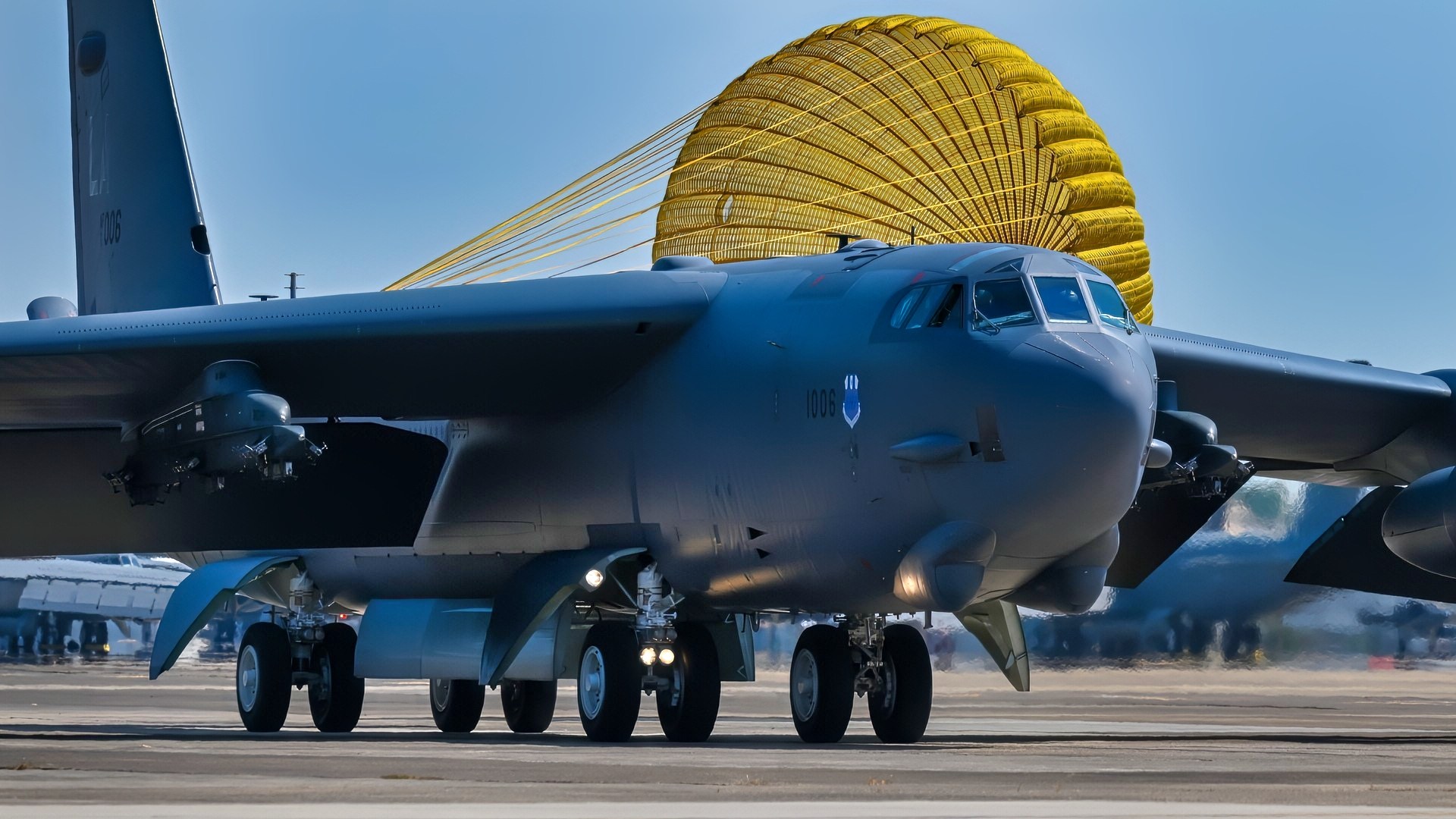
A B-52 Stratofortress from the 2nd Bomb Wing returns home to Barksdale Air Force Base following a Bomber Task Force mission at Andersen Air Force Base, Guam, Aug. 20, 2023. BTF missions demonstrate the credibility of United States forces in addressing a global security environment more diverse and uncertain than at any other time in history. (U.S. Air Force photo by Airman 1st Class Seth Watson)
More concretely, Trump promised to cripple Iran’s nuclear infrastructure and military capabilities.
In remarks made shortly after launching the campaign, Trump urged Iranians to take advantage of what he described as an historic opportunity to free themselves from the regime.
“Finally, to the great proud people of Iran, I say tonight that the hour of your freedom is at hand. Stay sheltered.
Don’t leave your home. It’s very dangerous outside. Bombs will be dropping everywhere. When we are finished, take over your government. It will be yours to take. This will probably be your only chance for generations,” Trump said.
Military strikes were intended to damage critical infrastructure, and the resulting economic damage would put pressure on the country more generally, creating public dissatisfaction that would eventually boil over into organized opposition against the government.
In fact, it seems the Trump administration hoped it would happen even before the economy started to falter. But regime change never materialized.
The Damage Was Done
While regime change didn’t occur, the strikes caused major damage. The military campaign has imposed high costs, including the killing of senior military commanders and Ayatollah Ali Khamenei himself.
Nuclear facilities were damaged, and missile production sites were targeted. Some estimates even suggest more than 85 percent of Iran’s missile, drone, and naval defense assets were destroyed.
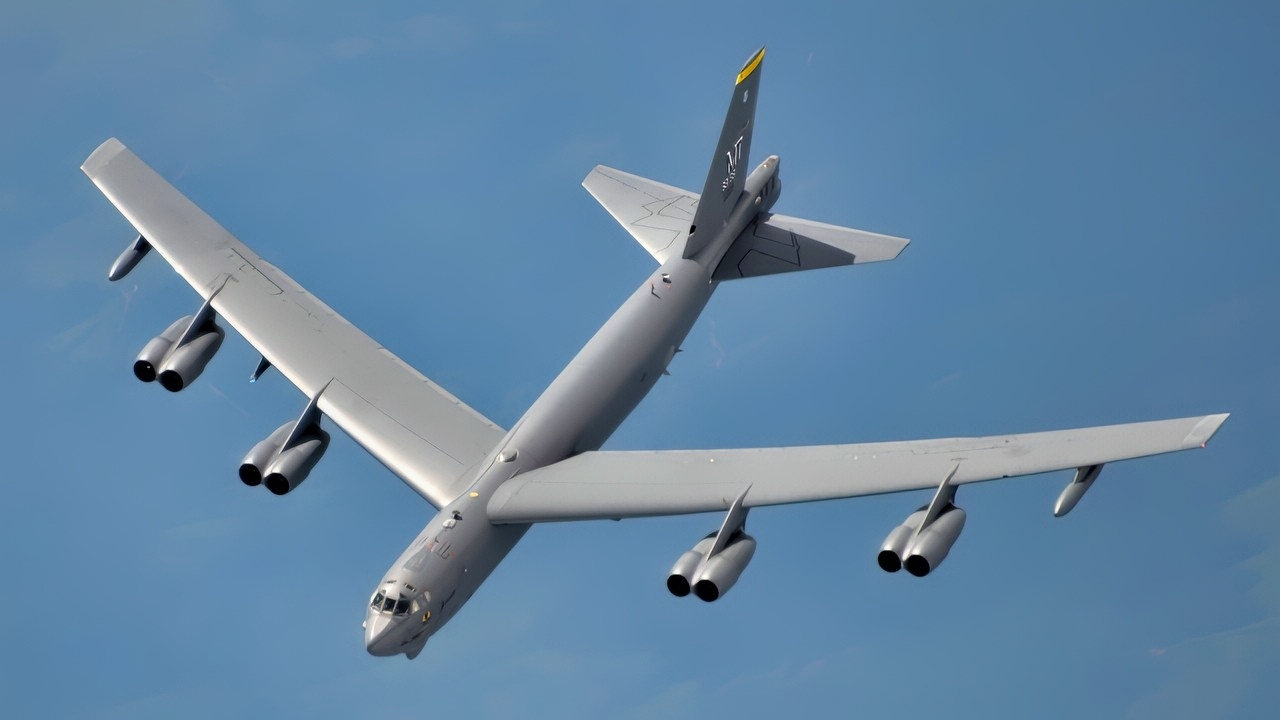
A B-52 Stratofortress assigned to the 5th Bomb Wing, Minot Air Force Base, North Dakota, completes refueling behind a KC-135 Stratotanker assigned to the 134th Air Refueling Wing, Tennessee Air National Guard, during exercise Saber Guardian 19, June 17, 2019. The bombers participated in three exercises in the Baltic and Black Sea regions, providing opportunities for training with our allies and partners. Strategic bomber missions enhance the readiness and training necessary to respond to any potential crisis or challenge across the globe. The USEUCOM, NATO exercise promotes regional stability and security while increasing readiness, strengthening partner capabilities and fostering trust. (U.S. Air National Guard photo by Tech. Sgt. Daniel Gagnon)
And the damage wasn’t restricted to Iran, either. When Tehran threatened to close the Strait of Hormuz and effectively did so, global energy markets were thrown into turmoil.
President Trump can take credit for causing major damage to Iranian infrastructure and weakening the regime in many key ways, but he can also assume credit for hurting the global economy and paving the way to sanctions relief for the world’s biggest state sponsor of terrorism.
And still, it didn’t result in regime change. Iran’s leadership has so far absorbed the damage and maintained control of the country, and even entered negotiations from a somewhat advantageous position after proving it can hold the global economy hostage.
Why Iranians Didn’t Rise Up
As the Trump administration has seen, it takes more than bombs to overthrow a regime – or, indeed, to facilitate the overthrow of a regime. Authoritarian governments require far more than public disruption to be removed from power.
During the conflict, Israeli intelligence went as far as directly contacting Iranian military personnel and government officials, informing them via telephone that their lives were at risk unless they distanced themselves from the regime and sided with the Iranian people.
The effort generated headlines and likely had some impact, but it never led to a successful regime change.
The reality is that even unpopular governments can survive when they maintain control over the institutions that matter, when there are too few officials to coerce, and when citizens don’t have access to weapons.
Iran’s regime managed to retain the loyalty of large portions of the Islamic Revolutionary Guard Corps and security services.
Alas, the Iranian people had no real chance, and Trump’s only chance to achieve what he wanted was likely only ever possible by following the guidance of his former national security advisor, John Bolton. But Trump didn’t want a ground war, and evidently still doesn’t.
About the Author: Jack Buckby
Jack Buckby is a British researcher and analyst specializing in defense and national security, based in New York. His work focuses on military capability, procurement, and strategic competition, producing and editing analysis for policy and defense audiences. He brings extensive editorial experience, with a career output spanning over 1,000 articles at 19FortyFive and National Security Journal, and has previously authored books and papers on extremism and deradicalization.


