


Article Summary and Key Points – The F-47 Next Generation Air Dominance fighter (NGAD) is worth its eye-watering $300 million price tag.
-After a brief “strategic pause,” the Trump administration revived NGAD and handed Boeing a long-awaited win. Orr notes that America’s current 5th-gen fleet is aging, numerically thin, and increasingly challenged by China’s J-20 and its looming 6th-gen designs.
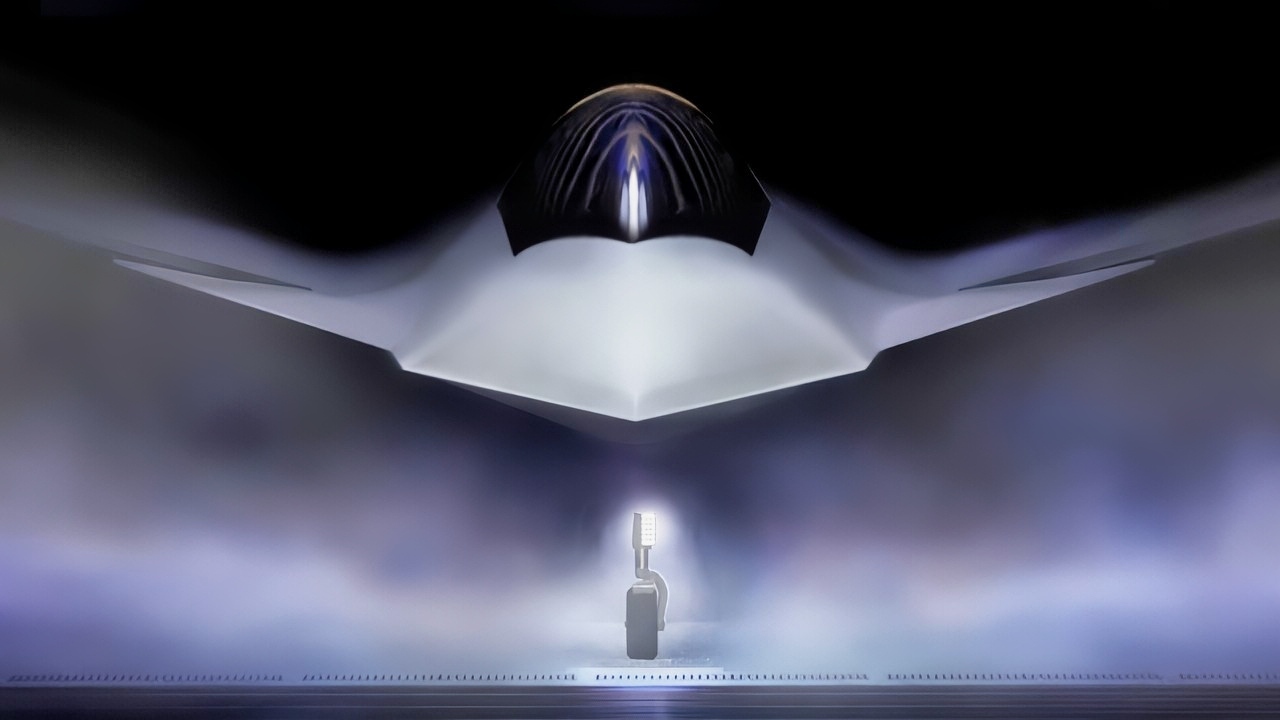
Shown is a graphical artist rendering of the Next Generation Air Dominance (NGAD) Platform. The rendering highlights the Air Force’s sixth generation fighter, the F-47. The NGAD Platform will bring lethal, next-generation technologies to ensure air superiority for the Joint Force in any conflict. (U.S. Air Force graphic)
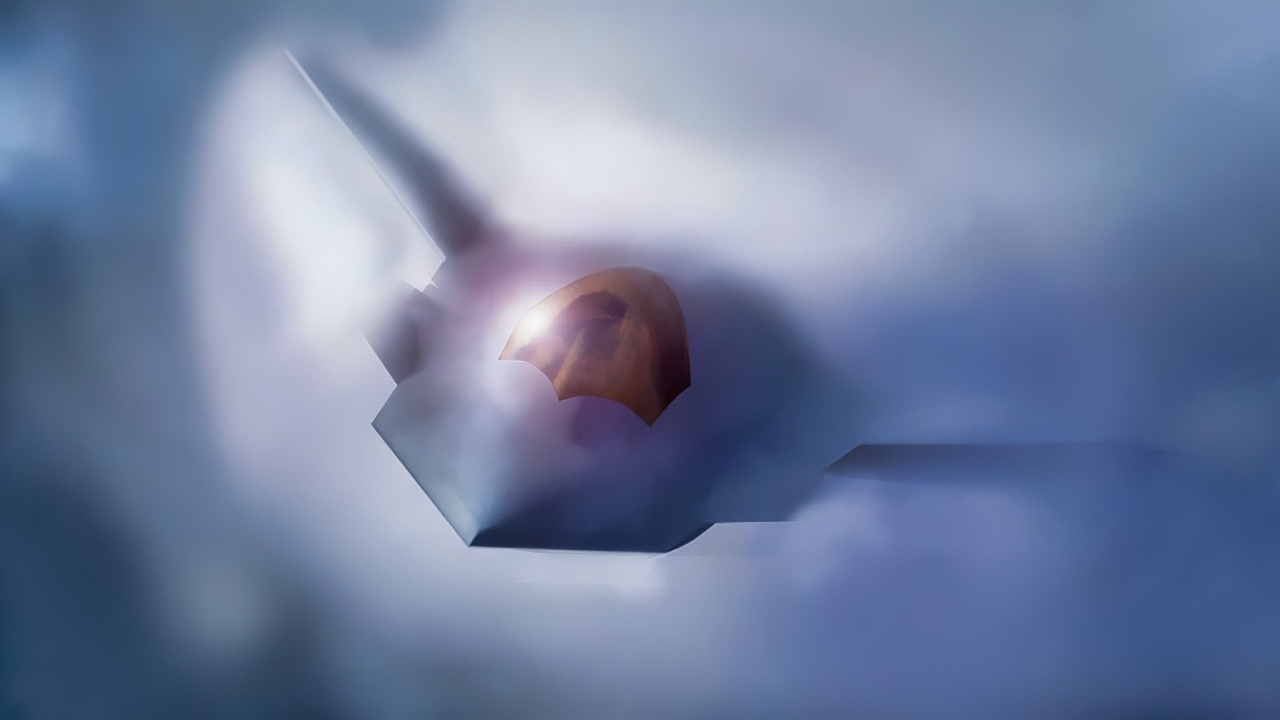
Shown is a graphical artist rendering of the Next Generation Air Dominance (NGAD) Platform. The rendering highlights the Air Force’s sixth generation fighter, the F-47. The NGAD Platform will bring lethal, next-generation technologies to ensure air superiority for the Joint Force in any conflict. (U.S. Air Force graphic)
-The F-47 promises greater range, speed, payload, and survivability to keep U.S. airpower ahead.
-Beyond raw performance, NGAD will revitalize the defense industrial base and bolster pilot morale—intangible advantages that justify the investment.
The F-47 NGAD Debate Begins
When the Trump administration gave the F-47 Next Generation Air Dominance (NGAD) 6th-generation fighter plane program the green light this past March, it was a stunning reversal of misfortune for what had previously seemed like a moribund military program. (It was also quite a bit of sweet revenge for Boeing to be awarded the NGAD contract, all these years after its X-32 lost out to Lockheed Martin’s F-35 Lightning II in the 5th-generation stealth fighter race.)
A mere 11 months prior, the US Air Force had placed its program on a so-called “strategic pause,” with one of the major reasons behind the USAF brass’s initial skittishness about NGAD being its high price tag: a whopping $300,000,000 USD, nearly triple that of the already infamously expensive F-35.
Quite a few skeptics are questioning whether the F-47 is worth that ginormous hunk of change. Well, in this former Air Force officer’s professional opinion, NGAD is indeed worth the money, for multiple reasons.
Perspectives & Precedents
Before we get into those reasons, some historical perspectives are in order. Starting with more recent history, the oh-so-controversial F-35 has proven its worth in combat several times over in this decade, in the hands of America’s Air Force, Navy, and Marine Corps alike (not to mention the Israeli Air Force with its F-35I “Adir [Mighty One] variant.
Going back a bit farther in time, the very first stealth bomber, the Northrop (now Northrop Grumman) B-2 Spirit, remains *the* most expensive warbird ever built, 36 years after it made its maiden flight, at a mind-numbing $2.1 billion per airframe! (Some might be inclined to wisecrack that “B-2” stands for “Budget Buster.”)
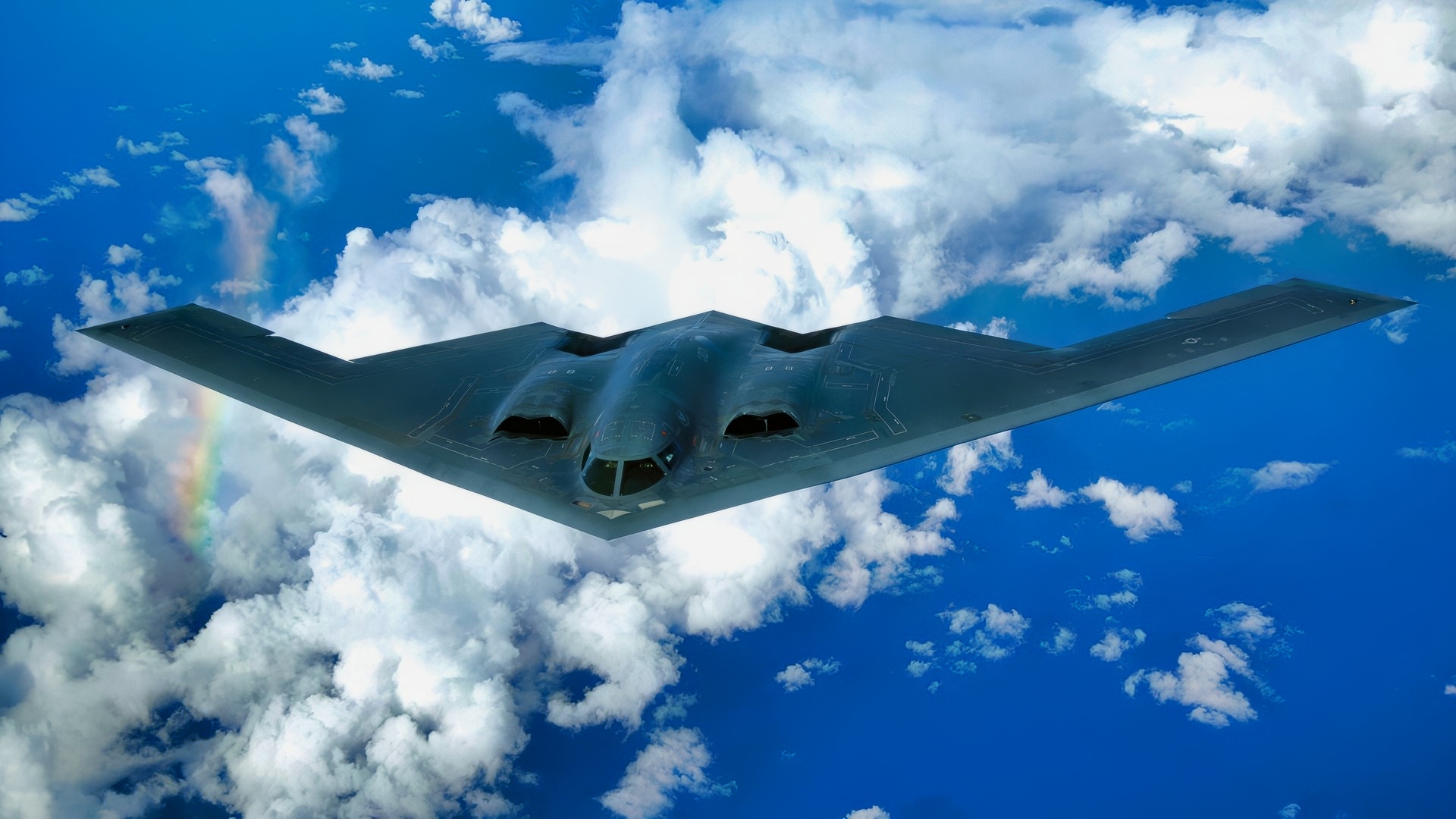
A B-2 Spirit soars after a refueling mission over the Pacific Ocean on Tuesday, May 30, 2006. The B-2, from the 509th Bomb Wing at Whiteman Air Force Base, Mo., is part of a continuous bomber presence in the Asia-Pacific region. (U.S. Air Force photo/Staff Sgt. Bennie J. Davis III)
Many pundits in the mainstream media and the hallowed halls of Congress alike pooh-poohed this pricey plane.
Yet over and over again, the budget-busting B-2 has brought a bonanza of bang for those big bucks in battle by raining death & destruction upon America’s enemies with extreme accuracy and then bringing its crews back home alive & well.
This was first seen during the B-2’s “blooding” in Operation Allied Force in 1999, and most recently and dramatically in Operation Midnight Hammer.
Now then, as for the justifications for the F-47’s price tag…
America’s Gen 5 Fighters are Getting Old
Lockheed Martin’s F-22 Raptor is arguably still the finest air superiority fighter in the world. However, as it is the first-ever 5th-generation stealth fighter to arrive on-scene, this fine warbird is getting long in the tooth (or long in the beak and talons, if you prefer); next month already marks the 20th anniversary of its official operational debut.
What’s more, there’s a depressing shortage of F-22s, thanks to then-US Secretary of Defense (SECDEF) Bob Gates’s massively boneheaded decision back in 2009 to kill the Raptor after only 187 airframes were built out of the original 381 planned.
As for America’s other, comparatively younger stealth fighter, this past July marked the 10th anniversary of the F-35’s operational debut.
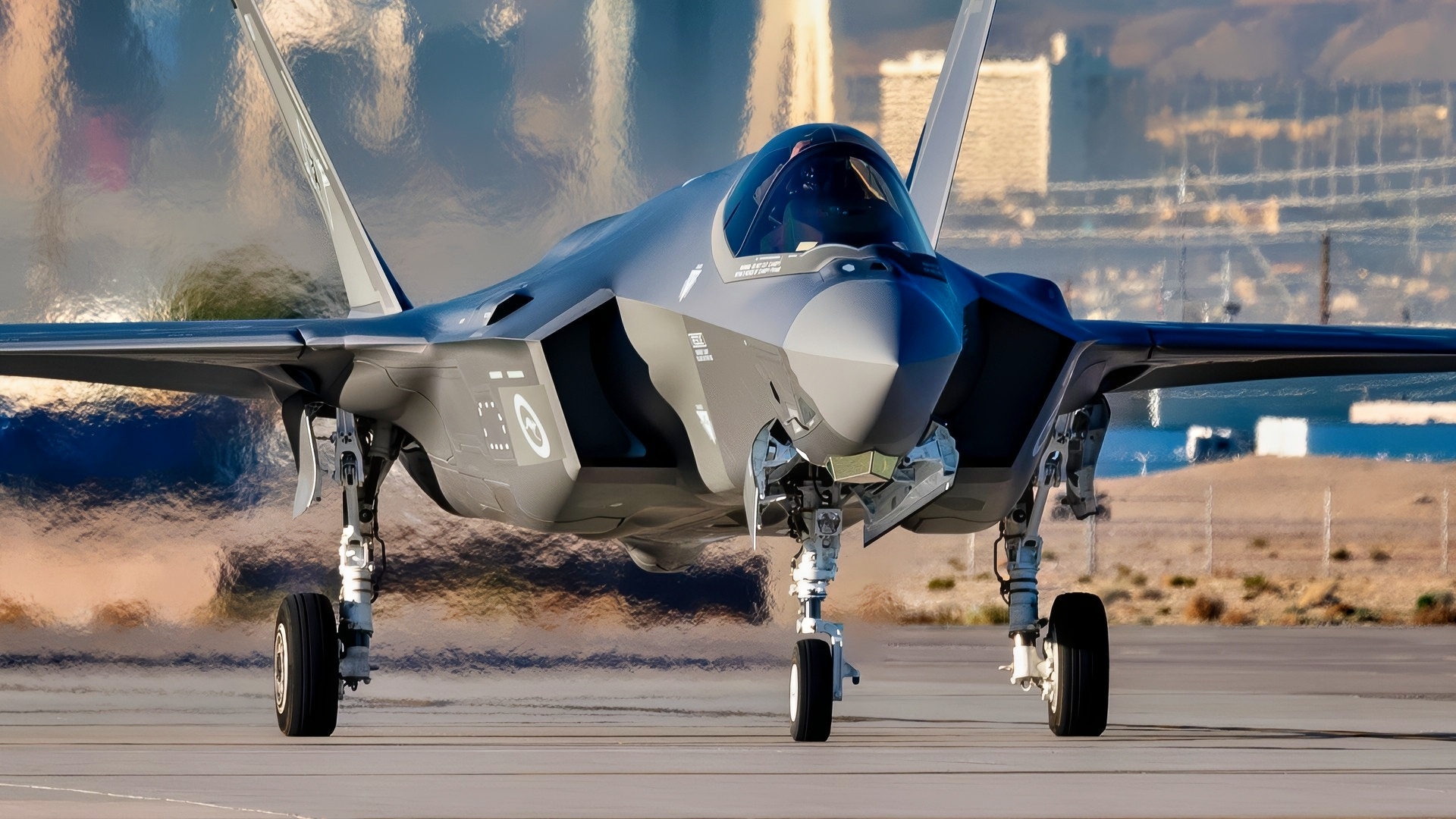
A Royal Australian Air Force F-35 Lightning II taxis out for a morning mission at Nellis Air Force Base, Nevada, Jan. 31, 2024. Approximately 150 Royal Australian aviators participated in Bamboo Eagle 24-1 with Royal Air Force and U.S. Air Force assets. These exercises build partnerships and is an opportunity to enhance the readiness and training necessary to respond as a joint force to any potential crisis or challenge across the globe. (U.S. Air Force photo by William R. Lewis)
Fine fighter though the Lightning II is, it’s already starting to show some vulnerabilities, as evidenced by the near miss one F-35 jet jock had with a Houthi surface-to-air missile (SAM) during Operation Rough Rider back in March (coincidentally, the same month the NGAD program was officially approved).
Simply put, the USAF’s current fighter fleet cannot rest on its laurels, and the F-47 would be a tangible manifestation of the quest for continuous improvement.
Keeping Up with the Joneses
Or more accurately, keeping up with the Chinese Communist Party (CCP). Beijing’s operational entry into the 5th-generation fighter realm, the J-20 Weilong (“Mighty Dragon”), has a maximum airspeed advantage over the F-35: Mach 2.0 versus a mere Mach 1.6.
Moreover, the Weilong has a way longer (if you will) combat range advantage over both the F-35 and F-22: 1,100 nautical miles vs. 760 nautical miles and 750 nautical miles, respectively.

J-20 Fighter Weibo Image Screenshot
The F-47 would negate the current advantages of the Chinese fighter. Though exact specifications are still murky due to both the program’s newness and its secret-squirrel nature, the F-47 is projected to have a maximum speed exceeding Mach 2 and a combat radius of at least 1,000 nautical miles.
The NGAD is also expected to have an increased payload, thus enabling it to stay in the fight longer than its Gen 5 predecessors.
What’s more, let’s not forget that the People’s Republic of China (PRC) is developing its own 6th-generation fighter and bombers, namely the Chengdu J-36 and the Xi’an H-20.
To simply sit idly by whilst the PRC continues to develop these technologies and not develop a countervailing air-to-air weapons system would be simply negligent on America’s part.
Invaluable Intangibles
As Secretary of War, Pete Hegseth proclaimed when the F-47 contract award was officially announced, “This is a historic investment in the American military, in the American Industrial Base, that will help revive the warrior ethos inside our military.”
In other words, the NGAD program will not only boost the US manufacturing jobs market but also provide a proverbial shot in the arm to the pride and morale of America’s aerial warriors, with the assurance that they’ll always be provided with the technology to remain competitive with the nation’s adversaries.
Whilst those pride and morale factors may be less tangible and more esoteric than hard numbers (gee-whiz tech specs and dollar figures alike), their importance certainly cannot be overvalued.
As the saying goes, “It’s not the size of the dog in the fight, it’s the size of the fight in the dog;” the NGAD would provide the best of both worlds, i.e., the metaphorical big dog *and* the big-time fighting spirit.
About the Author: Christian D. Orr, Defense Expert
Christian D. Orr is a Senior Defense Editor. He is a former Air Force Security Forces officer, Federal law enforcement officer, and private military contractor (with assignments worked in Iraq, the United Arab Emirates, Kosovo, Japan, Germany, and the Pentagon). Chris holds a B.A. in International Relations from the University of Southern California (USC) and an M.A. in Intelligence Studies (concentration in Terrorism Studies) from American Military University (AMU). He is also the author of the newly published book “Five Decades of a Fabulous Firearm: Celebrating the 50th Anniversary of the Beretta 92 Pistol Series.”
More Military
Montana-Class vs. Yamato-Class: It Would Have Been the Ultimate Battleship Battle
The Littoral Combat Ship Might Be the Navy’s Biggest Mistake Ever


