

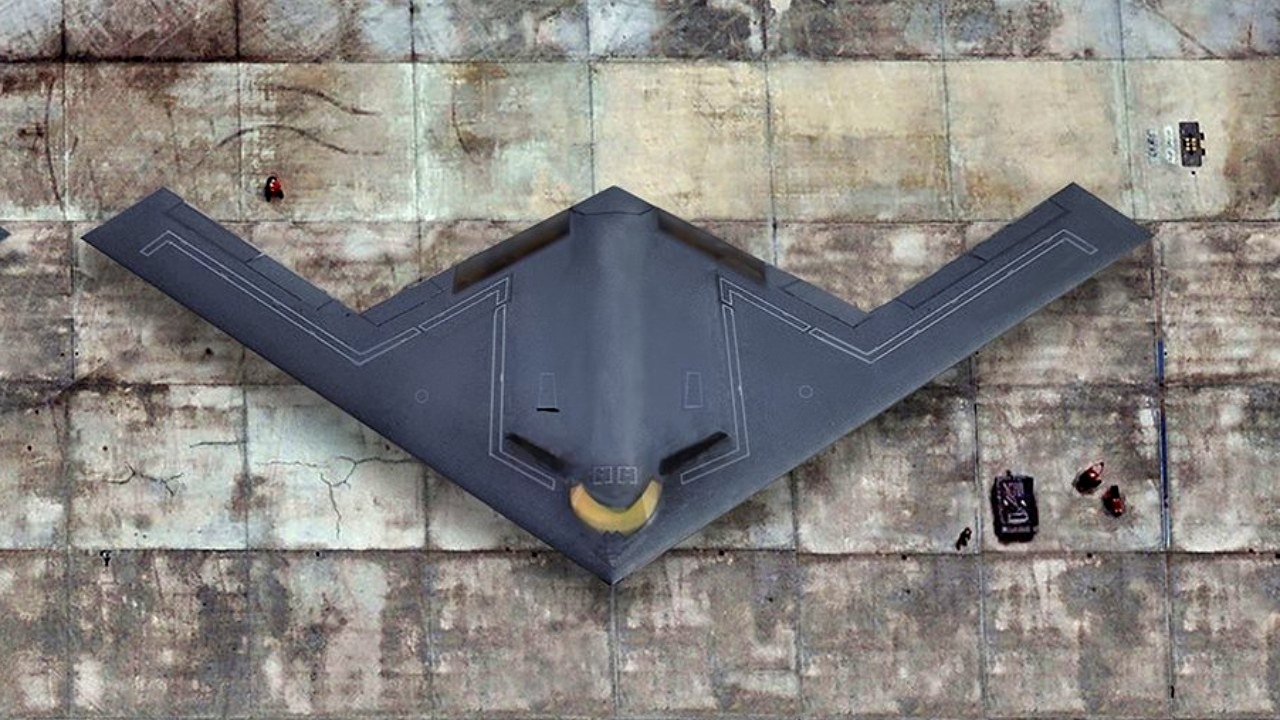
Article Summary – The B-21 Raider is entering flight testing as a manned stealth bomber, but some in Washington are already asking if future Raiders should be unmanned.
-Tapping into the same logic driving Loyal Wingman drones for the F-22 and next-gen fighters, an optionally unmanned B-21 could push deep into defended airspace, launch stand-off weapons, and team with CCAs without risking a crew.
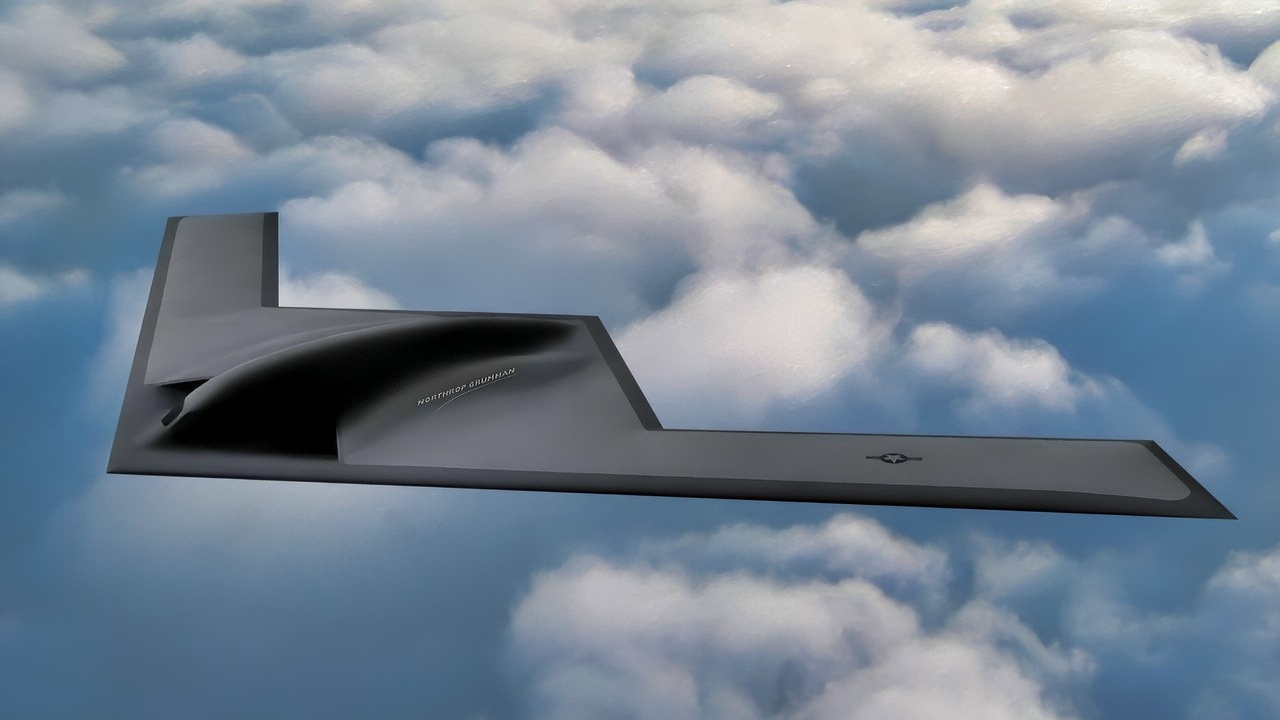
B-21 Raider Bomber Photo. Image Credit: Northrop Grumman.
-The idea is enticing but expensive, and would demand major changes in design, software, and command-and-control.
-If the Air Force pursues it, a B-21 drone could redefine how America conducts high-end strike missions.
Could the Air Force Make Some B-21 Raiders Unmanned?
Is it time for manned bombers to be replaced by unmanned drones? The F-22 is already flying with a Loyal Wingman drone, controlled in a manned-unmanned teaming arrangement. This remotely-piloted warplane could be configured to drop or launch weapons. The MQ-20 Avenger Collaborative Combat Aircraft (CCA) is a new development in flight that could make a difference in warfare as the F-22 hangs back in safety while the CCA does the dirty work.
Could this be a feature of the new B-21 Raider stealth bomber, too? The sixth-generation strike airplane is piloted, but the B-21 could also operate a CCA that could fly ahead to collect intelligence, surveillance, and reconnaissance data, conduct electronic warfare, and perform battle damage assessment.
The B-21 Drone Concept
Why not make the B-21 itself optionally unmanned?
This would give the bomber more flexibility with the various mission parameters of the CCA. If the MQ-20 can do many of the same jobs as the B-21, perhaps making the unmanned Raider is a better option to decrease the odds that a live pilot could be killed or captured.
The CCA would cost much less than an unmanned B-21, and many could grace the skies in a potential mission with the new F-47 NGAD in addition to F-22s and F-35s with their own Loyal Wingmen.
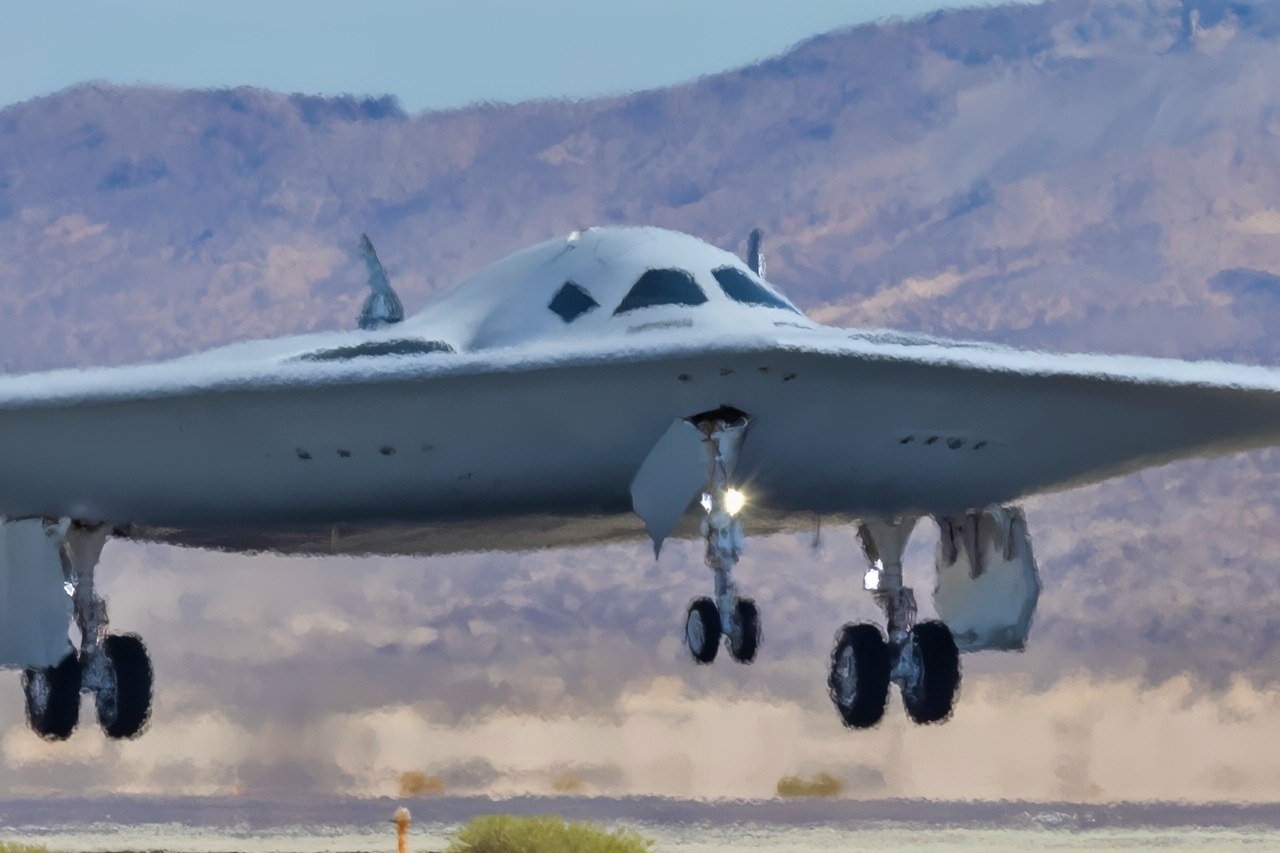
A B-21 Raider test aircraft lands at Edwards Air Force Base, Calif., during ongoing developmental flight testing, Sept. 11, 2025. The B-21 will be the backbone of the bomber fleet; it will incrementally replace the B-1 Lancer and B-2 Spirit bombers. (U.S Air Force photo by Todd Schannuth)
This would be a flight that would keep manned fighters out of harm’s way if the Air Force chooses to give the B-21 an unmanned option.
Observers like mercurial billionaire Elon Musk have called for replacing the F-35 with swarming drones.
He didn’t specify which drones, but Musk would probably prefer the B-21 to have an unmanned option.
Maybe It’s Too Late for an Unmanned B-21
However, one B-21 is already being tested in the air (with another perhaps flying in December) as engineers collect flight data for better research and development for additional Raiders coming off the production line. Is it too late to make an unmanned B-21?
It may be worth a try.
The Air Force plans to acquire 100 manned B-21s, and there have been calls for as many as 150. Why not make those last 50 unmanned?
This would allow more remotely-piloted teaming, and the B-21 drones could even be autonomous. The B-21 will probably not go on active duty until 2030. That gives five years for an unmanned option to be created.
Operation Midnight Hammer Is the New Template
It’s an idea worth looking into, as many bombers are needed to face down Russia and China. We know a stealth strike from even older bombers like the B-2 can be successful with radar evasion. Operation Midnight Hammer punished the Iranian nuclear infrastructure with no American losses.
That was with manned bombers. A B-21 with an unmanned option would allow us to see if a stealthy attack could be just as powerful against Russia and China, which have better air defense systems, such as Russia’s S-400 and S-500 and China’s HQ-9 and HQ-19.

U.S. Air Force Airmen with the 912th Aircraft Maintenance Squadron prepare to recover the second B-21 Raider to arrive for test and evaluation at Edwards AFB, Calif., Sept. 11, 2025. The arrival of a second test aircraft provides maintainers valuable hands-on experience with tools, data and processes that will support future operational squadrons. (U.S Air Force photo by Kyle Brasier)
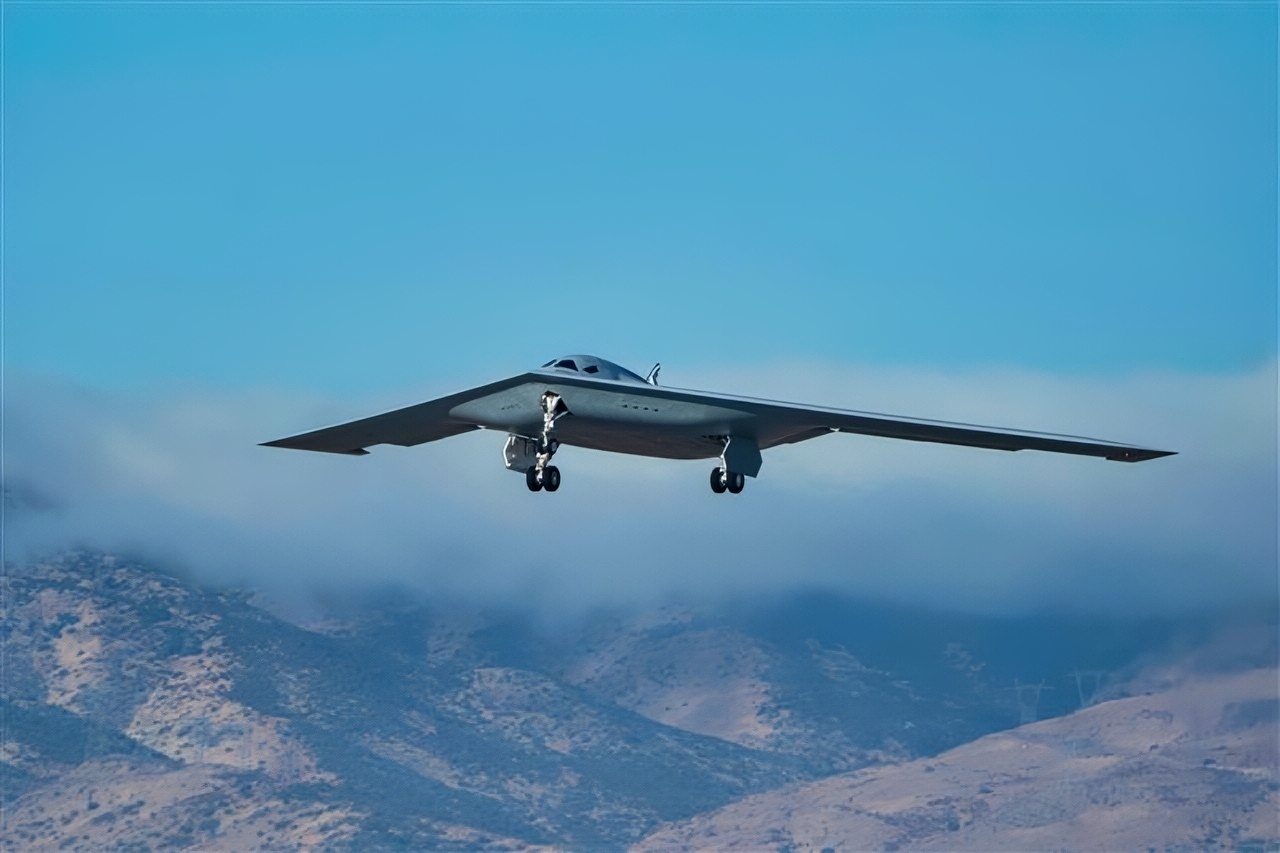
A second B-21 Raider, the nation’s sixth-generation stealth bomber, joins flight testing at Edwards Air Force Base, Calif., Sept. 11. The program is a cornerstone of the Department of the Air Force’s nuclear modernization strategy, designed to deliver both conventional and nuclear payloads. (Courtesy photo)
Losing some unmanned airplanes would be disappointing, but at least a few human-flown bombers would be in danger. Plus, teaming with fifth-generation airplanes and sixth-generation warbirds would create a stealth wall of destruction that would make the Americans salivate and the Chinese and Russians duck their heads in fear.
Cost Could Be Prohibitive
It is not clear how much the unmanned B-21 would cost, and if the Northrop Grumman production line in Palmdale, California, could be retooled for an unmanned Raider. But the transition to the B-21 drone could be made at the end of the first run of manned B-21s.
The B-21s are now believed to have just one pilot. Could this person successfully control all of the systems, not to mention CCAs? The Air Force reckons it can use artificial intelligence to remotely run the various flight control and weapons systems, along with potential drone teaming.
That remains to be seen. I would be more comfortable with an additional weapon system officer on the manned version. The remotely piloted B-21 would have a human or group of live UAV pilots on the ground to control complex missions that would require concerted interoperability with F-35s, F-22s, and F-47s.
Future Technology Is Only Going to Be Better
This is an exciting concept that could become doable in the 2030s. Flight technology would mature by then, with 50 unmanned B-21s gracing the skies. Even quantum computing may be possible by 2035, and that would give B-21 drones and their CCA partners an even better way to handle intricate.
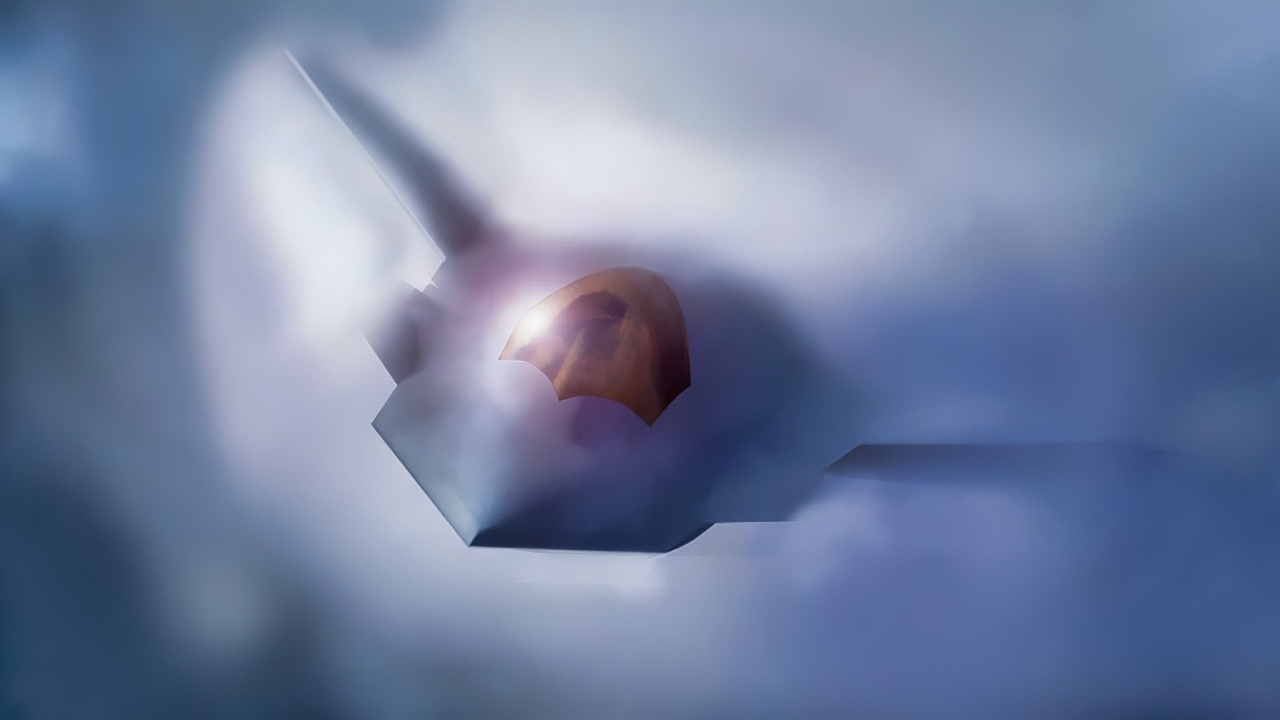
Shown is a graphical artist rendering of the Next Generation Air Dominance (NGAD) Platform. The rendering highlights the Air Force’s sixth generation fighter, the F-47. The NGAD Platform will bring lethal, next-generation technologies to ensure air superiority for the Joint Force in any conflict. (U.S. Air Force graphic)
Those types of numbers could be eclipsed with manned and unmanned B-21s controlling the CCAs with the sixth-generation F-47. These would be highly stealthy airplanes that could conduct Midnight Hammer missions with ease.
This could be the answer that the Air Force is looking for as it transitions to 2040. Drones have been an all-consuming trend for decades. I first wrote research papers on unmanned flight in 2001, and even a book that discussed how drones could use streaming video more effectively.
We know that drones will continue to progress, and they will save several lives and avoid any pilot being taken prisoner. The B-21 Raider program already has many advantages. It is on time and on budget. There could be snafus, and the unmanned version would take some time to develop, but the drone B-21 could change the way the Air Force conducts strike missions.
Let’s keep an eye on what the Air Force generals say at Congressional hearings and peruse the new National Defense Strategy to see what the Department of Defense predicts about the future of unmanned flight. We may just get a B-21 drone someday, and that would be a massive development for future bombing missions.
About the Author: Brent M. Eastwood
Author of now over 3,000 articles on defense issues, Brent M. Eastwood, PhD is the author of Don’t Turn Your Back On the World: a Conservative Foreign Policy and Humans, Machines, and Data: Future Trends in Warfare plus two other books. Brent was the founder and CEO of a tech firm that predicted world events using artificial intelligence. He served as a legislative fellow for US Senator Tim Scott and advised the senator on defense and foreign policy issues. He has taught at American University, George Washington University, and George Mason University. Brent is a former US Army Infantry officer. He can be followed on X @BMEastwood.
More Military
The U.S. Military Is In ‘Crisis’
Canada’s F-35 Stealth Fighter Mistake Is Just Around the Corner
The Mach 2.23 F-4G Wild Weasel Has a Message for the U.S. Air Force


