

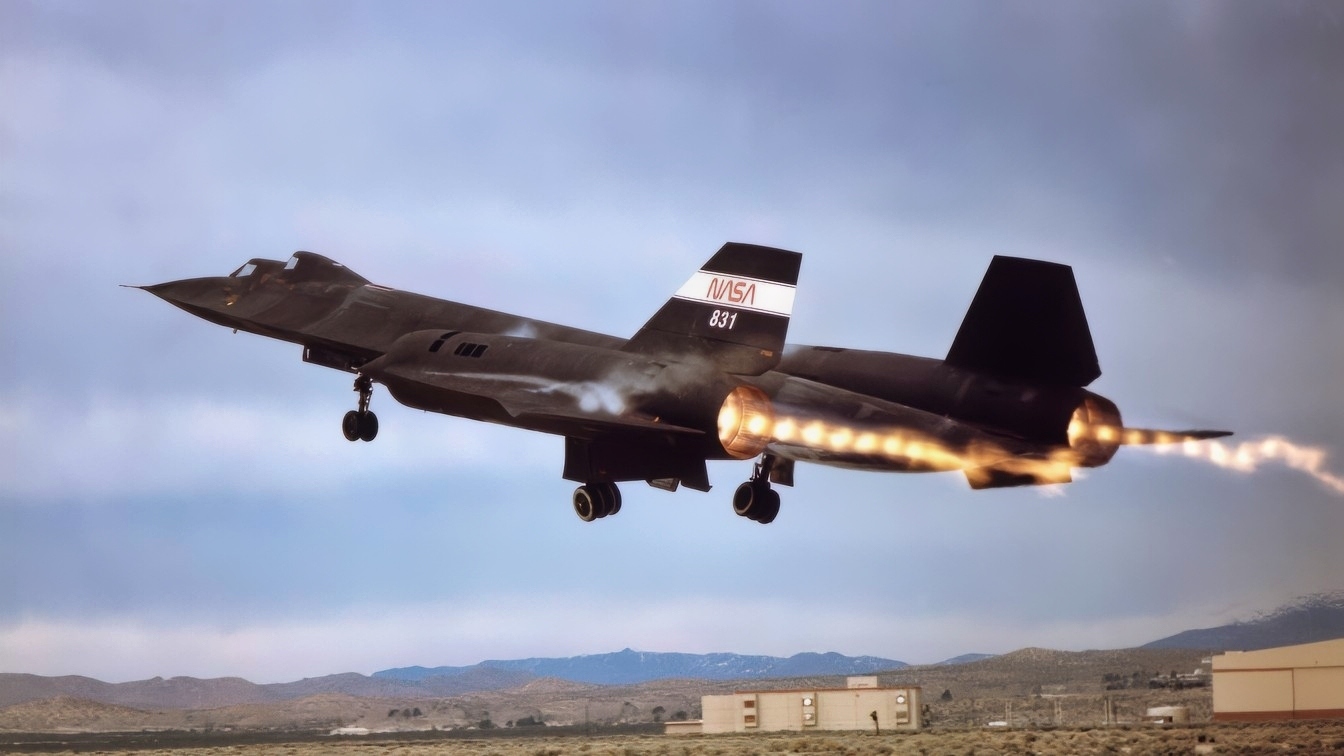
During the 1970s, NASA wanted to conduct supersonic flight tests using the SR-71 Blackbird, but the aircraft’s existence was still classified and the Air Force refused to allow NASA to fly it openly. As a workaround, the Air Force delivered an actual SR-71 — the second production model — to NASA under the false designation YF-12C and assigned it the fictitious serial number 60-6937. NASA flew the aircraft openly at Edwards Air Force Base throughout the decade while officially pretending it was something else entirely. The data gathered during those secret tests was later fed back into the SR-71 program, improving its flight controls and high-temperature performance.
The SR-71 Blackbird and NASA
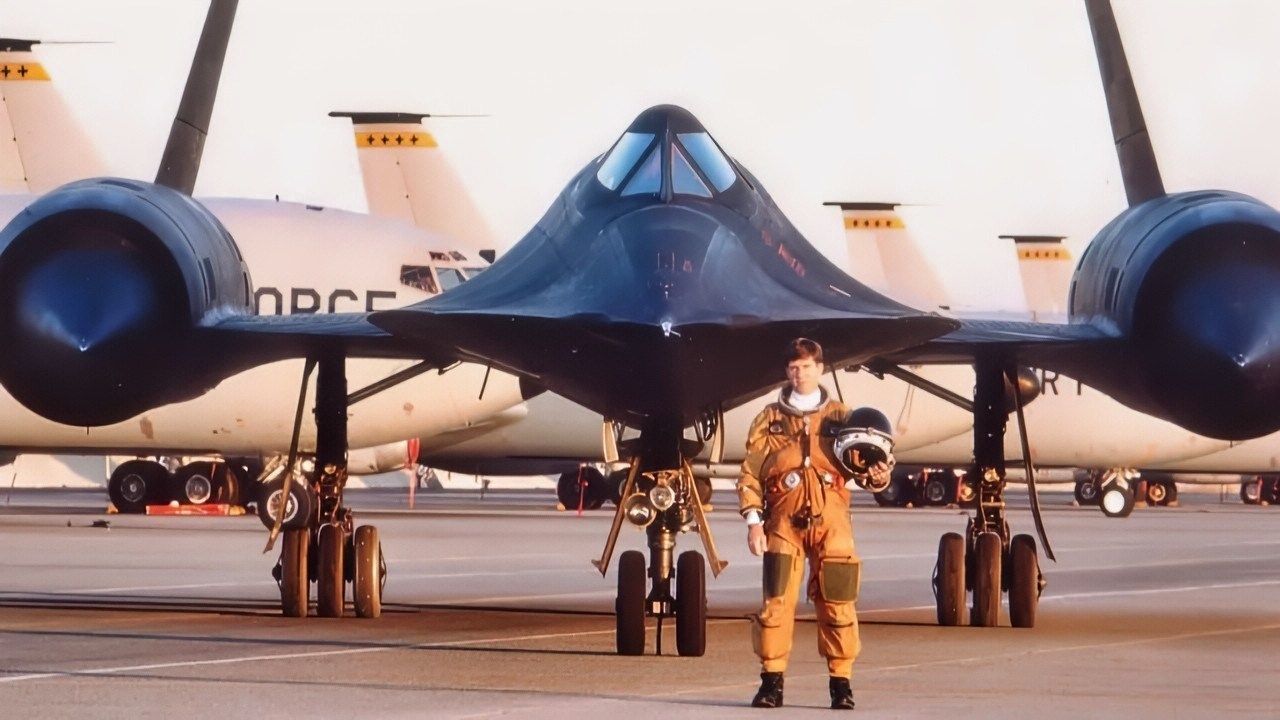
SR-71 and Pilot Creative Commons Image
From 1991 through 1999, NASA flew the SR-71 Blackbird after the aircraft was retired from the U.S. Air Force. The aircraft was flown for research and testing purposes as NASA wanted to run tests at high supersonic speeds. What many don’t know, however, is that NASA actually flew the legendary Blackbird much earlier in the aircraft’s lifetime. Throughout the 1970s, NASA operated the aircraft at Edwards Air Force Base, back when the Air Force still had plans for an interceptor variant. For legal and administrative reasons, NASA flew the aircraft under a false designation and a false serial number.
The A-12 Oxcart
The aircraft that became the SR-71 originally began as the A-12 Oxcart – and we have original photos below from a visit to an A-12 last year.
The A-12 was designed to replace the aging and obsolete U-2 spyplane after the aircraft, piloted by Garry Powers, was shot down over Soviet airspace.
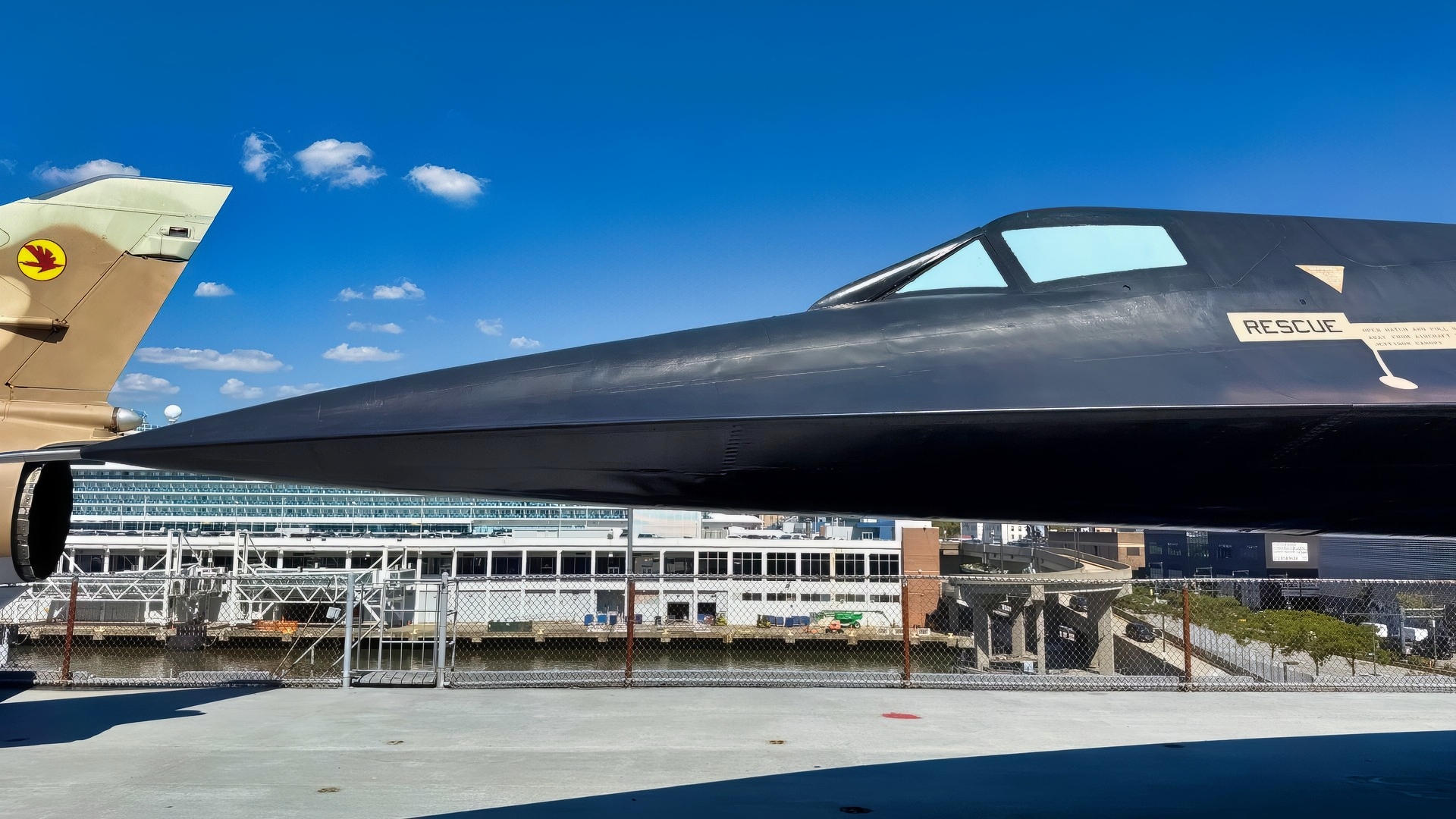
A-12 CIA Spy Plane. Image Credit: National Security Journal.
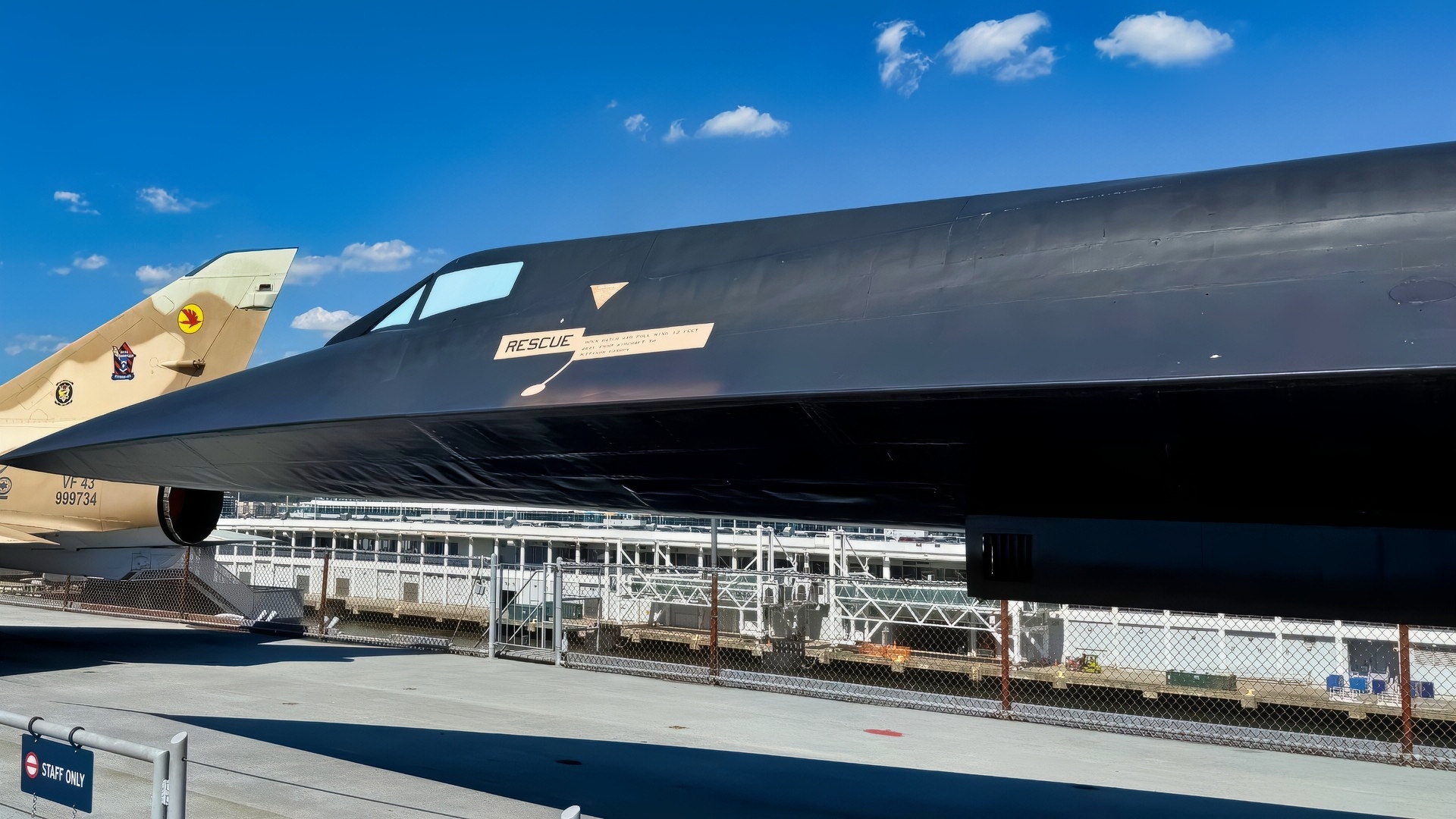
Lockheed A-12 from USS Intrepid. National Security Journal Photo.
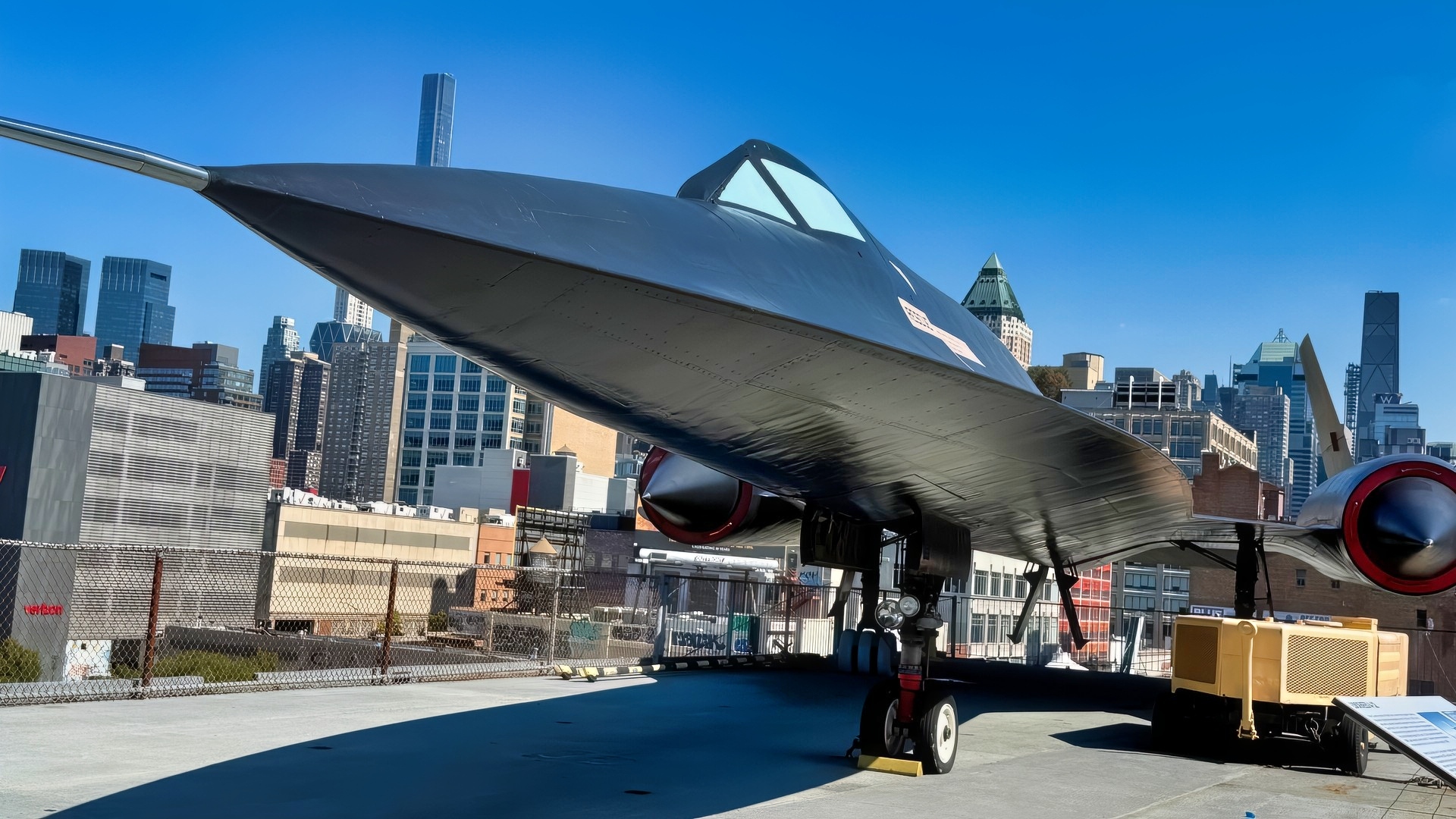
Lockheed A-12 National Security Journal Photo. Taken Onboard USS Intrepid on September 18, 2025.
The aircraft was designed by Lockheed Martin’s Skunkworks division under the leadership of Clarence “Kelly” Johnson. It was originally designed for the CIA as a high-altitude supersonic reconnaissance aircraft. Powered by two Pratt and Whitney J58 engines, the aircraft could reach speeds of up to Mach 3, enabling it to bypass nearly every air defense system at the time thanks to its high speeds.
While the A-12 was still in development, the Air Force expressed interest in the project and requested a variant for interceptor operations.
Designated the AF-12, later the YF-12, this new version featured a redesigned nose to accommodate a Hughes AN/ASG-18 fire-control radar.
The YF-12 was a two-seat aircraft, unlike the single-seat A-12. The extra crew member served as a weapons specialist officer, managing the aircraft’s radar and weapons systems. The YF-12 was armed with AIM-47 Falcon missiles.
The USAF originally wanted to continue the project, but the prolonged war in Vietnam untimatley lead to the YF-12’s retirement before it could ever see combat.
Why NASA Couldn’t Fly the SR-71 But Did So Anyway
While the A-12 was still in development, NASA wanted to conduct test flights to evaluate and improve its control at supersonic speeds. The Air Force transferred its three YF-12’s over to NASA for testing. Of these three, however, two would be lost during test flights.
At this time, the SR-71 Blackbird was in full production. To maintain the aircraft’s secrecy, NASA was prohibited from flying the SR-71 throughout the 70s and 80s. As a loophole, one aircraft was delivered under the designation YF-12C and given the fictitious serial number 60-6937.
This aircraft was actually the second production model of the Blackbird, but given a false designation to maintain the SR-71’s secrecy.
Once the aircraft were delivered to NASA, the agency began a series of rigorous tests to improve the aircraft’s control at supersonic speeds. Earlier versions of the A-12 experienced control issues at high speeds, affecting both the engines and the physical controls.
Wind tunnel experiments at Edwards AFB resulted in new flight controls that resolved most of the aircraft’s problems. Other NASA feedback led to the A-12’s airframe being refined to improve heat transfer at higher Mach numbers. These refinements were later applied to the SR-71, resulting in an aircraft with better controls and more finely optimized for high temperatures at supersonic speed.
The SR-71 Blackbird at NASA During the 1990s
NASA ran tests on the A-12 family of aircraft from 1971 to 1973, when tests were officially concluded. After that point, its YF-12s were retired, and the SR-71 was returned to the Air Force. NASA would not get its hands on another SR-71 until the aircraft was retired from the USAF in 1991.
Two Blackbirds were handed over to the Agency for research and testing purposes. One of NASA’s earliest uses of the SR‑71 was in a detailed study of supersonic and hypersonic aerodynamics. Originally added by Lockheed engineers to improve directional stability, the aircraft’s chines generated substantial lift at high speeds. NASA researchers used flight data from the SR‑71 to create computational models that later influenced stealth aircraft and other advanced fighter designs.
Perhaps the most famous NASA experiment flown aboard the SR‑71 was the Linear Aerospike SR‑71 Experiment, or LASRE, conducted in the late 1990s.
This ambitious project supported NASA’s X‑33 and VentureStar programs, which aimed to develop a single-stage-to-orbit (SSTO) reusable launch vehicle.
The aerospike engine under study was radically different from traditional bell-shaped rockets.
Its truncated linear design promised improved efficiency across a wide range of altitudes. To test this concept in a realistic aerodynamic environment, NASA mounted a full-scale experiment assembly atop an SR‑71 fuselage.
From 1991 to 1999, NASA kept its two Blackbirds flying, running various scientific experiments.
Through these flights, researchers gained a better understanding of supersonic flight metrics, sonic boom mitigation technologies, and heat distribution. Eventually, however, the program was ended due to high costs and shifting priorities.
The last models were donated to museums, where they remain to this day.
About the Author: Isaac Seitz
Isaac Seitz, a Defense Columnist, graduated from Patrick Henry College’s Strategic Intelligence and National Security program. He has also studied Russian at Middlebury Language Schools and has worked as an intelligence Analyst in the private sector.


