
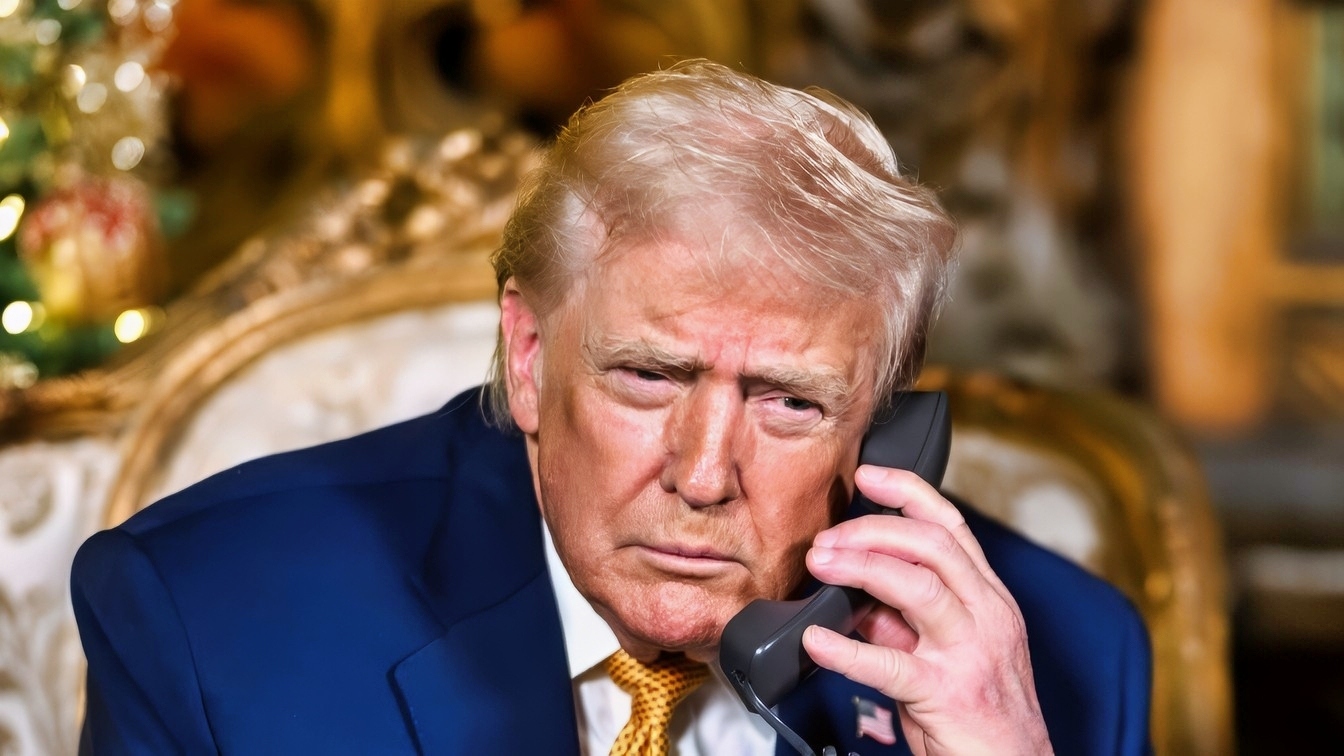
JD Vance Sends Letter to Iran to Resume Peace Talks – Vice President JD Vance has reportedly sent a letter to a senior Iranian official in an effort to revive negotiations between the United States and Iran to end the eight-month conflict.
The letter to Mohsen Rezaei, secretary of Iran’s Supreme National Security Council, comes as Washington considers renewed military action after Tuesday’s midterm elections.
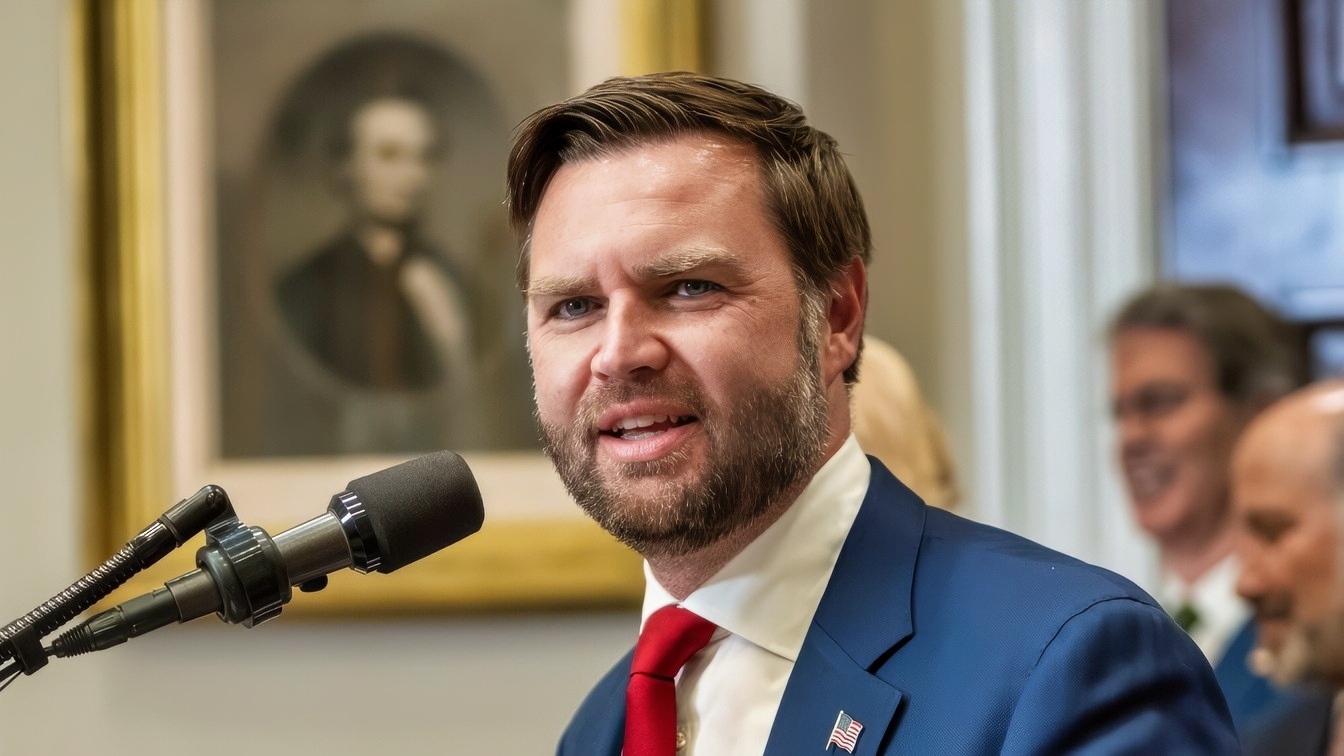
Vice President JD Vance gives remarks at a Sports Council announcement, Thursday, July 31, 2025, in the Roosevelt Room of the White House. (White House Intern Photo by Julian Casciano)
Negotiations stalled after Iran rejected a U.S. response to its proposal to end the conflict earlier this month.
A Letter Via Qatar
The New York Times reported that Vance’s letter was delivered through Qatari intermediaries on Sunday, which cited American and Iranian officials familiar with the issue.
The newspaper reported that Vance proposed direct talks and offered to lead the American delegation. No date or location had been fixed, although officials identified Qatar and Turkey as possible locations.
President Donald Trump subsequently downplayed the idea of peace talks, telling reporters: “They need help with medical supplies and various things. [Vance] asked me what I thought. I said, ‘If you want to do that, that’s OK.’”
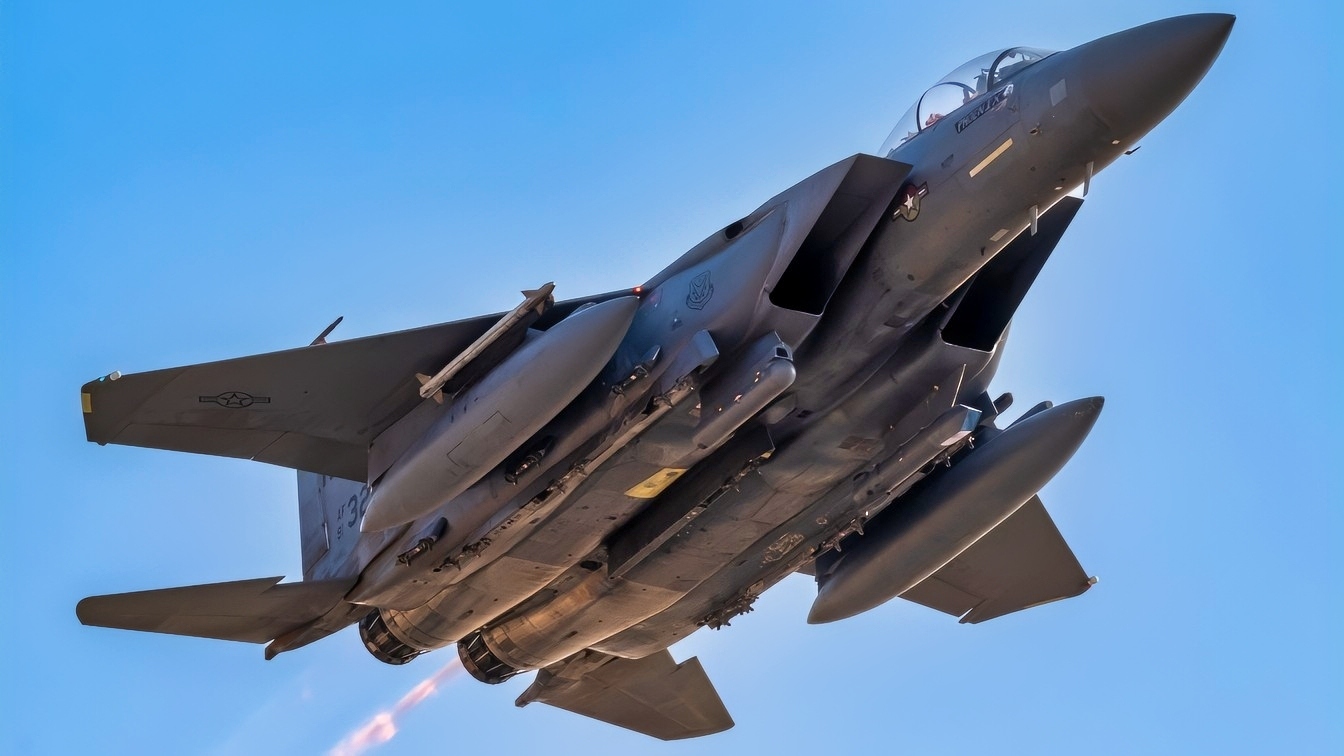
A U.S. Air Force F-15E Strike Eagle aircraft soars through the air during exercise Marauder Shield 26.1 within the U.S. Central Command area of responsibility, Nov. 11, 2025. Marauder Shield 26.1 emphasized a coordinated response to the growing threat of unmanned aerial systems. The exercise featured advanced counter-Unmanned Aircraft Systems integration between the U.S. and Kuwaiti forces, bolstering regional security and demonstrating a commitment to collaborative defense.
(U.S. Air Force photo by Staff Sgt. Tylin Rust)
Vance is considered one of Washington’s biggest skeptics of the conflict, reportedly opposing military action before Operation Epic Fury began at the end of February. He is reportedly more trusted by Tehran than other U.S. officials and played a leading role in a temporary ceasefire the two warring nations signed in June.
Nuclear Issue
The letter is believed to stress that Washington’s key objective is to prevent Iran from obtaining a nuclear weapon, while recognizing Tehran’s interests in rebuilding its economy and preserving its national sovereignty.
Vance also told Iran that it needed to appoint representatives authorized to negotiate over its nuclear program.
Iran’s pursuit of a nuclear weapon has been a key justification for President Trump ever since the war began.
It has increasingly been used in the lead-up to next week’s midterm elections as Trump tries to convince a frustrated electorate that rising living costs are a pain worth bearing.
According to the Washington Post, the White House considers Rezaei an important contact as a former commander of the influential Islamic Revolutionary Guard Corps (IRGC). He also has access to Iranian Supreme Leader Mojtaba Khamenei, who has not been seen since he was injured in U.S.-Israeli strikes on the opening day of the war.
Tensions Growing
The letter comes amid growing concerns that the Trump administration may be preparing to launch a renewed bombing campaign after Tuesday’s midterm elections.
President Trump has openly raised a possible return to full-scale military action in recent weeks, while U.S. officials have, according to the Associated Press, warned Middle Eastern allies to prepare for a potential campaign next month and subsequent retaliation by Iran.
U.S. Central Command chief Adm. Brad Cooper met with the president and Defense Secretary Pete Hegseth on Thursday, October 29, and presented options for potential strikes in a rare face-to-face meeting.
Iran Pursuing Diplomacy
Less than 24 hours earlier, Iranian Foreign Minister Abbas Araghchi said Tehran “continues to give diplomacy a chance to succeed” in a social media post.
Araghchi also referred to a proposal Iran presented to the Trump administration last month to end the war. Trump later told reporters he had rejected the deal, and U.S. Ambassador to the U.N. Mike Waltz told NBC News that the U.S. could not permit Iran “to have access to billions in frozen funds.”
The U.S. sent a response to Tehran, which Rezaei said was “insufficient.”
“About two weeks ago, we communicated seven conditions to the Americans, stating explicitly that until these conditions are met, the Strait of Hormuz will not be opened to them, and no negotiations will take place,” Rezaei told state media. “The Americans have now responded. While they have accepted some of our conditions, others remain unresolved.”
Yesterday, Iran rejected a Qatar-mediated deal to end the conflict. It set a seven-day timeline in which trust would gradually increase between Washington and Tehran, with the U.S. also making concessions before Iran opened the Strait of Hormuz.
According to Reuters, a senior Iranian official connected to the talks with Qatar said the proposal only presented “unacceptable ideas and not an offer,” and that Iran’s policy on the nuclear issue remains unchanged.
About the Author: Shay Bottomley
Shay Bottomley is a British journalist. He has written for the Western Standard, Business Insider, Maidenhead Advertiser, Slough Express, Windsor Express, Berkshire Live and Southend Echo.