
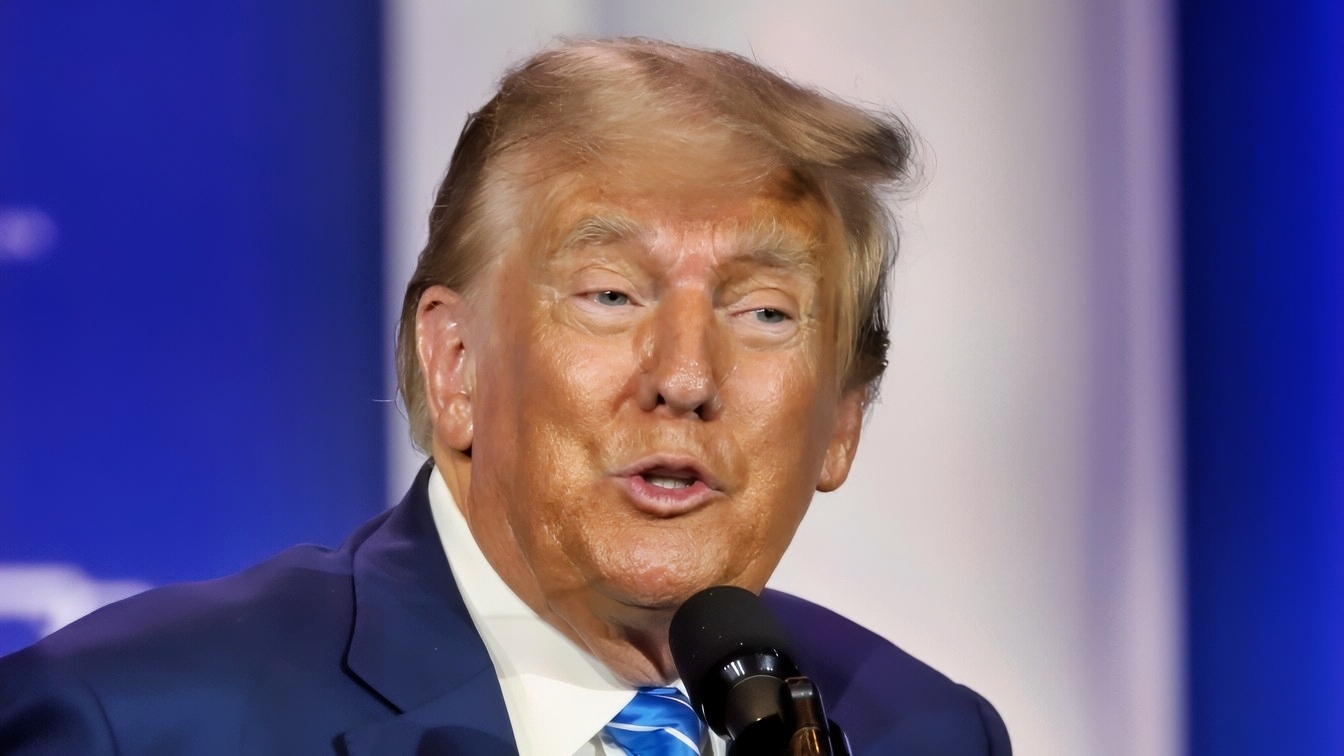
President Donald Trump has accused Iran of deliberately delaying negotiations to end the Iran War, which has passed its eighth month, until after the November 3 midterm elections.
The president warned that Tehran is waiting for the results, but that the regime’s negotiating position will remain unchanged regardless of what happens.
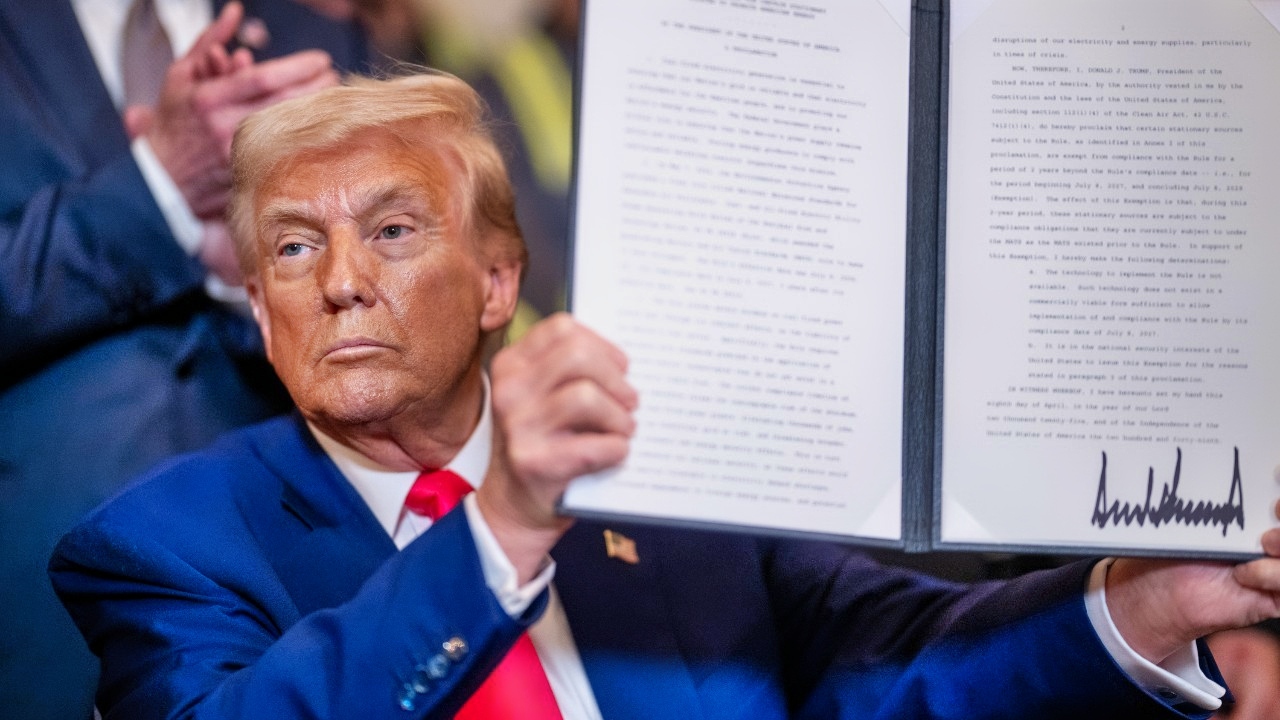
President Donald Trump signs executive actions to support the coal industry at an Unleashing American Energy Executive Order event, Tuesday, April 8, 2025, in the East Room of the White House. (Official White House Photo by Daniel Torok)
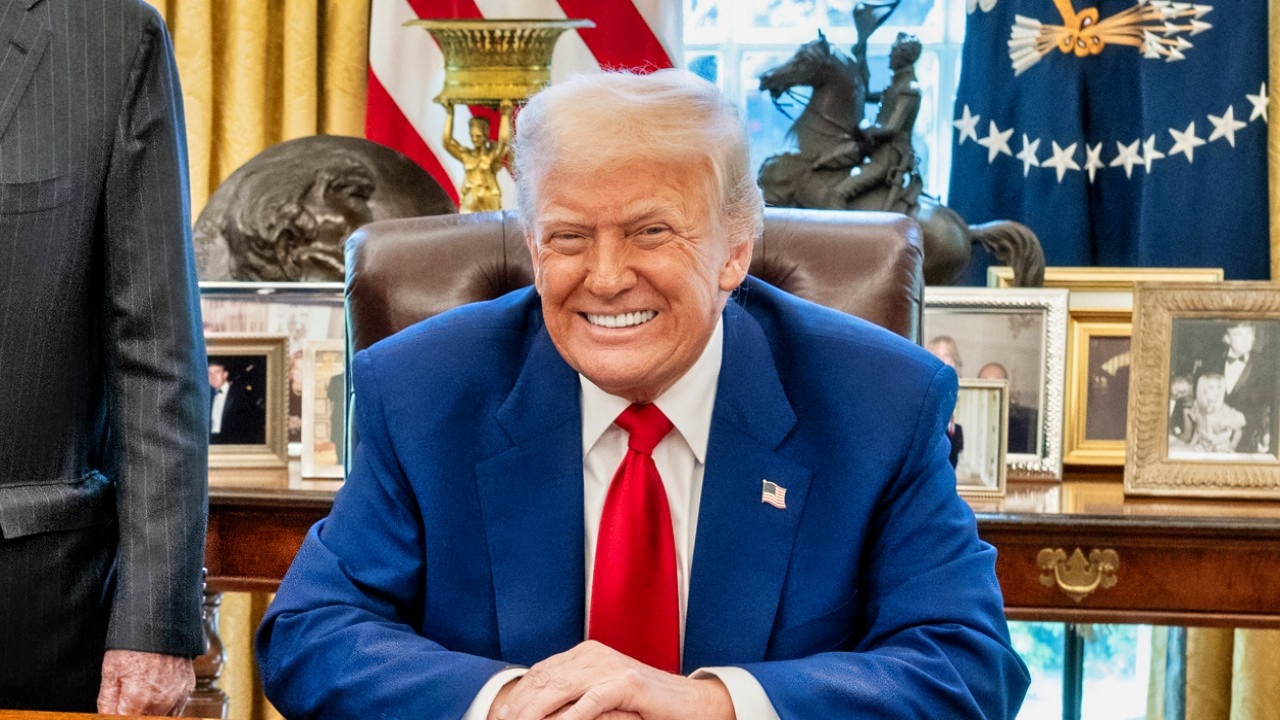
Donald Trump. Image Credit: White House Flickr.
Speaking to supporters at a campaign rally in Lubbock, Texas, on October 27, President Trump claimed that Iranian leaders want an agreement but are deliberately delaying the discussions.
His comments also come as Washington prepares to resume military strikes against Iran some time shortly after the elections, with U.S. officials reportedly warning allies in the Gulf to prepare for a short and intense campaign against Iranian infrastructure — and possible Iranian retaliation.
Meanwhile, diplomatic efforts to end the war continue.
Vice President JD Vance reportedly contacted Iran’s national security leadership to propose new negotiations, and Iranian Foreign Minister Abbas Araghchi also confirmed on October 28 that Tehran is still in contact with mediators over a proposed seven-day plan to reduce hostilities – a deal that Iran has since whittled down to five days. But Washington still isn’t biting.
Does Iran Want to Deny Trump A Victory?
It has been widely understood for some time that Iranian leadership is looking to use President Trump’s vulnerability in the upcoming elections, in which his party is set to lose control of Congress, as leverage.
On October 20, Reuters reported that three senior Iranian officials and one other unnamed source familiar with Tehran’s thinking said that the government was intentionally prolonging the negotiations to weaken Trump politically. Previously, Iranian officials have even publicly suggested that they intend to defeat “Trumpism,” and the Islamic Revolutionary Guard Corps (IRGC) even published an open letter to U.S. voters encouraging them to oppose the war.
According to one official who spoke to Reuters, Iran is more focused on preparing for additional American and Israeli strikes than it is on securing an immediate peace deal.
“The clerical establishment is determined not to give Trump a political victory,” the source said.
Analyst Saeed Leylaz has also suggested that extending the negotiating process could influence the elections without Iran directly interfering in America’s political process.
The strategy reflects Tehran’s calculation that if Republicans lose control of Congress, it would weaken President Trump’s domestic political position and subject him to greater checks from his political opponents in Congress.
And, therefore, it could force Washington to negotiate and consider more favorable terms for Tehran.
But listening to Trump, it’s clear that even a Democratic victory would not be sufficient to force President Trump to give up his demands for Iran to end its nuclear ambitions.
Vance’s New Proposal
On October 29, reports said Vice President JD Vance sent a letter to Mohsen Rezaei, the secretary of Iran’s Supreme National Security Council and a former commander of the IRGC.
The letter was reportedly delivered via intermediaries from Qatar on Sunday. In it, Vance reportedly proposed direct negotiations next week in either Qatar or Turkey.
Vance reportedly offered to personally lead the American delegation, as he did during the last round of negotiations.
Per Axios, the vice president also told Iranian officials that any renewed negotiations would have to include the nuclear issue—something Iranian officials have repeatedly refused to discuss until after Washington makes major concessions.
The decision to contact Rezaei directly is interesting — and significant — because of his influence over Iran’s military and the most hard-line members of the regime.
According to The New York Times, Iranian leaders have already responded positively to the proposal, although they have not publicly accepted the invitation.
President Trump, meanwhile, continues to characterize communication between the two sides differently, telling reporters on October 28 that Vance was primarily discussing the provision of medical supplies to Iran and nothing else.
Iran’s Seven-Day Proposal Remains
Iran’s own proposal remains on the table, too. Iran presented a seven-day proposal through Qatari mediators in September—a deal under which the Strait of Hormuz would open, and negotiations would resume if Washington met several conditions.
Under the plan, the United States would be given five days to end hostilities and lift its blockade of Iranian ports.
Washington would also have to ease restrictions on Iranian oil exports and release frozen Iranian assets held by overseas institutions.
Then, on the sixth day, Iran would open the Strait of Hormuz, and negotiations would resume on the seventh day.
Trump has rejected the proposal, insisting that Iran first make concessions — including on its nuclear program.
On October 28, Iranian Foreign Minister Abbas Araghchi said Iran was exploring ways to implement the agreement in less than a week. Still, the proposed timetable reduction has not changed Washington’s mind.
About the Author: Jack Buckby
Jack Buckby is a British researcher and analyst specializing in defense and national security, based in New York. His work focuses on military capability, procurement, and strategic competition, and he produces and edits analysis for policy and defense audiences. He brings extensive editorial experience, with a career output spanning over 1,000 articles at National Security Journal, and has previously authored books and papers on extremism and deradicalization.


