

An oil tanker in the Gulf reportedly came under fire from “multiple projectiles,” the United Kingdom Maritime Trade Operations reported.
The attack also caused casualties, and the tanker was identified as the Acers, which flies the Antigua and Barbuda flag.
War in Iran Causing Heightened Attacks

U.S. Navy Diagram. Image Credit: Creative Commons.
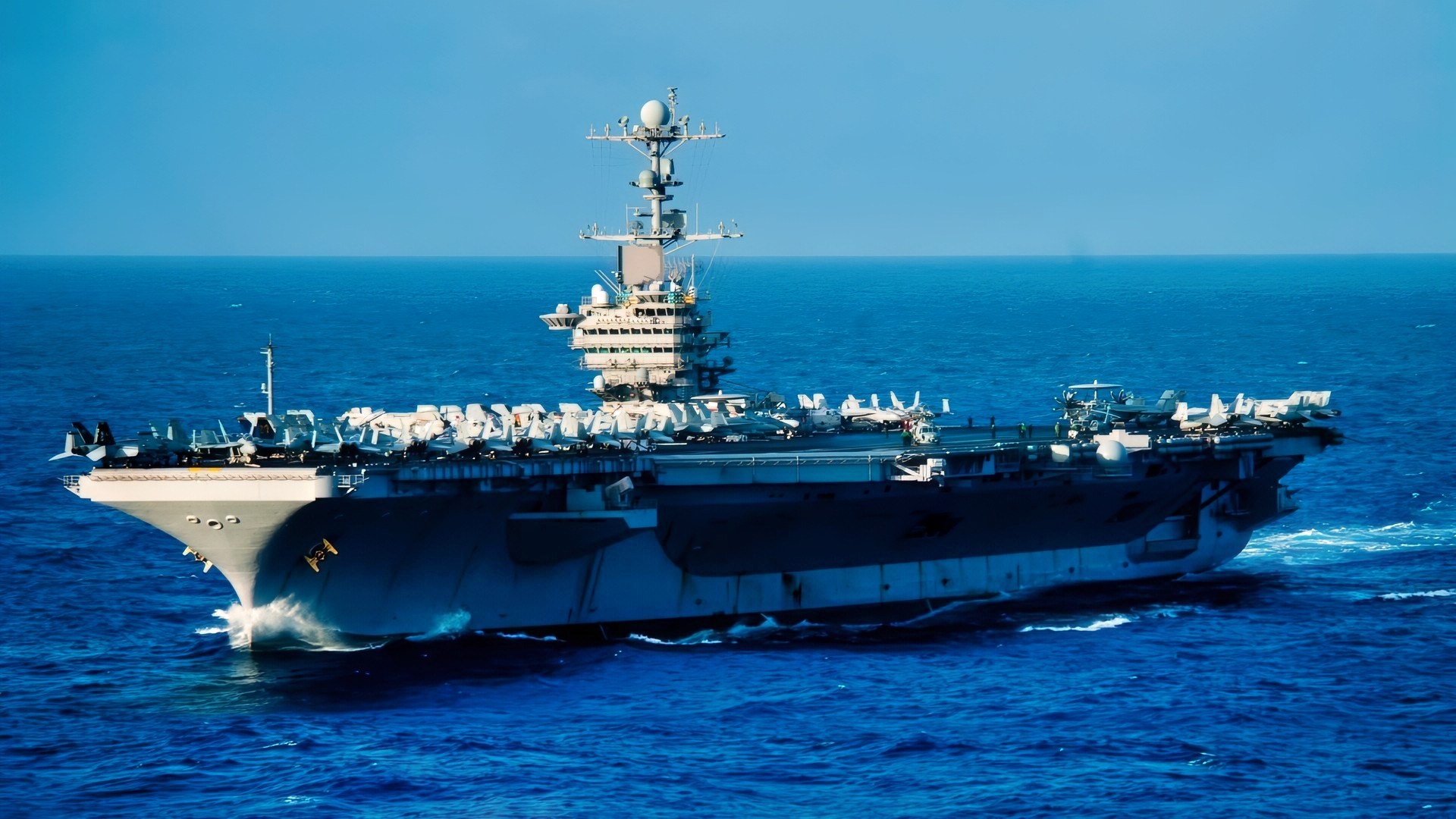
PACIFIC OCEAN (Feb. 9, 2012) The Nimitz-class aircraft carrier USS John C. Stennis (CVN 74) transits the Pacific Ocean. John C. Stennis is operating in the U.S. 7th Fleet area of responsibility while on a seven-month deployment. (U.S. Navy photo by Mass Communication Specialist 3rd Class Kenneth Abbate/Released)
The war in Iran has seen Tehran respond by attacking merchant vessels in the Strait of Hormuz, as Iran continues to hold the Strait of Hormuz in a chokehold and threaten vessels that try to circumvent the strait’s closure.
The United Nations’ International Maritime Organization (IMO) reported that at least 24 seafarers have lost their lives in close to 100 confirmed incidents, with a recent incident occurring on September 9, when the El Gaia – which flies under the flag of Panama – was attacked, killing two sailors.
The attack occurred at the Strait of Hormuz, north of Oman’s Musandam peninsula.
The heightened attacks have also caused risk payouts for oil vessel captains to skyrocket, with reports putting a captain’s monthly income at roughly $100,000, plus a $50,000 bonus for each successful crossing.
Attacks Deep Into the Gulf Are Rare
According to Vanguard, a maritime intelligence agency, attacks this far into the Gulf, such as the projectile strike on the Acers that happened 51 nautical miles from Qatar’s Madinat al-Shamal, are rare.
The area where the attack occurred still falls within Qatar’s economic zone, but the Middle Eastern state has not issued any comments on the attack as of press time.
Sources did indicate, however, that the vessel was laden with cargo and was headed to the Strait of Hormuz when it was attacked.
As of press time, authorities have not identified the party responsible for the attack, but agencies are investigating to determine the culprit.
No Light in Sight as US-Iran Deal Fails
The attacks come as US President Donald Trump rejected the most recent deal proposal with Iran, saying he deemed the agreement’s provisions unsatisfactory.
Reports also indicate that the president was considering the resumption of intense military operations against Iran, in a seeming effort to push Tehran to be more amenable to deal stipulations that favor US interests.
Trump has said that Iran’s military is on its last legs and that the Islamic state has little to no remaining bargaining power. However, on Thursday, October 8, the president ruled out possible strikes.
There is no definitive date as to when the US will begin heightened attacks against Iran, if it does at all. Still, the Pentagon has already directed US Central Command to finalize preparations for a stronger offensive.
Republicans Calling for Cessation of Hostilities
Trump is under pressure to put a stopper on the war and end hostilities, as the continued conflict has caused gas prices in the US to reach historic highs. With the midterm elections looming, voters dissatisfied with the war’s progress so far may cost Republicans their majority in both the House and the Senate.
While the president has promised that gas prices were guaranteed to “drop like a rock” once the war in Iran ends, people from within the Republican Party itself are starting to speak up and voice opposition to the conflict.
Iowa Representative Zach Nunn, a US Air Force veteran running for re-election, said in a statement that he would no longer support “another open-ended war.” Another Republican representative from Iowa up for re-election, Mariannette Miller-Meeks, who is also a military veteran, said that she would vote against continuing the war in Iran, saying that the cost to Iowans was “too much” to pay.
Going All-In for a Win?
If the president takes decisive action in the coming days and weeks, Republicans could see it as a victory as voters head to the polls to make their voices heard, but only if Iran responds with concessions.
If pump prices do start to ease as a result, “It would make the president look like he got a win and that gas prices would start going down,” sources within the Republican Party said.
The likelihood of an Iranian response, which could include attacks on regional energy and oil infrastructure, also means that launching new strikes would be hugely risky for Washington.
About the Author: Tim Ramos
Tim Ramos has written for various publications, corporations, and organizations, covering everything from finance and politics to travel, entertainment, and sports, in Asia and the U.S. for more than 10 years.