
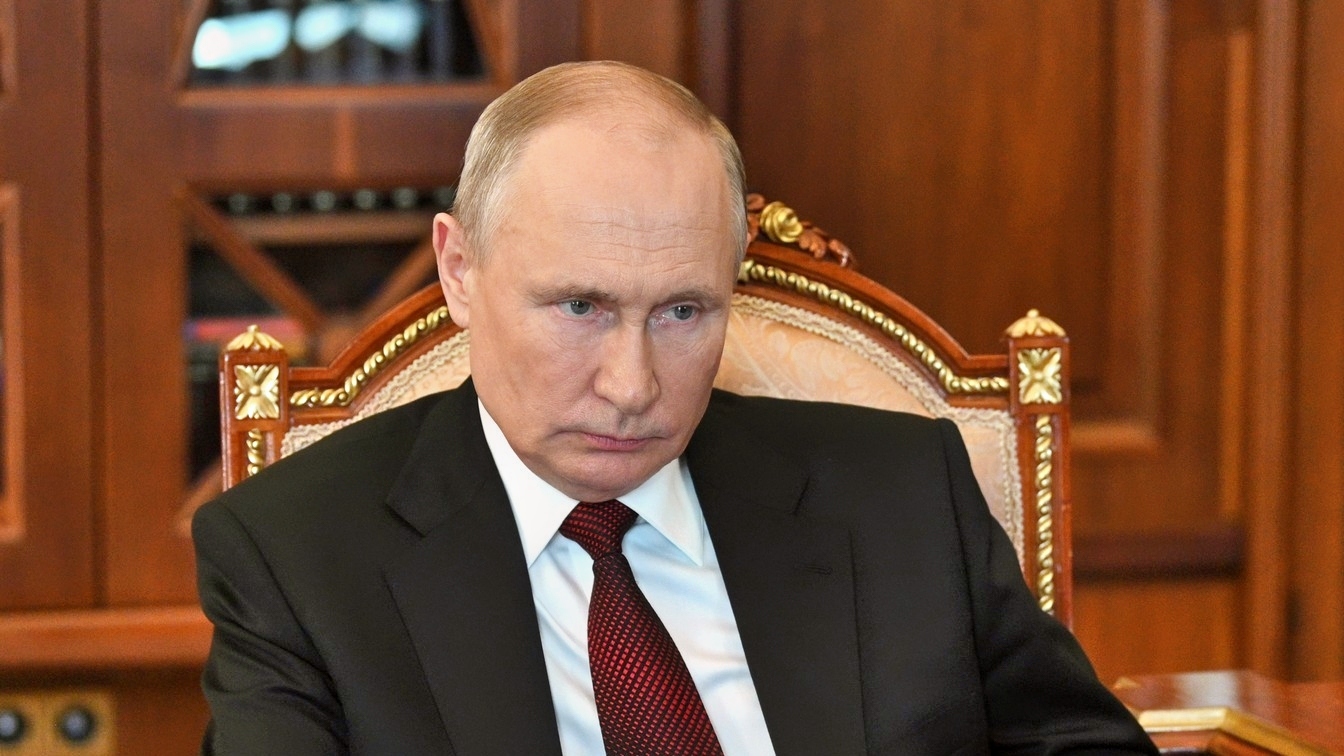
For four and a half years, Russia has waged a full-scale invasion against Ukraine, targeting anything and everything that stands in its way.
The conflict has seldom been confined to the battlefields.
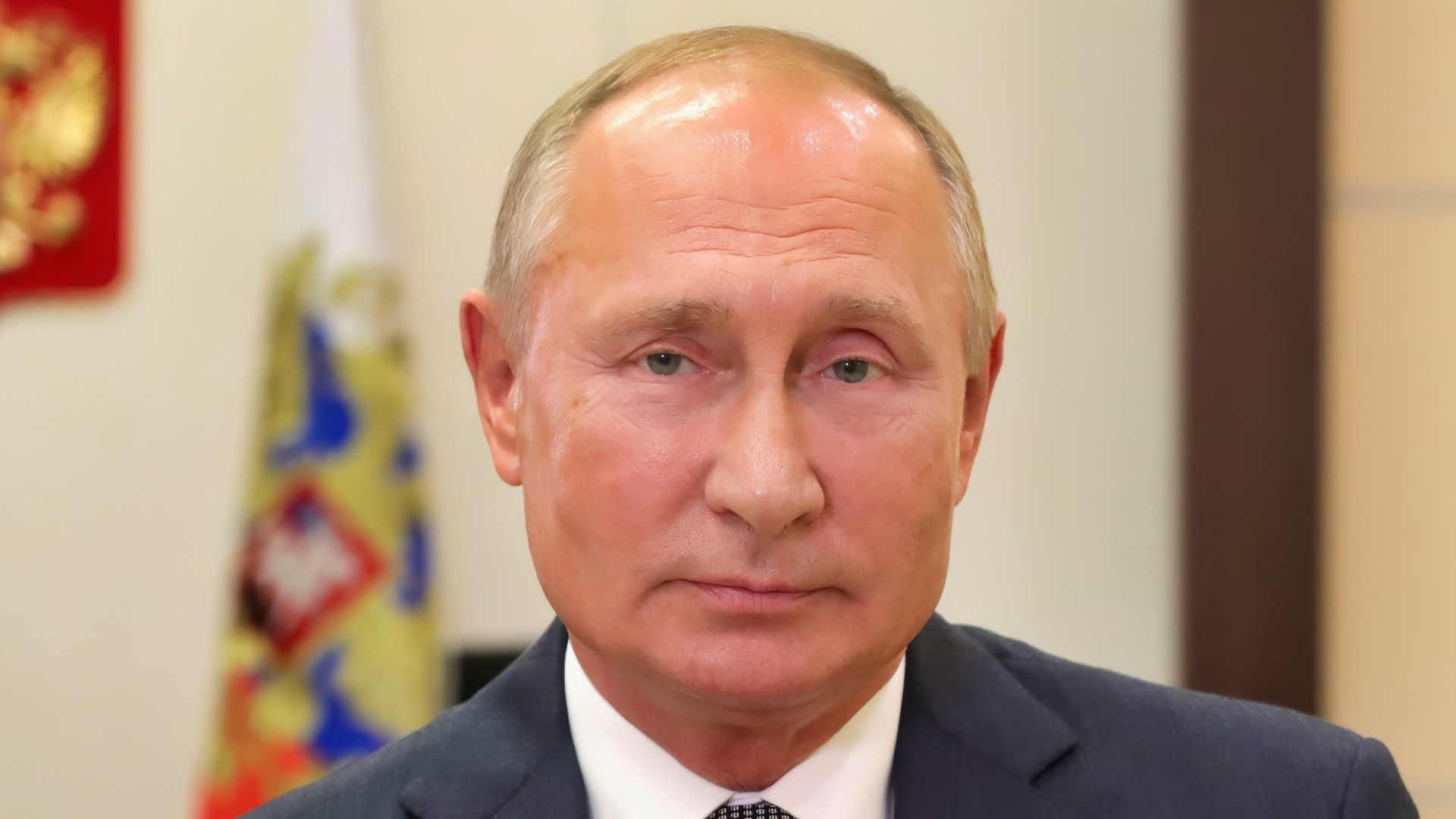
Putin Back in 2020. Image Credit: Creative Commons.

Putin in 2019. Image Credit: Creative Commons.
Tanks have been targeted as much as trains, and soldiers as much as schools, as Russia depletes its full arsenal to win a war that many initially predicted would last a matter of days.
This form of warfare is nothing new in Moscow’s invasion.
Yet now that the conflict has surpassed the duration of the First World War, Russia is being forced to shift its military strategy toward economic measures.
Incremental Gains
The truth remains that Russia’s invasion has been a disaster.
The conflict is more than halfway through its fifth year, and Moscow still does not control the one region it set out to “liberate” in February 2022.
It’s making gains in Ukraine’s east, but at a rate that means it’s not projected to take Donetsk Oblast until October 2032.
Targets, therefore, have long been extended well beyond the frontline.
Every winter since the invasion began, Russia has decimated Ukraine’s energy infrastructure, plunging the country into darkness without heating during the cold, long nights of the Ukrainian winter.
Despite this, Ukrainian morale remains strong, and days without power have become an all-too-familiar routine for much of the population.
Unable to win on the battlefield or break Ukrainian morale, Russia has set its sights on a new target: the economy.
Striking the Wallet
Russia has shifted its strategy to make the conflict unaffordable for Kyiv.
Online warehouses have been targeted, resulting in goods that can no longer be sold being destroyed.
Ports have been bombarded, hampering Ukraine’s ability to export wheat and grain.
In recent days, attackers have targeted internet services, leaving businesses and remote workers unable to connect.
This persistent economic campaign has left Kyiv with a budget shortfall of $27 billion budget shortfall, and President Volodymyr Zelensky has had to ask European allies for further support just months after the European Union approved a loan of more than $100 billion.
In turn, a small but growing number of right-wing parties across the continent are questioning whether such funds should continually be sent abroad.
Through lost sales, disrupted workdays, and logistical headaches, Russia’s economic campaign will cost Ukraine about $10 billion by the end of the year.
Shifting Targets
The Ukrainian economy is still growing after contracting approximately 20% in the first year of Russia’s invasion.
Investment in defense technology and renewable energy that’s less vulnerable to Russian damage has bolstered the economy. Foreign aid has also offset trade disruptions.
However, Russia’s targets are constantly shifting, as is the method of delivery.
What were once nightly attacks have become smaller, far more frequent daytime strikes, forcing Ukrainians in major cities to spend much of their day-to-day life underground.
Air raid alerts bring parts of the country to a seemingly never-ending standstill, with businesses (and therefore, the government tax revenue) suffering as a result.
Ukrainian exports remain under pressure, with Russia increasingly striking locomotives at a rate of one per day.
Seasonal considerations have also played a role in Moscow’s attack, with grain silos targeted around the annual harvest, forcing farmers to default on loans and thereby impacting the banking sector.
Russia Is In Trouble
Companies are now being forced to rethink their operations.
Underground bunkers are becoming more common across the country, while businesses are considering just-in-time models, distributed storage, or their own bunkers.
Bunker building has become an industry, with one company, Bunkerok, installing a new bunker every other day despite only being three years old.
Kyiv has also taken matters into its own hands, retaliating against similar targets across its aggressor’s territory.
Oil refineries have been bombarded by Ukrainian drones, with only those in Russia’s east avoiding attack so far.
As a result, the conflict has stretched beyond Ukraine’s borders.
Fuel shortages have led to long queues across Russia, and the Kremlin has been forced to limit exports (reducing trade revenue) to protect domestic supply.
Online warehouses have also been targeted, disrupting supply chains.
The cost of the conflict has grown to a point where Russia has been forced to sacrifice civilian expenditure in favor of funding the war effort, with the population itself asked to foot the bill for the ever-increasing budget deficit.
About the Author: Shay Bottomley
Shay Bottomley is a British journalist. He has written for the Western Standard, Business Insider, Maidenhead Advertiser, Slough Express, Windsor Express, Berkshire Live and Southend Echo.