
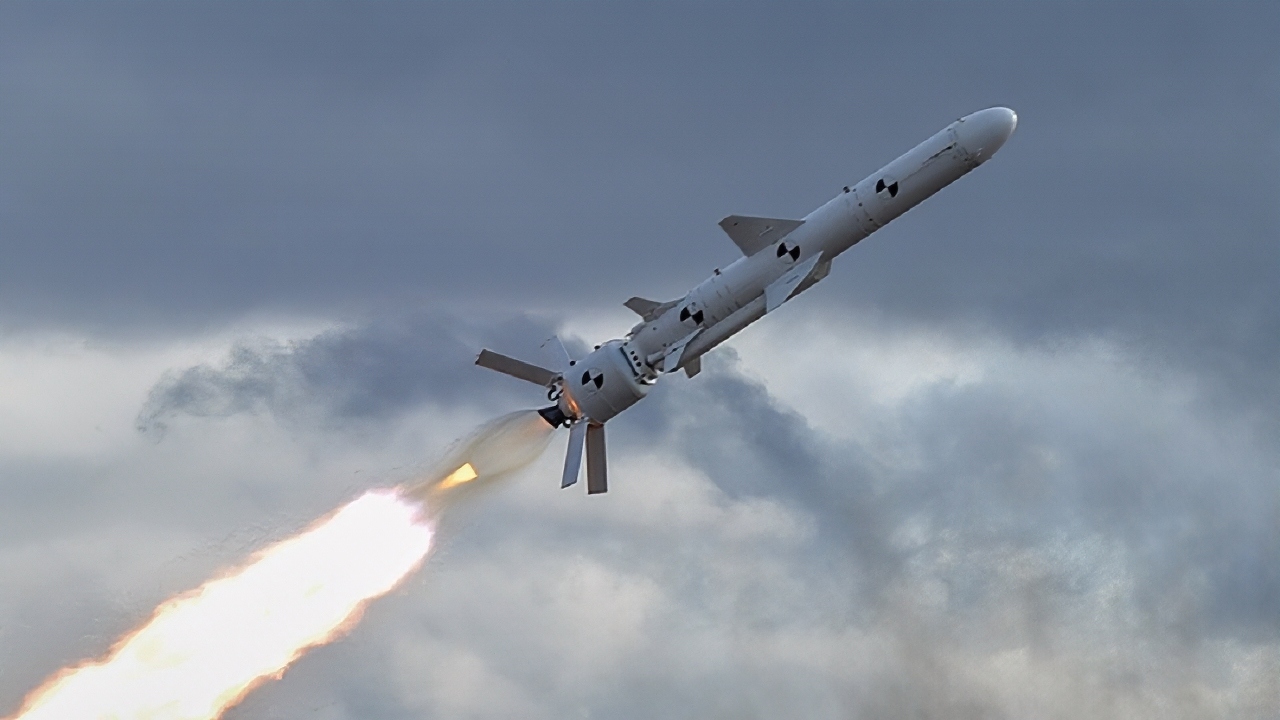
As part of a string of other recent long-range strikes, Ukraine launched one of its most extensive campaigns on June 10, targeting military and industrial facilities and energy infrastructure hundreds of miles from the front line using domestically manufactured missiles and attack drones.
The latest round of attacks saw targets in the Chuvash Republic, Samara, and other regions severely damaged, and proved that Ukraine has no intention of slowing down its drone campaign.
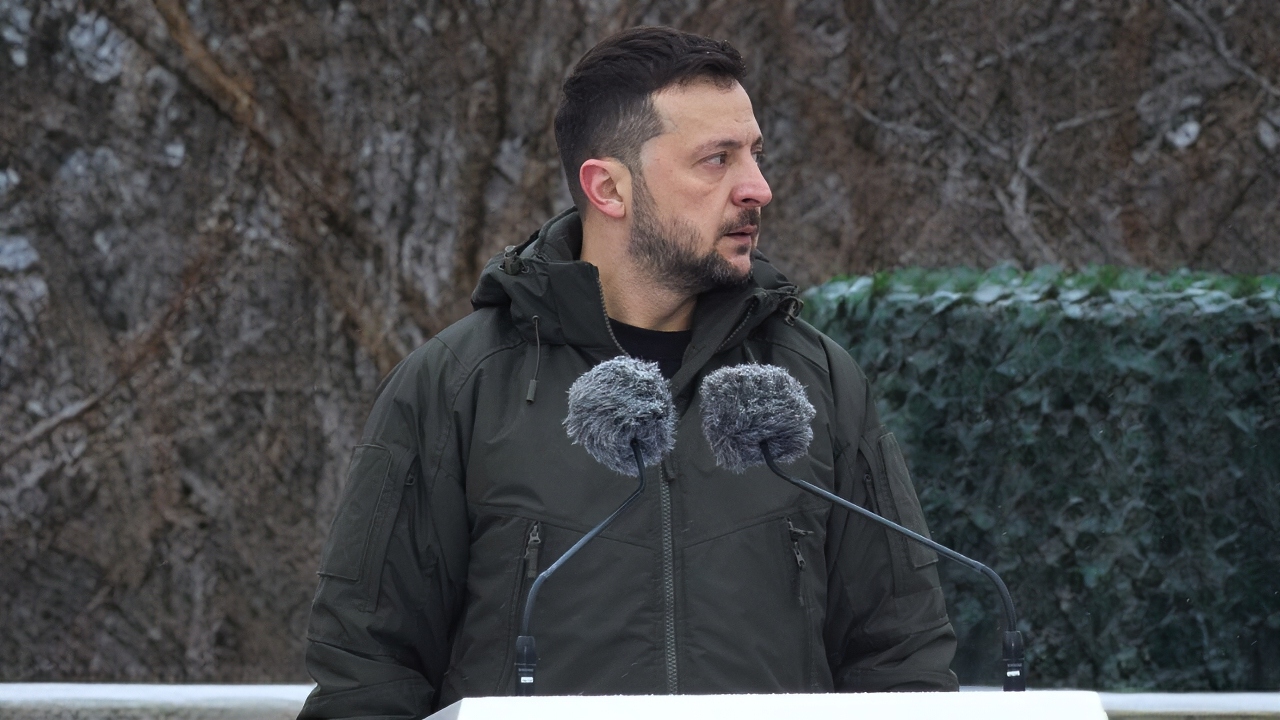
Image Credit: Office the the President, Ukraine.
Ukrainian President Volodymyr Zelenskyy confirmed that Ukrainian forces struck military and energy infrastructure facilities overnight and said that the attacks were a response to Russia’s recent bombardment of Ukrainian cities with long-range missiles and drones.
Those attacks themselves have been described by Moscow as retaliation for Ukraine’s growing drone bombardment of Russia. Not for the first time, Zelenskyy also described the strikes as “long-range sanctions against Russian military facilities and the oil industry.”
Ukraine’s Flamingo Missiles Inflict Huge Damage
Among the most significant targets struck overnight was the VNIIR-Progress facility in Cheboksary, which is located over 900 kilometers away from Ukrainian-controlled territory.
In an X post, Zelenskyy described how the plant was struck by a Ukrainian FP-5 Flamingo missile. The plant that was hit in the strike was described as producing components used in Russian drone and missile manufacturing.
“In particular, last night, Ukrainian FP-5 Flamingos struck a military plant in Cheboksary that supplies the occupier’s army with components for drones and missiles.
I thank the Armed Forces of Ukraine for their precision! The Kuibyshev oil refinery in the Samara region was also hit last night. The distance from the frontline is more than 900 kilometers,” Zelenskyy wrote.
“I am grateful to the warriors of the Special Operations Forces, the Unmanned Systems Forces, and the Defense Intelligence of Ukraine.
The entire joint response of the Security Service of Ukraine also reached two oil infrastructure facilities in the Vladimir region, located 700 kilometers away. I thank everyone who fights and works for Ukraine!” the post continued.
The governor of Russia’s Chuvash Republic, Oleg Nikolayev, confirmed that the strikes occurred overnight, and Russian outlets also reported that the VNIIR-Progress plant was hit.
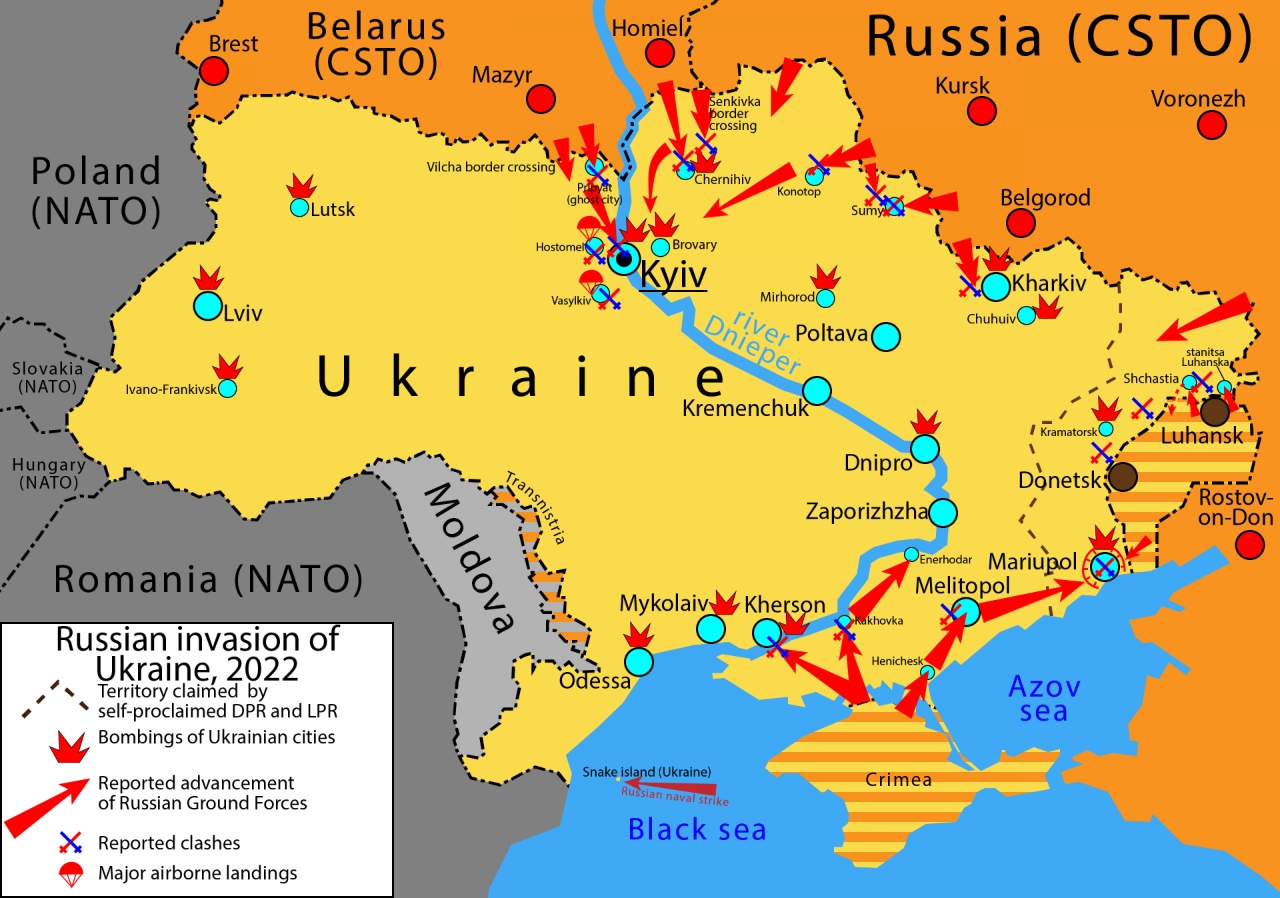
Ukraine War Map. Image Credit: Creative Commons.
The strike proved that Ukraine is not only making significant advancements in terms of its drone capabilities, both in terms of technology and output, but also in its burgeoning missile industry.
The FP-5 Flamingo has been used in attacks that have struck targets more than 1,000 kilometers inside Russia and is quickly being seen as Kyiv’s solution to long-standing Western restrictions on long-range weapon exports.
Samara Refinery Fire Adds Pressure to Russian Energy Sector
Ukrainian drones also targeted the Samara region of Russia, which is home to some of the most important refining assets in the country.
Samara Governor Vyacheslav Fedorishchev confirmed on June 10 that drone attacks had damaged “several industrial enterprises” and injured three people, but the facilities involved were not confirmed in the statement.
Eyewitness footage analyzed by ASTRA indicated that the Kuibyshev oil refinery was struck and subsequently caught fire. The facility is one of the largest oil processing facilities in the region and has been the target of multiple Ukrainian attacks so far.
Fuel Infrastructure Under Sustained Attack
The strikes follow weeks of similar attacks by Ukrainian drones and missiles targeting Russia’s fuel network. Earlier in June, Ukrainian forces targeted oil facilities in Crimea and southern Russia.

T-90 Tank from Ukraine War. Image Credit: Creative Commons.
The problem is becoming difficult for Moscow to ignore, and on June 8, Kremlin spokesman Dmitry Peskov publicly acknowledged that Russia was now dealing with “certain problems” connected to its fuel distribution.
However, he also attempted to attribute some of the problems to consumer demand rather than a restriction on supplies.
Following Ukrainian strikes, occupied Crimea has implemented additional fuel rationing measures, restricting existing coupon holders to 20 liters per transaction and halting the issuance of new coupons.
Multiple reports have described long lines at gas stations across the region.
How Ukraine Is Doing It
Ukraine is sustaining these attacks thanks to its rapidly expanding domestic strike arsenal and drone manufacturing industry.
The FP-5 Flamingo missile used in the most recent strikes is one of the newest long-range precision weapons developed by Ukraine and appears to be an indigenous alternative to Western-supplied long-range munitions.
It is capable of striking targets hundreds of miles inside Russia without relying on any Western-supplied equipment. Few technical details have been released, but the drone has already been linked to some of the most devastating attacks on Russian facilities during the war.
The Flamingo also operates alongside a large fleet of new Ukrainian-made long-range drones.
Ukraine is known to have modified Lyutyi attack drones, which resemble small cruise missiles and are said to have a range exceeding 1,000 kilometers. Those drones have been used to strike both oil refineries and military facilities.
The Bober, or “Beaver,” drone has also been used to strike targets in western Russia and Moscow.
About the Author: Jack Buckby
Jack Buckby is a British researcher and analyst specializing in defense and national security, based in New York. His work focuses on military capability, procurement, and strategic competition, producing and editing analysis for policy and defense audiences. He brings extensive editorial experience, with a career output spanning over 1,000 articles at 19FortyFive and National Security Journal, and has previously authored books and papers on extremism and deradicalization.


