


For more than a week, Iran and Oman have been in talks to develop a framework for governing the Strait of Hormuz. However, there has still been no word of a deal. And now, according to CNBC, belligerence is continuing.
Iran’s Persian Gulf Strait Authority said on Thursday that “the Strait of Hormuz remains blocked and will not be reopened until Iran’s conditions are accepted.”
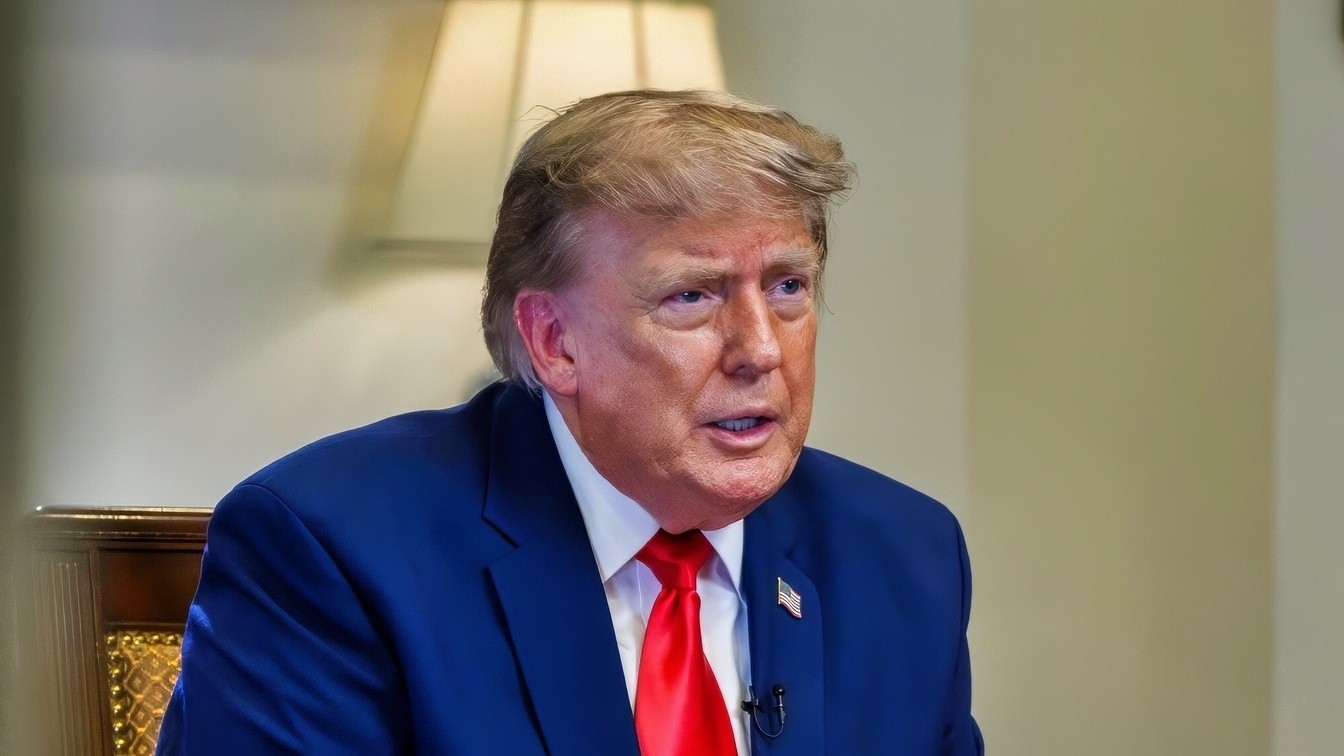
President Donald J. Trump participates in an interview with Trey Yingst, foreign correspondent for Fox New, in the Roosevelt Room of the White House, Tuesday, July 14, 2026. (Official White House Photo by Joyce Boghosian)
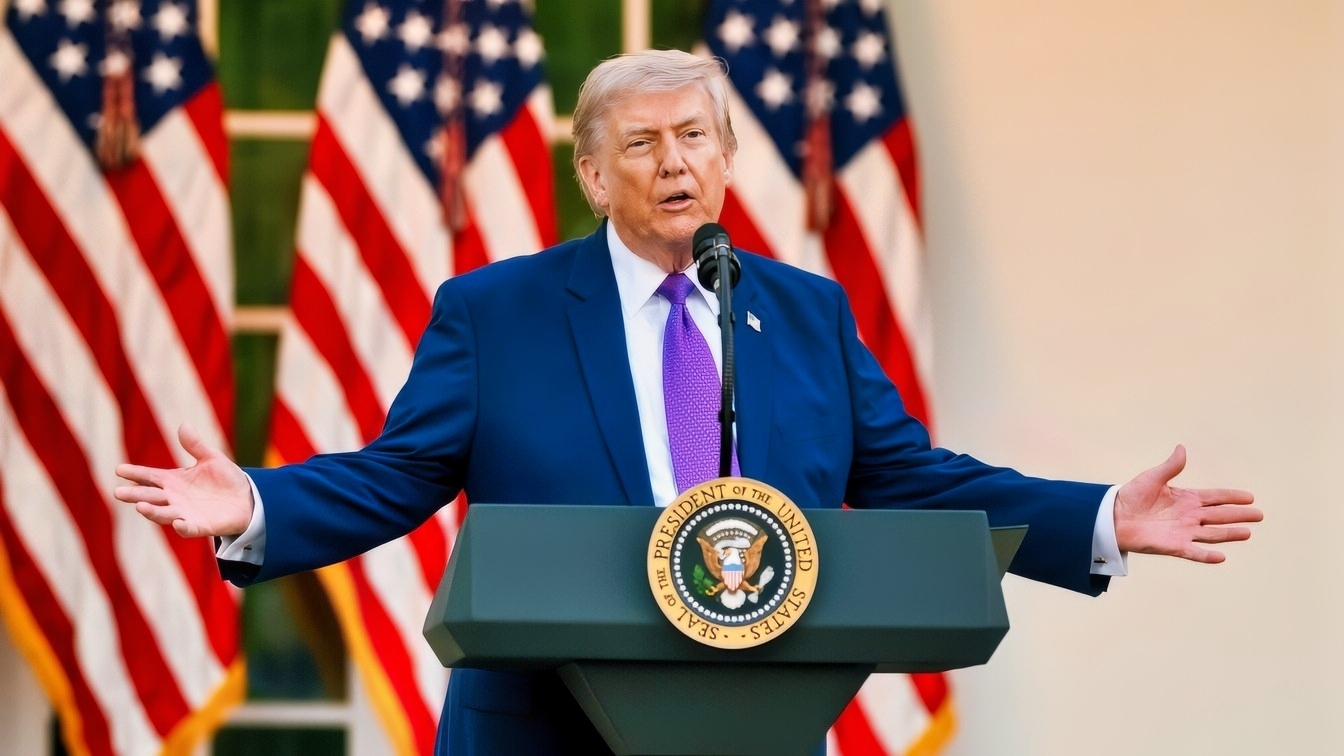
President Donald J. Trump hosts a Rose Garden Club dinner in honor of Police Week in the White House Rose Garden, Monday, May 11, 2026. (Official White House Photo by Molly Riley)
Meanwhile, President Donald Trump declared in a Truth Social post that the United States “has total control over the Strait of Hormuz.” The president added, in all caps, “I THINK WE WILL KEEP IT!” before touting the ongoing U.S. blockade of the crucial waterway.
A Reuters report on Wednesday also said that there had been “no progress” in finding a thaw in the dispute between the U.S. and Iran, and that the two sides “remain at loggerheads.” An Iranian source told Reuters that mediators had suggested a framework which entailed the United States “returning to the interim agreement and defining a timeframe for implementing the commitments.” But the source added that there has been no progress on that front.
Both sides, meanwhile, have been making new demands, with Trump declaring earlier this week that he wants Iran to pay reparations for both the current war and past attacks, while Iran had issued a list of demands before it would open the Strait.
A report out of Turkey had offered some optimism, even stating that the sides had agreed to a 60-day extension, but that appears not to have been accurate.
Vessel transits, meanwhile, had a five-day average of 13 as of Tuesday, CNBC said, citing Kpler data, marking the lowest level since May.
Brent crude oil, meanwhile, was trading at just over $86 as of Thursday morning.
Also, a Spill
Meanwhile, Iran’s Ministry of Foreign Affairs spokesperson, Esmaeil Baqaei, complained this week in a social media post about an oil spill in the region, and the “environmental condition of the Strait of Hormuz and its surrounding waters.” He shared a video of what was described as oil pollution off of Qeshm Island, and had plenty of blame to share.
“Who bears responsibility for compensating these damages? Is it the nations that consume the inexpensive energy exported from our region, the shipping insurers, or the aggressors and their partners who have transformed the Persian Gulf and the Sea of Oman into a theater for military operations and the testing of highly destructive weaponry?,” the spokesman said in a social media post.
Getting Around the Strait
The New York Times reported on Thursday that Gulf countries are making elaborate contingency plans for a world in which the Strait of Hormuz is no longer easily accessible.
Those measures, which include new pipelines and port infrastructure, will take a long time and likely cost massive amounts of money, but they’re seen as a necessary risk.
Examples include a new secondary crude line in Fujairah, a city in the United Arab Emirates on the Gulf of Oman, as well as the Abu Dhabi National Oil Company, which plans to spend $8.2 billion on expanding its natural gas business.
Saudi Arabia’s state-owned Saudi Aramco, meanwhile, is planning to expand its East-West Pipeline, in another project that will cost billions of dollars.
Kuwait is also planning to work with Saudi Arabia and other countries in the region on building a new pipeline.
“A lot of people assume the Strait of Hormuz will never carry the same share of oil exports as it did before the war,” Ben Cahill, an energy analyst at the University of Texas at Austin, told the newspaper. “No country in the world wants to rely as heavily on that transit point again.”
However, one expert told the Times that these measures are unlikely to fully replace the Strait of Hormuz.
“They definitely need the Strait of Hormuz because it brings them so many advantages and the infrastructure is there,” Carole Nakhle, chief executive of advisory firm Crystol Energy, told the newspaper. But, she said, “It was foolish for them to put their faith in Hormuz entirely.”
About the Author: Stephen Silver
Stephen Silver is an award-winning journalist, essayist, and film critic, and contributor to the Philadelphia Inquirer, the Jewish Telegraphic Agency, Broad Street Review, and Splice Today. The co-founder of the Philadelphia Film Critics Circle, Stephen lives in suburban Philadelphia with his wife and two sons. For over a decade, Stephen has authored thousands of articles that focus on politics, national security, technology, and the economy. Follow him on X (formerly Twitter) at @StephenSilver, and subscribe to his Substack newsletter.


