


Summary and Key Points: U.S. media, citing anonymous sources, reported this week that Israel warned Washington of a new Iranian plot to assassinate President Trump. The claim is serious and comes from credible outlets, but it is also unconfirmed, undetailed, and, according to some U.S. officials, possibly an Israeli effort to influence Trump as he weighs widening the war. Trump has already said publicly how he would respond. The harder question is who benefits from this warning surfacing now.
The Iran Threat Against Trump?
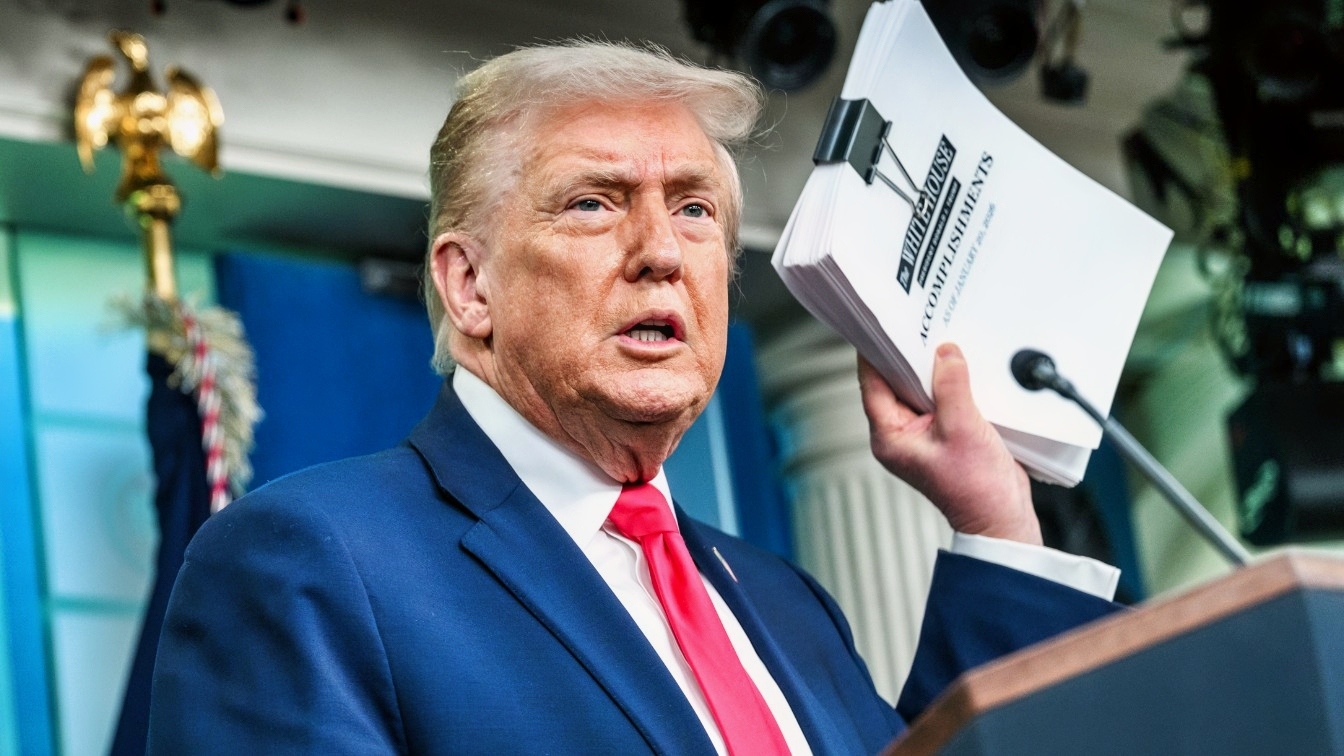
President Donald Trump addresses members of the media in the James S. Brady Press Briefing Room, Tuesday, January 20, 2026. (Official White House Photo by Joyce N. Boghosian)
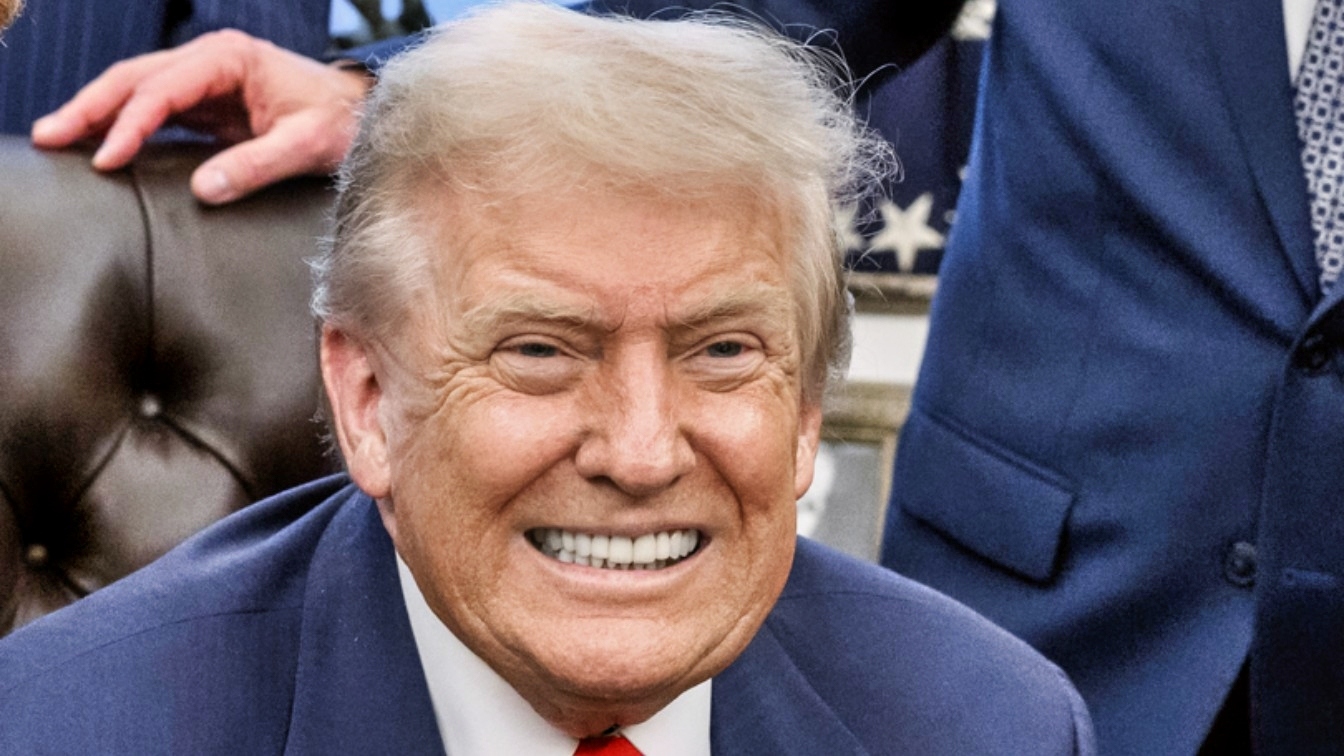
President Donald Trump signs the spending bill that ends the shutdown and reopens the U.S. Government Tuesday, February 3, 2026, in the Oval Office. (Official White House Photo by Joyce N. Boghosian)
Over the past several days, a dramatic claim has moved through American media: that Israel shared intelligence with the United States describing a new and specific Iranian plot to assassinate President Donald Trump.
It is an alarming report, and it comes from serious places, with both the Wall Street Journal and CNN carrying it. It is also, as of this writing, unconfirmed by any government, thin on detail, and viewed with suspicion by some of the very U.S. officials receiving it.
Separating what is established from what is not matters more than usual here, because the claim has landed at the most combustible moment in the U.S.-Iran confrontation in years.
What the Reporting Says
According to the two outlets, both citing unnamed sources, Israel this week passed Washington a warning about a fresh Iranian plan targeting Trump, described as sitting atop a steady stream of recent intelligence about possible plots.
Asked about it at the NATO summit in Ankara, Trump did not appear rattled, saying he is now “on every single one” of Iran’s target lists.
The backdrop is real and long-documented: Iran has vowed for years to avenge the January 2020 U.S. strike that killed Islamic Revolutionary Guard Corps commander Qassem Soleimani, and over the weekend, mourners at the funeral of the slain Supreme Leader chanted for Trump’s death, with “kill Trump” banners raised in the city of Mashhad.
What It Doesn’t Say
The caveats are load-bearing, and they come from the same reporting.
CNN’s sources said the United States had not vetted the intelligence itself, that neither American nor Iranian officials had confirmed the plot, and that its specifics were not disclosed.
Israel’s embassy in Washington declined to comment, and Iran’s mission to the United Nations did not respond.
Most important, and largely buried beneath the alarming headlines: some U.S. officials told CNN they view the Israeli report, in part, as an effort to shape Trump’s decision-making as he weighs intensifying strikes on Iran.
That suspicion sits inside a genuine and widening rift, with Israeli Prime Minister Benjamin Netanyahu pressing to keep up military pressure on Tehran while Trump has tried to preserve a fragile ceasefire.
In plainer terms, the warning may be as much about the argument between Washington and its ally over the war as about Iran.
What Actually Happens Next
Here, the speculation is unusually limited because Trump has already stated his answer on the record.
He has said he left instructions that if he is assassinated, the United States should “bomb them at levels that they’ve never seen.”
But he also went even in more in depth: “1000 Missiles are Locked and Loaded and aimed at the Islamic Republic of Iran, with thousands of more to immediately follow, should the Iranian Government act on its threat, pronounced in many corners of the Globe, to assassinate, or attempt to assassinate, the sitting President of the United States of America, in this case, ME!,” he said in a Truth Social post.
That is not a hypothetical to war-game; it is a declared doctrine. And we should all take pause.
The genuine variable is not the shape of any eventual response but timing: whether an unverified plot report becomes a trigger for escalation now, while a collapsed 60-day ceasefire, a memorandum of understanding Trump has publicly declared finished, and stalled talks toward a mid-August nuclear deal all hang in the balance. That is exactly why the provenance of the intelligence matters, and why more sober officials are asking not only what Iran intends, but who gains from the warning arriving at this precise moment.
What Happens Now?
Strip away the alarm, and what remains is a credibly reported but uncorroborated intelligence claim, undisclosed in its specifics, possibly shaped by an ally with its own agenda, arriving at the most dangerous juncture of an active war.
The threat to Trump from Iran is real and long-established, and the reporting should not be waved away. Of course not.
But it should not be treated as a settled fact either, and the most consequential question it raises is not the lurid one about plots and hit lists. It is whether a warning that cannot yet be confirmed will be allowed to drive decisions that cannot be undone.”
MORE – Putin May Have No Way Out of the Ukraine War Now
About the Author: Harry J. Kazianis
Harry J. Kazianis (@Grecianformula) was the former Senior Director of National Security Affairs at the Center for the National Interest (CFTNI), a foreign policy think tank founded by Richard Nixon based in Washington, DC. Harry has over a decade of experience in think tanks and national security publishing. His ideas have been published in the NY Times, The Washington Post, The Wall Street Journal, CNN, and many other outlets worldwide. He has held positions at CSIS, the Heritage Foundation, the University of Nottingham, and several other institutions related to national security research and studies. He is the former Executive Editor of the National Interest and the Diplomat. He holds a Master’s degree focusing on international affairs from Harvard University. The opinions expressed are the author’s own.


Rick
July 11, 2026 at 1:09 pm
In my opinion, we should go ahead and take them back to the 19th century. no power, no water, no food, no fuel, no manufacturing, no oil wells, no way to deliver oil. Let them all starve to death and be finally rid the world of this parasite, it is evident the people are OK with the regime.