

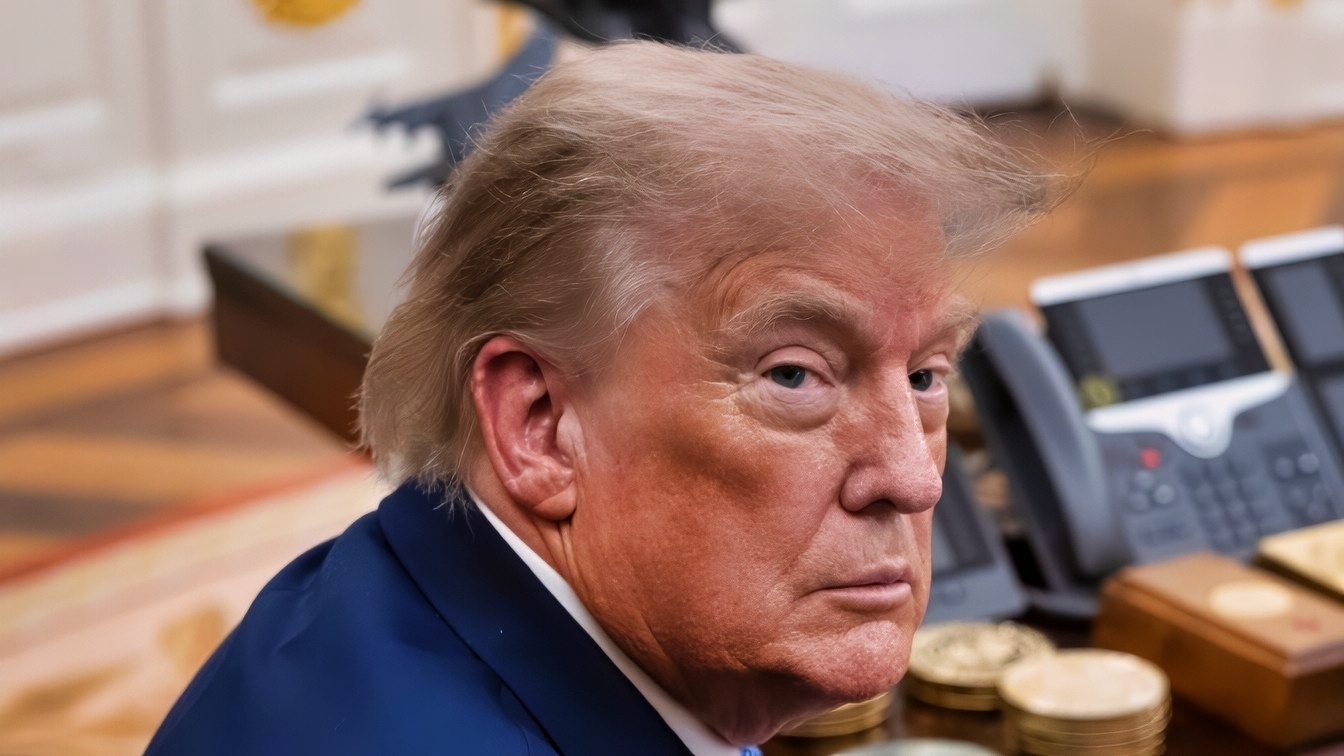
President Donald Trump insisted on Monday that his war against Iran could end “fairly soon,” as Qatar attempts to broker a peace deal between Washington and Tehran.
Speaking to reporters at the White House following a meeting with Qatari Prime Minister Sheik Mohammed bin Abdulrahman Al Thani, Trump declared, “We’re seeing momentum toward the end of this conflict. I think it’s going to be ending fairly soon… Iran militarily is effectively over.”
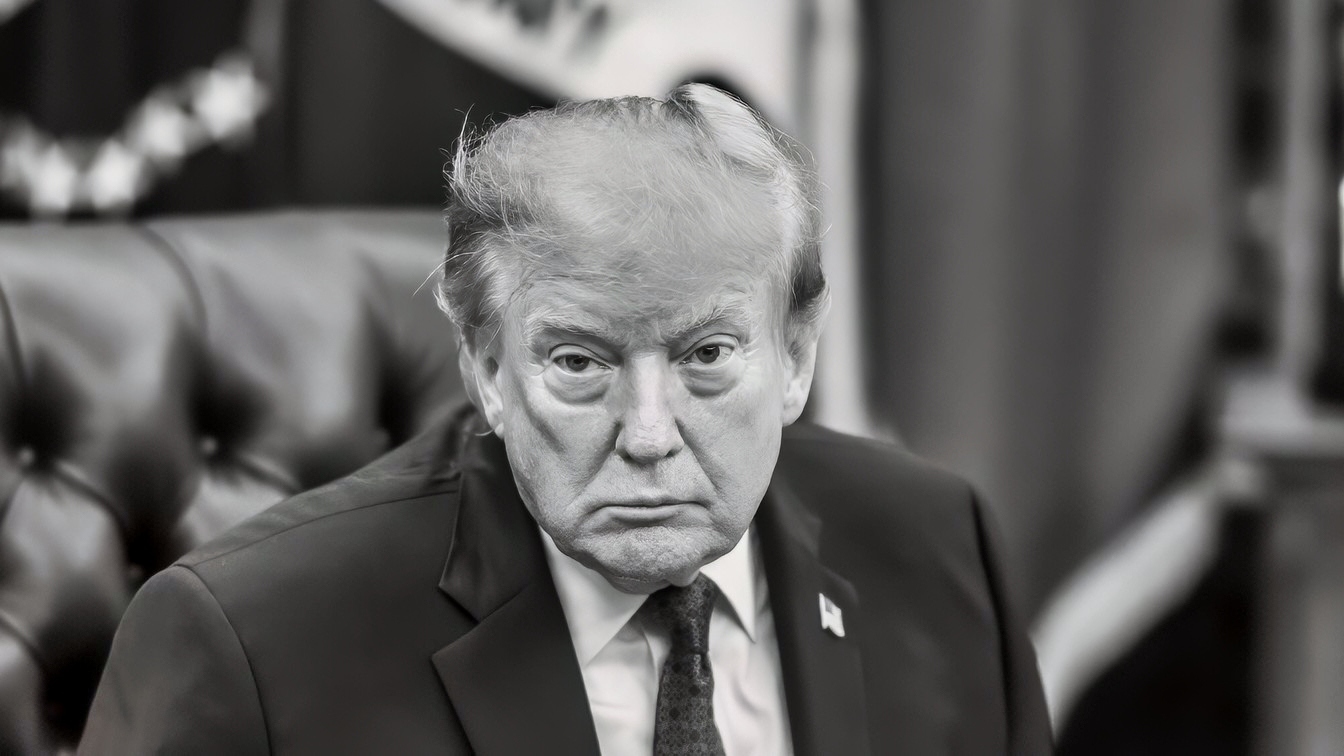
President Donald J. Trump signs an Executive Order designating the Oval Office and Cabinet Room as national landmarks, Thursday, November 5, 2026, in the Oval Office of the White House. (Official White House Photo by Molly Riley)
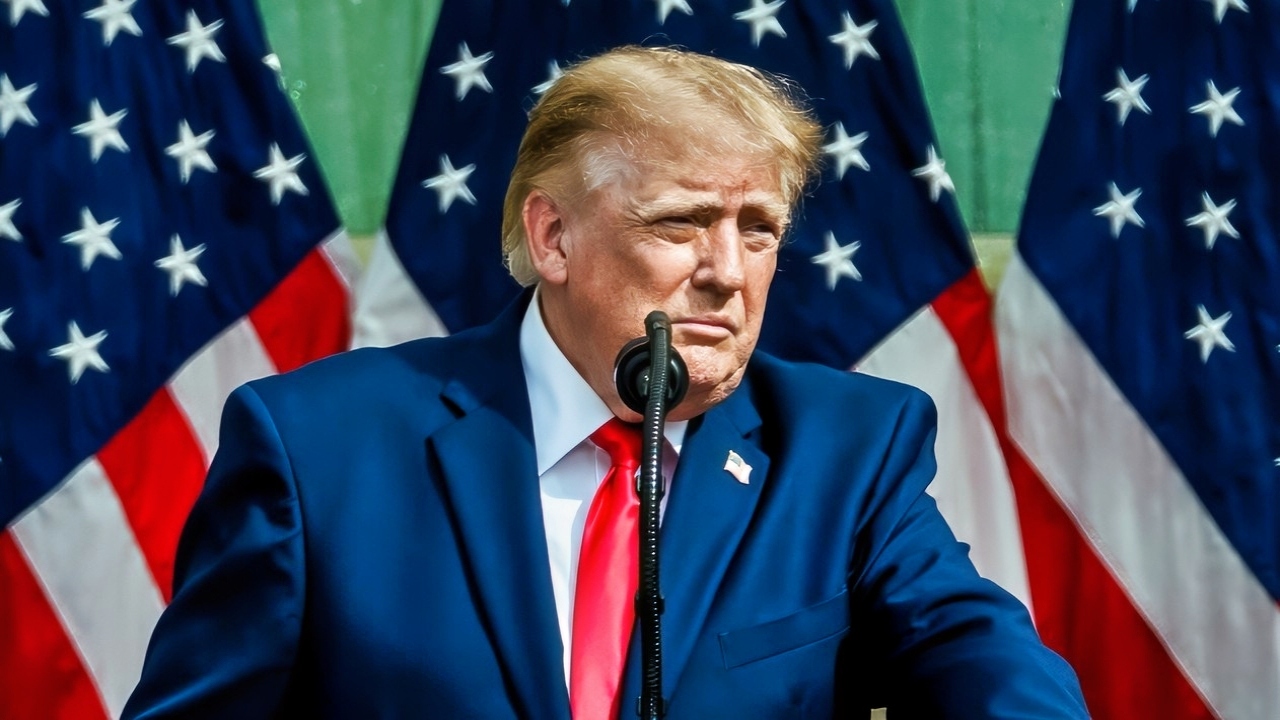
President Donald J. Trump and First Lady Melania Trump attend a ceremony at the Pentagon in observance of the 25th anniversary of the 9/11 terror attacks, Friday, September 11, 2026. (Official White House Photo by Molly Riley)
Spilling further details of his meeting with the Qatari prime minister in a Truth Social post, the president claimed that Qatar, Saudi Arabia, the United Arab Emirates, Bahrain, and Kuwait would all prefer to see a continuation of the U.S. naval blockade of Iranian ports and “have agreed that Iran cannot have a Nuclear Weapon — that is non-negotiable!”
Trump Warns the U.S. Military is ‘Locked and Loaded’
The president warned that while the U.S. was “locked and loaded” and ready for another wave of strikes, further strikes at this time were “unlikely” to take place.
“Should there be any change with respect to developments in the Middle East, the United States of America is ‘locked and loaded’ and ready to go,” he wrote. “At this point, however, that seems to be quite unlikely. Israel, and the entire Middle East, are protected from Iranian danger and threats.”
The post continued, “We are seeing positive momentum toward an end to this Conflict, and will ensure that America’s interests are at all times protected. At the conclusion of this Military Engagement, the American People, and the World, will be far safer and more secure.”
U.S. Unlikely to Agree to Qatar’s Peace Deal as it Would Require Giving In to Iranian Demands
While Qatar has been attempting to broker a peace deal between the U.S. and Iran, Trump is unlikely to agree to the deal in its current form since it would require the Trump administration to lift its naval blockade of Iranian ports and release billions of dollars in frozen Iranian assets — two Iranian demands that the administration has thus far rejected as “unacceptable.”
Under the Qatari deal, Iran would then reopen the Strait of Hormuz within 48 hours — easing the global fuel shortage that was sparked by the Iran war and Russia’s ongoing war with Ukraine — and allow United Nations (UN) inspectors to visit its nuclear sites.
Despite Trump’s initial promises that the war with Iran would take just four to six weeks, the conflict recently entered its eighth month and played a big part in the Republican Party’s catastrophic defeat in this month’s midterm elections, where it lost control of both the House and Senate.
71% of Americans Want Democratic-Controlled Congress to Put an End to the War
The war has proved extremely unpopular among American voters, with a new Reuters-Ipsos poll finding that a whopping 71% of Americans — including 51% of Republicans — want the incoming Democratic-controlled Congress to force an end to the conflict through legislation.
Last month, a Pew Research Center poll found that just 14% of Americans strongly approve of Trump’s handling of the war, with 64% of Americans expressing disapproval.
Just 16% of Americans felt very confident that Trump would achieve his goals in the war, while 47% predicted that the war would continue for more than a year.
The poll also found that Americans were concerned about the consequences at home from Trump’s war, including higher gas prices, casualties in the U.S. military, potential terrorist attacks on U.S. soil, and a shortage of weapons and ammunition.
The Pentagon confirmed in September that Trump’s war against Iran had led to a shortfall in munitions, despite the president’s insistence that ammunition was “virtually unlimited.”
Military Has Continued to Carry Out Smaller Strikes on Iranian Targets
While major U.S. strikes on Iranian territory have not taken place for some time, the Trump administration has continued to carry out smaller strikes on Iranian targets, insisting that such strikes have been “defensive.”
“They built a little bit of an anti-aircraft device, and we knocked it out in about 15 minutes, maybe five,” Trump told reporters on Friday.
The Trump administration carried out strikes on Iran’s Qeshm Island just hours before the midterms, which were downplayed to the media.
About the Author: Charlie Nash
Charlie Nash is a journalist and author whose work has appeared in The Spectator, Mediaite, New Statesman, and the American Conservative, among other major publications. His reporting has been featured by The Washington Post, Fox News, the Daily Beast, MS NOW, NewsNation, Hannity, and more. You can follow Charlie on X at @CharlieNash and on LinkedIn.


