

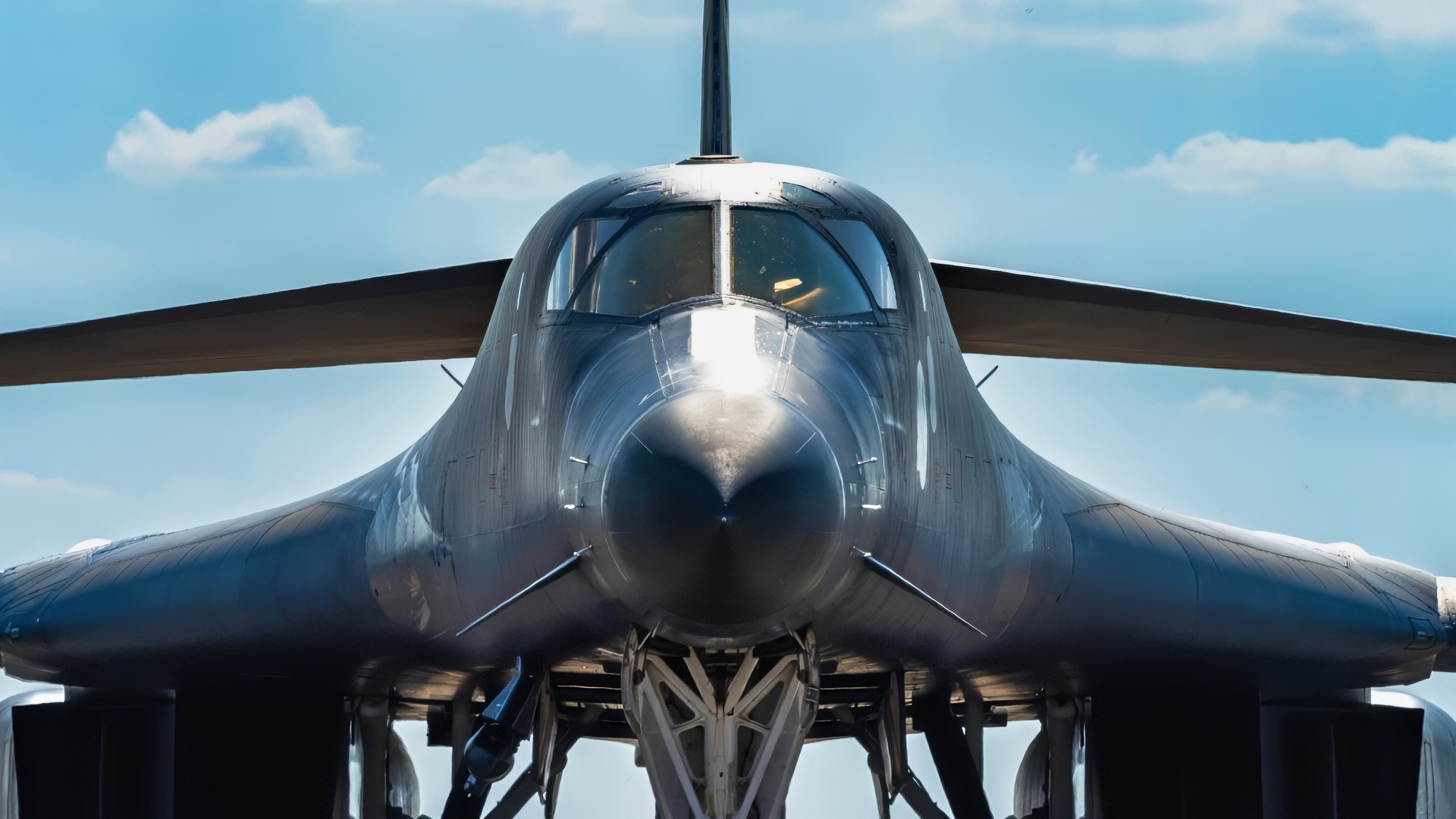
The Wall Street Journal reports that administration officials have claimed the forty-seventh president is in “revenge mode.” President Trump allegedly now thinks that the only way to force a settlement with the Islamic Republic of Iran is through increased military force.
In what sounded like confirmation of those White House comments about Trump’s mood, the president told a crowd that, “[The Iranians] haven’t received enough pain yet.” He promised to initiate the largest attack of the war in the coming days, to show how serious he was about not letting Iran continue the war.
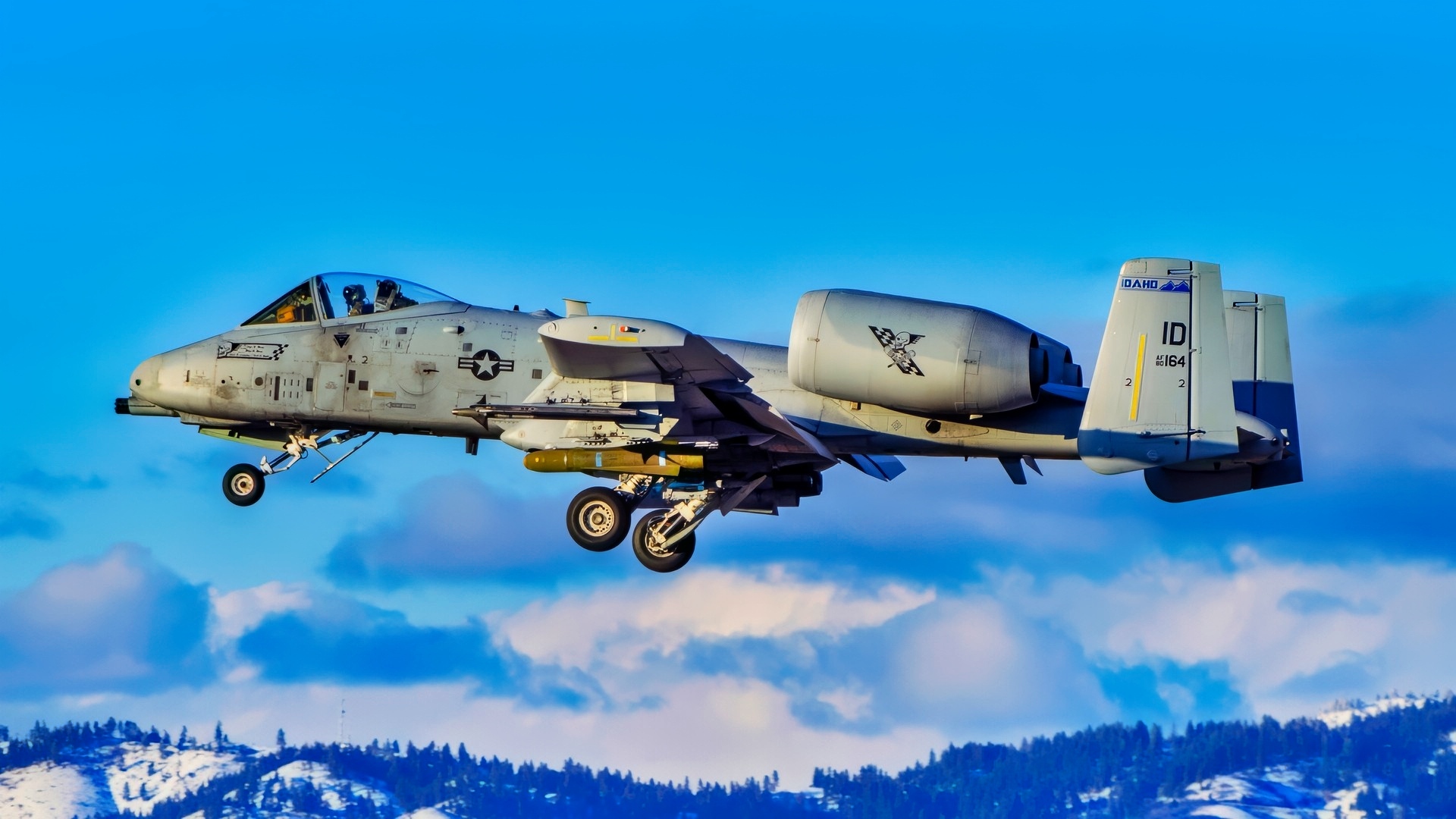
Idaho National Guard pilots land A-10 Thunderbolt IIs after a flight mission near Gowen Field on March 15, 2023 with the Boise foothills in the background. (U.S. National Guard photo by Master Sgt. Becky Vanshur)
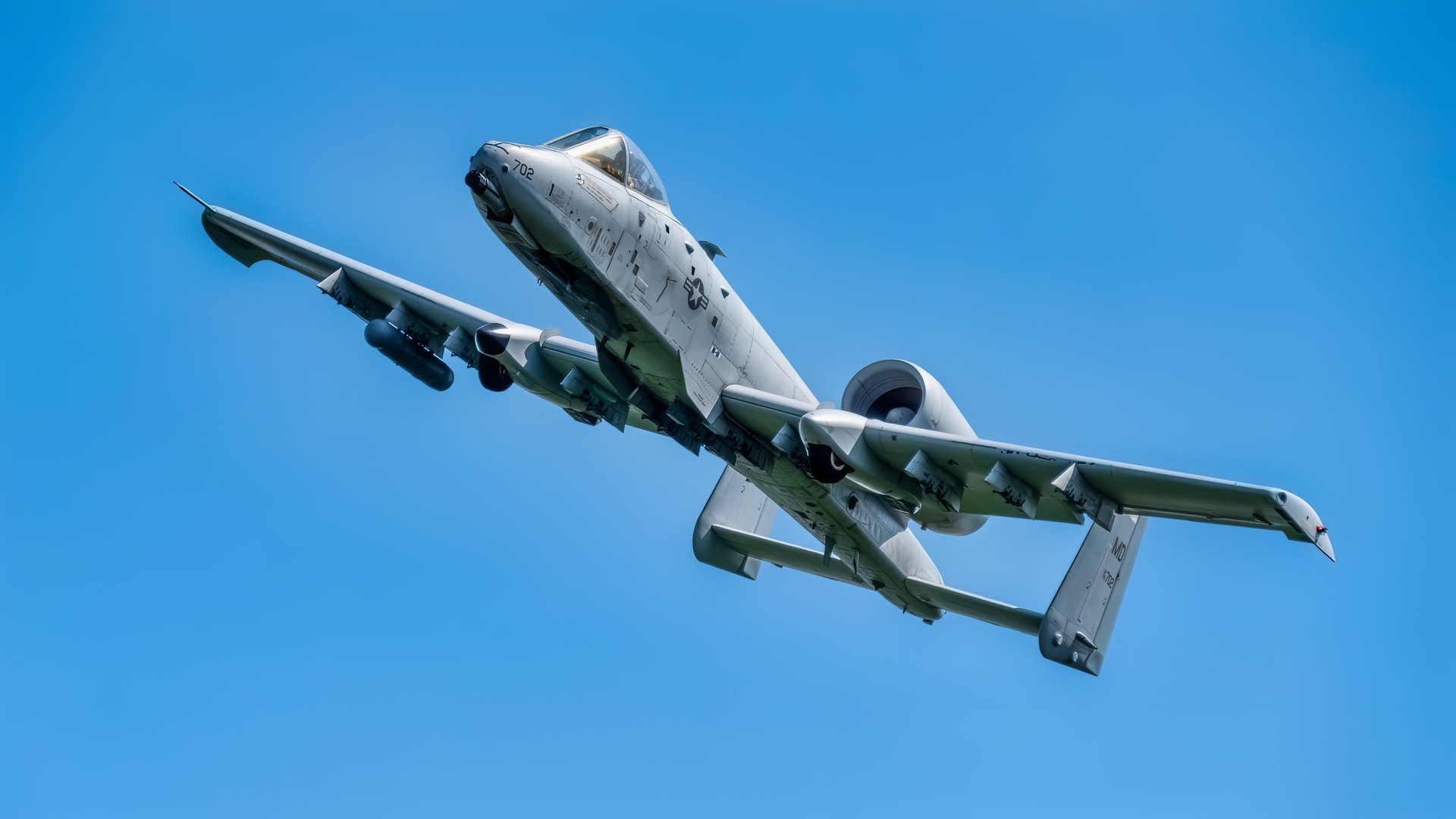
A Maryland Air National Guard A-10C Thunderbolt II, aircraft 702, from the 104th Fighter Squadron, flies through the air over Bollen Air-to-Ground Range, Fort Indiantown Gap, Pennsylvania, August 9, 2025. Family, friends and aviation enthusiasts attended the 104th Fighter Squadron Family Range Day to see the jets in action before the anticipated final divestment of the A-10C Thunderbolt II in September. (U.S. Air National Guard Photo by Airman 1st Class Sarah Hoover)
In other words, the president is continuing the war to end the war.
No one in the Trump administration thinks that diplomacy will end the war.
Even Vice President JD Vance, the man behind the Memorandum of Understanding (MoU), recently told Joe Rogan on his popular podcast that there would be more fighting before anything got better.
America Sends More Forces
To show how little interest there is in Washington in a peace deal, the Pentagon continues to flow more troops and equipment into the Middle East.
Per multiple reports, the US is deploying additional weapons, medical personnel, and special operations forces into the region, which could heighten tensions with Iran’s allies and reshape regional security dynamics, impacting both US and allied interests.
Long-range bombers, carrier aviation, cruise missiles, and regional air bases have been used to conduct airstrikes against Iranian military facilities.
The new deployments suggest that Washington is preparing for a prolonged campaign rather than a short punitive operation.
The Battle of the Chokepoints
One of the central objectives for US strategy has been restoring freedom of navigation through the Strait of Hormuz (SoH). In recent days, it is no longer just about restoring the SoH.
The Yemeni Shiite militia, the Houthis, have effectively closed the Red Sea and Bab el-Mandeb Strait, further complicating global shipping and energy flows, while putting the squeeze on the US, which is more exposed to the disruptions in the global economy than is Iran.
Rather than attempt to reopen these chokepoints via diplomacy, both sides have escalated in the military domain, further stunting the flow of commercial traffic through the SoH, the Bab el-Mandeb Strait, and the Red Sea.
The fight over the chokepoints, especially the SoH, has become a bit of a feedback loop.
The Iranians and their proxies are attacking the chokepoints to put pressure on the Americans, who continue attacking the Iranians.
The Iranians continue attacking shipping in the SoH to hurt the Americans, who in turn, use those attacks to justify an escalation against Iran that few Americans support.
More Economic Warfare
President Trump announced another round of economic pressure, emphasizing the seriousness of US efforts to influence Iran through financial means.
Trump’s proposal would effectively redirect Iranian state assets toward reimbursing private shipping companies for wartime losses. That money has long been a sticking point in any potential US-Iran negotiations.
The White House believes this move will place increased financial pressure on the Islamic Republic while reassuring international shipping firms that continue operating in the region.
No Peace In Our Time
The latest military deployments, Trump’s moves to use Iran’s frozen funds to pay off shippers affected by the war, Iran’s attacks on global shipping in the SoH, and the president’s comments about being in “Revenge Mode,” underscore how unlikely peace is at the moment.
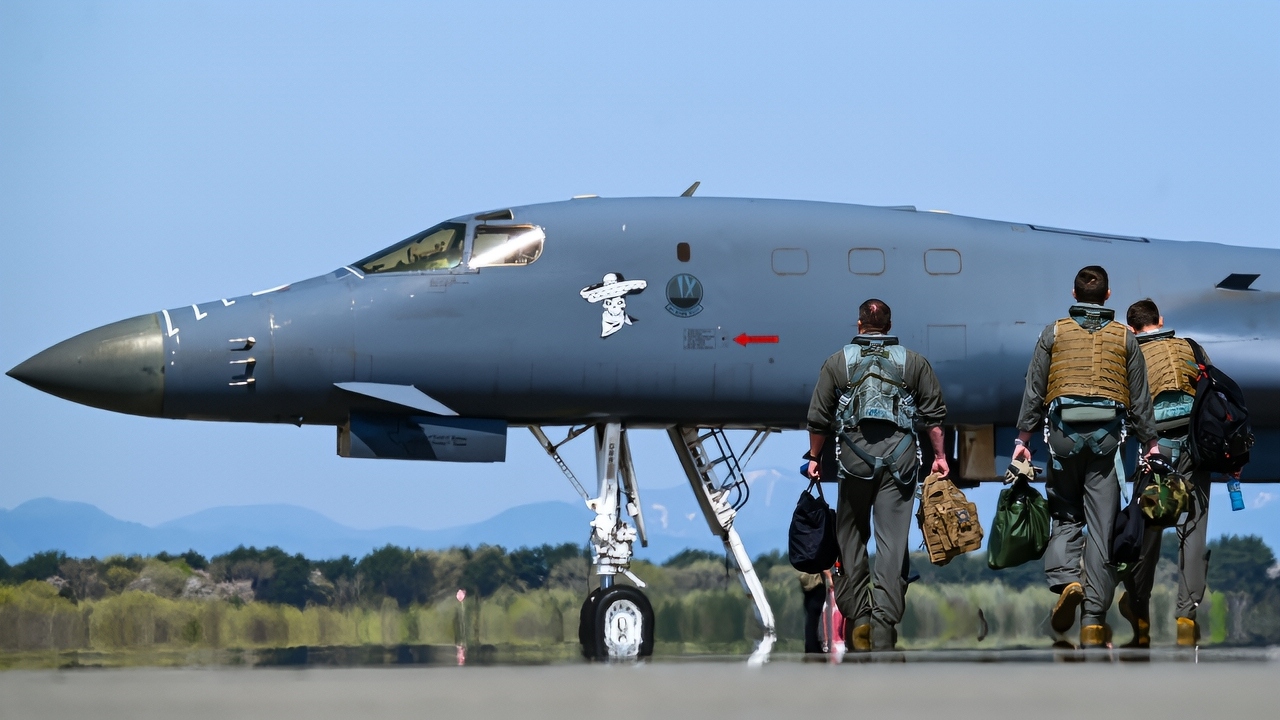
9th Expeditionary Bomb Squadron aircrew step out to the B-1B Lancer during Bomber Task Force 25-2 at Misawa Air Base, Japan, May 9, 2025. BTF 25-2 demonstrates Allied strength by forging strong alliances, showcasing our resolve, and deterring aggression, while also supporting global stability and security and strengthening military capabilities. (U.S. Air Force photo by Airman 1st Class Mattison Cole)
It also highlights the possibility that the US military has already experienced “mission creep” in this war.
After all, many officials initially expected that the Iran War would be a brief military engagement rather than one that has evolved into a campaign of extended air strikes, attacks on commercial shipping, regional proxy activity, and continued escalation by both sides.
All the signals indicate that we are headed for more war and escalation, not less. Far from being de-escalatory, then, Trump’s “revenge mode” comments might be further expanding this most unwanted war.
About the Author: Brandon J. Weichert
Brandon J. Weichert is Senior National Security Editor. He also manages The Weichert Brief on Substack. Weichert also hosts “National Security Talk” on Rumble. He is the author of four bestselling national security books, the most recent of which is A Disaster of Our Own Making: How the West Lost Ukraine (Encounter Books). Follow him via Twitter/X @WeTheBrandon.


Meremortal
July 27, 2026 at 6:34 pm
I’d rather let them have nukes.
Wait…no I wouldn’t.