

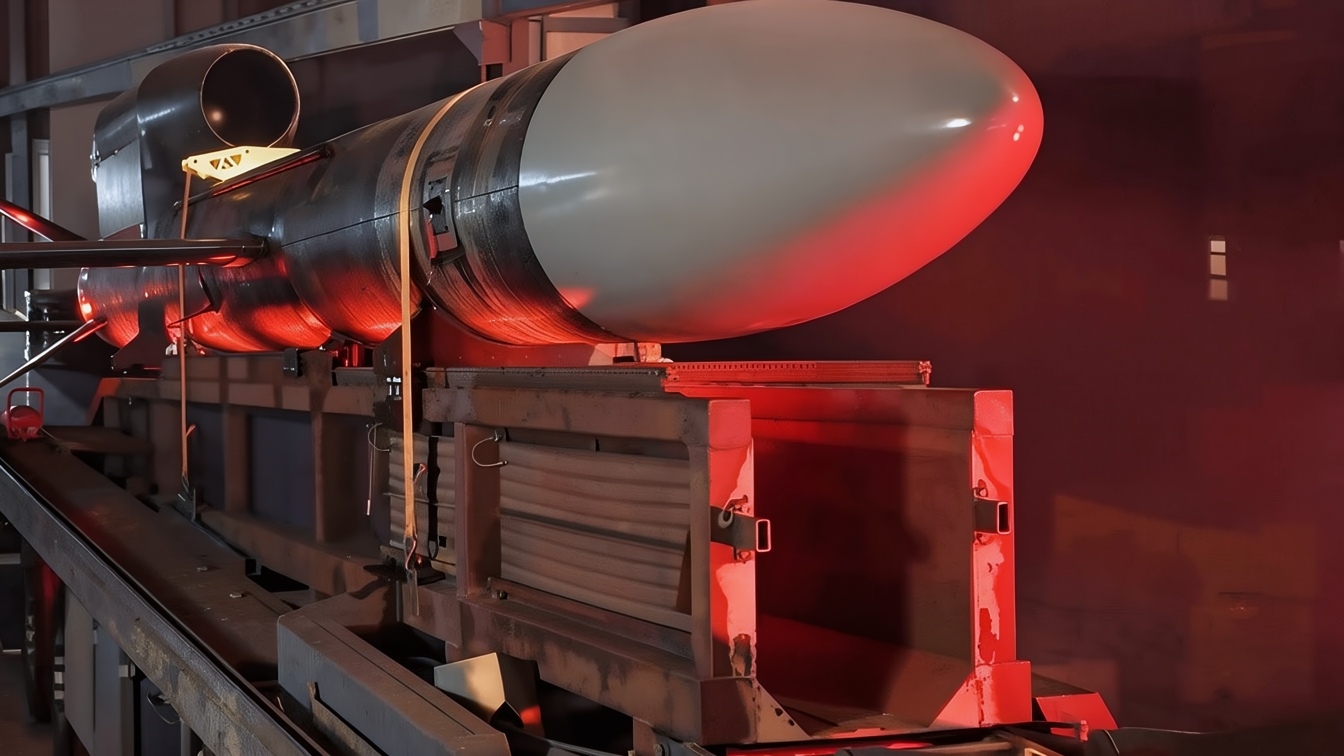
The war between Russia and Ukraine has continued, and will mark five years next February.
Efforts to secure a ceasefire included two visits last month to Kyiv and Moscow by the Trump Administration’s envoys, Jared Kushner and Steve Witkoff.
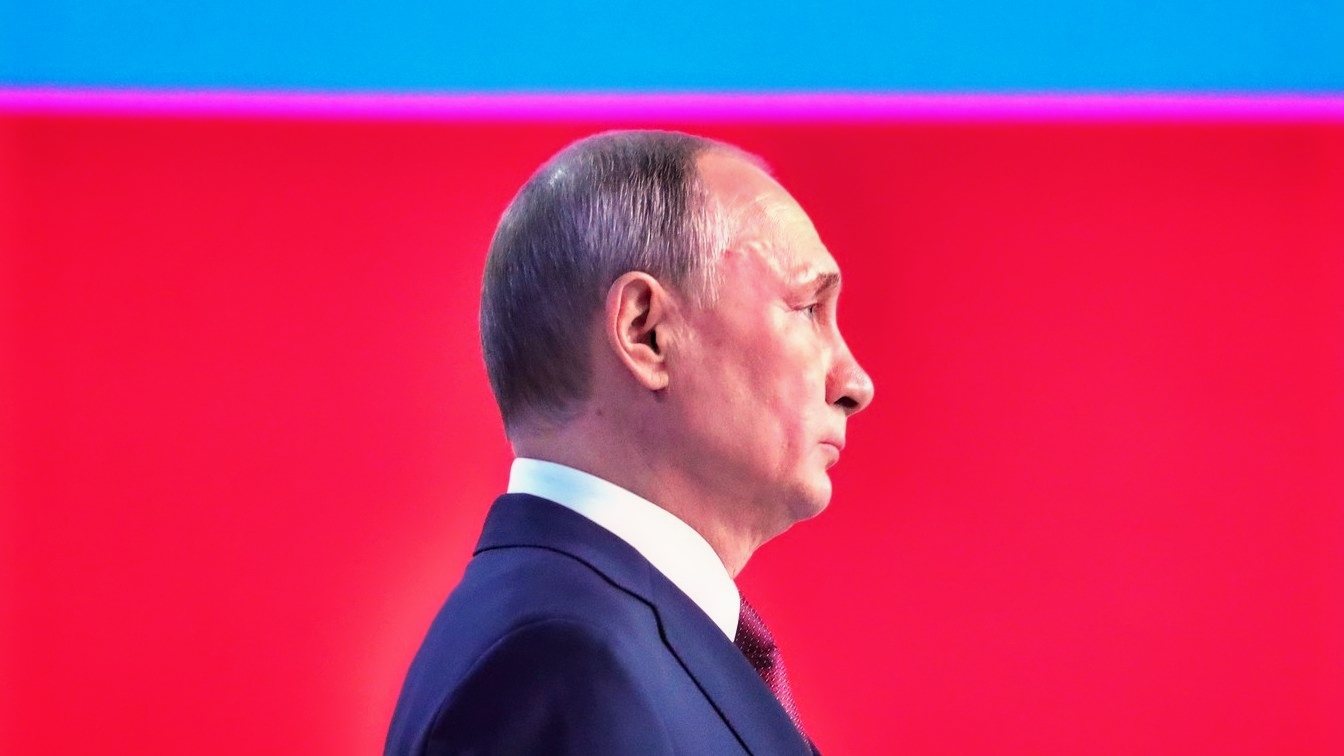
Putin Speaking to Large Crowd in 2019 Russian Federation Photo
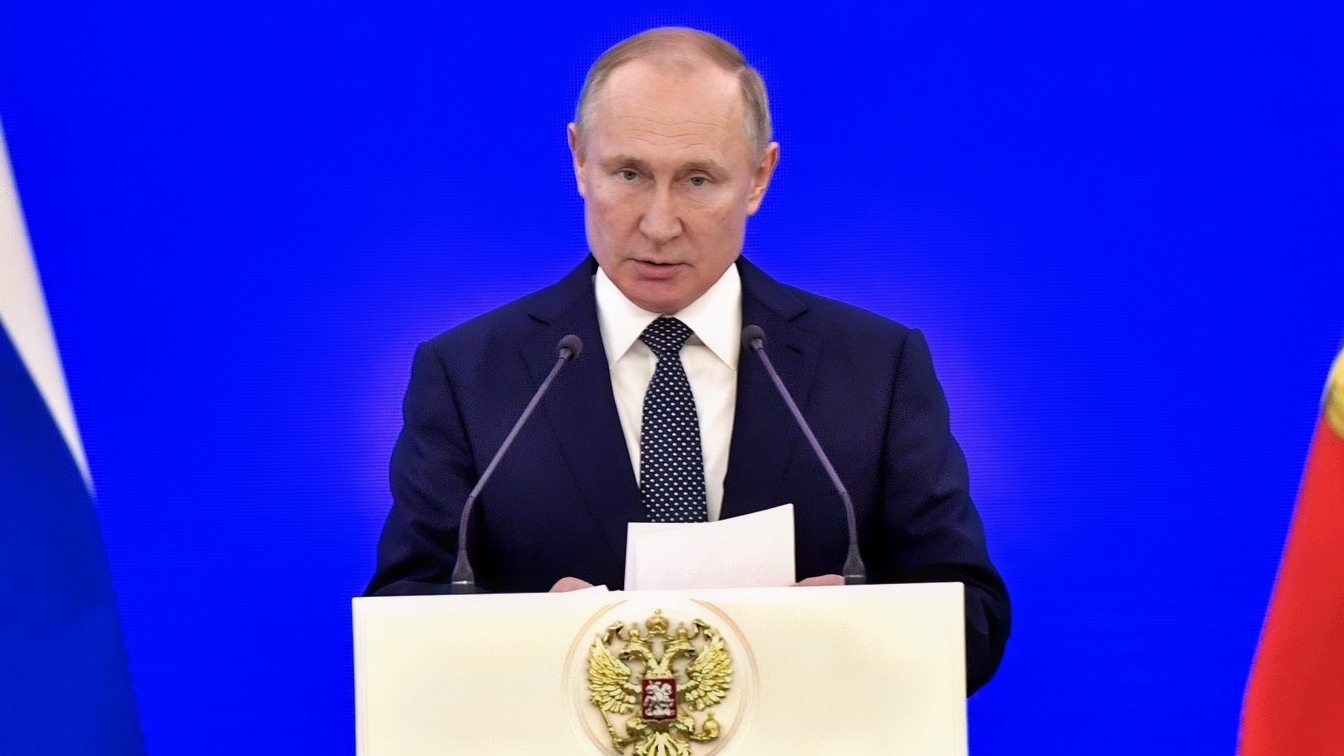
Putin Back in 2019 Russia Federation Photo
Among the proposals bandied about in those talks and afterward was a limited ceasefire that would apply to long-range strikes on energy infrastructure in the two countries.
When President Donald Trump and Ukrainian President Volodymyr Zelensky met on the sidelines of the UN General Assembly late last month, Zelensky made it clear that he was interested in such a ceasefire agreement.
President Trump and other world leaders, concerned about oil supply constraints and rising prices, also sought to end the refinery strikes.
Putin Says No
However, Russian President Vladimir Putin made it clear in a major speech this week that he’s not interested in any kind of ceasefire.
According to Al Jazeera, Putin spoke at the Valdai political forum and ruled out a long-term ceasefire.
“We are told: ‘Let them stop striking your refineries, and you will stop striking their ships,’” the Russian leader said in his remarks. He went on to call the idea “simply ridiculous.”
Putin admitted in the speech that Ukraine has had some success in striking the refineries, which he said had cost Russia 1 percent of its GDP.
He added that Russia has begun responding in kind.
Russia, of late, has been attacking Internet infrastructure in Ukraine, as well as other civilian locations, including a school that was struck this week by a drone.
On Ukraine, Putin said he would prefer to end the conflict diplomatically, with Ukraine emerging as a “neutral” country.
The Russian leader also warned against international escalation, stating in the speech that “the logic of escalating, increasingly harsh retaliatory measures leads to a fatal point of no return.”
Putin also said in the speech that Russia faces an enemy, NATO, that is “twice our size,” which is questionable geographically, although population-wise NATO is much larger than Russia, and NATO nations’ overall military capability is much greater than Russia’s.
Going Nuclear
Following several days in which Russian embassies throughout Europe made threats, including the one in the U.K., that Russia would not hesitate to use nuclear weapons should NATO threaten the Russian territory of Kaliningrad — and similar threats were made in a diplomatic communication to NATO —Putin made such threats directly in his Moscow speech.
Should there be a direct attack on Russia, Putin said, referring to Kaliningrad or other territories, then “all the weapons at our country’s disposal will, of course, inevitably and immediately be on the agenda.”
Kaliningrad is a Russian “exclave” on the Baltic Sea, which is between NATO members Lithuania and Poland. Also in the speech, however, Putin made it clear that Russia does not plan to attack any European country.
NATO said this week that, as a defensive alliance, it does not plan to attack Kaliningrad or any other Russian territory, while NATO Secretary General Mark Rutte issued a separate denial in earlier remarks.
Somewhat strangely, the “threat” appears to have originated in, of all places, a British TV show and a newspaper article.
Sky TV recently aired a miniseries called The Wargame, in which political figures were asked what they would do in response to various fictional geopolitical crises.
One such scenario was a Russian attack on Britain, which could be met with an attack on Kaliningrad.
In addition, the British newspaper The I Paper published an analysis last month noting that, because of its position, Kaliningrad could be vulnerable to attack.
The article featured a quote from a former NATO official saying, “Russia knows it’s a vulnerability,” and quoted Poland’s foreign minister, Radoslaw Sikorski, as suggesting NATO station troops around the territory to force Putin to pull units from Ukraine to defend it.
But neither the article nor the TV show indicates any real-life plans for a military move on the territory.
About Stephen Silver
Stephen Silver is an award-winning journalist, essayist, and film critic, and contributor to the Philadelphia Inquirer, the Jewish Telegraphic Agency, Broad Street Review, and Splice Today. The co-founder of the Philadelphia Film Critics Circle, Stephen lives in suburban Philadelphia with his wife and two sons. For over a decade, Stephen has authored thousands of articles that focus on politics, national security, technology, and the economy. Follow him on X (formerly Twitter) at @StephenSilver, and subscribe to his Substack newsletter.


