

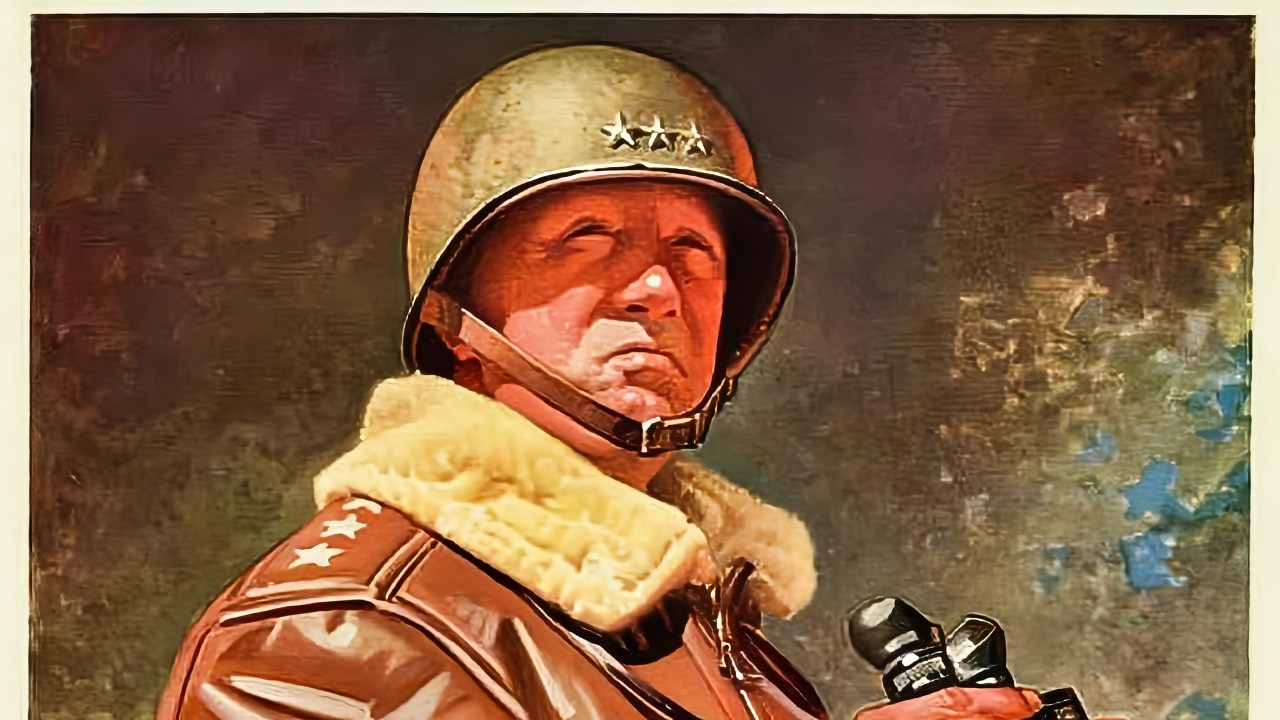
George S. Patton once said he did not measure a man’s success by how high he climbed, but by how high he bounces when he hits bottom. It is the kind of line that gets stitched onto motivational posters and read at the front of locker rooms, but stripped of the gloss, it is a hard-edged claim about failure. Anyone can look impressive on the way up, Patton is saying. The real measure of a person is what they do after they have been knocked flat, humiliated, and counted out.
What makes the line worth taking seriously is that the man who said it was describing something he had lived. Patton’s career did hit bottom, publicly and humiliatingly, and what he did next is the reason history remembers him as a great commander rather than a cautionary tale.
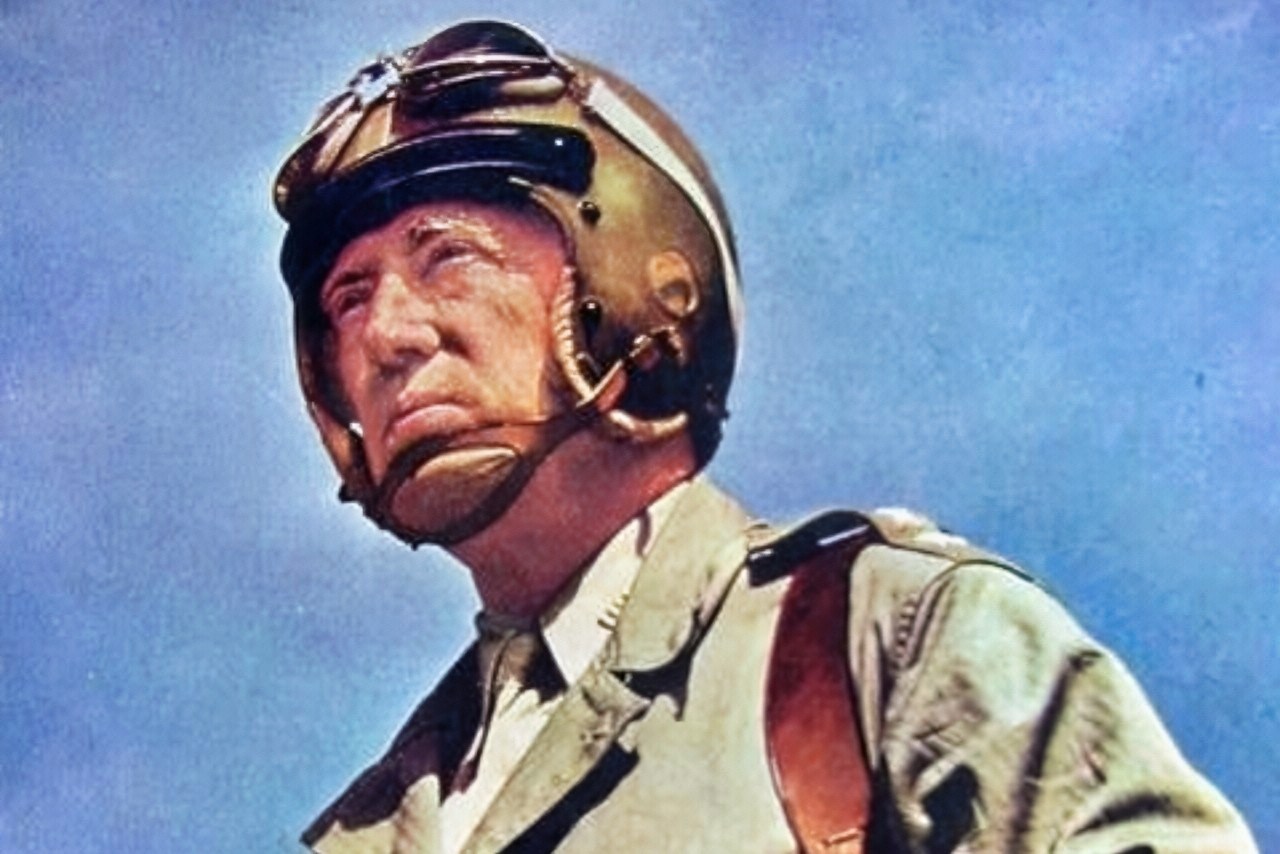
U.S. Army General George Patton. Image Credit: Creative Commons.
The Climb for General Patton
Patton built himself for greatness from boyhood.
Born in 1885 in San Gabriel, California, he grew up steeped in stories of ancestors who had fought in the American Revolution and the Civil War, and he set his sights on becoming a war hero almost as soon as he could absorb the family legends. He enrolled at the Virginia Military Institute, then won an appointment to West Point, graduating in 1909. He was a man who decided early what he wanted to be and bent his whole life toward it.
His talents were not confined to the classroom or the parade ground. In 1912, he represented the United States at the Stockholm Olympics, finishing fifth in the modern pentathlon, a grueling five-discipline contest of riding, pistol shooting, fencing, swimming, and running that was practically designed to test a soldier. He chased combat the way other men chased comfort, riding against Mexican forces under General John Pershing and then, when the United States entered the First World War, becoming the first officer assigned to the new Army Tank Corps.
He was wounded in the Meuse-Argonne offensive in 1918, and he emerged from that war convinced that the tank was the future of land combat and that he intended to be its master.
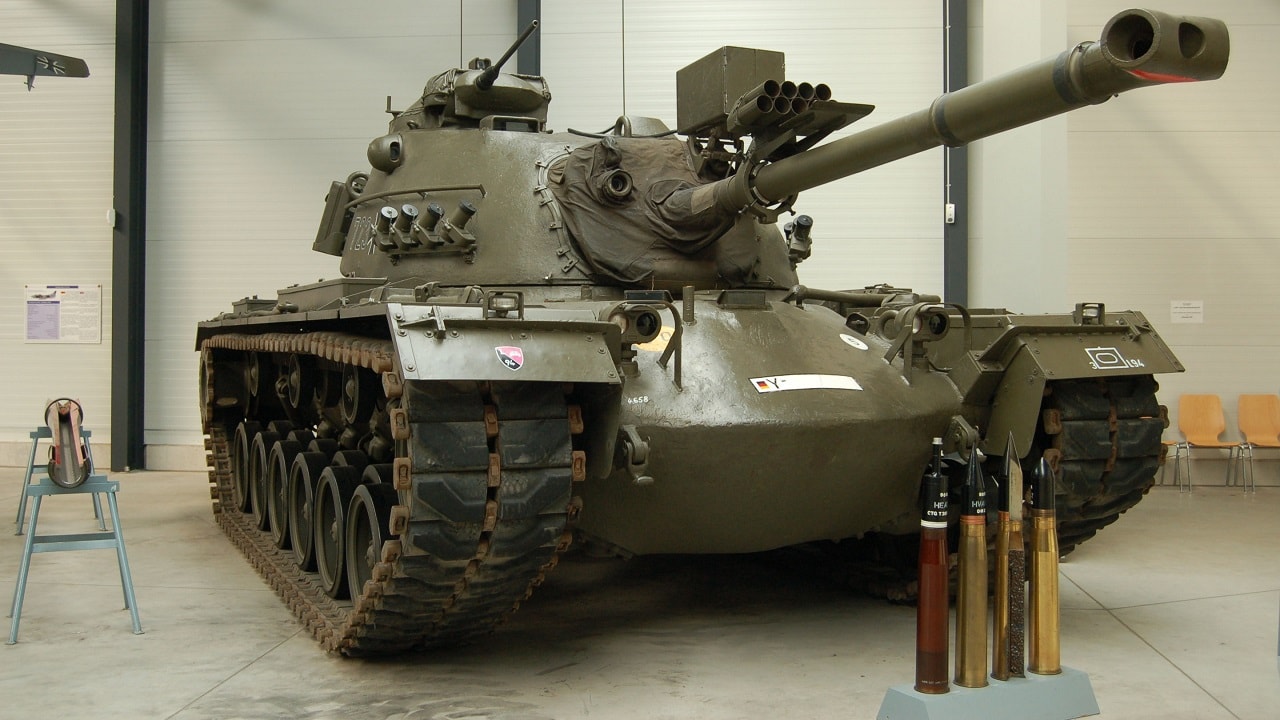
M48 Patton. Image Credit: Creative Commons.
The Weapon He Was Built For
The years between the wars were quieter, but Patton never stopped preparing for the fight he was sure was coming, and when the Second World War arrived, he proved to be one of the finest practitioners of armored warfare the country ever produced.
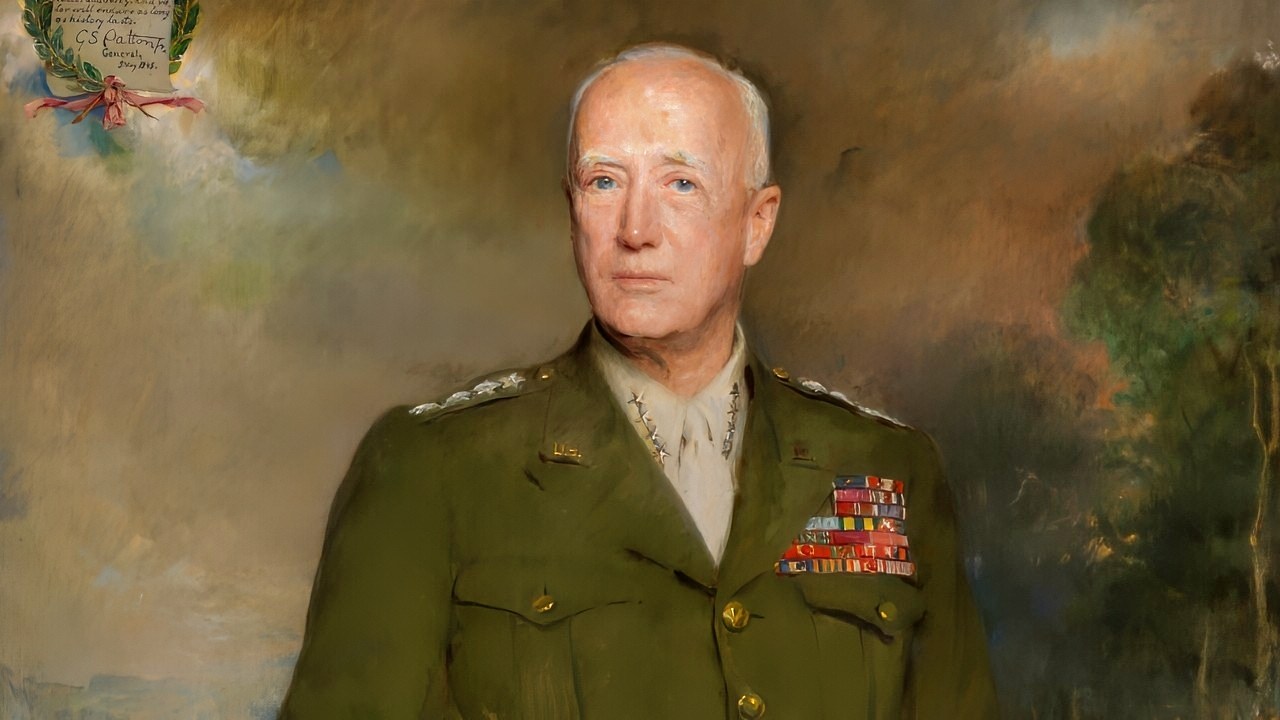
U.S. Army General George Patton. Image Credit: Creative Commons.
His gift was speed and aggression, the willingness to push men and machines harder and faster than seemed prudent, and it paid off in the Mediterranean. In 1943, he led the Seventh Army in the invasion of Sicily, racing the British under General Bernard Montgomery to be the first into the port city of Messina, a smashing success that confirmed his reputation as a commander who got results.
His drive was inseparable from his ferocity, and it earned him the nickname Old Blood and Guts. He believed in relentless forward motion above almost everything else, telling his troops to keep advancing whether they went over, under, or through the enemy, and confessing in a letter home to his wife that when he was not attacking, he felt physically ill. This was a man whose entire identity was bound up in moving forward, which is exactly what made the next event so devastating.
The Bottom
The fall came in Sicily, at the height of his triumph, and it came from inside his own character. Patton did not believe in the psychological wounds of war. In August 1943, visiting an Italian field hospital, he encountered a soldier suffering from shell shock, and convinced he was looking at cowardice rather than injury, he slapped the soldier and berated him. There was more than one such incident. As punishment, he was ordered to personally apologize to the soldiers involved and to the entire Seventh Army, and he was relieved of his command in the Mediterranean.
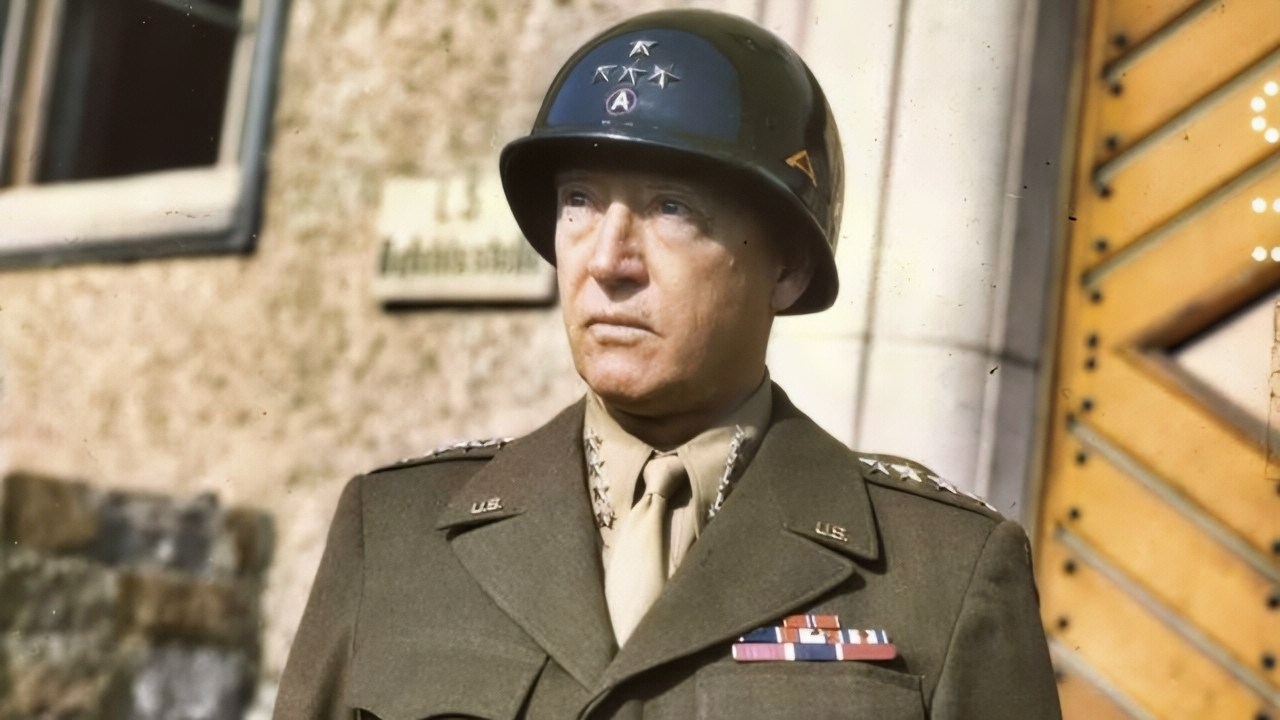
U.S. Army General George Patton. Image Credit: Creative Commons.
It got worse before it got better. In November 1943, the syndicated columnist Drew Pearson broke the story to the American public, and the reaction was scorching. Newspapers demanded his dismissal, and members of Congress called for his removal, leaving the career that had looked so luminous months earlier in ruins. General Dwight Eisenhower, who valued Patton’s battlefield genius too much to discard him outright, kept him on but at a humiliating distance. While the Allied high command planned the most important operation of the war, the invasion of France, Patton was sent to England and sidelined, a general in disgrace forced to watch the war move on without him.
This was his bottom, a proud and famous man stripped of his command and his dignity, left to wonder whether he had thrown away everything he had spent his life building.
The Bounce
What Patton did with that humiliation is the whole point of his quote.
Rather than disappear, he accepted a role that turned his disgrace into a weapon. In the summer of 1944, he was placed in command of the First U.S. Army Group, a fictitious formation that existed only on paper and in radio traffic, designed to convince German commanders that the Allied invasion would strike at the Pas-de-Calais rather than Normandy. The Germans, who rated Patton so highly that they could not imagine an invasion he was not leading, kept their reserves waiting for a phantom army.
The deception helped make the real landings on June 6, 1944, possible.
Then came the redemption he had been denied. After the First Army cracked the German line, Patton’s Third Army swept through the breach and tore across northern France in pursuit of the retreating Nazis, capturing town after town. When the Germans launched their massive surprise counterattack in the Ardennes that winter, Patton’s forces played a decisive role in defeating the German offensive at the Battle of the Bulge, wheeling an entire army ninety degrees in brutal winter conditions to relieve the besieged defenders of Bastogne, a feat of logistics and will that few commanders could have managed.
In early 1945, he drove across the Rhine and into the heart of Germany, his Third Army capturing thousands of square miles of enemy territory in a matter of days. The man who had been left watching from the sidelines a year earlier finished the war as one of the most celebrated combat generals in American history. He had bounced about as high as a man can.
The Final Fall
The cruelest irony of Patton’s life is that the quality that carried him back to the top, his refusal to hold his tongue, finally finished him once the shooting stopped. Peace had no use for Old Blood and Guts. Appointed military governor of Bavaria, a political post for which his temperament suited him terribly, he made public criticisms of Allied denazification policy and added ill-advised comments to the press, and his outspokenness led to his removal from command of the beloved Third Army in October 1945. At the change-of-command ceremony, he told his officers that all good things must come to an end and that commanding the Third Army had been the greatest honor of his life. His final assignment was a paper command overseeing the writing of the war’s history, a role he bitterly described as serving as the undertaker at his own funeral.
He never got the chance to bounce a final time. On December 9, 1945, Patton suffered severe injuries to his head and spine in a low-speed car accident near Mannheim, Germany. He lingered for twelve days in terrible pain and died in a hospital in Heidelberg on December 21, 1945, at the age of sixty. His memoir, War as I Knew It, was published after his death. The abruptness and strangeness of the end, a warrior who survived two world wars, killed by a traffic collision, fed conspiracy theories that have never fully died, with various books suggesting he was assassinated on orders from Washington or Moscow, though no credible evidence has ever supported the claim.
Why The Quote Endures
History reached out and embraced Patton almost immediately. A New York Times editorial the day after his death declared his place secure at the forefront of America’s great military leaders, and within weeks, 1,200 mourners, including Eisenhower and former Secretary of War Henry Stimson, gathered to honor him.
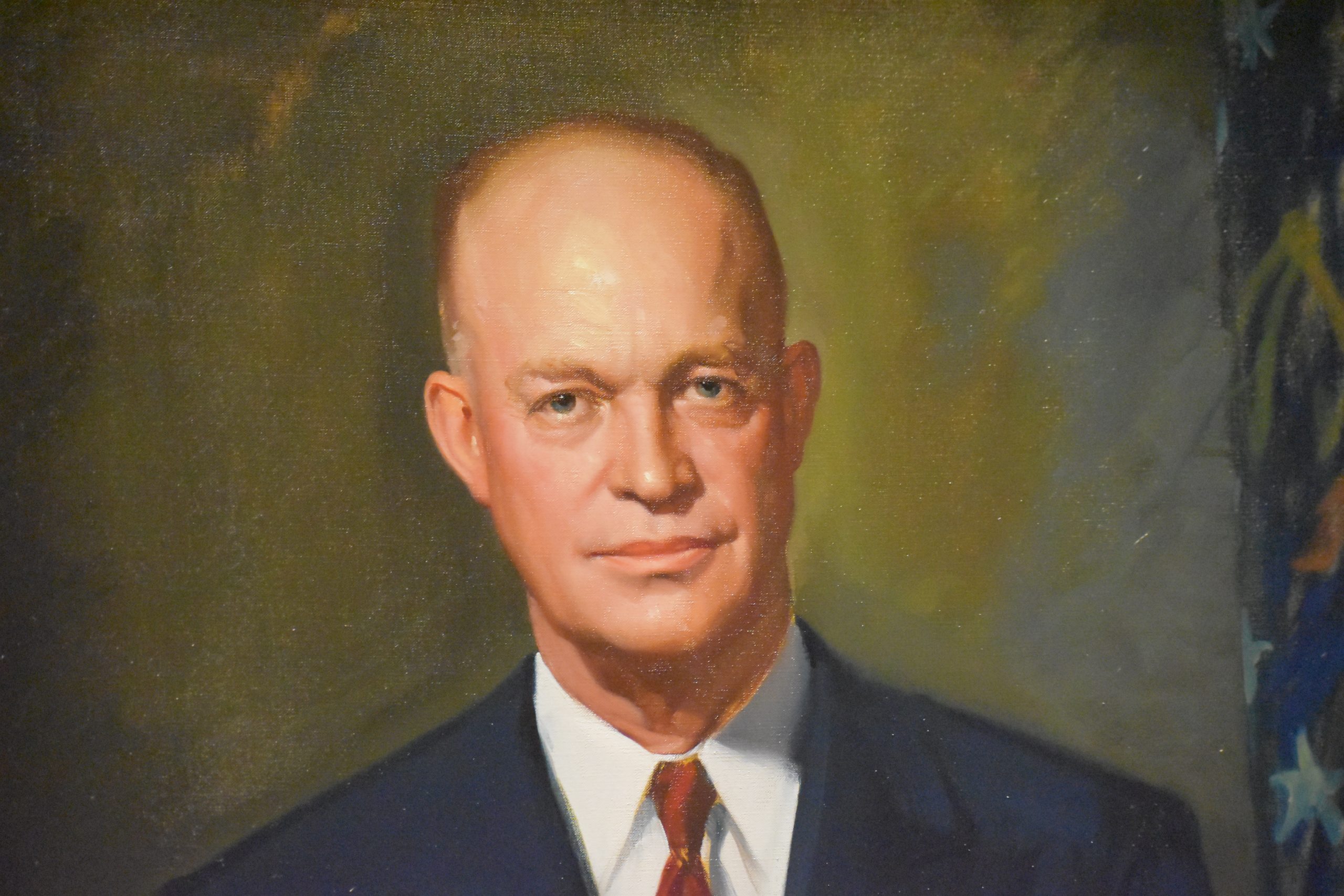
Dwight D. Eisenhower. Image taken at the National Portrait Gallery for National Security Journal.
He passed quickly into American folklore, a figure spoken of in the same breath as frontier legends, and a generation later, George C. Scott won an Academy Award for portraying him in a film that fixed his image in the popular imagination for good. It remains my favorite movie of all time.
About the Author: Harry J. Kazianis
Harry J. Kazianis (@Grecianformula) was the former Senior Director of National Security Affairs at the Center for the National Interest (CFTNI), a foreign policy think tank founded by Richard Nixon based in Washington, DC. Harry has over a decade of experience in think tanks and national security publishing. His ideas have been published in the NY Times, The Washington Post, The Wall Street Journal, CNN, and many other outlets worldwide. He has held positions at CSIS, the Heritage Foundation, the University of Nottingham, and several other institutions related to national security research and studies. He is the former Executive Editor of the National Interest and the Diplomat. He holds a Master’s degree focusing on international affairs from Harvard University.


