


Summary and Key Points: Naval service demands a sacrifice that goes beyond combat risk. Sailors routinely deploy for six to twelve months, missing children’s birthdays, family milestones, and the ordinary moments that sustain adult mental health. Ships are crowded, private space is almost nonexistent, and family contact is limited. The Navy’s Operational Stress Control program classifies sailors into readiness zones — ready, reacting, injured, or ill — and deploys counselors aboard ships to catch problems early.
-Its Warrior Toughness initiative addresses substance abuse risk, family resilience, and physical fitness as interconnected factors. Fleet and Family Support Centers on shore provide financial counseling and parenting resources for families left behind.
The U.S. Navy Isn’t For Everyone
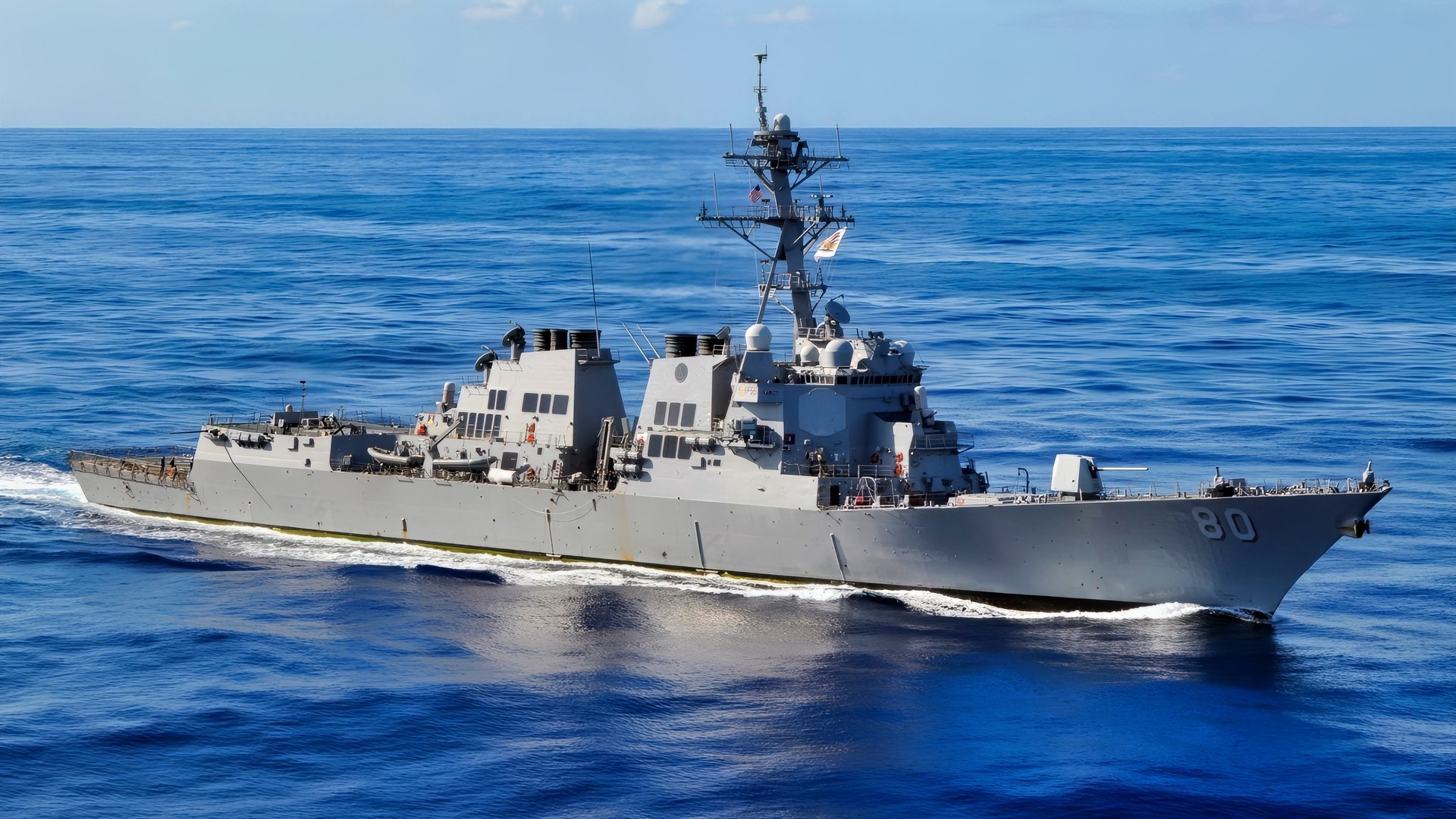
ATLANTIC OCEAN (Sept. 06, 2008) – The guided-missile destroyer USS Roosevelt (DDG 80) steams through the Atlantic Ocean. Roosevelt is deployed as part of the Iwo Jima Expeditionary Strike Group (ESG) in support of maritime security operations in the Navy’s 5th and 6th fleet areas of responsibility. The Iwo Jima ESG is made up of Roosevelt, homeported at Mayport, Fla.; the amphibious assault ship USS Iwo Jima (LHD 7); the amphibious dock landing ship USS San Antonio (LPD 17); the amphibious transport dock ship USS Carter Hall (LSD 50); the guided-missile cruiser USS Vella Gulf (CG 72); the guided-missile destroyer USS Ramage (DDG 61); all homeported at Norfolk, Va.; and the fast attack submarine USS Hartford (SSN 768), homeported at Groton, Conn. U.S. Navy photo by Mass Communication Specialist 2nd Class Jason R. Zalasky (Released)
I come from a military family with a long and distinguished service record. My father’s side of the family consists of multiple Marine Corps and Navy veterans. My mother’s side has the Army and Air Force veterans. But sometimes I have the most respect for sailors in the U.S. Navy.
I have never been on a warship at sea, but I have listened to my grandfather’s stories about serving on a submarine in World War Two, and I have been blown away by the details. I have also taken submarine tours from the war, and I am amazed at how the crew could spend so much time underwater in cramped conditions.
The Life of a Sailor Is Unique
Sailors are used to long deployments and are often away from friends, family, and life events that define our existence. Many Navy personnel have missed childhood birthdays, anniversaries, family sporting events, and other life milestones. This creates stress and regret among sailors who lack the kind of family inclusion necessary for adults to maintain sound mental health and resilience to stress.
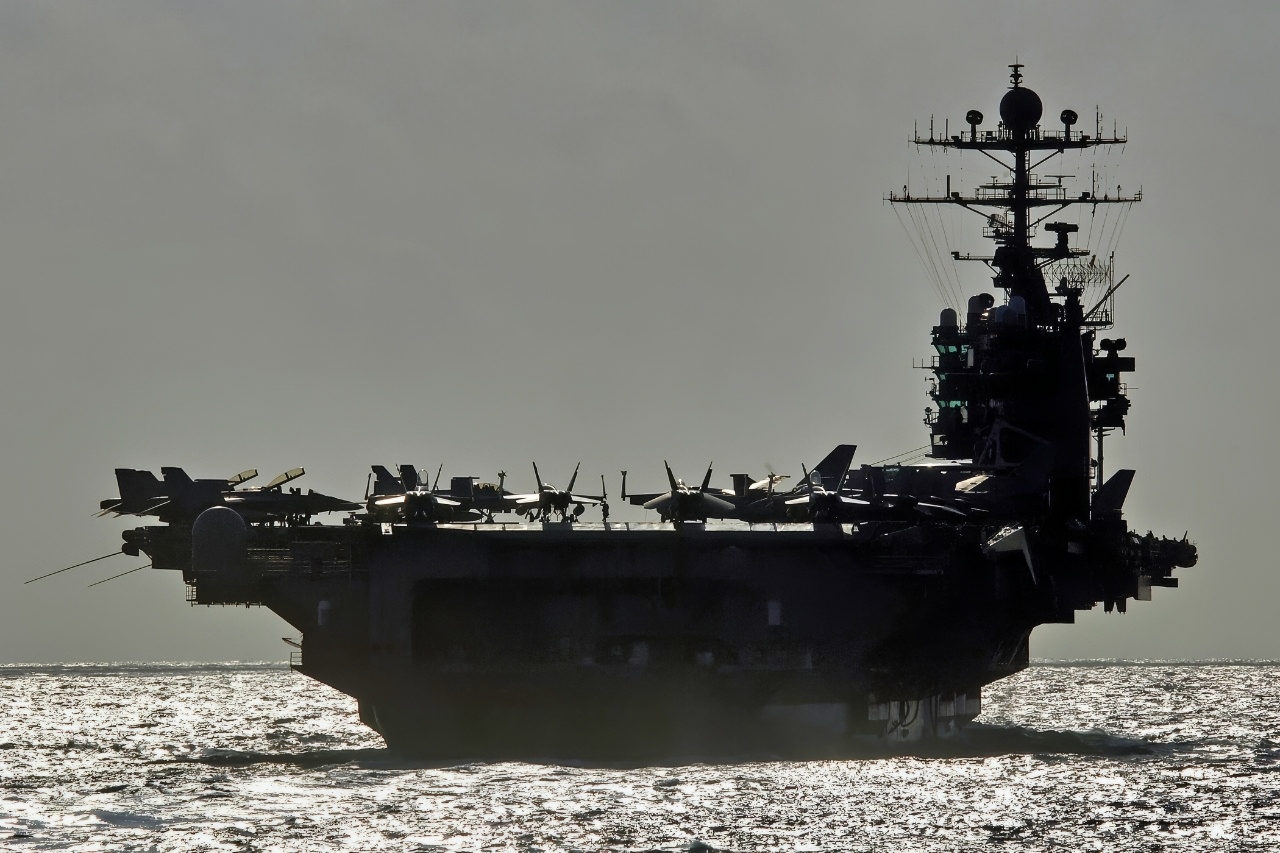
The aircraft carrier USS George Washington (CVN 73) prepares to conduct a refueling at sea with the guided missile cruiser USS Monterey (CG 61) as the two ships operate in the Caribbean Sea on April 20, 2006. The George Washington Carrier Strike group is participating in Partnership of the Americas, a maritime training and readiness deployment of U.S. Naval Forces along with navies of Caribbean and Latin American countries for enhanced maritime security.
(DoD photo by Petty Officer 3rd Class Michael D. Blackwell II, U.S. Navy. (Released))
Sea Duty Has Its Share of Challenges
Ships are often crowded, with limited living space. Sailors do not sleep on king-size beds. They share quarters and rest on bunk beds in open bays, with little privacy. Showers are brief, and hot water may be limited. Food is plentiful, but it is difficult to create restaurant-quality meals that evoke a sense of home.
Ships can also be lonely. Sailors do have friends they make on board, but no family members are present. It’s not like peacetime garrison service in the Army, Air Force, or Marine Corps, in which family members can be present on posts or bases.
Operational Stress Control
One stress-relieving program for sailors is the Navy’s Operational Stress Control Program (OSC). The OSC depends on its “Navigating Stress for Families” educational offering. Counselors are also on board ships to address mental health needs.
“It’s good to know the signs of stress,” said Beth Williams, the deployed resiliency counselor aboard the USS George Washington. “Quite often, I get sailors coming in asking for help in dealing with stress. Knowing the signs of stress and knowing when to get help for it are valuable tools in life, which the program provides,” according to a Navy news release.
The idea is to identify stressors early and address them in ways that help a sailor feel confident in their own coping with difficult situations, such as missing family events and milestones.

201117-N-NH257-1123 NORTH ARABIAN SEA (Nov. 17, 2020) The aircraft carrier USS Nimitz (CVN 68) steams ahead of the guided-missile cruiser USS Princeton (CG 59) while participating in Malabar 2020 in the North Arabian Sea. Malabar 2020 is the latest in a continuing series of exercises that has grown in scope and complexity over the years to address the variety of shared threats to maritime security in the Indo-Asia Pacific where the U.S. Navy has patrolled for more than 70 years promoting regional peace and security. Nimitz Carrier Strike Group is currently deployed to the 7th Fleet area of operations in support of a free and open Indo-Pacific. (U.S. Navy photo by Mass Communication Specialist 3rd Class Elliot Schaudt/Released)
Placing Sailors in Stress Categories
Like the Marine Corps, the Navy classifies sailors into different levels of stress zones. The idea is to recognize shipmates who need the kind of personal care that a civilian counselor can provide.
“If a person is ready, they are considered to be prepared for deployment and functioning adequately both socially and emotionally. If a Sailor is reacting, they may be in distress and experiencing physical or behavioral changes.
When a Sailor is injured, this stress type may leave lasting memories, and they may experience more severe distress. Lastly, if a Sailor is ill, they are likely to have stress injuries that won’t heal without help. Their symptoms may get better initially, but then worsen,” according to the OSC program.
MyNavyHR and Warrior Toughness
The Navy also depends on what it calls “MyNavyHR.” The flagship program for this section of Naval readiness efforts is called the “Warrior Toughness.”
Watch Out for Substance Abuse
The first area of sailor care is to make sure the person does not engage in unhealthy use of alcohol or drugs. Like many professions, drinking alcohol has a long history in the Navy. Shipmates like to blow off steam during liberty and shore excursions, and it is necessary for the sailors not to overdo it. They may work hard, but they have to be careful when “playing hard.”
Building Resilient Families
Another program within Warrior Toughness is Family Readiness. This effort is designed to promote resilient families that can cope with stressors from long deployments and combat operations lasting six to twelve months.
There are family support groups at bases and installations. These are called Fleet and Family Support Centers, which offer resources for stressful situations when a family member is deployed for long periods. Financial advice, parenthood skills, and pregnancy healthcare recommendations are also included within these support centers.
Physical Health Leads to Good Mental Health
Warrior Toughness also has resources to help sailors maintain high levels of physical fitness and nutrition. Physical health is systemically related to mental health, and the Navy medical community is aware of how important it is to promote these types of remedies for stress relief.
Reducing the Risk Factors of Naval Service
Another way Warrior Toughness promotes sound, healthy leadership is through the “Integrated Primary Prevention Program.”
“Integrated Primary Prevention (IPP) promotes protective factors and reduces risk factors among individuals, within relationships, and within organizations, through policies, programs, and practices. The Integrated Primary Prevention Workforce (IPPW) focuses on risk and protective factors that impact two or more harmful behaviors,” the Navy explains.
The Navy has an excellent handle on what makes sailors tick, their fears and anxieties, the hardships at sea, and how they get along with their friends and families who are stateside.
The Operational Stress Control Program is critical in identifying sailors who have mental health issues early. So it is imperative to ensure shipmates receive the assistance they need from the ship’s chain of command before they can get professional help onshore.
Using the various “Warrior Toughness” resources is another way for families to maintain their resilience while their loved ones are on long deployments. Physical health among sailors is an important determinant of mental health, and Warrior Toughness makes sure that shipmates are physically fit, well-rested, and well-fed.
The Navy is a unique lifestyle that creates a sense of shared sacrifice, exemplary courage, and valuable camaraderie. But there are times of difficulty and loneliness that can cause stress. Thankfully, the service branch offers many programs and resources, with highly qualified professionals who know how to care for sailors. This should give families a sigh of relief, knowing that their loved ones will be well cared for at sea or on shore.
About the Author: Dr. Brent M. Eastwood
Author of now over 3,500 articles on defense issues, Brent M. Eastwood, PhD, is the author of Don’t Turn Your Back On the World: A Conservative Foreign Policy and Humans, Machines, and Data: Future Trends in Warfare, plus two other books. Brent was the founder and CEO of a tech firm that predicted world events using artificial intelligence. He served as a legislative fellow for US Senator Tim Scott and advised the senator on defense and foreign policy issues. He has taught at American University, George Washington University, and George Mason University. Brent is a former US Army Infantry officer. He can be followed on X @BMEastwood.


