

Ukraine Has Two Months Before Putin Could Order Mobilization: Ukrainian authorities have only two months to end the war with Russia. If that does not happen, the Kremlin may decide to escalate it further, Czech President Petr Pavel said, according to The Telegraph.
With parliamentary elections coming soon, Russian President Vladimir Putin may order a large mobilization right after the September 20 elections, Pavel said.

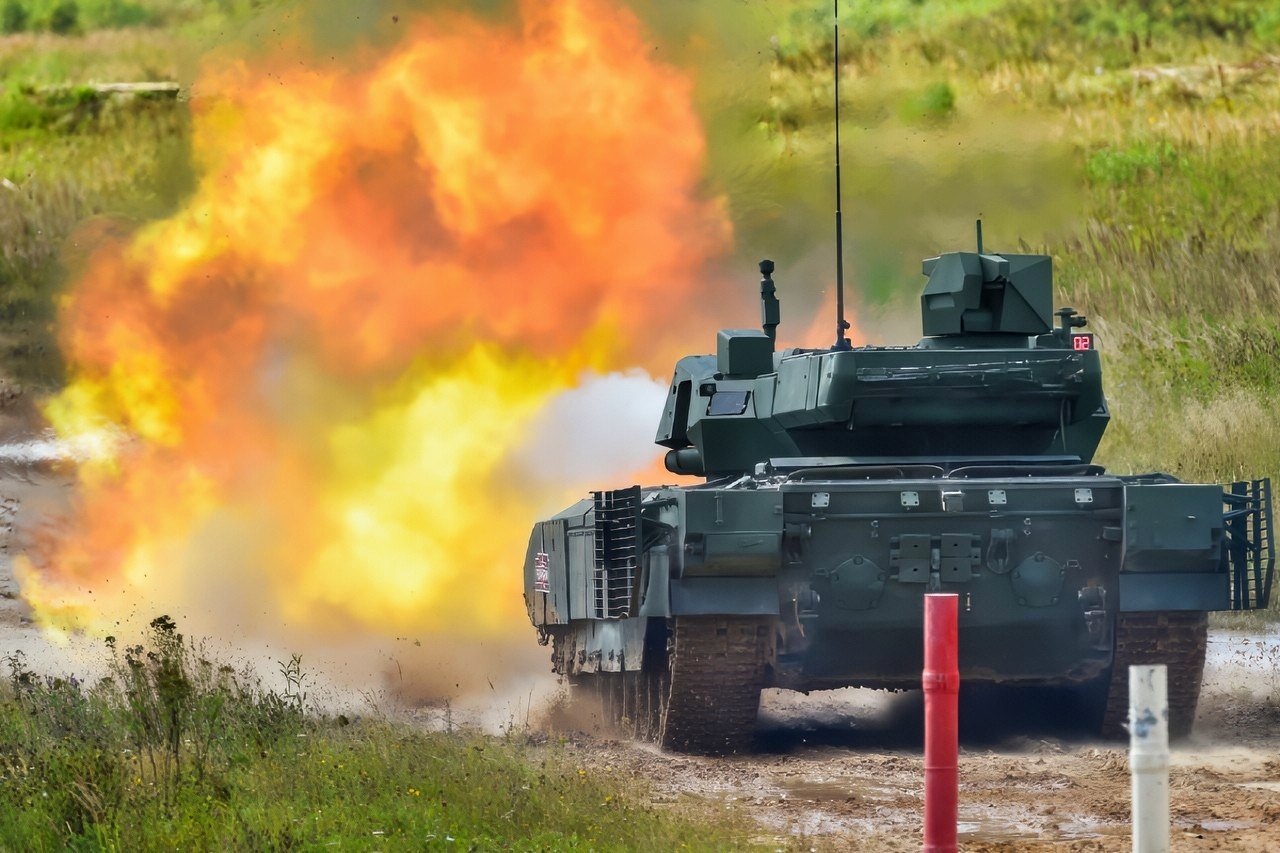
Tu-160 Bomber. Image Credit: Creative Commons.
“I believe that the window is there for us to keep pushing and giving Russia a clear message that we are willing to start negotiations,” he added.
Pavel believes that Putin wouldn’t consider a large mobilization prior to the elections, “but once the elections are over, then the window will shrink.”
Prior Attempts At Mobilization Didn’t Go Well For Putin
On September 21, 2022, with the invasion of Ukraine already going badly, Putin ordered a “partial mobilization” of military reservists.
Defense Minister Sergei Shoigu announced that Russia had a “huge mobilization reserve” and planned to mobilize 300,000 from its reserves.
This move triggered a massive exodus of more than a quarter-million military-age men, widespread anti-war protests, and chaotic implementation across Russia.
Fearing immediate military conscription, hundreds of thousands of Russians fled the country. Neighboring nations like Kazakhstan, Georgia, and Finland saw massive, miles-long queues at their borders and skyrocketing one-way flight prices as citizens scrambled to leave.
Demonstrations across the country resulted in a crackdown by police as thousands were arrested.
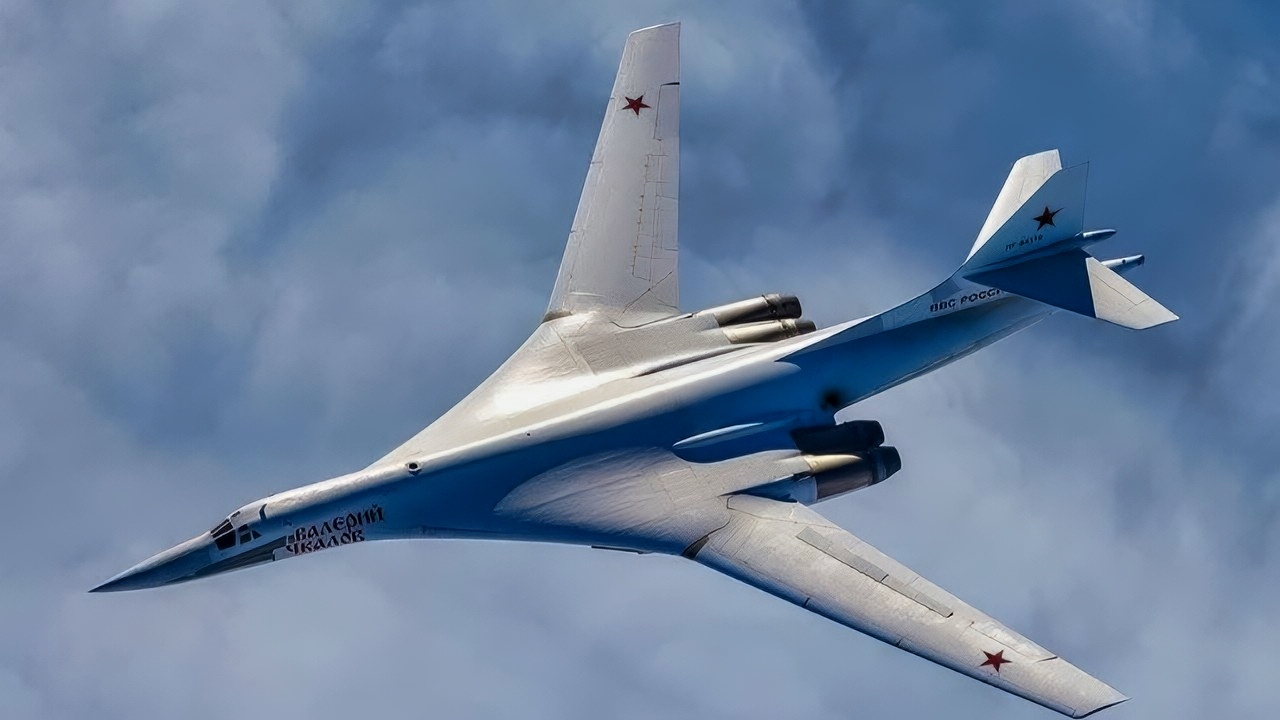
Tu-160 Bomber from Russia. Image Credit: Creative Commons.
If Putin decides on another mobilization in order to turn the tide of the war, it won’t be any more popular, most analysts agree.
Russia’s Troop Strength Can’t Keep Up With Its Losses
Russia has suffered about 1.4 million casualties thus far during the war and is losing between 30,000 and 35,000 troops per month, according to the Center for Strategic and International Studies (CSIS).
The number of losses is outpacing their ability to recruit new troops, despite Moscow offering sign-up bonuses as high as $80,000.
In another Telegraph piece, Hamish de Bretton-Gordon wrote, “The prospect of wider mobilization and forced conscription is becoming a genuine concern in Moscow.
“Russia’s elite have been content thus far to see ethnic minorities, prisoners, and contract soldiers bear the burden of the fighting. It is an entirely different proposition if their own sons and daughters are required to serve.
“Should Putin lose the support of Russia’s urban middle class and influential elites, his position could rapidly become untenable.”
Putin has actively avoided mass call-ups in major population centers like Moscow and St. Petersburg to prevent reputational damage around critical State Duma elections.
“If Putin wants to send another million of his soldiers to keep fighting against this wall, then these million Russians, who have not yet been mobilized into the Russian army and are queuing for gasoline, should think about what awaits them next,” said Ukrainian President Zelenskyy.
Casualties, already outpacing Russia’s recruiting efforts, are reaching catastrophic levels of 1,298 per square kilometer taken in June, compared to 68 casualties per square kilometer in June 2025, said the Institute for the Study of War (ISW) in a July 1 intelligence assessment.
A Massive Ukraine War Mobilization Would Be A Huge Risk Politically for Putin
Given how badly the Russian military-aged men reacted to the last attempt to partially call up their reserves, and the now daily drone attacks on Moscow and other large cities, which have disrupted the flow of gas, oil, and military resupply efforts to its forces in Crimea, this could be a disaster, politically, for Putin.
He has striven hard to shield the Russian elites in Moscow and St. Petersburg from the realities of the war on the ground. Most of the casualties are from Russia’s far-flung regions in the eastern half of the country.
“If Russia does trigger military mobilization, it is a sign that the regime is under tremendous strain and is politically trapped,” says Max Bergmann, an analyst at the Center for Strategic and International Studies (CSIS).
A mobilization is a “huge gamble for (Russian President Vladimir) Putin, a bet that could put himself and his regime at risk,” he added.
“Today, the backlash would be even greater (than in 2022), as war fatigue has increased, while the Kremlin has failed to explain to a significant portion of the population why this war is necessary and why it should be considered just,” Mikhail Komin, an analyst at the Center for European Policy Analysis (CEPA), said.
Ukraine’s Allies Need To Ramp Up The Pressure On Russia
The Czech president says one avenue for the Ukrainians to get a fair negotiated peace deal is for the West to bring pressure on Moscow to negotiate, given how the Russian public is turning against the war amid the daily drone attacks against it.
“Russia has a lot of internal problems and challenges at this point. The Russian public is turning increasingly against the war. President Putin will have difficulties keeping calm at home,” Pavel said.
“So I believe that we have to really keep pushing hard, give Ukraine what they need to be successful in their defense, and at the same time exert all diplomatic skills to convince Russia that they have no other choice than to negotiate… that they can only get something out of negotiation instead of losing by continuing the war,” he added.
About the Author: Steve Balestrieri
Steve Balestrieri is a National Security Columnist. He served as a US Army Special Forces NCO and Warrant Officer. In addition to writing on defense, he covers the NFL for PatsFans.com and is a member of the Pro Football Writers of America (PFWA). His work was regularly featured in many military publications


