


Russia and North Korea’s military partnership is expanding. On Tuesday, Russian Foreign Minister Sergei Lavrov said Moscow and Pyongyang were working on a “new and righteous world order.” The comments came amid news that North Korea could be poised to send tens of thousands more troops to aid Russia’s war effort.
Lavrov: Russia and North Korea Care About Equality
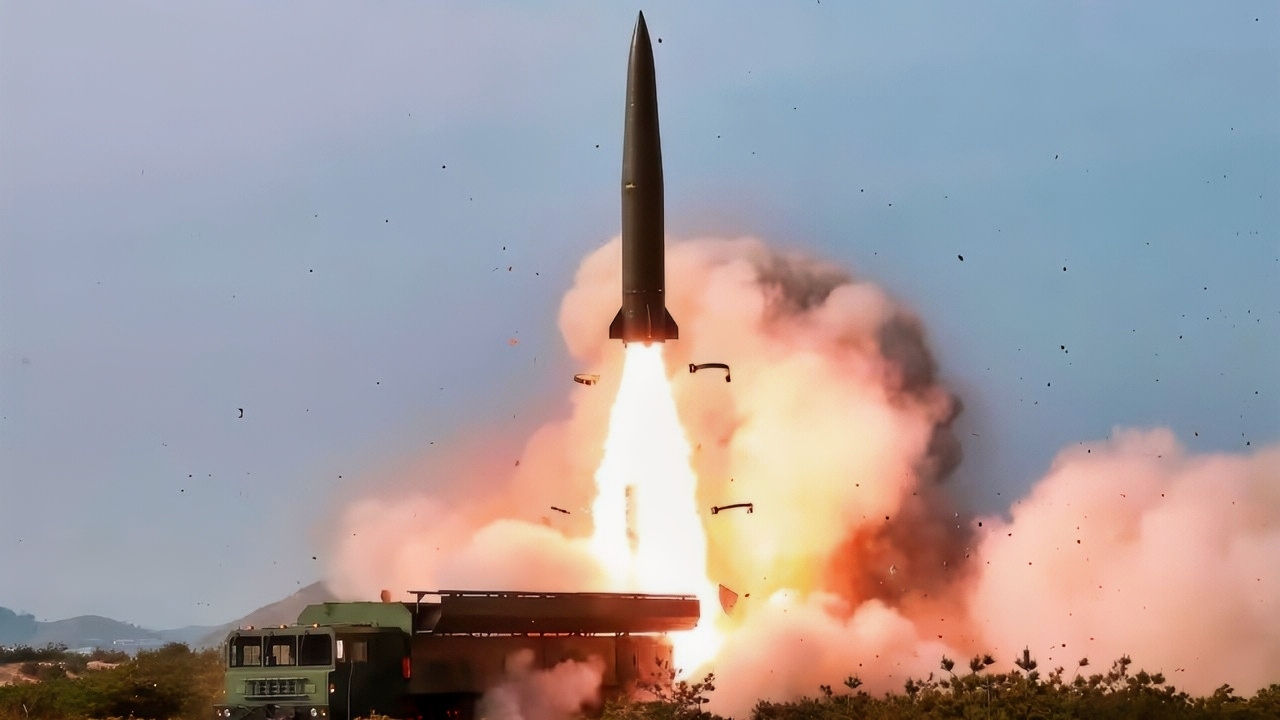
North Korea Missile Test Creative Commons Image
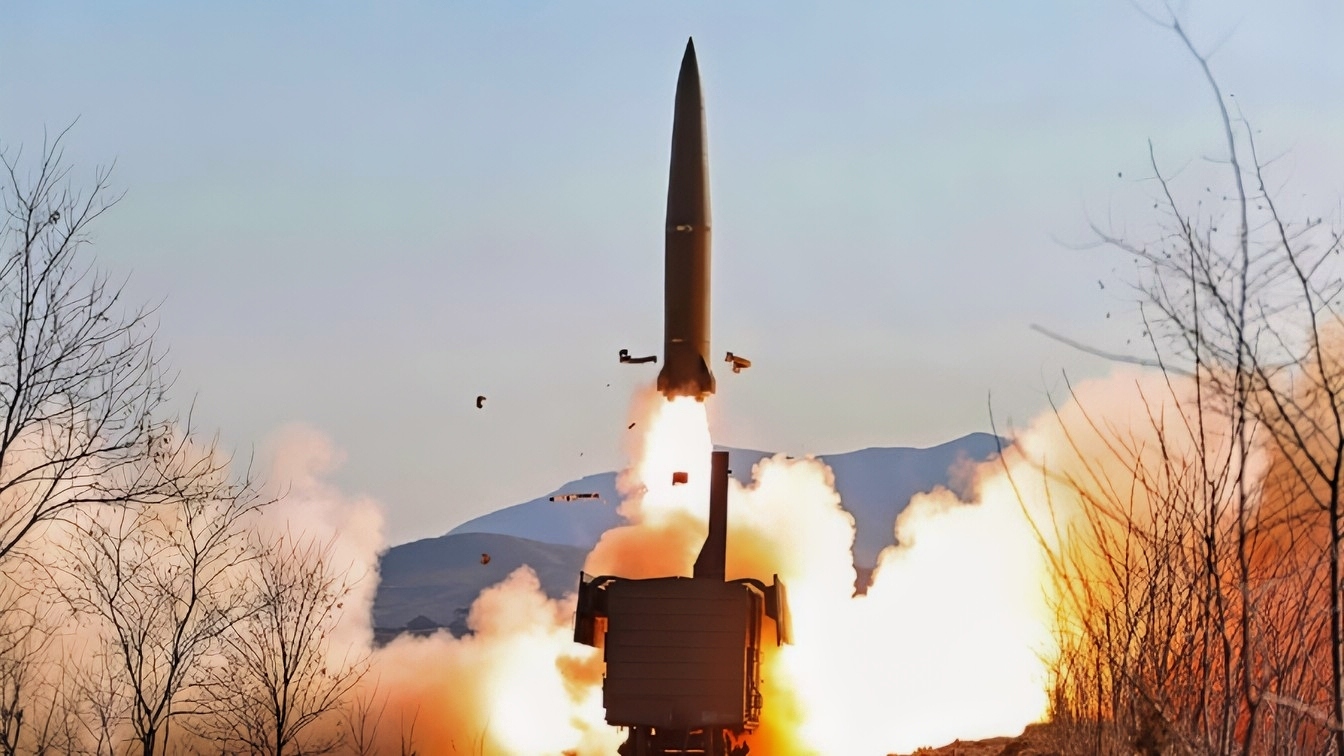
North Korea KN-23 Missile DPRK State Media
Lavrov’s comments were made in a public message to North Korean Foreign Minister Choe Son Hui, published by Pyongyang’s state-run KCNA news agency.
“Today, Moscow and Pyongyang stand united in advocating for the creation of a new, just world order based on the principles of multipolarity, genuine equality, and respect for national interests,” he wrote.
Lavrov also praised North Korean soldiers for what he described as helping to “expel the Armed Forces of Ukraine and foreign mercenaries” from the Kursk region.
Starting in late 2024, North Korea sent an estimated 14,000 troops to Russia’s Kursk region beginning in late 2024, helping Russian forces repel Ukraine’s incursion there.
50K More North Koreans Could Be Deployed
According to Ukrainian President Volodymyr Zelenskyy, up to 50,000 other North Korean soldiers could be deployed to Russia in the coming months. National Security Journal is unable to verify this claim.
A previous Ukrainian assessment put the prospective deployment at some 30,000 troops.
Ukrainian Center for Security Studies military expert Oleksandr Kovalenko told Deutsche Welle that: “These forces could free up Russian occupational forces… Russia would then be able to deploy around 15,000 troops to battles along front lines in Vovchansk, Kharkiv, Sumy or even Chernihiv.”
Russia Accused of Using North Korean Ballistics
North Korea has already supplied Russia with millions of artillery rounds as well as ballistic missiles.
Ukraine’s military intelligence told Reuters that a North Korean missile unit of roughly 90 personnel has also begun deploying to Russia’s Voronezh region and could eventually operate up to 120 ballistic missiles and six launchers.
Ukraine’s military intelligence says North Korea supplied Russia with approximately 150 KN-23 and KN-24 ballistic missiles between late 2023 and August 2025.
They also claimed that North Korean systems are estimated to carry larger payloads and have greater range than Russia’s Iskander, although they are less accurate.
Kyiv’s pressing shortage of ballistic-missile interceptors is putting its defense capabilities under huge pressure amid these growing risks. Zelenskyy has repeatedly called on the US to permit the supply of more Patriot (Phased Array Tracking Radar to Intercept on Target) interceptors.
Deepening Ties
As recently as November 2023, the International Institute for Strategic Studies described bilateral relations as historically thin and largely transactional.
Russia’s invasion of Ukraine and its resulting demand for artillery ammunition had created an obvious reason for cooperation, but the IISS cautioned that interoperability, supply lines, and mutual distrust could limit the relationship.
Less than a year later, Putin and Kim Jong-un signed a comprehensive strategic partnership treaty.
Putin said at the time that it provided for mutual assistance if either country faced aggression.
Today, the partnership has moved far beyond arms shipments. North Korean soldiers have fought for Russia, missile personnel are reportedly arriving, and Moscow is openly celebrating its military ties with Pyongyang.
Whether another 50,000 North Korean troops actually set foot in Russia remains uncertain. But Russia and North Korea’s relationship is clearly moving in one direction: closer together.
U.S. Scales Back in South Korea
Writing on social media on August 16, U.S. President Donald Trump said he planned to “substantially reduce” planned joint military exercises with South Korea, citing its refusal to join the conflict with Iran.
He also referred to his “very good” personal relationship with North Korea’s leader Kim Jong-un.
In their new book Axis of Aggressors, which documents 600-plus instances of significant collaboration between China, Russia, Iran and North Korea, Rear Admiral (Ret.) Mark Montgomery and his co-authors, Bradley Bowman and Elaine Dezenski, warn against underestimating ties between anti-Western powers.
“Europe still looks at this conflict and says these are two co-equal belligerents: Iran and the US. That’s ridiculous. Iran is backed by Russia. It’s backed by China.
In the past, it has been backed by North Korea. Yet we still cannot get Europe to support us against Iran,” Montgomery told Radio Liberty.
About the Author: Georgia Gilholy
Georgia Gilholy is a journalist based in the United Kingdom who has been published in Newsweek, The Times of Israel, and the Spectator. Gilholy writes about international politics, culture, and education.


