

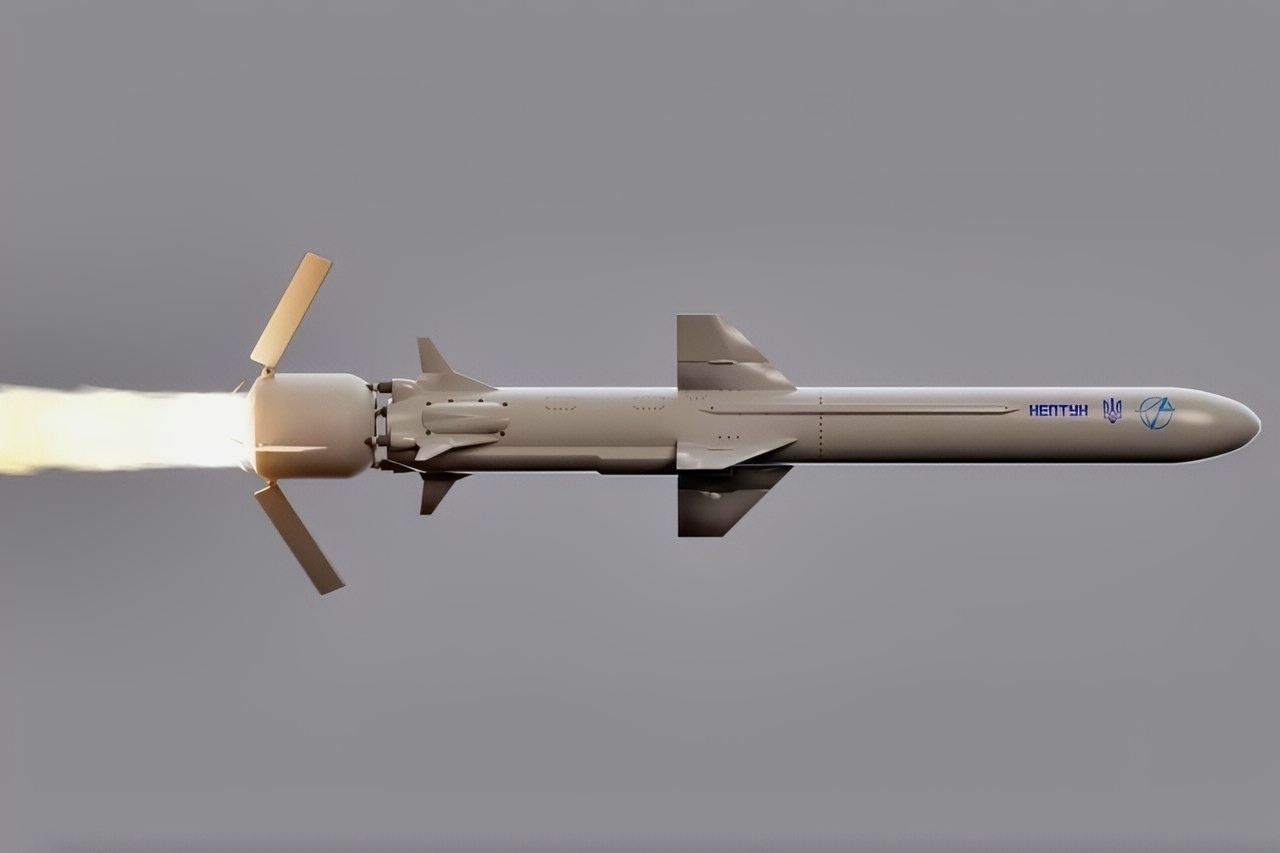
Key Points and Summary – Facing the threat of dwindling Western support, Ukraine is rapidly building a domestic air defense industry from scratch.
-With Soviet-era interceptors running low, Kyiv is fostering a network of dozens of private companies, testing new interceptor drones and missile designs, some directly on the battlefield.
-This effort includes creative “FrankenSAM” hybrids, like Buk launchers firing American Sea Sparrow missiles.
-While a monumental challenge, Ukraine is rushing to scale up production of these indigenous systems to create a sustainable, self-reliant defense against Russia’s relentless aerial bombardments.
Ukraine’s Domestic Missile Development Surges Amid Uncertain Western Support
Over three years have passed since Russia began firing missiles and drone barrages at Ukraine in its “special military operation.”
Kyiv is now rushing to launch a battle-ready air defense industry amid uncertainty over continued Western support for its defensive war.
Soviet-era interceptors are dwindling, and Western donations could also follow suit if no peace deal is struck.
Drones Already Being Tested in Real Combat
Andriy Hyrtseniuk, the recently appointed head of Ukraine’s Brave1 defense technology incubator, told The War Zone site that a once non-existent sector is now flourishing under wartime pressure. “When Brave1 launched, there were no private companies that built missiles,” he explained. “Now, dozens are already testing different classes of interceptors—some on the battlefield itself.”
There is no sign of Moscow’s daily waves of Shahed drones, cruise, and ballistic missiles slowing down.
As it stands, Kyiv needs high-end Western Patriot batteries and NASAMS systems, but they are pricey and largely contingent on Washington’s political mood.
That reliance on foreign stocks has highlighted a critical vulnerability: Ukraine’s air defense must eventually stand on its own.
‘62 Ukrainian Firms Testing Anti-Drone Solutions’
The Brave1 initiative is geared toward plugging this hole and building up the country’s supply of surface-to-air missiles and cheap interceptor drones.
According to Hyrtseniuk, 62 domestic firms are already field-testing anti-drone solutions, while several teams refine new missile designs tailored to Ukraine’s needs.
Kyiv has also experimented with so-called “FrankenSAM” hybrids—like a Buk system adapted to fire U.S.-made RIM-7 Sea Sparrow missiles. Fully new launchers are also being designed.
Zelensky: 1K Interceptors to be Deployed Daily
President Volodymyr Zelensky has also publicized his goal of deploying as many as 1,000 interceptor drones each day.
Hyrtseniuk said that despite challenges, Ukraine’s competitive domestic industry was already well-established by now, having been built up from a few brigades back in 2023.
Still, Ukraine faces the same challenge that plagues all military start-ups: the massive transition from mere prototype to solid procurement.
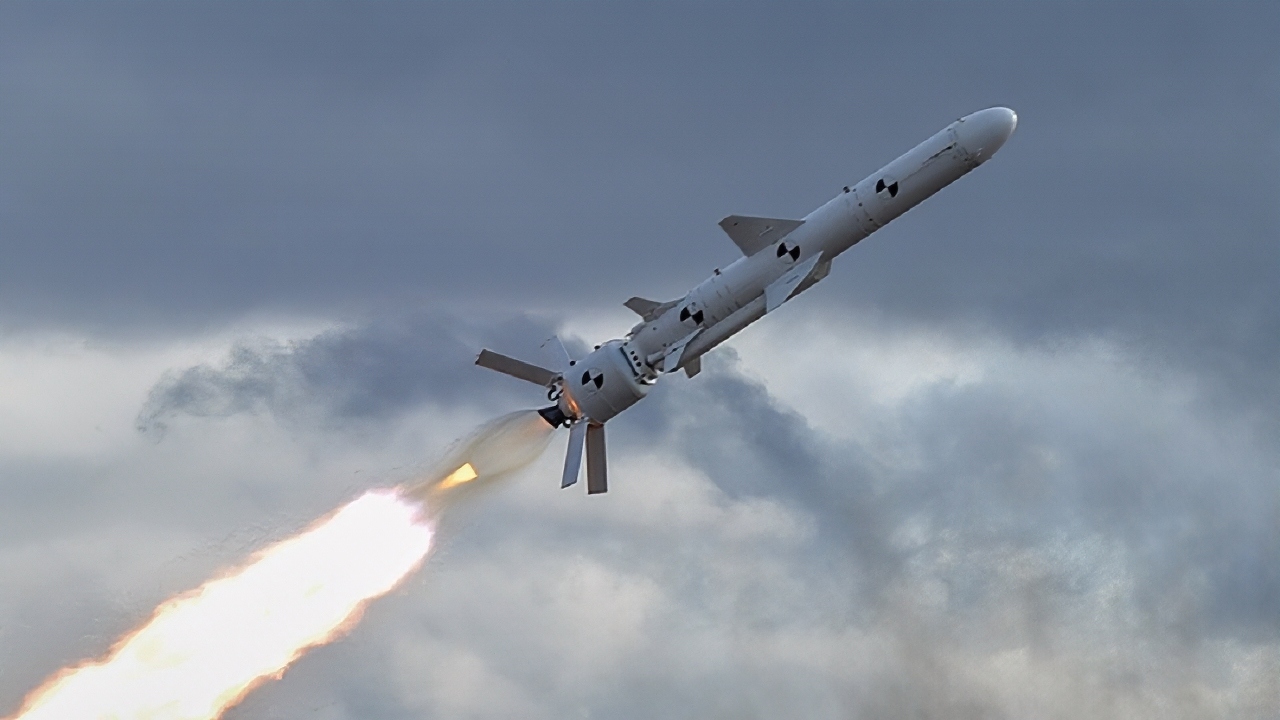
Neptune Missile. Image Credit: Creative Commons.
Hyrtseniuk notes that innovating is just part of the war effort. Kyiv must be able to purchase and deploy these advanced systems at scale on its frontlines, or face the consequences.
Nor, given Ukraine’s justified fear of Russian interference, are the details fully clear.
However, they claim tremendous advances have been achieved. Still, whether this is enough to shore up Ukraine’s war effort in the future is a very different question.
About the Author: Georgia Gilholy
Georgia Gilholy is a journalist based in the United Kingdom who has been published in Newsweek, The Times of Israel, and the Spectator. Gilholy writes about international politics, culture, and education. You can follow her on X: @llggeorgia.
More Military
J-36 vs. F-47: Which 6th Generation ‘NGAD’ Fighter Will Be ‘First’?
The F-22 Raptor Is Beyond Stealth
Canada’s Slow-Motion Tank Crisis Is Just Getting Started
Montana-Class: The 70,000-ton Battleship the Navy Almost Built


